

 Free Shipping
*Applies to Ipe & Cumaru short length orders from 3–5 ft. Minimum purchase of $2,500 required. U.S. mainland only. Other conditions may apply.



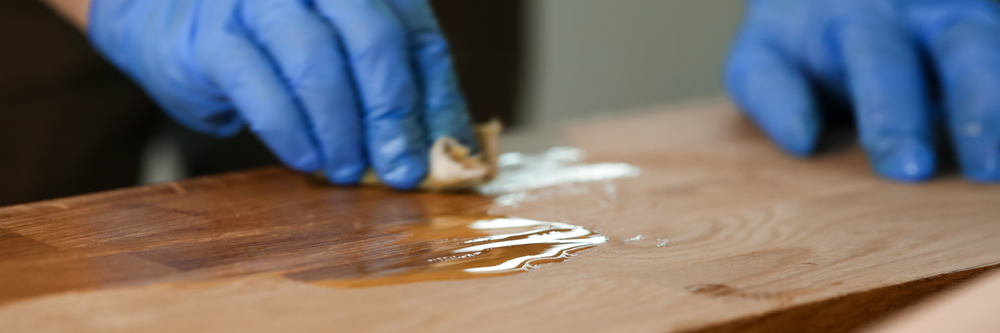
Should You Waterproof Wood?
Best Sellers

Posted on March 17, 2025 at 1:52 pm
Table of Content
Wood is a great material, but should you waterproof wood to protect it from damage? It doesn’t always handle moisture well, and without proper protection, water can seep in, causing swelling, cracking, or even rot over time. If you have outdoor furniture, a deck, or wood in damp areas like kitchens and bathrooms, waterproofing can help maintain its appearance and extend its lifespan.
But does all wood need waterproofing? Not always. Some types, like teak, ipe, and cedar, naturally resist moisture, while others require extra care to stay in good condition. In this guide, we’ll discuss when waterproofing is necessary, which woods can handle moisture on their own, and how to protect your wood so it lasts for years.
Why Waterproofing Wood Is Important
Wood is a strong and beautiful material, but it doesn’t always handle moisture well. If it’s not protected, water can seep in and cause problems like swelling, warping, and even rot. Whether it’s indoors or outdoors, knowing when to waterproof wood can help it last longer and stay in good shape.
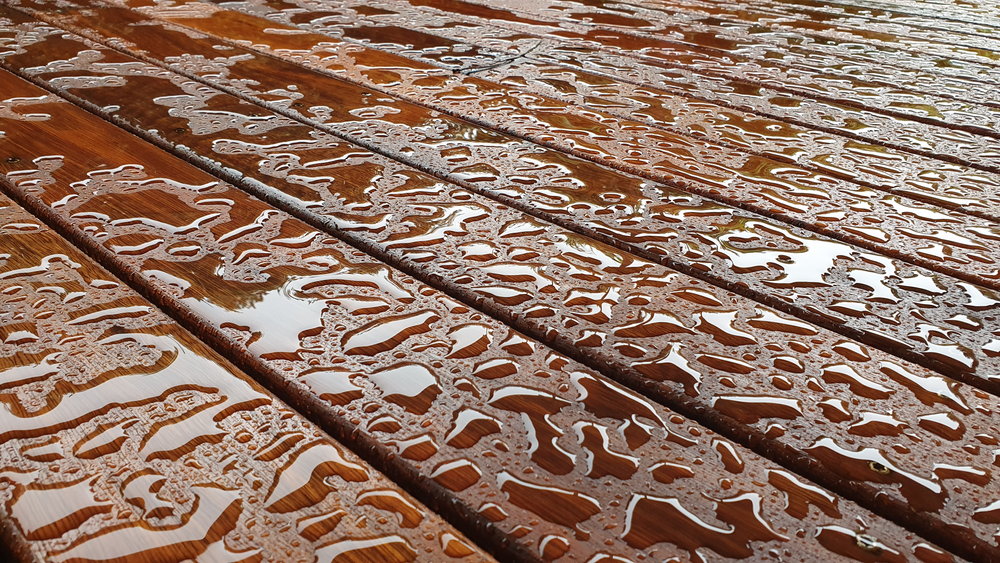
How Moisture Affects Different Types of Wood
Some types of wood naturally resist water, while others absorb it quickly and get damaged.
- Hardwoods like teak, ipe, and mahogany have natural oils that help keep water out, making them a great choice for outdoor use.
- Softwoods like pine and cedar soak up water more easily, which can lead to swelling, warping, and decay if they aren’t sealed.
- Engineered wood (like plywood and MDF) is especially vulnerable because its layers and adhesives can break down when exposed to moisture.
Knowing what kind of wood you’re working with will help you decide if waterproofing is necessary and what kind of protection works best.
What Happens When Wood Gets Wet
Wood expands when it absorbs water and shrinks when it dries. Over time, this constant movement can cause serious problems:
- Warping and swelling – Boards can bend, twist, or even crack.
- Rot and decay – Too much moisture weakens wood fibers, leading to soft spots and structural damage.
- Mold and mildew – Damp wood is the perfect environment for mold, which can be a health risk and create bad odors.
Even wood that naturally resists water can benefit from extra protection, especially in humid or rainy areas.
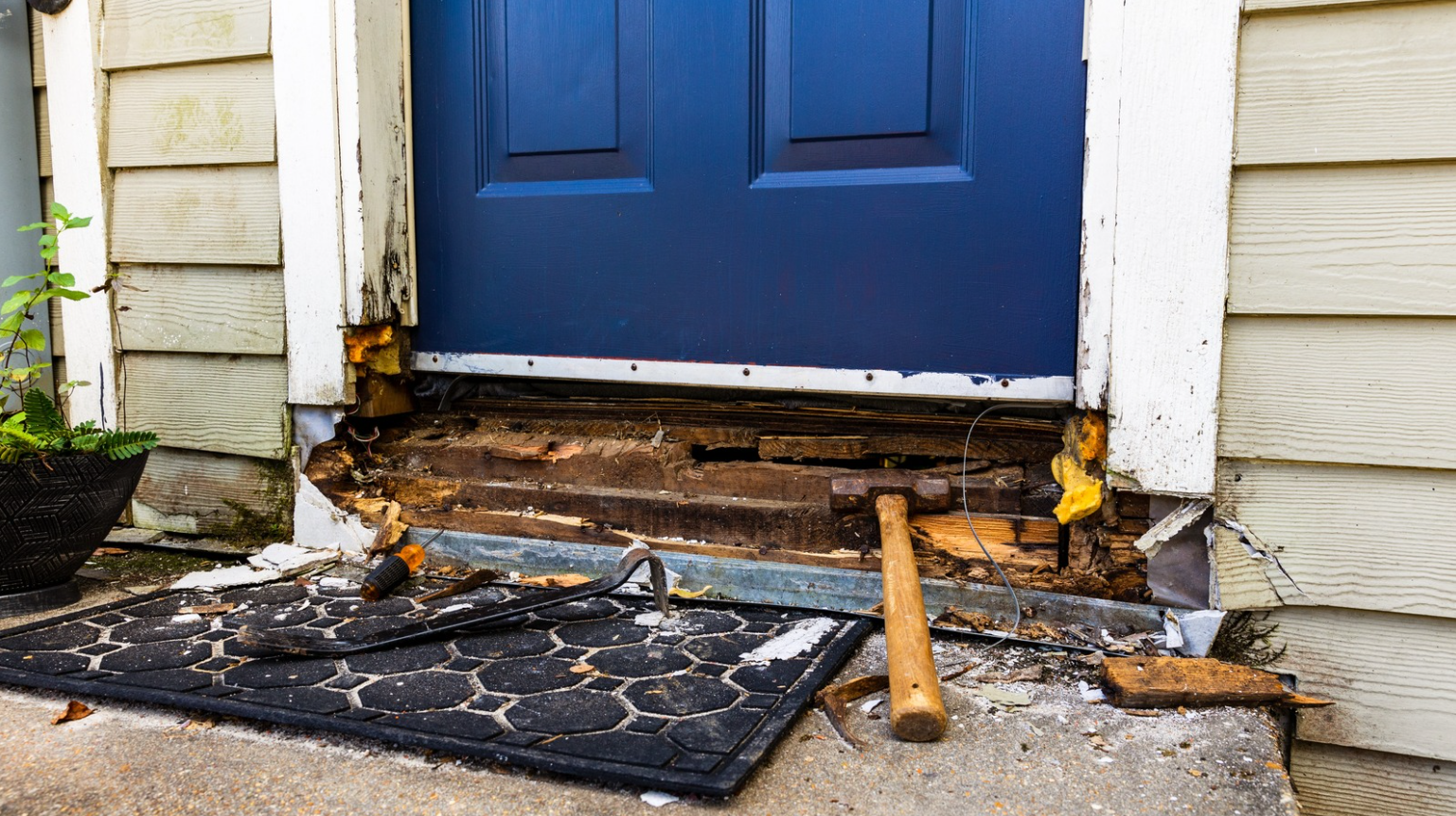
When You Should (and Shouldn’t) Waterproof Wood
Waterproofing isn’t always necessary, but it can make a big difference in many situations.
Waterproofing is a good idea if:
- The wood will be exposed to rain, humidity, or moisture (like decks, fences, or outdoor furniture).
- It’s used in bathrooms, kitchens, or basements where moisture levels are high.
- The wood type easily absorbs water, like pine or untreated wood.
You might not need waterproofing if:
- The wood is naturally water-resistant, like ipe, teak, or mahogany.
- It’s kept indoors in a dry space (like a coffee table in the living room).
- It has already been sealed with a protective finish.
By knowing where and how your wood will be used, you can decide if it needs waterproofing and choose the best way to protect it.
Naturally Water-Resistant Woods: Do You Need Waterproofing?
Not all woods need the same level of protection from water. Some naturally resist moisture, making them perfect for outdoor projects or places with high humidity. Here’s a look at a few naturally water-resistant woods and whether they need extra waterproofing.
Ipe – Strong and Moisture-Resistant
Ipe (pronounced “ee-pay”) is a tropical hardwood known for being incredibly dense and resistant to moisture. It’s often used for decking, boardwalks, and outdoor furniture in areas with heavy rainfall or high humidity. Thanks to its natural oils, ipe doesn’t soak up water, helping it avoid warping, rotting, or decaying.
Even though ipe is already moisture-resistant, a coat of oil can help it look even better and offer extra protection, especially if it’s exposed to a lot of sun or rain. But most of the time, waterproofing isn’t necessary.
Cumaru – Tough and Naturally Protected
Cumaru, also called “Brazilian teak,” is another hardwood with natural oils that protect it from moisture and decay. It’s similar to ipe in strength and resistance, making it great for outdoor furniture and decking. The natural oils in cumaru help it stay water-resistant, so it requires little maintenance.
Like ipe, applying a protective finish can help keep it looking fresh and add extra protection. But in drier or milder climates, it can often go without additional waterproofing.
Thermo Pine – Heat-Treated for Better Water Resistance
Thermo Pine is pine wood that has been heat-treated to make it more resistant to moisture and pests. The process changes the wood’s structure, making it stronger and less likely to absorb water. This makes it a good choice for outdoor projects since it’s less likely to warp or rot compared to untreated pine.
While Thermo Pine is better at resisting water after being heat-treated, it can still benefit from occasional waterproofing, especially if it’s exposed to extreme weather or used in high-moisture areas like bathrooms. Regular oil treatments can keep it looking its best and boost its water resistance.
Natural Resistance vs. Additional Waterproofing
So, do these naturally water-resistant woods need waterproofing? It really depends. Here’s a simple breakdown:
- Natural Resistance – Woods like ipe, cumaru, and thermo pine are already resistant to moisture, making them great for outdoor use or humid areas. Usually, they just need the occasional cleaning and oiling to stay strong.
- Additional Waterproofing – While these woods are naturally resistant to water, adding a protective finish can help keep their color and texture looking good. If you live in an area with harsh weather or high humidity, a waterproof coating can offer extra protection.
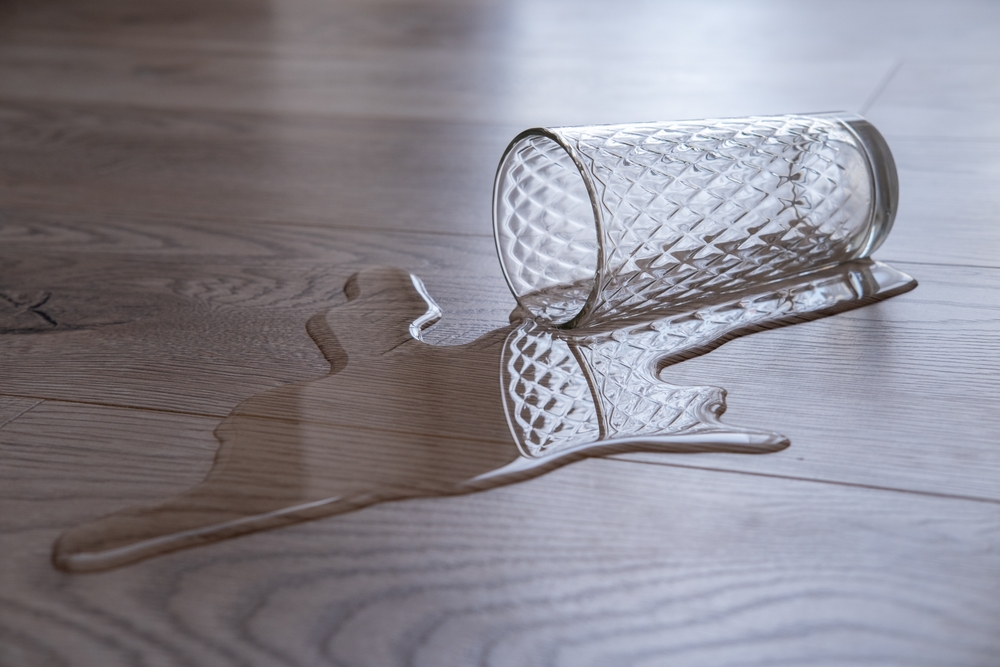
When and Where Waterproofing Is Essential
While some woods naturally resist water, there are many situations where waterproofing isn’t just helpful, but necessary. Whether it’s outdoor furniture, decks, or high-moisture areas like bathrooms, waterproofing protects wood and helps it last much longer. Here are the main spots where waterproofing is a must:
Outdoor Areas (Decks, Fences, Furniture)
Wood that’s outdoors is constantly exposed to the weather, including rain, snow, sun, and humidity. This can cause even the toughest woods to wear down over time without the right protection.
- Decks: Decks are especially vulnerable since they’re constantly exposed to rain and moisture. Without waterproofing, water soaks into the wood, causing it to swell, warp, and eventually rot.
- Fences: Fences face the elements year-round, which makes them prone to decay. Waterproofing helps protect them and can make your fence last longer.
- Outdoor Furniture: Wooden furniture, especially in humid climates, is often exposed to rain and moisture. A protective coat keeps the wood from absorbing water, helping it stay strong and look good.
Even woods that naturally resist water, like ipe and cumaru, still benefit from waterproofing to stay in great shape over time.
High-Moisture Areas (Bathrooms, Kitchens)
Wood in places with high humidity or regular exposure to moisture, like bathrooms and kitchens, needs extra protection.
- Bathrooms: With all the steam and humidity, bathrooms can cause wood to swell, warp, or even grow mold. Waterproofing is key to protecting wood vanities, baseboards, and trim.
- Kitchens: Kitchens see moisture from sinks, dishwashers, and cooking, which can affect wood surfaces like cabinets and countertops. Waterproofing these areas helps prevent water damage and keeps the wood looking good.
Waterproofing doesn’t just protect wood; it also helps prevent mold, mildew, and rot, which can harm both the wood and your health.
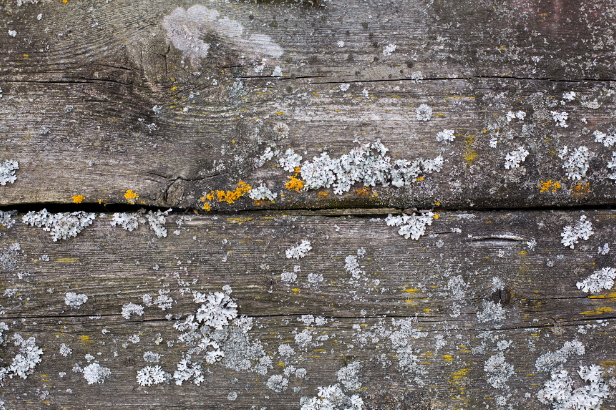
Softwoods and Untreated Woods That Need Protection
Softwoods, like pine and cedar, are more prone to water damage than hardwoods. While cedar has some natural oils that help resist moisture, softwoods tend to absorb water more easily. Untreated woods that haven’t been sealed or protected are at even greater risk.
- Softwoods: Untreated softwoods, like pine, soak up water quickly, which leads to swelling, cracking, and eventually rot. Waterproofing these woods is crucial to keep them protected from moisture damage.
- Interior Softwoods: Softwoods used for furniture, trim, or flooring also benefit from waterproofing, especially if they’re exposed to spills or humidity.
For softwoods and untreated woods, applying a waterproofing treatment helps keep moisture out and prevents long-term damage.
How to Waterproof Wood for Maximum Protection
Waterproofing wood doesn’t need to be complicated. The right method can help keep your wood protected and looking great for a long time. Depending on the type of wood, where it’s used, and how much protection you need, there are several easy ways to waterproof wood. Let’s break it down and walk through a simple guide to applying these methods.
Choosing the Right Method
Here are some of the most common ways to waterproof wood, each offering its own benefits:
Oil-Based Sealers for Natural Beauty and Protection
Oil-based sealers, like teak or tung oil, are great for enhancing the natural look of wood. They soak into the wood and create a protective barrier that helps prevent water from getting in.
Benefits: These sealers bring out the natural color and grain of the wood, providing a warm, rich finish. They work especially well on woods like teak, ipe, and cedar, which are naturally water-resistant but benefit from extra protection.
Best for: Outdoor furniture, decking, and areas where you want to keep the natural look of the wood while protecting it from moisture.
Waterproofing Stains for Color and Protection
Waterproofing stains do double duty. They protect the wood while also adding color. These stains create a waterproof layer and let you change or enhance the color of the wood.
Benefits: Available in a variety of colors, waterproofing stains create a durable finish that blocks UV rays and moisture. They also help hide imperfections in the wood.
Best for: Decks, fences, and other outdoor wood surfaces where both protection and appearance are important.
Epoxy Coatings for Heavy-Duty Protection
Epoxy coatings create a thick, hard layer that provides top-notch moisture protection. This option is perfect for areas exposed to a lot of water.
Benefits: Epoxy creates a strong, waterproof surface ideal for areas with heavy moisture exposure, like kitchens, bathrooms, and boat decks.
Best for: Countertops, boat decks, and areas that experience heavy moisture or water splashes.
Step-by-Step Application Guide
Once you’ve chosen the right method, follow these simple steps to apply the waterproofing treatment:
- Prepare the Wood
-
- Clean the surface: Use a wood cleaner or a mild detergent to remove dirt, dust, and old finishes. Let the wood dry completely before moving to the next step.
- Sand the wood: Lightly sand the wood to smooth out rough spots or remove old coatings. This will help the waterproofing product stick better.
- Choose Your Waterproofing Product
-
- Pick the right product for the job. Whether it’s an oil-based sealer, waterproofing stain, or epoxy coating. Make sure it’s suitable for the type of wood you’re working with.
- Apply the First Coat
-
- Oil-based sealers: Use a brush or cloth to apply a thin, even layer, following the grain of the wood. Let it soak in for a few minutes, then wipe away any excess.
- Waterproofing stains: Apply the stain with a brush, roller, or cloth, making sure to cover the surface evenly. Follow the drying time instructions on the product label.
- Epoxy coatings: Mix the epoxy components as directed, then apply with smooth, even strokes. Make sure the entire surface is covered.
- Let It Dry
-
- Allow the first coat to dry fully according to the instructions. Drying times can vary, so be patient. Make sure the wood is completely dry before applying additional coats.
- Apply Additional Coats
-
- Oil-based sealers: If you want extra protection, apply a second coat following the same process.
- Waterproofing stains: Two coats are often recommended for better durability, especially in areas with high moisture.
- Epoxy coatings: Some epoxy products need multiple coats. After the first coat is dry, apply a second layer for extra protection.
- Cure the Wood
-
- After applying all the coats, let the wood cure. This can take anywhere from a few days to a week, depending on the product and environmental conditions.
- Regular Maintenance
-
- To keep your wood protected and looking great, reapply the waterproofing treatment as needed. Outdoor wood or areas with heavy moisture may require more frequent maintenance. Regular care will ensure your wood stays safe from water damage.
Maintaining and Enhancing Wood’s Natural Durability
Once you’ve waterproofed your wood, it’s important to keep it in great condition so it stays strong and beautiful for years. While waterproofing gives it great protection, you’ll still need to do some upkeep to keep it looking its best. Let’s go over how often you should reapply treatments, how to care for your wood, and what mistakes to avoid.
How Often Should You Reapply Waterproofing?
Waterproofing helps protect wood, but it doesn’t last forever. Over time, especially with exposure to the sun, rain, and changing temperatures, the protective layer can wear off. Here’s a general guide on when to reapply:
- Outdoor Wood (Decks, Furniture, Fences): If your wood is outside, plan to reapply waterproofing every 1 to 2 years. Areas that see a lot of traffic, like decks, may need it more often, especially if they get a lot of rain or direct sunlight.
- Wood in Moisture-Prone Areas (Kitchens, Bathrooms): For wood in places like kitchens and bathrooms, reapply every 1 to 3 years, depending on how much moisture the wood is exposed to and how often the area is used.
- Water-Resistant Wood Types: Woods like ipe or cumaru are naturally resistant to water. These might need reapplication less often, but a light coat every few years can help maintain their protection and look.
Simple Tips for Cleaning and Caring for Your Wood
Regular cleaning and care can help extend the life of your wood. Here are some easy tips:
- Clean Regularly: Dirt and grime can cause scratches or wear. Use a mild soap and water mix or a wood cleaner with a soft cloth to wipe down the surface. Avoid harsh chemicals or abrasive scrubbing pads, as they can damage the wood’s finish.
- Wipe-Up Spills: Even if your wood is waterproofed, standing water can still damage it. Wipe up spills quickly, especially in kitchens and bathrooms where moisture is common.
- Keep It Out of Direct Sun: Too much sun can dry out or fade your wood. Try placing furniture or decking in shaded spots, or apply a UV-protective finish to prevent color fading.
- Use Furniture Pads: For wooden floors or furniture, use pads under the legs to protect the wood from scratches or dents that come from everyday use.
- Inspect Regularly: Check your wood’s condition from time to time, especially in high-use areas. Look for any fading or peeling and address it before it gets worse.
Mistakes to Avoid
There are a few common mistakes that can make your wood less durable or affect the waterproofing. Here’s what to watch out for:
- Skipping Sanding: It may seem like an extra step, but sanding the surface before applying waterproofing helps the treatment bond better. Skipping this can cause the waterproofing to peel or wear off too quickly.
- Applying Too Much Treatment: Don’t overdo it with the waterproofing. Too many layers can make the wood sticky or look uneven. Apply thin, even coats, and let each one dry completely before adding more.
- Neglecting Maintenance: Waterproofing isn’t a one-and-done deal. Regular cleaning, reapplication, and general maintenance are needed to keep the wood protected and looking good.
- Using the Wrong Products: Not all treatments are the same, so make sure you’re using the right one for your wood. Whether it’s a stain, oil-based sealer, or epoxy coating, choose the one that’s best for your type of wood.
- Forgetting About Indoor Wood: It’s easy to focus on outdoor wood, but indoor wood in areas like kitchens and bathrooms can benefit from waterproofing too, especially in places with a lot of humidity.
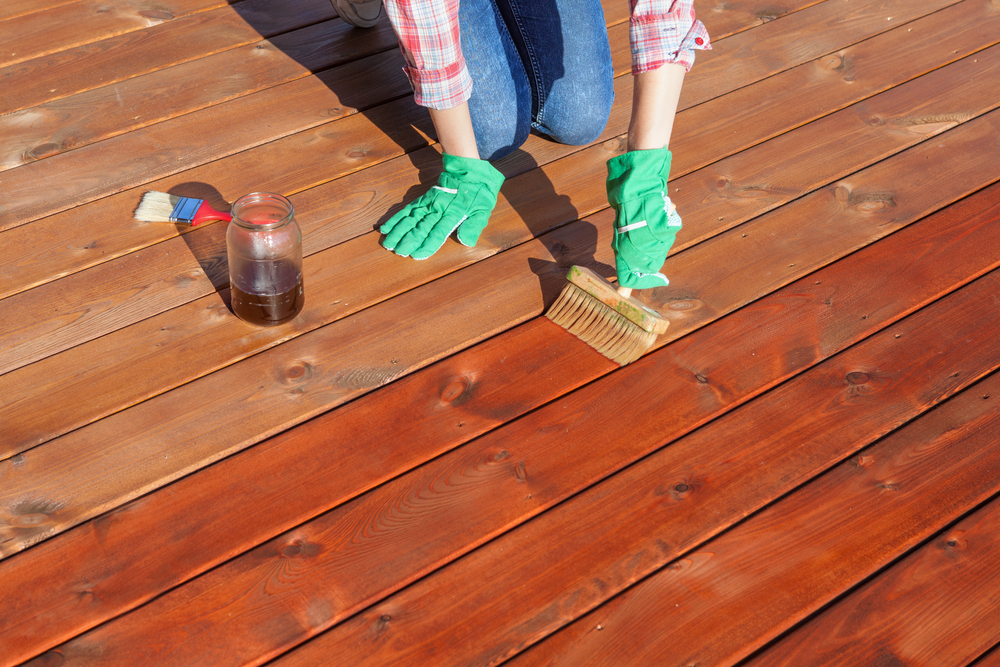
How to Protect Your Wood from Moisture
Waterproofing your wood is a smart way to protect it from moisture, keep it looking good, and help it last longer. Some woods, like Ipe, Cumaru, and Thermo Pine, naturally resist water, but others, especially softwoods and untreated wood, need extra care to stay in good condition.
Whether it’s a deck, kitchen countertop, or bathroom vanity, knowing when and where to waterproof makes a big difference. The right method, like an oil-based sealer, waterproofing stain, or epoxy coating, helps protect your wood based on its type and environment.
Taking care of your wood regularly, like cleaning and reapplying treatments when needed, keeps it strong and prevents problems like warping, rot, and mold. With the right products and a little maintenance, you can enjoy your wood surfaces for years.
Looking for the best way to waterproof your wood? We have high-quality products to help you do it right. Protect your wood today and keep it looking great for the long haul!
FAQs
Does All Wood Need Waterproofing?
Not always. Some types, like Ipe, Cumaru, and Thermo Pine, naturally resist moisture and can handle outdoor conditions without extra protection. But softwoods and untreated wood need waterproofing to help prevent warping, rot, and mold, especially in damp areas.
What’s The Best Way To Waterproof Wood?
It depends on how and where you’re using it. Oil-based sealers bring out the wood’s natural beauty while keeping moisture out. Waterproofing stains add color and protection, and epoxy coatings create a super-strong barrier for harsh conditions.
How Often Should I Reapply Waterproofing?
For outdoor wood like decks and fences, every one to two years is best. Wood in kitchens and bathrooms might need touch-ups every one to three years. Naturally resistant woods don’t need as much maintenance, but sealing them now and then helps.
Can I Waterproof Wood Myself, Or Do I Need A Pro?
You can definitely do it yourself. Just make sure to clean and sand the surface first, then follow the instructions on your waterproofing product for the best results.
What Happens If I Don’t Waterproof My Wood?
Unprotected wood soaks up moisture, which can cause swelling, warping, mold, and eventually rot. This is especially a problem for outdoor wood and wood in damp areas. Waterproofing helps keep it in good shape for longer.
Will Waterproofing Change How The Wood Looks?
It depends on what you use. Clear sealers keep the natural look, while stains add color. Some treatments might slightly darken the wood or give it a richer tone, so it’s a good idea to test a small spot first.
Can I Waterproof Painted Wood?
Yes, but you’ll need a clear water-repellent topcoat made for painted surfaces. Just make sure the paint is fully dry before applying it.
What’s The Difference Between Water-Resistant And Waterproof Treatments?
Water-resistant treatments help keep moisture out but won’t completely block it over time. Waterproof treatments create a stronger barrier that fully protects the wood.
How Do I Take Care Of Waterproofed Wood?
Keep it clean, don’t let water sit on it for too long, and reapply waterproofing when needed. If the wood is outdoors, using a UV-protective finish can help prevent fading from the sun.
What Waterproofing Products Do You Recommend?
We have a great selection of waterproofing options, including oil-based sealers, waterproofing stains, and epoxy coatings. Not sure which one you need? We’re happy to help you find the right fit.
We can mill customs sizes
Premium decking