

 Free Shipping
*Applies to Ipe & Cumaru short length orders from 3–5 ft. Minimum purchase of $2,500 required. U.S. mainland only. Other conditions may apply.



What is Thermally Treated Wood? A Simple Guide
Best Sellers

Posted on March 6, 2025 at 8:19 am
Table of Content
Wood is a popular material for building homes, furniture, and outdoor spaces, but regular wood can absorb moisture, bend, or attract pests like termites. To make wood last longer and stay strong, special treatments are used. What is thermally treated wood? It is wood that has been heated to a high temperature to improve its durability without using any harmful chemicals. This process makes the wood stronger, more stable, and resistant to moisture and insects, making it a great choice for many projects.
In this guide, you will learn what thermally treated wood is, why it is better than regular wood, and how you can use it in your home or outdoor spaces. If you are looking for a long-lasting, eco-friendly, and low-maintenance wood option, thermally treated wood could be the perfect solution!
About Thermally Treated Wood
Thermally treated wood is wood that has been heated to a very high temperature (between 180°C and 230°C) in a special oven. This process changes the inside of the wood, making it:
- More durable – It lasts much longer than untreated wood.
- Moisture-resistant – It won’t absorb water easily, which prevents swelling or shrinking.
- Pest-resistant – Termites and fungi don’t like it because it has no food for them.
- Eco-friendly – No harmful chemicals are used, making it safe for people and the environment.
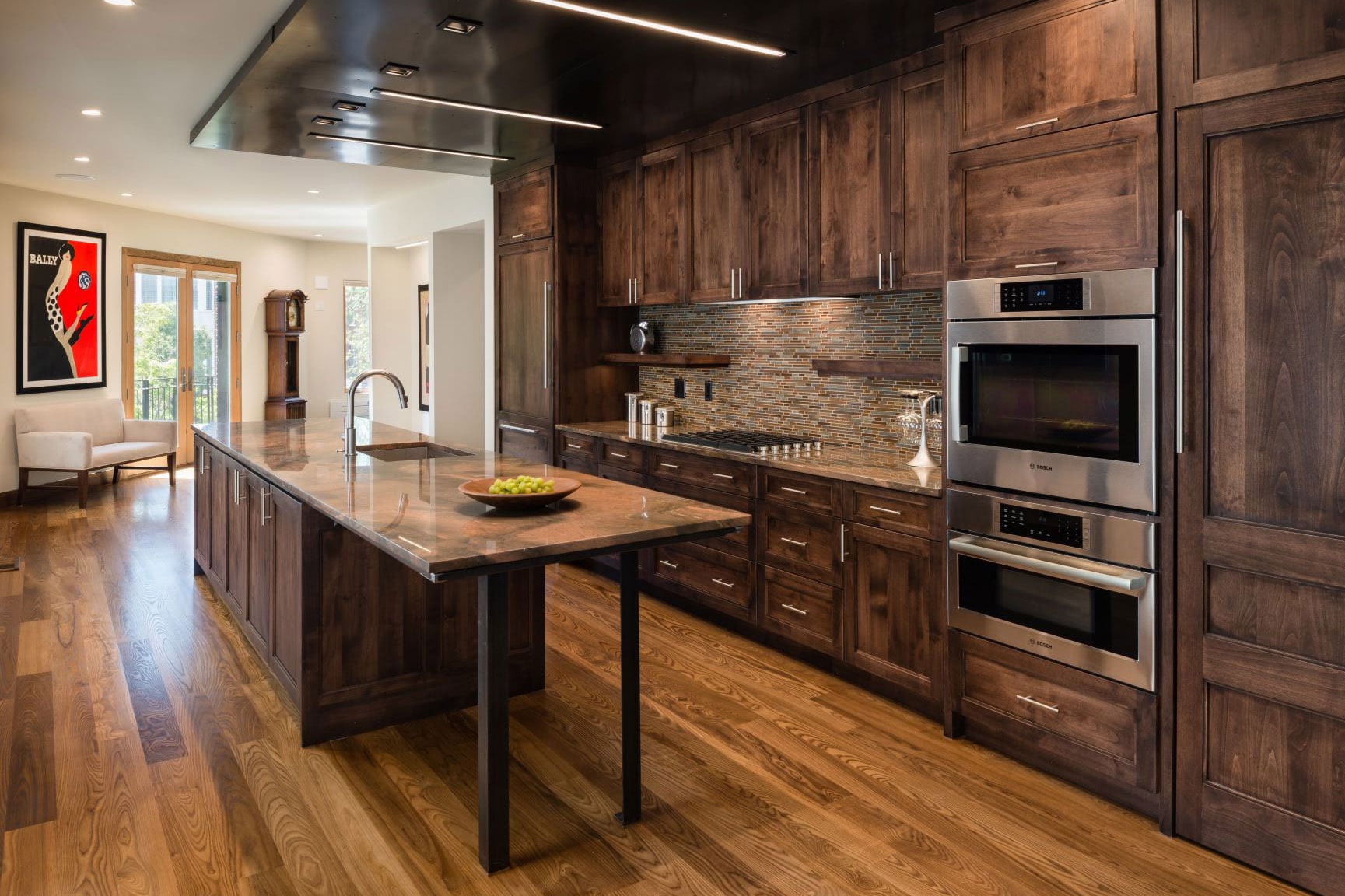
- Beautiful and rich in color – The heat naturally darkens the wood, giving it a premium look.
This treatment is completely natural, only heat and steam are used, so it’s much safer than pressure-treated wood, which contains chemicals.
How is Thermally Treated Wood Made?
The wood goes through three main steps during the thermal treatment process:
- Drying – The wood is placed in an oven, and moisture is slowly removed.
- Heating – The temperature is increased to a high level, which removes sugars and nutrients inside the wood (the things that attract termites and fungi).
- Cooling – The wood is slowly cooled and rehydrated with steam to make sure it doesn’t become too dry or brittle.
At the end of this process, the wood is stronger, more stable, and resistant to pests and moisture.
Where Can You Use Thermally Treated Wood?
Because its strong, moisture-resistant, and beautiful, thermally treated wood is great for many projects, including:
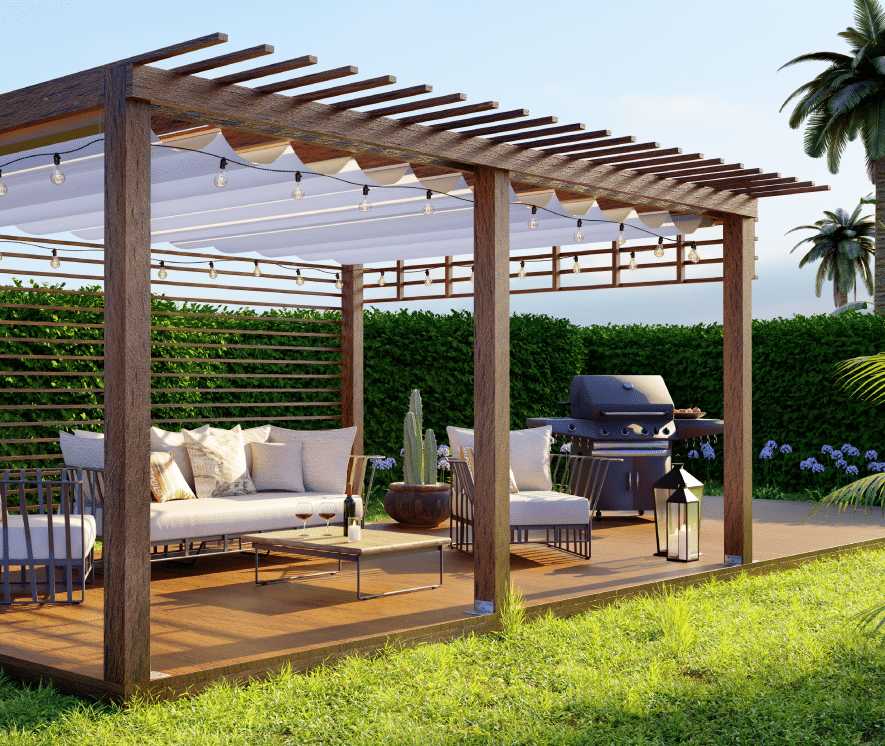
- Decking & Outdoor Flooring – Perfect for patios, terraces, and garden paths.
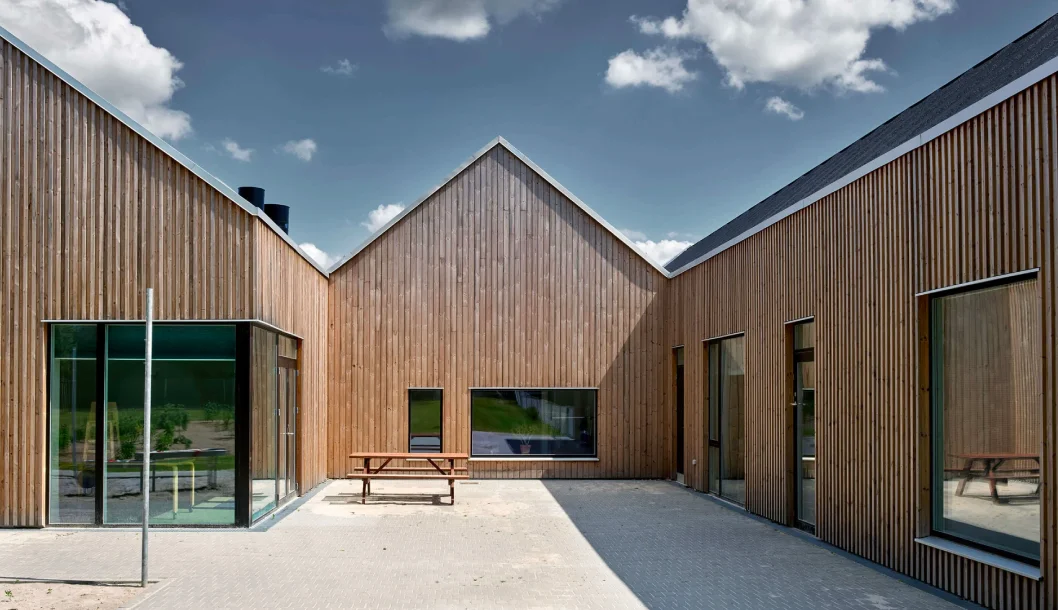
- House Siding & Cladding – Gives a modern, natural look to homes and buildings.
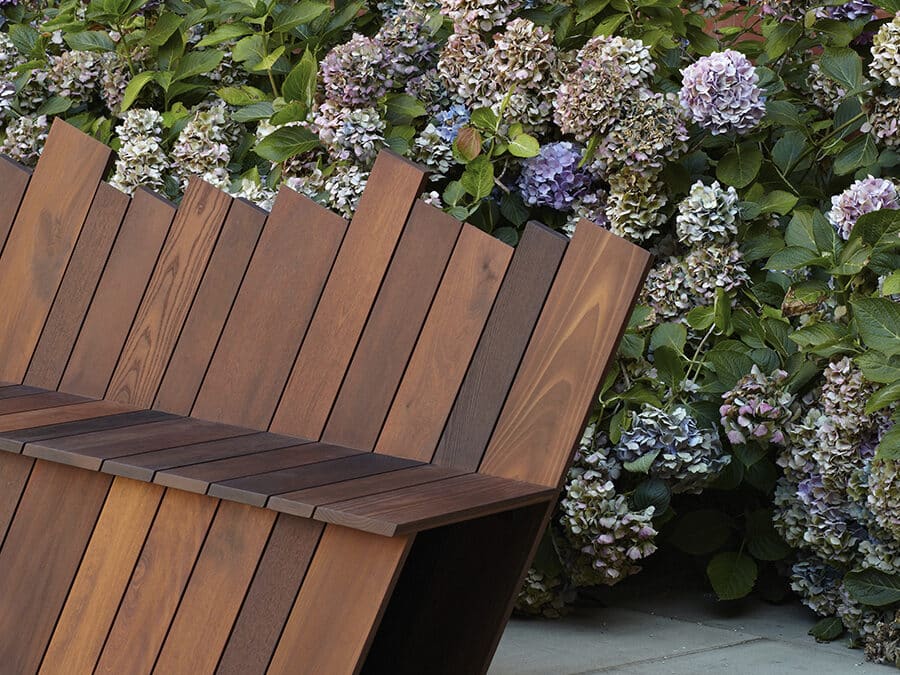
- Furniture – Can be used indoors and outdoors for long-lasting furniture.
- Doors & Windows – Resists temperature changes without bending.
- Saunas & Bathrooms – Can handle high humidity without damage.
Key Benefits Of Thermally Treated Wood
1. Lasts Longer
Regular wood can rot, crack, or get eaten by termites over time. Thermally treated wood resists decay, pests, and damage, making it last much longer.
2. Stays in Shape
Wood normally expands and contracts when the weather changes, causing warping and cracks. Thermally treated wood doesn’t absorb as much moisture, so it keeps its shape better.
3. Safe from Termites
Termites love eating wood that contains natural sugars and moisture. Since the heat treatment removes these, termites won’t find thermally treated wood appealing.
4. Chemical-Free & Safe
Unlike pressure-treated wood, which uses chemical preservatives, thermally treated wood is completely natural. It’s safe for homes, gardens, and the environment.
5. Looks Great
The heat treatment gives the wood a rich, dark color, making it look high-end without the need for stains or dyes.
6. Easy to Maintain
Thermally treated wood requires little upkeep, no need to seal or treat it regularly like other woods.
Pros and Cons of Thermally Treated Wood
| Feature | Pros | Cons |
| Durability | Lasts much longer than untreated wood | Can become brittle, not ideal for heavy structures |
| Moisture Resistance | Absorbs less water, reducing swelling and warping | Not completely waterproof, may need proper drainage |
| Termite & Pest Resistance | Naturally resists termites and fungi | No major drawbacks in this area |
| Eco-Friendliness | No chemicals used, safe for homes and the environment | Limited availability in some regions |
| Maintenance | Requires little upkeep, no sealing or staining needed | Color fades over time without UV protection |
| Appearance | Rich, darkened wood tones, no need for stains | May turn gray if exposed to sunlight for long periods |
| Cost | Saves money in the long run due to durability | Higher upfront cost compared to untreated wood |
Thermally Treated Wood vs. Pressure-Treated Wood
Many people compare thermally treated wood to pressure-treated wood, but they are very different.
| Feature | Thermally Treated Wood | Pressure-Treated Wood |
| How It’s Made | Heated to remove moisture and sugars | Soaked in chemicals to resist pests |
| Pest Resistance | Naturally resists termites | Chemicals prevent pest attacks |
| Eco-Friendliness | 100% natural, no chemicals | Contains artificial preservatives |
| Moisture Resistance | Excellent – Doesn’t absorb water easily | Needs sealing to prevent rot |
| Looks | Naturally rich, dark color | Greenish tint from chemicals |
| Maintenance | Very little needed | Needs sealing and upkeep |
| Cost | Higher upfront but saves money in the long run | Cheaper but requires regular maintenance |
Thermally Treated Wood Options Available on Brazilian Lumber
There are several types of thermally treated wood, each offering unique characteristics and benefits. The three most commonly available options are:
- Thermo Ash – A dense and durable hardwood with a rich, dark color. It is highly resistant to moisture and pests, making it an excellent choice for decking, cladding, and outdoor furniture.
- Thermo Pine – A lightweight and cost-effective softwood that retains its strength after thermal treatment. It is commonly used for fences, siding, and exterior structures due to its stability and resistance to decay.
- Thermo Poplar – A smooth-textured wood known for its uniform appearance and enhanced durability. It is well-suited for interior and exterior applications, including paneling, furniture, and decorative elements.
Thermally Treated Wood Alternatives
For those looking for the best combination of durability, beauty, and natural termite resistance, exotic hardwoods are an excellent alternative to both thermally treated and pressure-treated wood.
1. Cumaru (Brazilian Teak)
- Extremely dense and naturally termite-resistant
- High durability with a beautiful golden-brown hue
- Ideal for outdoor decking and high-traffic areas
2. Tigerwood
- Distinctive grain pattern with a striking color contrast
- Naturally rich in oils that repel insects
- Great for high-end exterior projects
3. Ipe (Brazilian Walnut)
- One of the hardest, longest-lasting woods
- Naturally repels termites, mold, and fungi
- Lasts over 40 years with minimal maintenance
While these hardwoods are more expensive than thermally or pressure-treated wood, they offer unmatched longevity and natural resistance to pests, making them a worthwhile investment for luxury projects.
Which Wood Should You Choose?
When selecting wood for your project, consider the following:
Eco-Friendly & Sustainable? → Choose Thermally Treated Wood or Naturally Resistant Hardwoods.
Long-Lasting & Low Maintenance? → Thermally Treated Wood resists warping and decay without ongoing treatments.
Budget-Friendly? → Pressure-Treated Wood is the most affordable option but requires regular maintenance.
Aesthetic Appeal? → Thermally Treated Wood has a luxurious, rich color, while Ipe and Cumaru provide a natural, high-end finish.
Need Maximum Termite Resistance? → Ipe and Cumaru are the most resistant, followed by Thermally Treated Wood and Pressure-Treated Wood.
Final Thoughts
Thermally treated wood is one of the best choices for long-lasting, natural, and eco-friendly construction. Unlike regular or pressure-treated wood, it resists termites, moisture, and decay without any harmful chemicals. It looks great, lasts for years, and requires almost no upkeep, making it an excellent investment for homes, outdoor spaces, and furniture.
Choosing thermally treated wood, you’re not just getting a strong material, you’re making a smart and sustainable choice for the future!
FAQs
1. Can You Paint Thermally Treated Wood?
Yes, you can paint thermally treated wood, but it is not always necessary. Because the heat treatment gives the wood a rich, natural color, many people prefer to leave it untreated. If you do choose to paint it, use high-quality, breathable exterior paint and apply a primer to ensure proper adhesion.
2. Do I Have To Treat A Thermally Treated Wood Deck?
No, thermally treated wood does not require additional treatment like sealing or staining. It naturally resists rot, moisture, and pests. However, if you want to preserve its original color, you can apply UV-protective oil to prevent fading over time.
3. Is Thermally Treated Wood Waterproof?
While thermally treated wood is highly resistant to moisture, it is not completely waterproof. The treatment reduces the wood’s ability to absorb water, making it more stable and less likely to warp, but proper installation and drainage are still important for outdoor use.
4. How Long Does Thermally Treated Wood Last?
Thermally treated wood can last 25-30 years or more, depending on the wood species and environmental conditions. Because it resists rot, termites, and fungal decay, it has a much longer lifespan than untreated wood.
5. Is Thermally Treated Wood Safe For Indoor Use?
Yes! Thermally treated wood is completely safe for indoor use since it contains no toxic chemicals. It is ideal for flooring, furniture, paneling, and even saunas due to its enhanced stability and durability.
6. Does Thermally Treated Wood Fade Over Time?
Yes, like all wood, thermally treated wood can fade when exposed to direct sunlight. Over time, it may turn a grayish-silver color. To maintain its rich, original color, you can apply a UV-protective finish or oil periodically.
7. Can Thermally Treated Wood Be Used For Structural Applications?
Thermally treated wood is strong and durable, but it may not be suitable for heavy structural applications like beams or load-bearing walls. The heat treatment process can make some wood types more brittle, so it’s best used for decking, cladding, siding, and furniture rather than major construction.
8. How Does Thermally Treated Wood Compare To Pressure-Treated Wood?
- Thermally treated wood is modified with heat and steam and contains no chemicals, making it eco-friendly and safe.
- Pressure-treated wood is treated with chemical preservatives to prevent rot and insect damage, but it requires ongoing maintenance and may not be as environmentally friendly.
9. Can I Use Thermally Treated Wood In Wet Or Humid Climates?
Yes! Thermally treated wood performs well in humid and wet climates because it absorbs significantly less moisture than untreated wood. This makes it ideal for outdoor decks, saunas, and coastal areas where regular wood might warp or decay.
We can mill customs sizes
Premium decking