

 Free Shipping
*Applies to Ipe & Cumaru short length orders from 3–5 ft. Minimum purchase of $2,500 required. U.S. mainland only. Other conditions may apply.



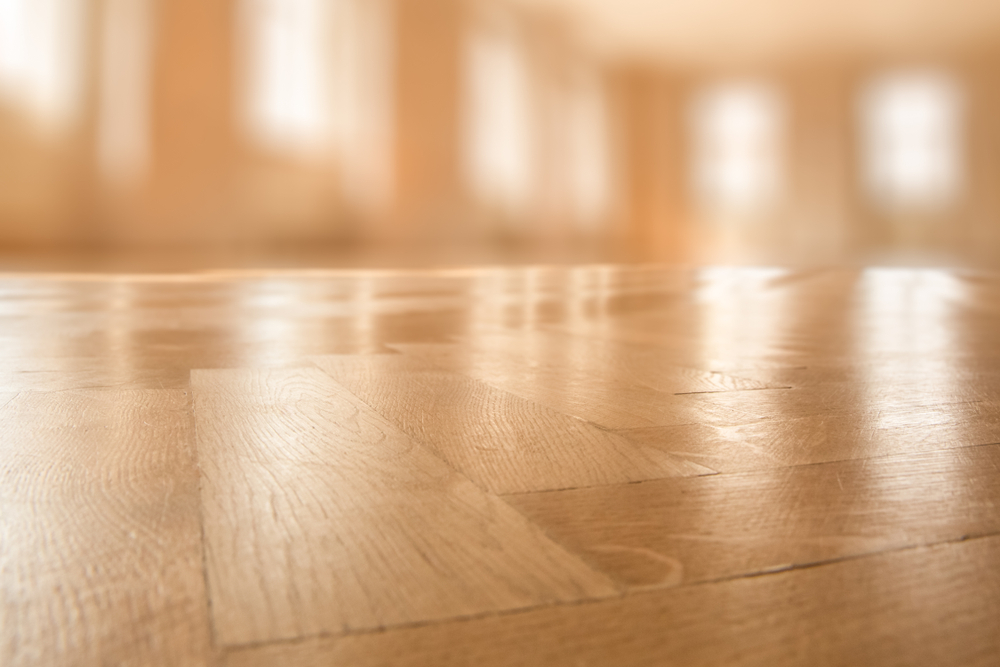
How To Seal Hardwood Floors
Best Sellers

Posted on May 21, 2024 at 11:06 am
Table of Content
Sealing hardwood floors is a crucial step in maintaining the natural beauty and durability of your wood flooring. Whether you’re dealing with the rich tones of Brazilian teak or the classic look of mahogany, sealing your floors can protect them from damage and extend their life. In this blog, we’ll guide you through the process of how to seal hardwood floors, provide tips for maintaining them, and answer some frequently asked questions.
Why Seal Hardwood Floors?
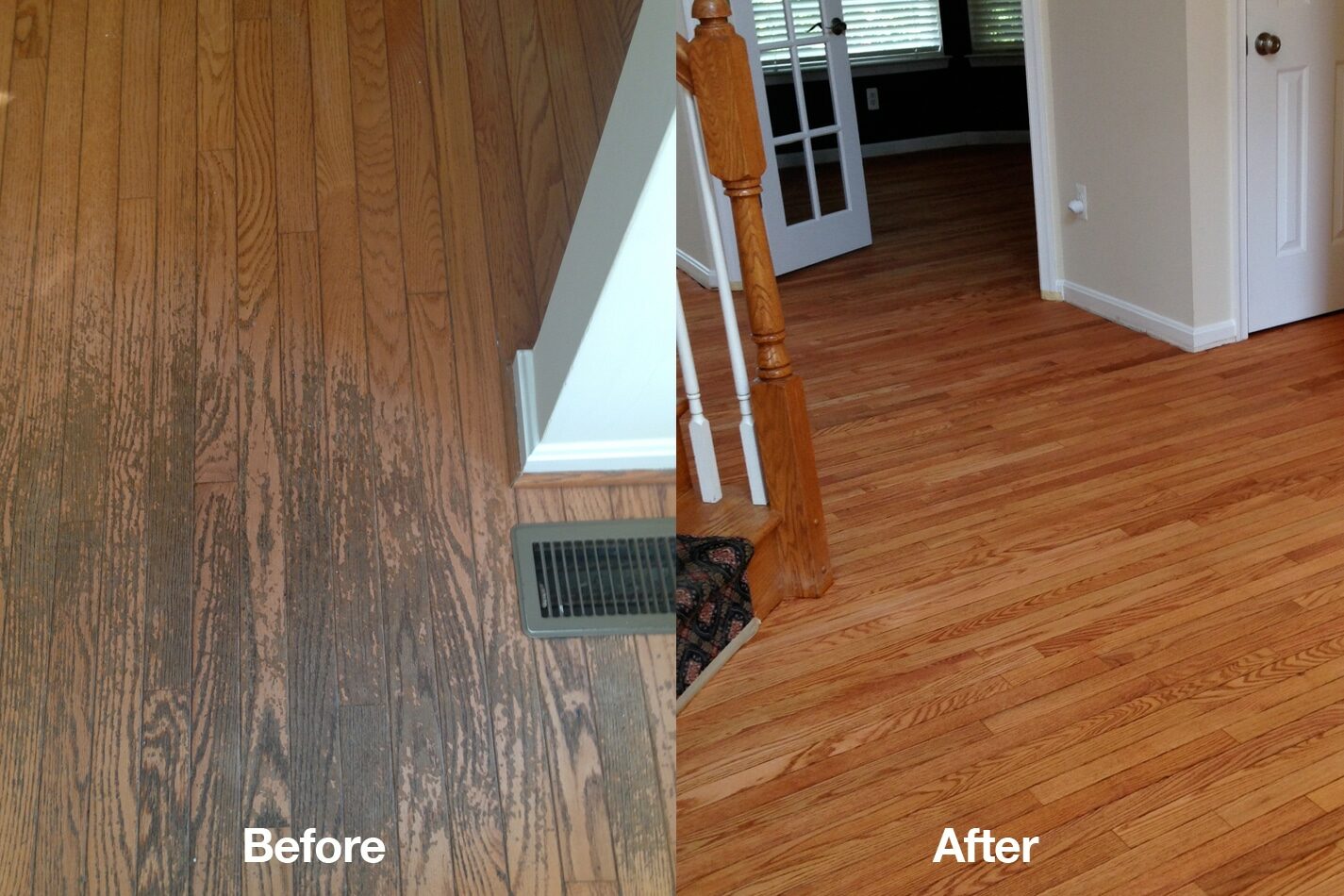
Before diving into the how-to, it’s important to understand why sealing your hardwood floors is beneficial. A good sealant protects the wood from moisture, dirt, and wear, creating a barrier that can help prevent scratches and stains. This is especially important in high-traffic areas or in homes with pets and children.
Materials Needed
- Sandpaper or a sanding machine
- Vacuum cleaner
- Tack cloth or a slightly damp mop
- Wood sealant (water-based or oil-based depending on preference)
- Paintbrush or roller
- Protective gear (gloves, mask, goggles)
How To Seal Hardwood Floors in 5 Steps
Step 1: Prepare the Area
Start by removing all furniture and rugs from the room. You’ll need a clean, empty space to work efficiently. Ensure that the floor is free of any nails or sharp objects that might damage your sanding tools.
Step 2: Sand the Floor
Using sandpaper or a sanding machine, sand the entire floor to remove the old finish and smooth out imperfections. Start with a coarse-grit sandpaper and gradually move to a finer grit to achieve a smooth surface. Always sand in the direction of the wood grain to avoid scratches.
Step 3: Clean the Floor
After sanding, thoroughly vacuum the floor to remove all dust and debris. Follow up with a tack cloth or a slightly damp mop to pick up any remaining dust. It’s crucial that the floor is completely clean before applying the sealant.
Step 4: Apply the Sealant
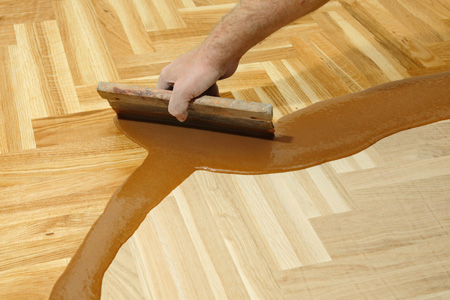
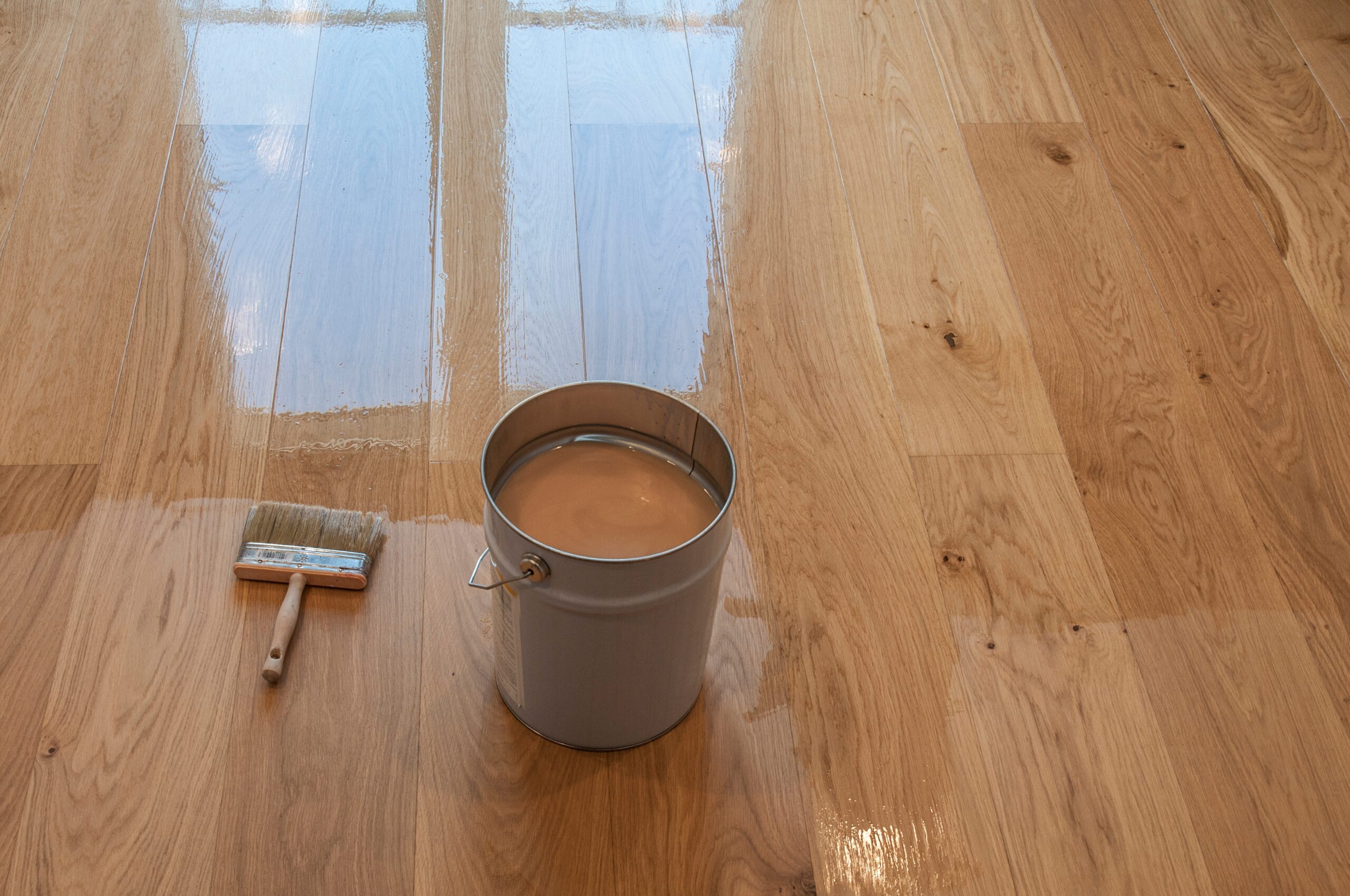
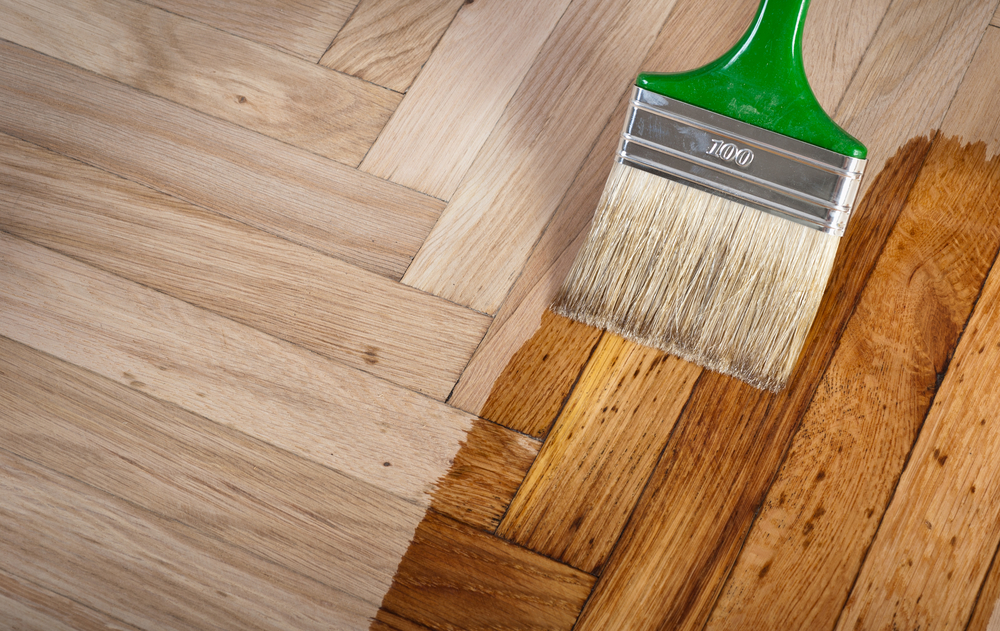
Apply a thin, even coat of sealant using a paintbrush or roller. Work in small sections and always follow the manufacturer’s instructions for the best results. If using a water-based sealant, you might notice a milder odor and quicker drying time compared to oil-based sealants.
Step 5: Allow to Dry
Allow the sealant to dry according to the manufacturer’s recommendations. Avoid walking on the floor during this time. Depending on the type of sealant used, this could take anywhere from a few hours to a full day.
Step 6: Apply Additional Coats (Optional)
For extra protection, consider applying a second or even third coat of sealant. This is particularly beneficial in high-traffic areas or in homes with pets. Always allow each coat to dry completely before applying the next.
Types of Hardwood Floor Sealants: Which Should You Choose?
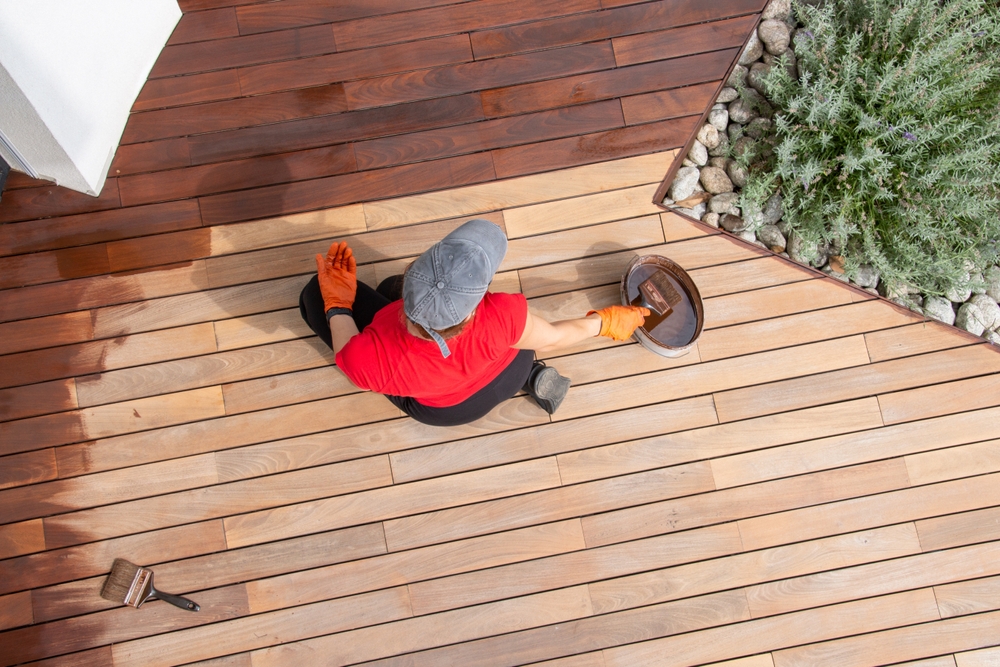
When it comes to sealing hardwood floors, the choice of sealant can significantly impact both the appearance and durability of your floors. Here’s a comprehensive look at the options available and factors to consider, helping you make the best choice for your home:
Water-Based Polyurethane
Pros: Water-based polyurethanes are popular due to their low odor and quick drying times. They remain clear over time, which helps maintain the wood’s natural color. They also tend to have a lower VOC (Volatile Organic Compounds) content, making them more environmentally friendly.
Cons: Although durable, they can be less resistant to heat and solvents compared to oil-based polyurethanes.
Oil-Based Polyurethane
Pros: Oil-based polyurethanes are highly durable and provide a rich, glossy finish that many homeowners love. They are better at resisting water and other chemicals than water-based options.
Cons: They tend to yellow over time, which can alter the color appearance of the wood. They also have a stronger odor and longer drying times, and higher VOCs.
Hardwax Oil
Pros: Hardwax oils penetrate deep into the wood, enhancing its color and providing a natural, matte finish. They are easy to repair and spot-treat if damaged.
Cons: They generally require more frequent maintenance and reapplication than polyurethanes. They may also offer less protection against spills.
Choosing the Right Sealant for Your Home
When deciding which type of sealant to use, consider the following factors:
- Traffic and Usage: High-traffic areas, such as hallways and living rooms, might benefit from the durability of oil-based polyurethane.
- Aesthetic Preferences: If maintaining the natural color of the wood is important, water-based polyurethane or hardwax oil could be ideal. For a richer, more amber tone, consider oil-based polyurethane or shellac.
- Environmental Concerns: For those sensitive to chemicals and odors, water-based polyurethanes or hardwax oils with low VOCs are advisable.
- Maintenance Willingness: If you prefer a finish that is easier to maintain and repair, hardwax oil might be the best choice. For a more ‘set it and forget it’ approach, polyurethanes offer longer-lasting protection with less frequent maintenance.
Tips for Maintaining Sealed Hardwood Floors
- Regularly sweep or vacuum to remove dirt and grit that can scratch the floor.
- Place mats at entrances to catch dirt as people enter.
- Use furniture pads under legs to prevent scratches.
- Wipe up spills immediately to prevent water damage.
- Avoid using harsh cleaners that can strip the sealant.
FAQs
How often should hardwood floors be sealed?
Hardwood floors should typically be sealed every 3-5 years, depending on traffic and wear.
Can I seal my hardwood floors myself?
Yes, sealing hardwood floors can be a DIY project if you follow the proper steps and take precautions.
What is the best type of sealant for hardwood floors?
The choice between water-based and oil-based sealants depends on your preference for drying time, odor, and finish. Water-based sealants dry faster and have less odor, while oil-based sealants tend to provide a richer finish.
How long does it take to seal hardwood floors?
The process can take a couple of days, including preparation, application, and drying times.
Conclusion
Sealing your hardwood floors is not just about enhancing their appearance; it’s about protecting your investment. By following these steps, you can ensure that your floors remain beautiful and durable for years to come.
As experts in hardwoods, we offer not only high-quality flooring solutions but also all the hardwood maintenance supplies you might need. From top-tier sealers and oils to effective cleaners and more, we have everything required to keep your hardwood floors in pristine condition. Contact Brazilian Lumber today to ensure your floors receive the best care possible with products trusted by professionals.
We can mill customs sizes
Premium decking