

 Free Shipping
*Applies to Ipe & Cumaru short length orders from 3–5 ft. Minimum purchase of $2,500 required. U.S. mainland only. Other conditions may apply.



4 Popular Types of Fencing Materials – A Complete Guide For Homeowners
Best Sellers
Posted on May 27, 2025 at 9:12 am
Table of Content
Choosing the right fence for your home involves much more than simply selecting a barrier around your property. A fence influences your home’s security, privacy, aesthetics, and even its resale value. With so many fencing materials on the market today, homeowners can quickly feel overwhelmed.
This guide simplifies your choice, exploring different types of fencing materials. By the end, you’ll know exactly which material best suits your needs.
Key Factors to Consider When Choosing a Fence
Before you dive into different materials, it’s essential to clarify your fencing goals:
- Privacy: Do you want complete seclusion or a more open feel?
- Durability: How important is longevity in your fencing investment?
- Maintenance: How much upkeep are you willing to manage?
- Aesthetics: What style complements your home and landscaping?
Popular Types of Fencing Materials
Let’s start by examining the most common types of fencing materials available, highlighting their strengths and drawbacks.
1. Wood Fencing
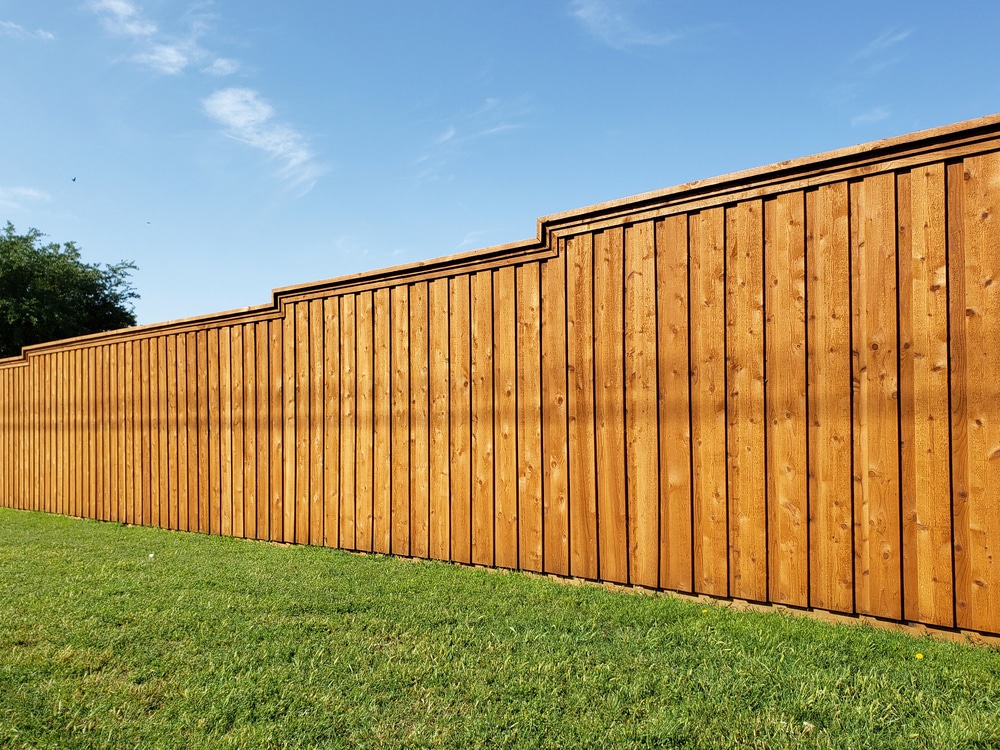
Wood fences are a classic choice, renowned for their natural beauty and versatility. Popular types include cedar, pine, and redwood. Wood fences offer excellent privacy and blend seamlessly with most home styles. However, wood requires regular maintenance, including staining and treating to prevent rot and insect damage.
Premium Hardwood Fencing: Ipe and Cumaru
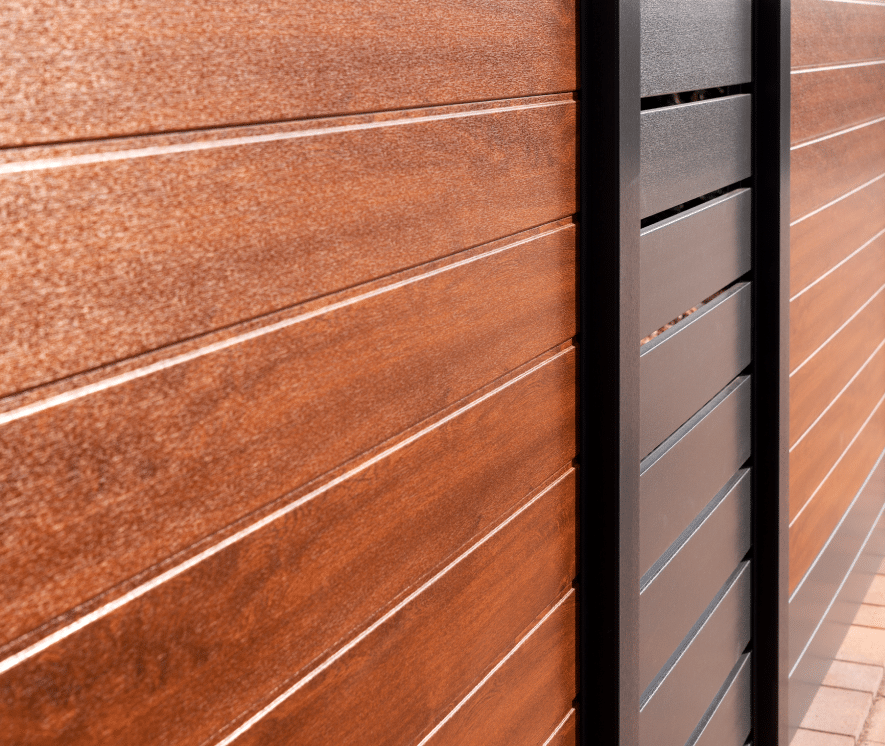
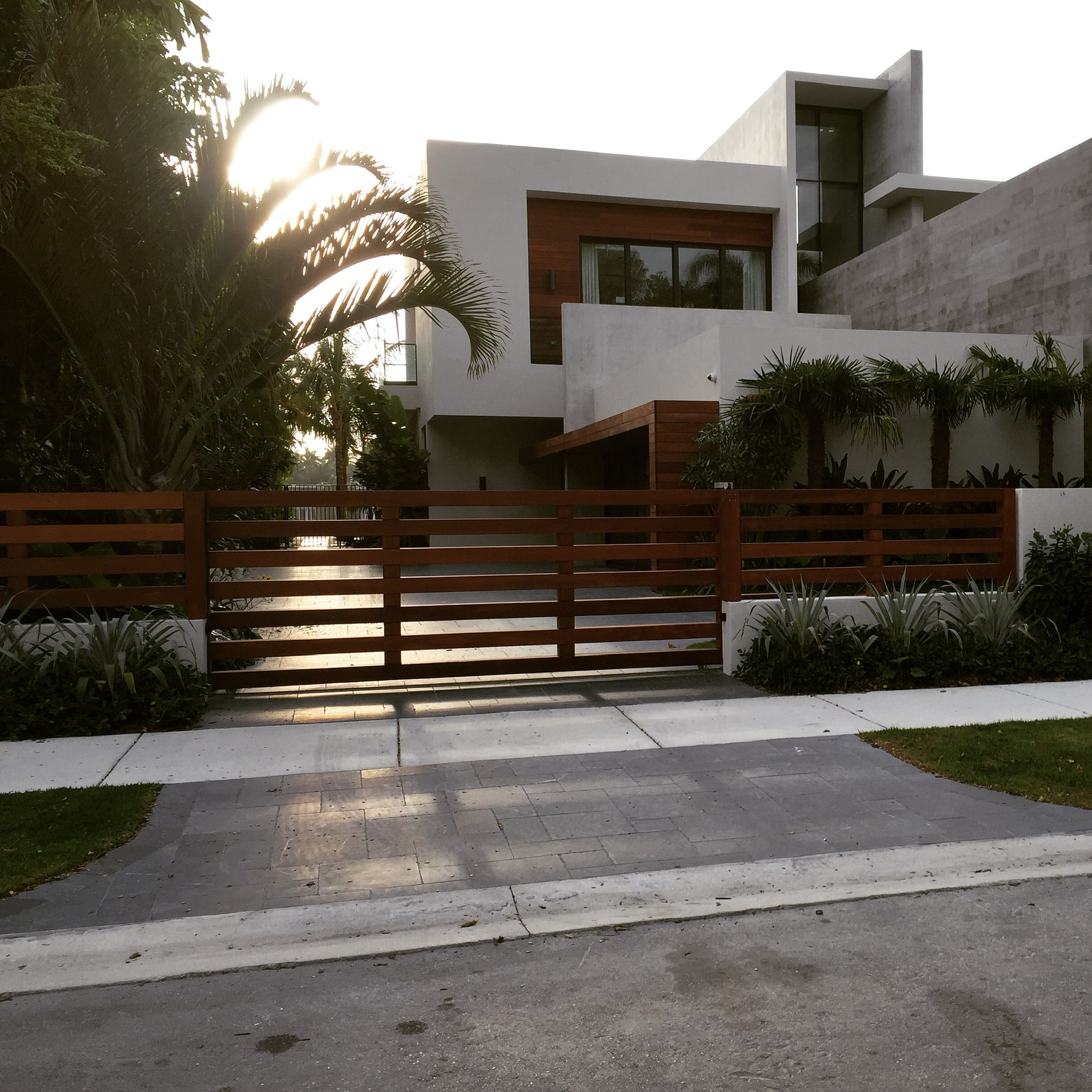
Beyond common wood fencing materials, many homeowners are now opting for premium tropical hardwoods like Ipe and Cumaru, especially those looking for upscale, long-lasting fence solutions. Unlike traditional fencing built with pressure-treated pine or prefabricated commercial panels often found at big-box retailers such as Home Depot, Ipe and Cumaru offer exceptional durability and aesthetics.
These tropical hardwoods are naturally resistant to rot, insects, and harsh weather, making them ideal for fences that combine beauty with low maintenance. At Brazilian Lumber, we provide hardwood timbers such as:
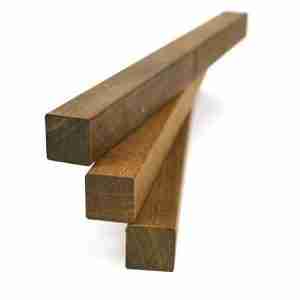
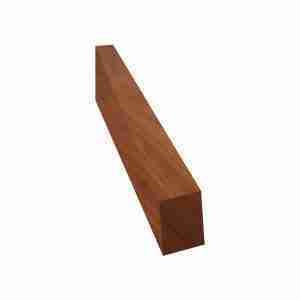
- 4×4 and 6×6 posts – serving as strong, structural supports
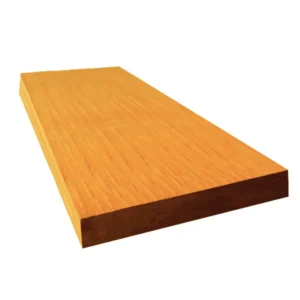
- 1×6 boards or 2×2 balusters – perfect for slatted or privacy panels, depending on the fence design
This selection allows for highly customized, architecturally appealing fences built to last for decades. Choosing Ipe or Cumaru represents a significant upgrade for customers seeking premium, permanent fencing solutions that stand apart from common pressure-treated or pre-assembled commercial options.
Pros:
- Superior durability and longevity
- Natural resistance to rot, insects, and weather
- Rich, luxurious appearance
- Minimal maintenance compared to standard wood
Cons:
- Higher upfront cost
- Requires skilled installation for best results
Why Premium Hardwood Fencing?
Traditional fencing commonly uses pressure-treated pine or pre-assembled commercial panels that are widely available at big-box retailers. While these options may be budget-friendly initially, they tend to have limited lifespans and can warp, splinter, or discolor over time due to exposure to the elements.
In contrast, premium hardwoods like Ipe and Cumaru provide:
- Exceptional longevity often exceeding several decades
- Superior resistance to rot, insect damage, and weathering
- A natural beauty that enhances your property’s curb appeal
Choosing hardwood fencing is an investment in quality, durability, and lasting aesthetics, far surpassing the performance of typical commercial fencing options.
2. Vinyl Fencing
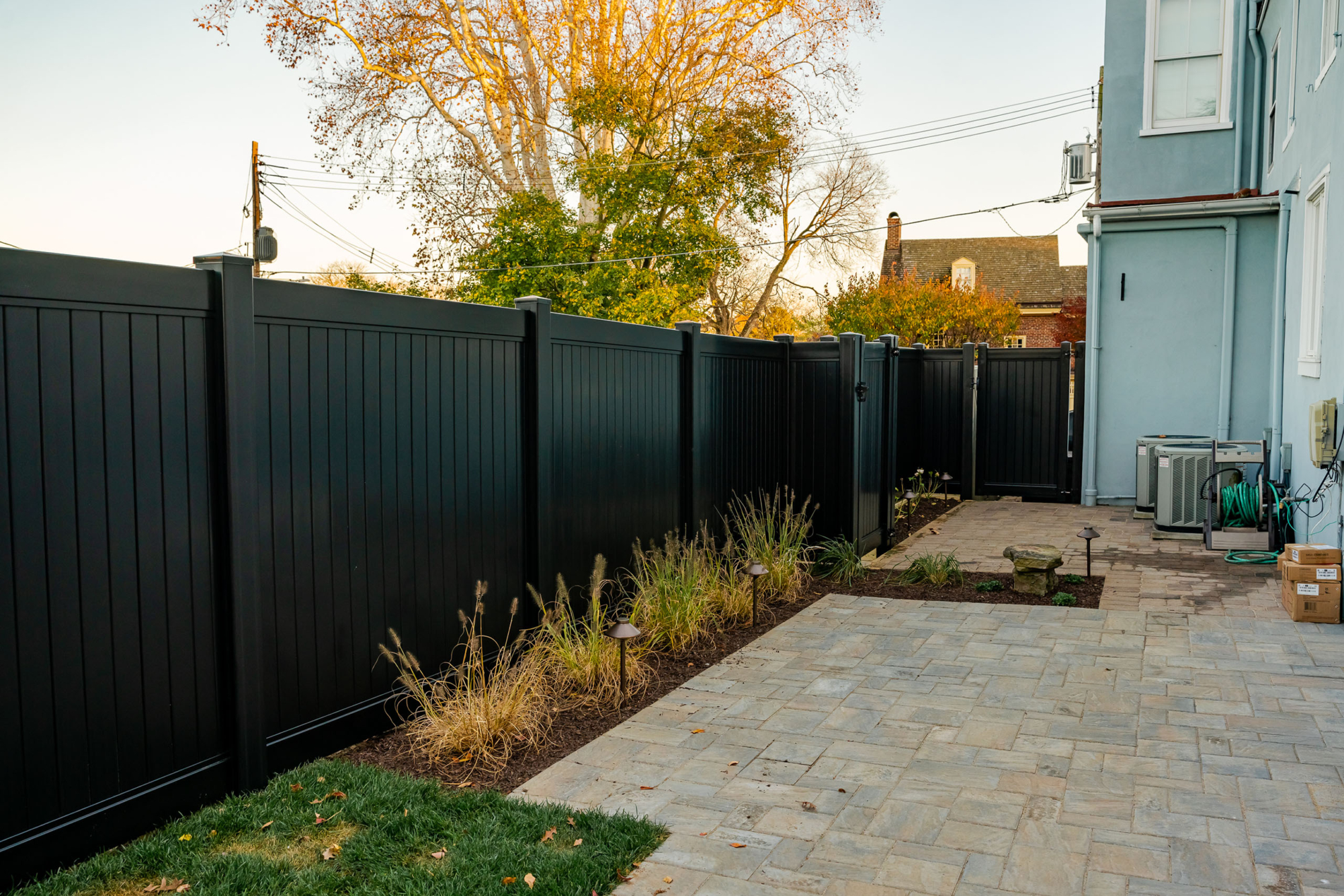
Vinyl fencing is known for its durability and low maintenance. It mimics wood and is available in multiple styles and colors. Vinyl fences won’t rot or fade, making them ideal for homeowners who prefer minimal upkeep.
Pros:
- Virtually maintenance-free
- Durable and resistant to weather
- Long lifespan
Cons:
- Limited color options
- Higher initial cost than wood
3. Metal Fencing (Aluminum and Steel)
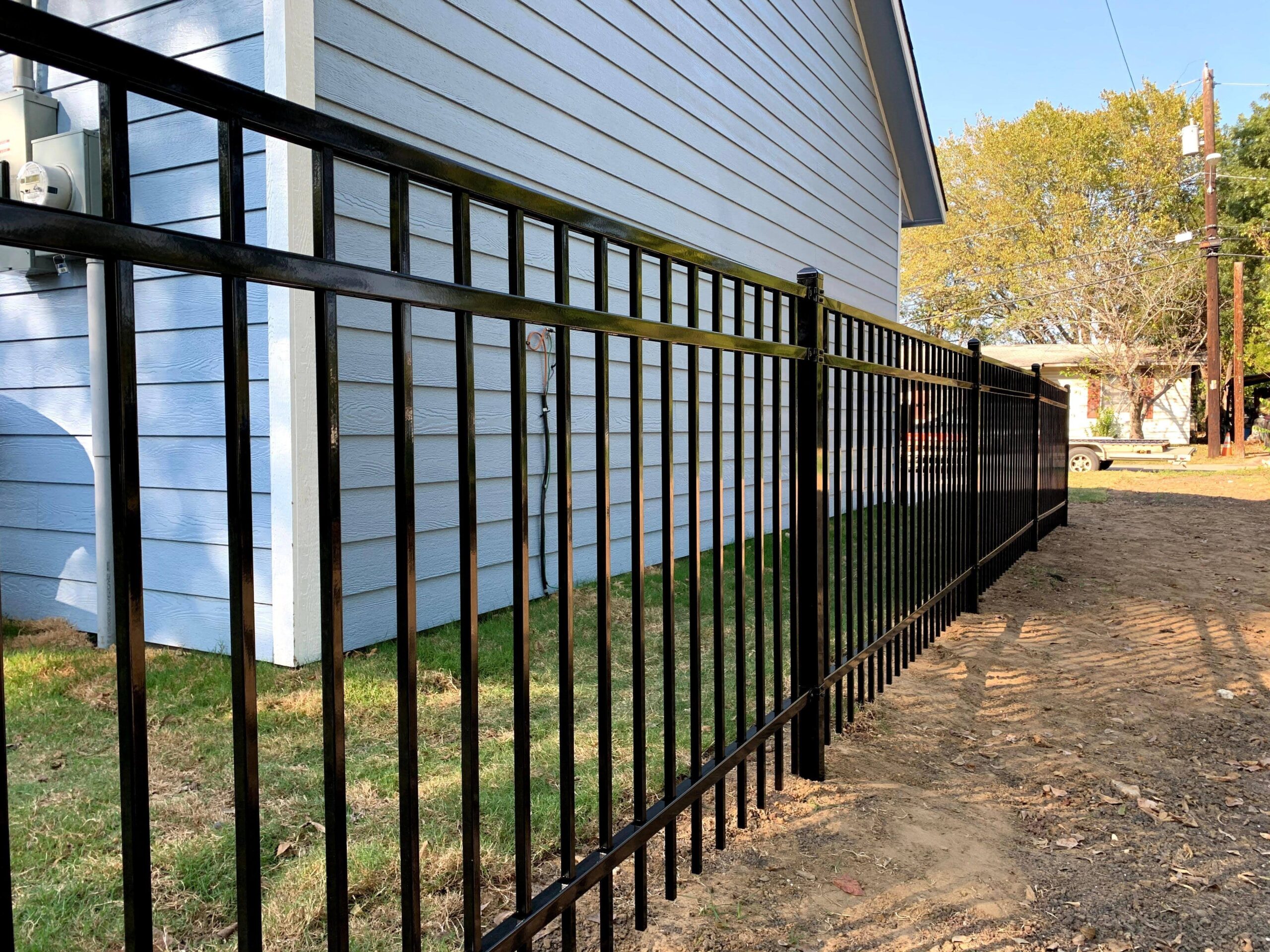
Metal fences are excellent for those prioritizing strength, security, and decorative appeal. Aluminum fencing is rust-resistant, lightweight, and ideal for ornate designs. Steel fencing, while stronger, requires maintenance to prevent rust.
Pros:
- Strong and secure
- Elegant appearance
- Low maintenance (aluminum)
Cons:
- Steel fencing may rust without maintenance
- Higher upfront investment
4. Composite Fencing
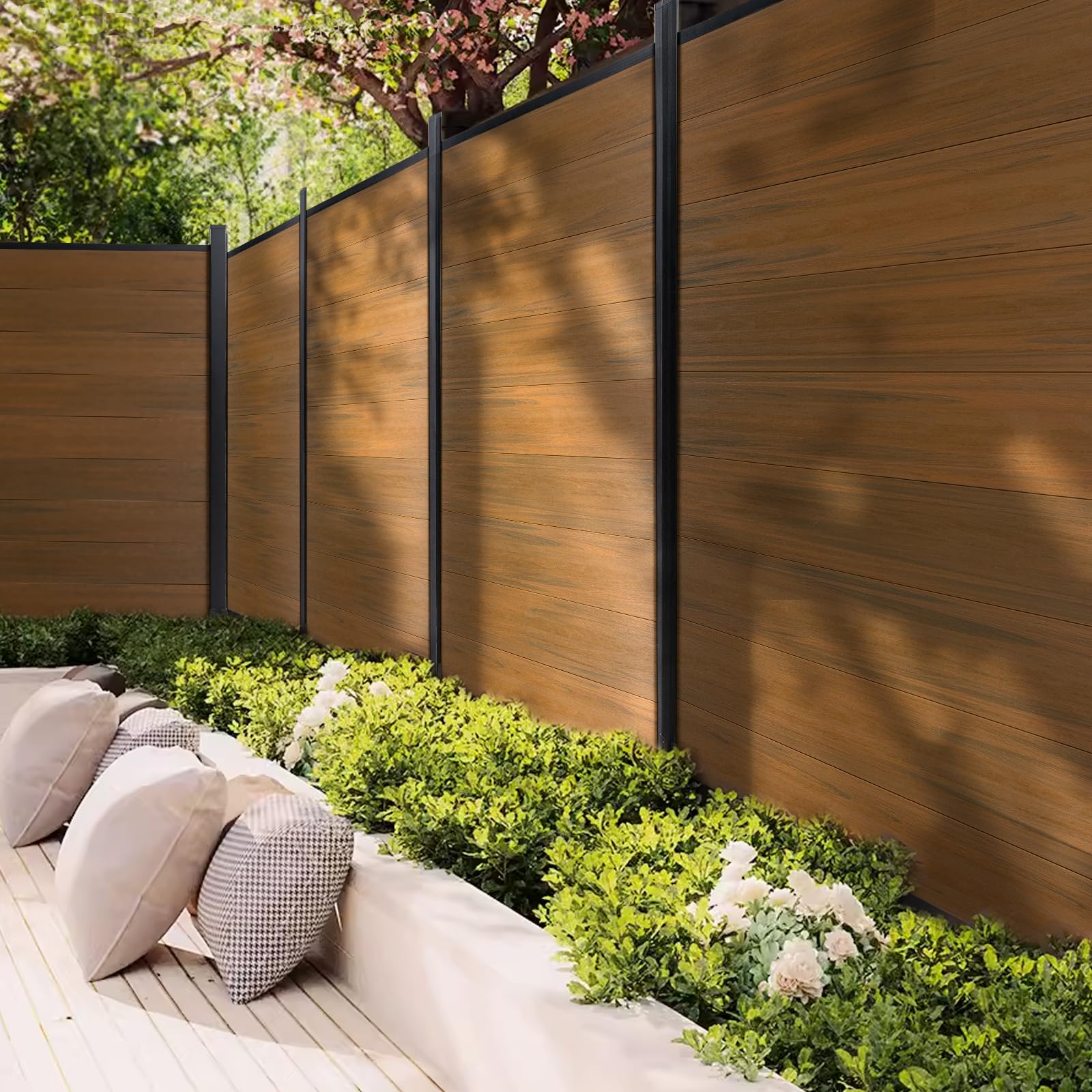
Composite fencing combines wood fibers and plastic to create durable, low-maintenance fencing. It replicates the appearance of wood without its weaknesses, making composite fencing increasingly popular among homeowners.
Pros:
- Eco-friendly and durable
- Minimal upkeep
- Resistant to weather and pests
Cons:
- Higher upfront cost
- Limited styles compared to wood
Spotlight on Deckotech’s Collections: Terra and Prestige
Among composite fencing, Deckotech’s Terra and Prestige collections stand out. Both are engineered specifically for privacy, aesthetics, and durability, providing unique advantages to homeowners.
Deckotech Terra Collection: Natural Beauty, Superior Durability
Deckotech’s Terra collection offers homeowners the classic elegance of wood with the modern benefits of composite materials. This collection mimics authentic wood grain, creating an inviting, rustic appearance ideal for homes wanting a natural yet sophisticated aesthetic.
Why Choose Terra?
- Privacy and Security: The design features closely fitted panels providing complete privacy from neighbors or street views.
- Weather Resistance: Terra fencing withstands harsh weather conditions without warping, cracking, or discoloration.
- Low Maintenance: Unlike traditional wood, Terra fences don’t require staining, painting, or frequent cleaning.
- Eco-Friendly: Made from sustainable materials, it’s ideal for environmentally conscious homeowners.
Terra fencing suits those who love wood’s natural appearance but want to avoid its maintenance hassles. It seamlessly complements traditional, rustic, or country-style homes.
Deckotech Prestige Collection: Modern Elegance and Robust Durability
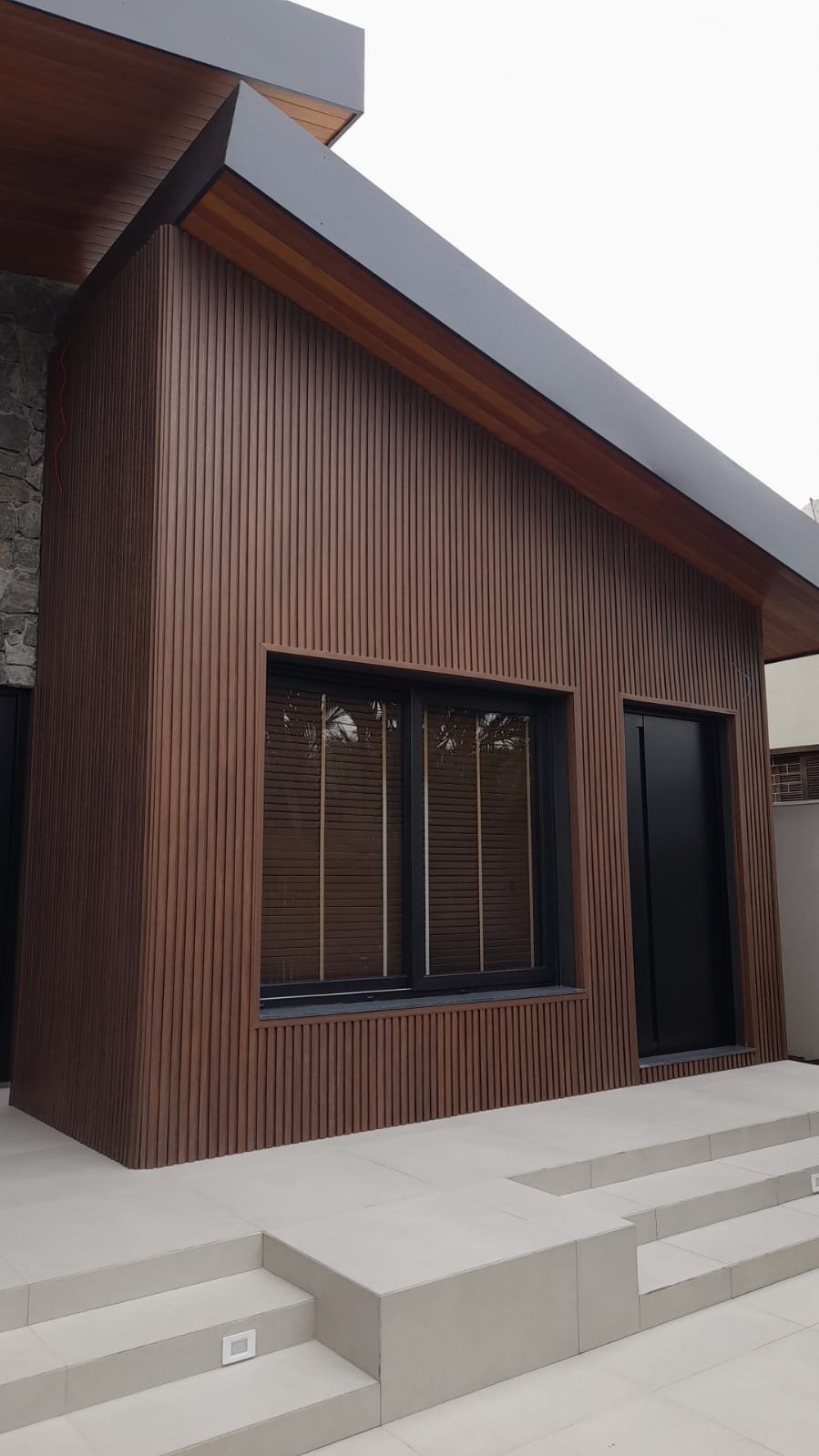
The Deckotech Prestige collection combines composite fencing panels with aluminum supports, creating a sleek, modern fence that excels in strength and aesthetics. This line is perfect for contemporary homes seeking clean lines and a sophisticated curb appeal.
Why Choose Prestige?
- Contemporary Aesthetics: Prestige fences feature a modern, minimalist design that enhances contemporary architecture.
- Enhanced Durability: Aluminum reinforcements add strength, ensuring your fence remains stable through severe weather and time.
- Zero Maintenance: The aluminum-composite blend eliminates the need for regular maintenance, ideal for busy lifestyles.
- Premium Privacy: High-quality materials and smart design deliver superior privacy without sacrificing visual appeal.
Prestige fencing is ideal for homeowners who value contemporary design and maintenance-free living. It’s particularly popular among urban and suburban homes where modern aesthetics blend perfectly.

Comparing Deckotech Terra vs. Prestige
Choosing between Deckotech’s Terra and Prestige depends on your priorities –
Appearance:
- Terra: Warm, traditional wood aesthetic.
- Prestige: Clean, modern, minimalist appeal.
Privacy:
Both provide excellent privacy, with tightly-fitted panels designed explicitly to shield your home.
Durability:
- Terra: Durable composite material with natural resilience.
- Prestige: Superior strength due to aluminum supports enhancing stability and longevity.
Maintenance:
- Terra: Very minimal maintenance; occasional cleaning only.
- Prestige: Virtually no maintenance, ideal for busy homeowners.
Additional Considerations When Choosing a Fence
Beyond materials, consider the following to ensure your fence investment is perfect for your home:
- Budget: Determine upfront costs versus long-term value. Composite options like Deckotech, while initially more expensive, typically pay off with durability and low maintenance.
- Climate: Consider local weather conditions. Composite materials are particularly beneficial in harsh climates as they resist fading, warping, and cracking.
- Home Design: Ensure your fence complements your home’s architectural style. Terra is suitable for classic designs, while Prestige enhances modern structures.
- Local Regulations: Always check zoning laws, homeowners association rules, and local regulations before fence installation.
Fence Installation and Care Tips
Once you’ve chosen your ideal fencing material, follow these tips for smooth installation and upkeep:
- Professional Installation: Always hire professional installers to ensure structural integrity, longevity, and warranty protection.
- Routine Inspections: Regularly inspect your fence for minor issues. Early identification and fixes can prevent expensive repairs later.
- Basic Cleaning: For Deckotech fences, occasional washing with mild detergent and water will maintain their pristine appearance.
Choosing the Right Fencing Material
Your fence does more than simply mark property boundaries, it enhances your home’s beauty, privacy, security, and value. By carefully assessing your needs and preferences, and understanding the unique benefits of Deckotech’s Terra and Prestige collections, you can confidently choose the perfect fencing solution. Whether it’s Terra’s warm, traditional look or Prestige’s sleek modern design, investing in quality fencing ensures your home remains beautiful and protected for years to come.
FAQs
How Often Should Composite Fencing Be Cleaned?
Composite fences typically require cleaning just once or twice a year, using mild soap and water.
Is Composite Fencing Fire-Resistant?
Composite fencing offers better fire resistance compared to traditional wood but isn’t completely fireproof. Check the specific material ratings to confirm fire safety levels.
Can I Install Lighting Fixtures Or Decorations On A Composite Fence?
Yes, composite fencing can support lighting fixtures and decorations. However, always check manufacturer recommendations for maximum weight and installation guidelines.
What’s The Typical Lifespan Of Composite Fences Compared To Wood Or Vinyl?
Composite fencing can last around 20–30 years, significantly longer than traditional wood (10–15 years) and comparable to vinyl fencing (20–30 years).
Can Composite Fencing Withstand Heavy Snowfall Or Ice?
Yes, composite fences handle snow and ice well, but it’s advisable to remove heavy snow accumulation promptly to prevent strain or damage.
Are There Special Installation Considerations For Uneven Ground Or Slopes?
Composite fences can be adapted to uneven ground or slopes, often using stepped or racked installations, depending on the terrain.
Does Composite Fencing Fade Or Discolor Over Time?
High-quality composite fencing generally resists fading, but minor color changes might occur over several years due to prolonged sun exposure.
Can Composite Fences Help Reduce Street Or Neighbor Noise?
Composite fences provide moderate noise reduction, similar or slightly better than wooden fences, making them effective for quieter outdoor spaces.
Are Composite Fences Vulnerable To Insect Damage Like Termites?
Composite fencing is highly resistant to insects, termites, and pests due to its synthetic components.
Is Composite Fencing Recyclable Or Easy To Dispose Of After Its Lifespan?
Most composite materials are recyclable, but availability may vary by local recycling facilities. Always check your local recycling guidelines for proper disposal.
We can mill customs sizes
Premium decking