
 Free Shipping
*Applies to Ipe & Cumaru short length orders from 3–5 ft. Minimum purchase of $2,500 required. U.S. mainland only. Other conditions may apply.


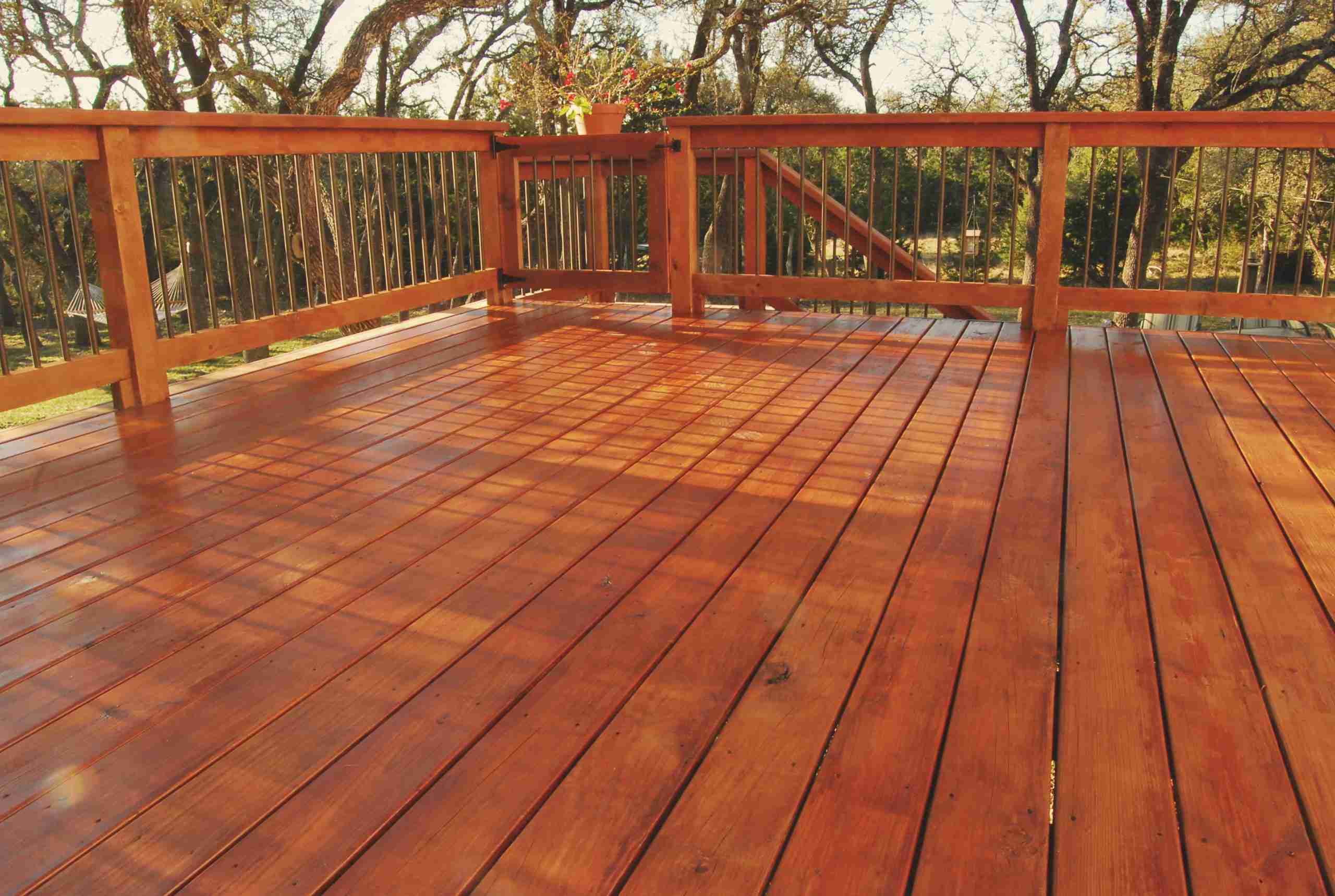
What Is Massaranduba Wood? A Complete Guide
Best Sellers
Posted on October 26, 2026 at 12:05 am
Table of Content
Massaranduba is a dense tropical hardwood known for its strength, hardness, rich reddish-brown color, and natural durability. It is commonly used for outdoor decking, flooring, heavy construction, furniture, and other applications where a hard and long-lasting wood is useful.
The name Massaranduba is commonly associated with Manilkara bidentata, a tropical tree native to parts of Central and South America and the Caribbean. Kew lists Manilkara bidentata as an accepted species in the Sapotaceae family, with a native range across tropical regions of the Americas.
Massaranduba is sometimes sold under names such as Brazilian Redwood, Bulletwood, and Balata. However, common names can vary by region and supplier, so checking the botanical name is useful when buying the material.
Its high density is one of its defining characteristics. USDA Forest Service data lists Manilkara bidentata at around 0.82 to 0.85 specific gravity in published wood-density data, while other technical sources report higher values depending on the sample and moisture condition.
What is Massaranduba Wood?
| Property | General Information |
| Common name | Massaranduba |
| Botanical name | Manilkara bidentata |
| Other names | Brazilian Redwood, Bulletwood, Balata |
| Wood type | Tropical hardwood |
| Native region | Central and South America and the Caribbean |
| Color | Reddish to reddish-brown |
| Grain | Usually straight to interlocked |
| Texture | Fine and even |
| Density | Approximately 0.82 to 0.87 g/cm³ in commonly cited data |
| Hardness | About 3,190 lbf Janka at 12% moisture in USDA datai |
| Durability | Naturally highly durable |
| Outdoor use | Yes |
| Maintenance | Depends on the desired appearance |
| Main challenge | High density makes cutting and fastening difficult |
The exact characteristics can vary between boards, growing regions, moisture levels, and grades of lumber.
Where Does Massaranduba Wood Come From?
Massaranduba comes from tropical trees in the Manilkara genus. The accepted scientific name for the species commonly associated with Massaranduba is Manilkara bidentata. Kew records the species across countries and territories including Brazil, Colombia, Venezuela, Peru, Guyana, Suriname, Panama, and parts of the Caribbean.
The tree grows in wet tropical environments. Its natural range includes forested areas of tropical America.
The species also has a long history of practical use. The USDA Forest Service describes the wood as very hard, strong, fine-textured, and heavy. Historically, it has been used for heavy construction, railway sleepers, bridges, flooring, furniture, and other demanding applications.
The tree is also associated with balata, a natural latex or gum historically obtained from the species. Kew notes that Manilkara bidentata has been used as a source of balata rubber and as a substitute for chicle.
What Does Massaranduba Wood Look Like?
Massaranduba usually has a warm reddish-brown appearance.
Freshly cut wood can be lighter or more reddish, while the color generally becomes deeper as the wood dries. Outdoor exposure changes the appearance further. Untreated Massaranduba can gradually weather toward a gray or silver-gray color.
This change is a normal part of outdoor wood weathering. It does not automatically mean that the wood is failing.
If the original reddish-brown appearance is important, the wood can be maintained with a suitable exterior finish. If the natural weathered appearance is preferred, the wood can be allowed to age without trying to preserve its original color.
Typical Appearance
| Feature | Massaranduba |
| Fresh color | Light red to reddish-brown |
| Mature color | Dark reddish-brown |
| Outdoor weathering | Gray or silver-gray |
| Grain | Straight, sometimes interlocked |
| Texture | Fine and even |
| Natural variation | Yes |
Individual boards will not necessarily look identical. Differences in color and grain are normal with natural hardwood.
How Hard Is Massaranduba Wood?
Massaranduba is very hard.
The USDA Forest Service’s mechanical-property data gives Bulletwood, Manilkara bidentata, a Janka hardness value of approximately 3,190 lbf at 12% moisture content.
For comparison, this puts Massaranduba well above many common domestic woods in hardness.
Hardness is useful for applications where the surface needs to withstand frequent use, foot traffic, furniture, and general wear.
However, hardness also creates a practical disadvantage. The same characteristic that helps the wood resist dents can make it difficult to cut, drill, and fasten.
How Dense Is Massaranduba?
Massaranduba is a heavy wood.
USDA Forest Service sources report specific gravity values around 0.82 to 0.85 for Manilkara bidentata.
Another USDA table lists the wood density of Manilkara bidentata at about 0.87 tonnes per cubic meter.
Actual density depends on moisture content and the particular piece of lumber, so published numbers should be treated as reference values rather than a measurement for every board.
Its weight matters during transportation and installation. Long, thick boards can be noticeably heavier than many softwood alternatives.
Is Massaranduba Durable?
Yes. Natural durability is one of Massaranduba’s major advantages.
USDA Forest Service information describes the wood as highly resistant to white and brown rot fungi and reports good resistance to several termite species. It also describes the wood as very durable in contact with the ground. At the same time, it notes susceptibility to marine borers, showing that no wood is resistant to every type of biological exposure.
This natural durability is one reason Massaranduba is considered for outdoor and heavy-use applications.
However, durability should not be confused with being maintenance-free. Installation, drainage, moisture exposure, ventilation, and the quality of the lumber all influence how the material performs.
Is Massaranduba Good for Decking?
Massaranduba is well suited to decking when the material is properly selected and installed.
Its hardness makes it resistant to everyday wear, while its natural durability makes it appropriate for outdoor exposure.
The USDA describes Massaranduba as very hard, heavy, strong, and durable.
The main challenge is installation. Because the wood is so dense, installers generally need to pre-drill holes before fastening boards. Technical installation guidance also recommends corrosion-resistant stainless steel fasteners for Massaranduba decking.
The wood can also experience significant movement as its moisture content changes. Proper board spacing and installation are therefore important.
Massaranduba Wood Uses
Massaranduba is used in both indoor and outdoor applications.
Common Uses
| Application | Why Massaranduba Is Used |
| Decking | Hardness and outdoor durability |
| Flooring | Resistance to wear |
| Bridges | Strength and durability |
| Heavy construction | High density and strength |
| Furniture | Attractive appearance and hardness |
| Railway sleepers | Strength and durability |
| Outdoor structures | Natural durability |
| Specialty wood products | Fine texture and strength |
The USDA Forest Service lists railway sleepers, bridging, heavy construction, furniture, flooring, violin bows, and billiard cues among the documented uses of Manilkara bidentata.
Its use is therefore not limited to decking.
Is Massaranduba Good for Outdoor Use?
Massaranduba is often chosen for outdoor projects because of its natural durability and resistance to decay.
It can be used for applications exposed to rain, sunlight, and changing outdoor conditions. However, the design of the project still matters.
Even highly durable wood should have appropriate drainage and ventilation. Water that remains trapped against or underneath boards can create problems for almost any exterior wood product.
For decking, the substructure, spacing between boards, fasteners, and ventilation underneath the deck all contribute to long-term performance.
Does Massaranduba Need to Be Sealed?
Not necessarily.
The decision to seal or oil Massaranduba usually depends on the appearance you want and the requirements of the particular product.
If left unfinished outdoors, Massaranduba will gradually lose its original reddish-brown color and develop a gray or silver-gray appearance. Technical decking guidance notes that this weathering can occur naturally without reducing the wood’s basic durability.
If you want to retain more of the original color, an appropriate exterior wood finish can be used.
The finish should be selected specifically for dense exterior hardwood. Following the coating manufacturer’s preparation and maintenance instructions is important because very dense wood can behave differently from softer species.
How Much Maintenance Does Massaranduba Need?
Massaranduba generally does not require constant maintenance simply to remain outdoors.
However, maintenance requirements depend on the appearance and application.
If you are happy with the natural gray weathered appearance, maintenance may mainly involve keeping the surface clean and checking for issues such as debris buildup, moisture retention, or damaged boards.
If you want to preserve the reddish-brown appearance, more regular finishing may be required.
Outdoor decks should also be inspected periodically for loose fasteners, surface damage, standing water, and problems with the supporting structure.
Is Massaranduba Easy to Work With?
No. Massaranduba’s density and hardness make it more difficult to work with than many common woods.
The USDA Forest Service rates its boring properties as excellent but its planing as fair and turning as poor. It also notes that the wood can be difficult to air-season and may develop severe checking and warping if dried too quickly.
For decking installation, pre-drilling is particularly important. Technical installation guidance recommends pre-drilling and countersinking to reduce the chance of splitting around fasteners.
Carbide-tipped cutting tools are also commonly recommended for dense Massaranduba because ordinary tools can wear more quickly.
Does Massaranduba Warp or Crack?
Massaranduba can move, crack, or check if it is dried or installed improperly.
The USDA specifically notes that the wood is difficult to air-season and can show severe checking and warping if it dries too quickly.
Technical decking information also identifies high swelling and shrinkage behavior as an important consideration during installation.
This does not mean every Massaranduba board will warp or crack. It means moisture management and correct installation are important.
Boards should be stored properly before installation and installed according to the lumber supplier’s recommendations.
How Should Massaranduba Decking Be Installed?
Because Massaranduba is dense and can move with changes in moisture, installation requires attention to detail.
Pre-Drill Fastener Holes
Pre-drilling is one of the most important steps.
Trying to drive screws directly into the dense wood can increase the risk of splitting or damaging the fastener.
Use Suitable Fasteners
Stainless steel fasteners are commonly recommended for Massaranduba decking. This helps reduce staining and corrosion concerns associated with less suitable fasteners.
Allow for Movement
Deck boards need appropriate spacing so they can respond to normal changes in moisture.
The exact spacing should follow the decking manufacturer’s instructions and local requirements rather than relying on one universal measurement.
Provide Drainage and Airflow
The area below the decking should allow water to drain and air to circulate.
Good drainage reduces the amount of time the wood remains wet and helps the entire deck system perform better.
Massaranduba vs. Ipe
Massaranduba and Ipe are both popular tropical hardwoods used for premium outdoor applications.
Both are very hard and durable, but they are not the same species.
| Feature | Massaranduba | Ipe |
| Wood type | Tropical hardwood | Tropical hardwood |
| Typical color | Reddish-brown | Brown to olive-brown |
| Hardness | Very high | Extremely high |
| Outdoor durability | Very high | Very high |
| Weight | Heavy | Very heavy |
| Installation | Requires careful fastening | Requires careful fastening |
| Natural weathering | Gray/silver-gray | Gray/silver-gray |
The best choice depends on the project’s requirements, available lumber grades, budget, appearance, and sourcing.
It is also worth comparing actual product specifications rather than relying only on the species name.
Is Massaranduba Sustainable?
Sustainability depends heavily on where and how the wood was harvested.
Massaranduba comes from tropical forests, so responsible sourcing is an important consideration when purchasing it.
Do not assume that every piece of tropical hardwood has the same environmental credentials simply because it comes from the same species.
When buying Massaranduba, ask about:
- Country and region of origin
- Harvesting practices
- Chain of custody
- Available certification
- Legal sourcing documentation
- Supplier policies
- Applicable import requirements
Certification can provide additional information about responsible forestry and the supply chain, but buyers should check the specific certification and product documentation rather than relying on general claims.
Kew currently lists Manilkara bidentata as not threatened in its cited extinction-risk prediction data, although conservation status and responsible sourcing are separate issues that should not be confused.
What Are the Advantages of Massaranduba Wood?
Massaranduba has several characteristics that make it attractive for demanding applications.
High Hardness
Its high Janka hardness helps it resist normal wear and dents.
Natural Durability
The wood has strong natural resistance to decay and several types of insects.
Attractive Color
Its reddish-brown appearance gives outdoor and indoor projects a distinctive natural look.
Strong and Heavy
Massaranduba is a dense, strong hardwood that has historically been used for heavy construction and other demanding applications.
Suitable for Outdoor Applications
Its natural durability makes it a useful option for decking and other exterior projects when correctly installed.
What Are the Disadvantages of Massaranduba?
Its strengths also create some disadvantages.
Difficult to Cut and Drill
The high density makes machining more demanding.
Heavy
Boards can be difficult to transport and handle.
Requires Careful Fastening
Pre-drilling is generally necessary for decking applications.
Can Move During Moisture Changes
Poor drying or installation can contribute to checking, cracking, and movement.
Sourcing Matters
As with other tropical hardwoods, buyers should pay attention to responsible and documented sourcing.
Is Massaranduba Better Than Other Decking Woods?
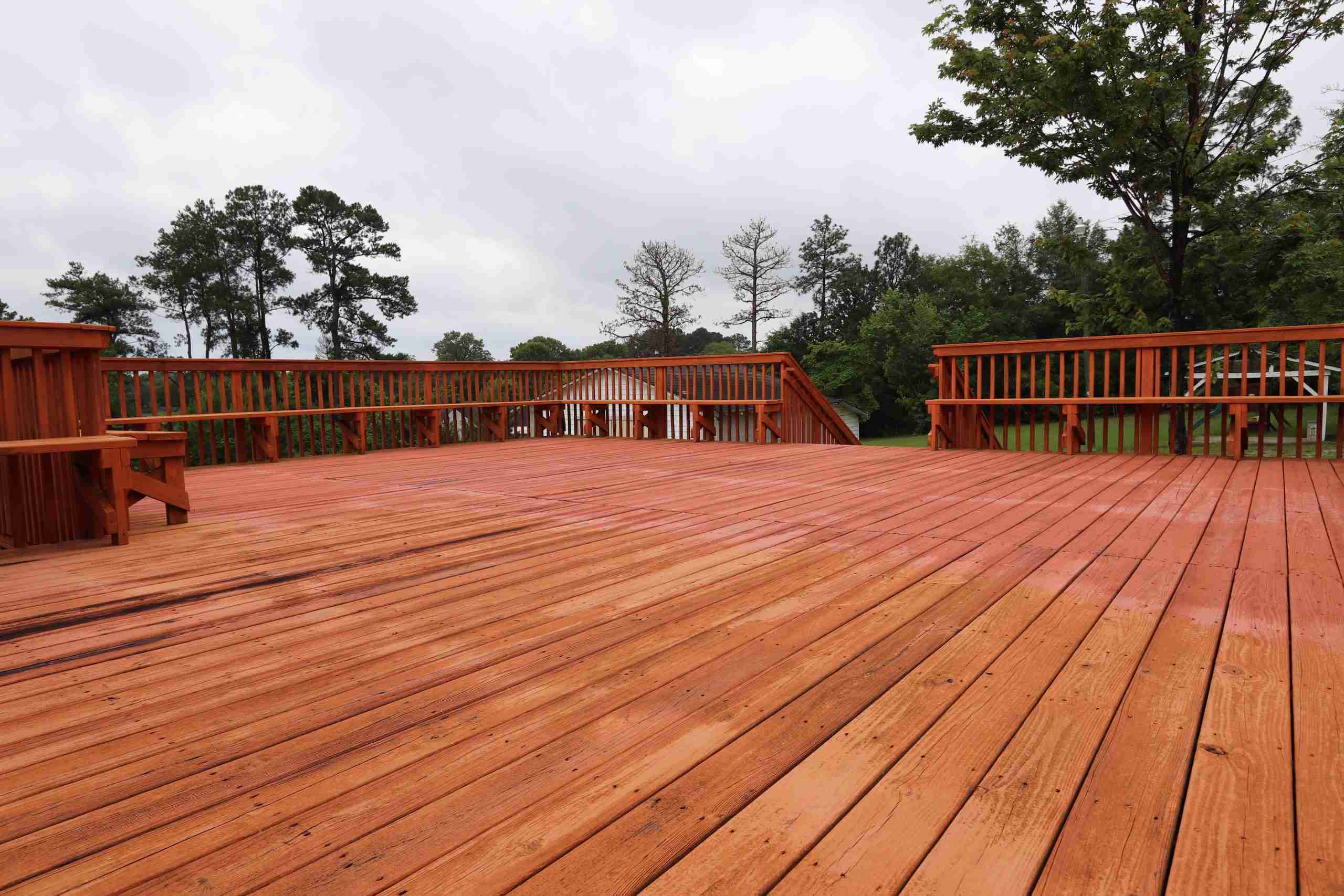
There is no single decking wood that is best for every project.
Massaranduba is a strong option when durability, hardness, and a natural hardwood appearance are priorities.
However, another material may be better if the main concern is low initial cost, easy installation, minimal weight, or a particular appearance.
A useful comparison should consider more than the purchase price.
| Factor | Why It Matters |
| Initial cost | Determines the upfront project budget |
| Lifespan | Helps evaluate long-term value |
| Maintenance | Affects ongoing work and expense |
| Hardness | Influences wear resistance |
| Weight | Affects handling and installation |
| Stability | Affects movement and board spacing |
| Appearance | Determines the finished look |
| Sourcing | Important for environmental considerations |
| Installation | Affects labor and material requirements |
How Long Can Massaranduba Wood Last?

There is no single lifespan that applies to every Massaranduba project.
The service life depends on the quality of the lumber, moisture exposure, installation, drainage, climate, maintenance, and the specific application.
Its natural resistance to decay and insects gives it an advantage outdoors, but even durable hardwood needs proper installation.
A deck that stays wet, has poor drainage, or is incorrectly fastened can develop problems much sooner than one that is properly designed and maintained.
For that reason, it is better to evaluate Massaranduba’s durability as a combination of wood properties plus installation conditions, rather than relying on a fixed number of years.
Frequently Asked Questions
Is Massaranduba good for outdoor decking?
Yes. Its high hardness and natural durability make Massaranduba a popular choice for outdoor decking and other exterior applications.
How long does Massaranduba wood last?
Its lifespan varies based on climate, installation, moisture exposure, and maintenance. Properly installed Massaranduba can provide many years of outdoor service.
Does Massaranduba wood change color?
Yes. Its reddish-brown color naturally fades with exposure to sunlight and weather, eventually developing a gray or silver-gray appearance.
Does Massaranduba need to be sealed?
Not necessarily. It can weather naturally, but an appropriate exterior finish can be used if you want to maintain more of its original color.
Is Massaranduba harder than Ipe?
No. Ipe is generally harder than Massaranduba, although both are very dense and durable tropical hardwoods.
Is Massaranduba difficult to install?
It can be. Its high density makes cutting and drilling more demanding, so pre-drilling and suitable tools are generally recommended.
Does Massaranduba wood rot?
Massaranduba has good natural resistance to decay, but prolonged exposure to trapped moisture can still cause problems.
Can Massaranduba be used around a pool?
Yes. It can be used for pool decking, provided the area has proper drainage and the decking is installed appropriately.
Does Massaranduba wood splinter?
It can develop splinters as the surface weathers. Regular inspection and appropriate maintenance can help keep the surface in good condition.
Is Massaranduba wood sustainable?
Sustainability depends on how the wood is harvested and sourced. Buyers should look for reliable information about the wood’s origin and responsible forestry practices.
Conclusion
Massaranduba is a dense tropical hardwood best known for its hardness, strength, durability, and reddish-brown appearance. The wood commonly associated with the name is Manilkara bidentata, a species native to tropical America.
Its natural durability and high hardness make it useful for demanding applications such as decking, flooring, bridges, heavy construction, and furniture. USDA Forest Service information confirms that the wood is very hard, heavy, strong, and resistant to decay.
The same density that makes Massaranduba durable also makes it more difficult to work with. Cutting and drilling require suitable tools, and decking installations generally require pre-drilling and appropriate stainless steel fasteners.
For outdoor projects, Massaranduba can be left to weather naturally or finished when maintaining its original reddish color is preferred. Good drainage, ventilation, proper fastening, and attention to moisture movement remain important regardless of the wood’s natural durability.
Overall, Massaranduba is worth considering when you want a hard, durable natural hardwood and are prepared for the additional installation requirements that come with a very dense material.
We can mill customs sizes
Premium decking
Search engine
Use this form to find things you need on this site

Deckotech Collection

Oct 26 – Nov 6 · For trade professionals
Scary-good trade pricing
Sign up to get up to 27% trade discount across the Deckotech range.
Offer valid for new contractors only and does not apply to purchases made before October 26, 2026. The promotion cannot be combined with additional discounts or existing contractor pricing. Discounts may vary depending on the product, length, and availability. Limited stock available. This promotion is valid through November 6, 2026.