

 Free Shipping
*Applies to Ipe & Cumaru short length orders from 3–5 ft. Minimum purchase of $2,500 required. U.S. mainland only. Other conditions may apply.


What Is Tigerwood? A Complete Guide
Best Sellers
Posted on October 19, 2026 at 1:19 am
Table of Content
Tigerwood is a tropical hardwood known for its bold grain pattern, warm reddish-orange color, and dark streaks that create a look similar to a tiger’s stripes. It is used for decking, flooring, siding, furniture, and other woodworking projects where a distinctive natural appearance and durable wood are desired.
The name Tigerwood is a common trade name rather than the name of one single species. Several tropical hardwoods may be sold under this name, depending on the supplier and region. Because of this, it is important to check the actual botanical species and source when buying Tigerwood.
Tigerwood has become popular because it offers a combination of striking appearance, hardness, durability, and natural resistance to outdoor conditions. Buyers often choose it for its specific color and grain character, including strong orange or yellow-orange tones and dark streaks. For custom architectural projects such as garage doors, gates, fascia, and pergolas, the desired board length, edge profile, and amount of visible variation can be just as important as the species itself. Stock and long lengths can vary by supplier, so confirm the details before designing around a particular product.
What Is Tigerwood Made From?
Tigerwood is generally a tropical hardwood sourced from Central and South America. The name is commonly associated with woods that have strong contrasting grain patterns and colors.
One of the species frequently associated with the Tigerwood name is Goncalo Alves. Depending on the market and supplier, the term can also be used for other woods with similar visual characteristics.
Because common names can vary, buyers should ask for the scientific name of the wood when purchasing Tigerwood. This makes it easier to understand its actual characteristics, origin, and availability.
What Does Tigerwood Look Like?

Tigerwood is best known for its appearance.
Freshly milled Tigerwood often has a warm orange, reddish-brown, or golden-brown background. Dark brown or black streaks run through the wood, creating a dramatic striped pattern.
The contrast between the lighter base color and darker streaks is what gives Tigerwood its name.
The grain can vary from board to board. Some boards may have bold, highly visible stripes, while others may have more subtle markings.
This natural variation is one of the reasons Tigerwood is popular for projects where appearance is important. It is also a key buying consideration. Some customers want boards with a lot of visible character and strong contrast, while others prefer a cleaner, more consistent appearance. Ask the supplier what grades or appearance selections are available and how the supplier defines them, because grade names and selection standards can vary.
If the goal is a character-heavy door or gate, look at multiple boards rather than relying on one small sample or a single online photograph. Lighting, photography, and screen settings can make the color look different from the real material. Viewing boards in person or requesting representative photos and samples can help set expectations.
Does Tigerwood Change Color?

Yes. Like many natural hardwoods, Tigerwood can change color as it is exposed to sunlight and air.
Freshly installed Tigerwood often has brighter orange and reddish tones. Over time, exposure to ultraviolet light can cause the color to fade toward a more muted brown or silver-gray if the wood is left unfinished outdoors.
This color change is a natural part of aging.
If you want to maintain more of the original reddish-orange color, an appropriate exterior wood finish with UV protection may help slow the change. Maintenance requirements depend on the product and the finish used.
Is Tigerwood a Hardwood?
Yes. Tigerwood is classified as a hardwood because it comes from broadleaf tree species rather than conifers.
The wood is dense and hard, which contributes to its durability. This makes it suitable for applications where the material needs to withstand regular use and exposure.
Its hardness can also make it more difficult to cut, drill, and install compared with softer domestic woods.
For professional installation, using appropriate tools and fasteners is important.
Is Tigerwood Durable?

Tigerwood is known for being a durable tropical hardwood.
Its density helps it resist many forms of everyday wear. When used outdoors, its natural properties can also help it perform well under exposure to weather.
However, durability does not mean the wood requires no maintenance.
Outdoor Tigerwood decking is exposed to sunlight, rain, temperature changes, dirt, and moisture. Proper installation and maintenance can help extend its useful life.
The actual lifespan will depend on the climate, installation, exposure, maintenance schedule, and specific Tigerwood product.
Can Tigerwood Be Used for Garage Doors and Gates?
Yes. Tigerwood can be considered for custom garage doors and gates when the design calls for a distinctive natural wood surface. Its orange-to-reddish tones and dark streaks can make the boards a strong visual feature, especially in a horizontal-board design. It may also be used as cladding over a suitable metal or aluminum frame, depending on the project design and fastening details.
For these projects, do not order by species name alone. Confirm the finished board dimensions, required lengths, quantity, edge profile, and whether the boards will be machined in the shop. Some fabricators prefer square-edge stock because they plan to mill their own profile, while others may need a specific finished profile.
Long boards can be especially important when the design is intended to avoid visible joints. Availability of 12-foot, 20-foot, or other specific lengths should be checked before finalizing the design.
Wood movement, exposure to weather, fastening, ventilation, and the construction of the door or gate all affect performance. Work with the fabricator to make sure the framing and installation method are suitable for the material and location.
Can Tigerwood Be Used for Fascia and Pergolas?
Tigerwood can also be considered for fascia, pergola components, and other exterior architectural accents. It can add contrast beside another hardwood, such as an existing Ipe deck, rather than requiring the entire outdoor space to use one species. This can work well when the goal is to introduce a warmer color or more dramatic grain pattern.
Before combining species, compare actual samples in natural light. Tigerwood is often perceived as more orange or yellow-orange with dark streaks, while Garapa is commonly described as a lighter blond or yellow wood. Cumaru and Ipe usually have different grain and color profiles, and Jatoba is often selected when a richer cherry or red tone is preferred. Individual boards vary, so use these descriptions as general comparisons rather than guaranteed color matches.
Is Tigerwood Good for Decking?
Tigerwood can be an excellent option for decking when you want a natural hardwood deck with a distinctive appearance.
Its combination of durability and visual appeal makes it suitable for patios, pool areas, balconies, outdoor entertaining spaces, and other decking applications.
One of the biggest advantages is that no two boards look exactly alike. The contrasting grain can create a visually striking deck.
Tigerwood is also naturally resistant to many outdoor conditions, although proper installation and regular maintenance remain important.
How Long Does Tigerwood Decking Last?
The lifespan of Tigerwood decking depends on several factors.
Climate, installation quality, drainage, sunlight exposure, maintenance, and the condition of the underlying structure all affect how long the deck performs.
A well-installed and properly maintained Tigerwood deck can last for many years.
The wood should be installed with appropriate spacing to allow drainage and natural movement. Water should not be allowed to remain trapped against the boards.
Regular cleaning also helps remove dirt and organic material that can contribute to surface problems.
Is Tigerwood Waterproof?
Tigerwood is not completely waterproof.
Like all natural wood, it can absorb and release moisture. Its natural density and resistance to outdoor conditions can make it perform well in wet environments, but prolonged exposure to standing water can still cause problems.
Proper deck design is important. Good drainage, adequate spacing between boards, and appropriate ground clearance can help water move away from the wood.
A suitable finish may also provide additional surface protection.
Is Tigerwood Good for Flooring?
Tigerwood can also be used for interior flooring.
Its rich color and distinctive grain make it a popular choice for homeowners who want flooring that becomes a visual feature of a room.
Tigerwood flooring can work in living rooms, dining rooms, bedrooms, hallways, and other areas.
Because it is a hard and dense wood, it can handle regular foot traffic well. However, as with any hardwood floor, dirt, furniture, pets, and heavy objects can eventually cause scratches or surface wear.
Using furniture pads and area rugs in high-traffic areas can help protect the floor.
Tigerwood Flooring Appearance
Tigerwood flooring can create a warm and dramatic interior.
The natural contrast between the reddish-orange background and darker streaks gives the floor a distinctive appearance. Some installations have a bold striped effect, while others appear more subtle depending on board selection.
Because natural hardwood varies, it is a good idea to view several boards or a larger sample before making a final flooring decision.
A small sample may not accurately show the full variation that will appear across an entire floor.
Is Tigerwood Hard to Install?
Tigerwood’s density can make installation more demanding than installing softer woods.
The material may require high-quality saw blades and appropriate drilling equipment. Installers also need to use fasteners and installation methods suitable for dense tropical hardwood.
For decking, proper spacing is important because natural hardwood responds to changes in moisture and temperature.
For flooring, the subfloor should be properly prepared and the manufacturer’s installation requirements should be followed.
Professional installation can be especially useful when working with dense tropical hardwood.
How Do You Maintain Tigerwood?
Tigerwood maintenance depends on where the wood is installed.
Maintaining Tigerwood Decking
Outdoor Tigerwood decking should be cleaned periodically to remove dirt, leaves, pollen, and other debris.
A soft brush and an appropriate wood-cleaning product can usually be used for routine cleaning. Always follow the recommendations for your particular finish.
Avoid allowing leaves and debris to remain trapped between boards because they can hold moisture against the wood.
Inspect the deck periodically for damaged boards, loose fasteners, and drainage problems.
Maintaining Tigerwood Flooring
Indoor Tigerwood flooring is generally easier to maintain.
Regular sweeping or vacuuming helps remove dirt and grit that can scratch the surface.
Clean spills promptly and use a cleaning product designed for the floor’s finish.
Avoid excessive water when cleaning hardwood floors.
Does Tigerwood Need to Be Sealed?
Whether Tigerwood needs to be sealed depends on the application and the look you want.
Outdoor Tigerwood can be left unfinished, allowing it to naturally weather over time. As it ages, the wood can gradually develop a silver-gray appearance.
If you want to preserve its original reddish-orange color, a suitable exterior finish with UV protection can help.
Interior Tigerwood flooring normally has a protective finish applied to the surface. The type of finish and maintenance schedule will depend on the flooring product.
Can Tigerwood Be Left Unfinished?
Yes, Tigerwood can be left unfinished in some outdoor applications.
When exposed to sunlight and weather, the wood naturally changes color over time. The reddish and orange tones gradually fade, and the surface can develop a silver-gray appearance.
This does not necessarily mean the wood is failing. It is a natural weathering process.
Some homeowners prefer the aged appearance, while others prefer to maintain the original color through regular finishing.
Is Tigerwood Expensive?
Tigerwood is generally considered a premium tropical hardwood.
Its price can vary based on species, grade, board dimensions, availability, origin, and market conditions.
The initial material cost can be higher than common domestic woods such as pressure-treated pine.
However, comparing only the purchase price does not always provide the complete picture. The expected lifespan, maintenance needs, appearance, and performance should also be considered.
When comparing decking materials, consider the total cost of the project, including framing, fasteners, installation, finishing, and long-term maintenance.
Tigerwood vs Ipe
Tigerwood and Ipe are both popular tropical hardwoods, but they have different characteristics.
Ipe is generally harder and denser than Tigerwood and is widely recognized for its durability and long outdoor service life.
Tigerwood is particularly valued for its appearance. Its reddish-orange background and dark stripes make it more visually dramatic.
If maximum hardness and long-term outdoor performance are the main priorities, Ipe may be attractive. If distinctive color and grain are more important, Tigerwood may be worth considering.
Tigerwood vs Cumaru
Cumaru is another tropical hardwood commonly used for decking and flooring.
Cumaru generally has a more uniform brown or reddish-brown appearance, while Tigerwood is known for its contrasting stripes.
Both are dense tropical hardwoods that can perform well in outdoor applications.
The choice often comes down to appearance, availability, budget, and the specific requirements of the project. If Tigerwood is unavailable in the required size or length, Cumaru or Ipe may be worth comparing, but they will not reproduce Tigerwood’s exact color and striping.
Confirm the species in the quote, because tropical hardwood trade names can sometimes be used inconsistently. Ask the supplier to identify the material clearly rather than assuming that a substitute is the same species.
Tigerwood vs Garapa and Jatoba
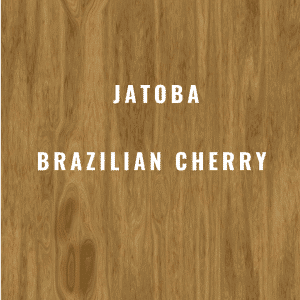
Buyers comparing tropical hardwoods often focus on color first. Garapa is commonly chosen for its lighter blond or yellow appearance, while Tigerwood typically has stronger orange tones and dark contrasting streaks. Jatoba is often considered by customers who want a deeper red or cherry-like color. These are general visual tendencies, not guarantees for every board or supplier.
If color is a major part of the decision, compare several boards of each species in person or request current photos taken in similar lighting. Also compare the available dimensions and lengths. The species that best matches the preferred appearance may not be the one most readily available in the exact stock size needed.
Tigerwood Dimensions, Grades, and Availability
Tigerwood is sold in different thicknesses, widths, lengths, and profiles depending on the supplier. Buyers may ask for rough or surfaced stock, 4/4 material, boards around 3/4 inch by 3-1/2 inches, 1×6 boards, 4×4 posts, or larger posts such as 6×6. These examples are not a guarantee that every size is stocked.
Also confirm whether a stated size is nominal or the actual finished dimension. For example, a nominal board size can finish smaller after surfacing. Provide the required finished dimensions when requesting a quote.
Long lengths can be a deciding factor for gates and garage doors where the design calls for continuous boards without joins. Specific lengths, including 12-foot or 20-foot boards, may be harder to source than standard or mixed lengths. Tigerwood availability can change by branch, distributor, and shipment timing. Some orders may require checking another location or allowing extra lead time.
Do not assume that a supplier has the exact size or quantity in stock until it is confirmed.
If the required Tigerwood is unavailable, ask about the expected lead time and whether an alternative species could meet the project’s visual and technical needs. Cumaru or Ipe may be practical alternatives for some applications, but their appearance differs from Tigerwood. Confirm the species and product description on any quote so that a substitute is not mistaken for the original material.
Is Tigerwood Sustainable?
Sustainability depends on the source of the wood.
Tropical hardwoods should be purchased from reputable suppliers that can provide information about where the material comes from and how it was sourced.
Responsible sourcing and appropriate forestry practices are important considerations when purchasing any tropical hardwood.
If sustainability is important to your project, ask the supplier about certifications, chain-of-custody documentation, and the origin of the material.
Do not assume that a wood is responsibly sourced simply because it is labeled as tropical hardwood.
Can Tigerwood Be Used Around Pools?
Tigerwood can be used for pool decking, but the installation needs to account for regular exposure to water.
The surrounding deck should have good drainage, and boards should be installed with appropriate spacing.
Pool chemicals and standing water can affect wood finishes over time, so routine cleaning and maintenance are important.
Because wet surfaces can become slippery, the surface condition and finish should also be considered when designing a pool deck.
Can Tigerwood Be Used for Outdoor Furniture?
Yes. Tigerwood’s durability and distinctive appearance make it suitable for some outdoor furniture applications.
Tables, benches, chairs, and other outdoor pieces can benefit from the wood’s natural strength and appearance.
Like outdoor decking, Tigerwood furniture will change color when exposed to sunlight unless it is maintained with a suitable finish.
Furniture should also be positioned so that water can drain easily and should not remain in constant contact with wet surfaces.
Advantages of Tigerwood
Tigerwood offers several advantages:
- Distinctive striped appearance
- Warm reddish-orange color
- Dense and durable hardwood
- Suitable for indoor and outdoor applications
- Naturally suited to demanding environments
- Can develop an attractive weathered appearance
- Available for decking, flooring, furniture, and other projects
Its appearance is arguably its biggest advantage. Tigerwood can make a deck or floor look very different from one made with more common wood species.
Disadvantages of Tigerwood
There are also some factors to consider before choosing Tigerwood.
Higher Initial Cost
Tigerwood can cost more than many common decking and flooring materials.
Installation Can Be More Demanding
Its density means installers may need specialized or high-quality tools and appropriate fasteners.
Color Changes Over Time
The bright reddish-orange color will naturally change when exposed to sunlight unless maintained with an appropriate finish.
Availability Can Vary
Because Tigerwood is a tropical hardwood, availability can depend on the supplier and market.
Responsible Sourcing Matters
Buyers should research the source of the wood and choose suppliers that provide clear information about responsible sourcing.
What Information Should You Provide for a Tigerwood Quote?
A detailed request helps a supplier check stock, calculate quantities, and quote the right material. Include the following information when possible:
- Application: Decking, flooring, garage door, gate, fascia, pergola, furniture, or another use.
- Finished dimensions: Required thickness and width, including actual finished measurements where known.
- Length: The exact lengths needed and whether shorter boards can be joined.
- Quantity: Board count or total linear footage, plus any extra allowance recommended by your fabricator.
- Appearance or grade: Whether you want bold striping and visible character or a more consistent appearance. Ask how the supplier defines its available grades.
- Edge and profile: Square edge, tongue and groove, or a custom profile. State whether you plan to mill the boards yourself.
- Delivery location: Delivery ZIP code or pickup branch.
- Timing: When the material is needed and whether a special order is acceptable.
Pricing is based on the specific product rather than the word “Tigerwood” alone. Thickness, width, length, grade or selection, quantity, current availability, shipping, and special sourcing can all affect the quote.
Ask for current pricing for the exact dimensions and lengths you need instead of relying on one generic price. If you are estimating board counts for a door or gate, share the opening dimensions and the board’s finished face width so the supplier or fabricator can help calculate the quantity.
Is Tigerwood Right for Your Project?
Tigerwood may be a good choice if you want natural hardwood with a distinctive appearance and strong performance.
It can work especially well for projects where the wood itself is meant to be a visual feature. A Tigerwood deck, floor, or furniture piece can create a warm and dramatic look without relying on artificial patterns or stains.
However, you should consider the total project cost, installation requirements, maintenance expectations, and sourcing before making a decision.
If you are comparing Tigerwood with other tropical hardwoods, look at multiple boards or samples in natural light. Compare color, grain, hardness, expected maintenance, available dimensions, and long-term performance rather than choosing based only on price.
For custom doors, gates, fascia, or pergolas, confirm stock and long lengths before locking in the design. Provide the supplier with finished dimensions, quantity, desired appearance, edge profile, delivery ZIP code, and required date to get a useful quote.
FAQs About Tigerwood
Can Tigerwood be used in humid climates?
Yes, Tigerwood can perform well in humid climates because it is a dense tropical hardwood. Proper installation, drainage, and regular maintenance are still important.
Does Tigerwood attract termites?
Tigerwood has natural properties that can make it less attractive to some insects than softer woods. However, no natural wood should be considered completely termite-proof.
Can Tigerwood be painted?
Tigerwood can technically be painted, but painting usually hides its natural color and distinctive grain. A clear or lightly tinted finish is often preferred when you want to maintain its natural appearance.
Can Tigerwood be stained?
Yes, Tigerwood can be stained, but its natural color is already rich and distinctive. A suitable stain should be tested on a sample first because the existing color can affect the final result.
Does Tigerwood splinter?
Like other natural hardwoods, Tigerwood can develop splinters, particularly if the surface becomes weathered or damaged. Regular maintenance and proper sanding can help reduce this risk.
Can Tigerwood be used for stairs?
Yes, Tigerwood can be used for interior or exterior stairs when the material and installation method are appropriate. Its durability makes it suitable for areas that receive regular foot traffic.
Is Tigerwood resistant to rot?
Tigerwood has natural resistance to decay, which makes it suitable for many outdoor applications. However, proper drainage and installation are still necessary to prevent prolonged moisture exposure.
Can Tigerwood be used for fences and gates?
Yes, Tigerwood can be used for fences and custom gates. Confirm the required board lengths, dimensions, framing, fastening method, and current availability before ordering.
Does Tigerwood require special fasteners?
Because Tigerwood is a dense hardwood, using fasteners specifically recommended for tropical hardwoods is important. Stainless steel fasteners are commonly considered for outdoor applications to reduce staining and corrosion.
Can Tigerwood be mixed with other decking materials?
Yes, Tigerwood can be combined with other decking materials or hardwood species for borders, fascia, pergola accents, and contrasting designs. Compare samples and consider differences in color, movement, and maintenance requirements.
Is Tigerwood available in 20-foot boards?
Availability depends on the supplier, location, current inventory, and shipment schedule. If you need 20-foot boards or another specific long length, confirm stock and lead time before finalizing your design.
Is Tigerwood available in different grades or appearance selections?
Selection options vary by supplier. Explain whether you want bold striping and more visible character or a more consistent look, and ask the supplier to explain its grading or selection standards.
How much does Tigerwood cost?
Pricing depends on thickness, width, length, quantity, availability, and delivery or special-order requirements. Request a quote using the exact finished dimensions and lengths needed for your project.
Can Tigerwood be used for a horizontal garage door?
Tigerwood can be used as the visible wood surface in a custom garage door when the design, framing, fastening, and installation method are suitable. Confirm the board profile and lengths with the fabricator, especially if you want to avoid joints or plan to mill the boards yourself.
Conclusion
Tigerwood is a distinctive tropical hardwood recognized for its reddish-orange color and dramatic dark grain patterns. It is commonly used for decking, flooring, outdoor furniture, siding, and other applications where both appearance and durability matter.
Its dense construction allows it to handle regular use, while its natural color variation gives each board a unique character. Outdoor Tigerwood can be left to weather naturally or maintained with an appropriate finish if you want to preserve its original color.
Before purchasing Tigerwood, confirm the actual species, source, grade, and installation requirements with your supplier. With the right product, proper installation, and regular care, Tigerwood can provide a durable and visually striking addition to an indoor or outdoor project.
We can mill customs sizes
Premium decking