

 Free Shipping
*Applies to Ipe & Cumaru short length orders from 3–5 ft. Minimum purchase of $2,500 required. U.S. mainland only. Other conditions may apply.



Deck Inspection Guide for Homeowners
Best Sellers

Posted on March 21, 2024 at 8:47 am
Table of Content
Welcome to our comprehensive Deck Inspection Guide, crafted especially for homeowners looking to ensure the safety and longevity of their outdoor living spaces. Brazilian Lumber, known for high-quality decking solutions, brings you a detailed guide to inspecting your deck like a pro!
Why Inspect Your Deck?
Regular deck inspections are crucial to identify potential issues before they escalate into costly repairs. It’s about maintaining the beauty and integrity of your deck, ensuring it’s a safe place for family and friends.
What to Look Out For Deck Safety
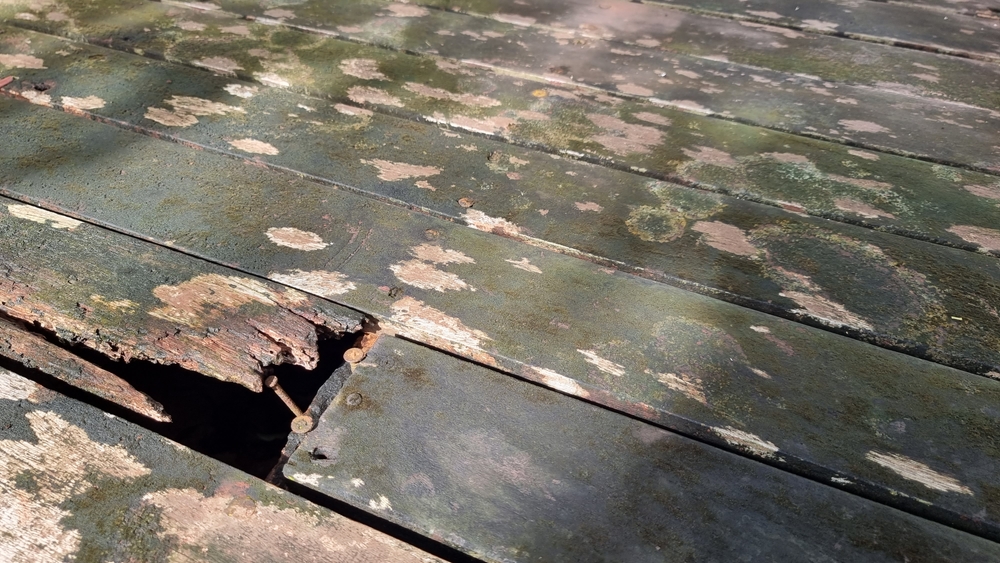
When assessing the safety of your deck, which endures extreme weather conditions throughout the year, it’s crucial to be vigilant about certain key aspects:
- Insect Damage: Older decks, particularly those constructed before the 1980s, may not be treated against insects. Indications of insect damage can include noticeable movement or swaying of the deck. A professional inspection is recommended in such cases to evaluate and address potential insect-related issues.
It’s important to clarify that tropical hardwoods and composite materials themselves are not prone to insect damage; however, it’s common for ipe and composite decks to be constructed on top of pressure-treated (PT) frameworks, which can be vulnerable to such damage.
- Metal Components: The condition of the deck’s metal parts, like fasteners, connectors, and joists, is essential for overall safety. Check these components for rust or deterioration, especially in hidden areas under the deck. If rust is present, a professional assessment is advised.
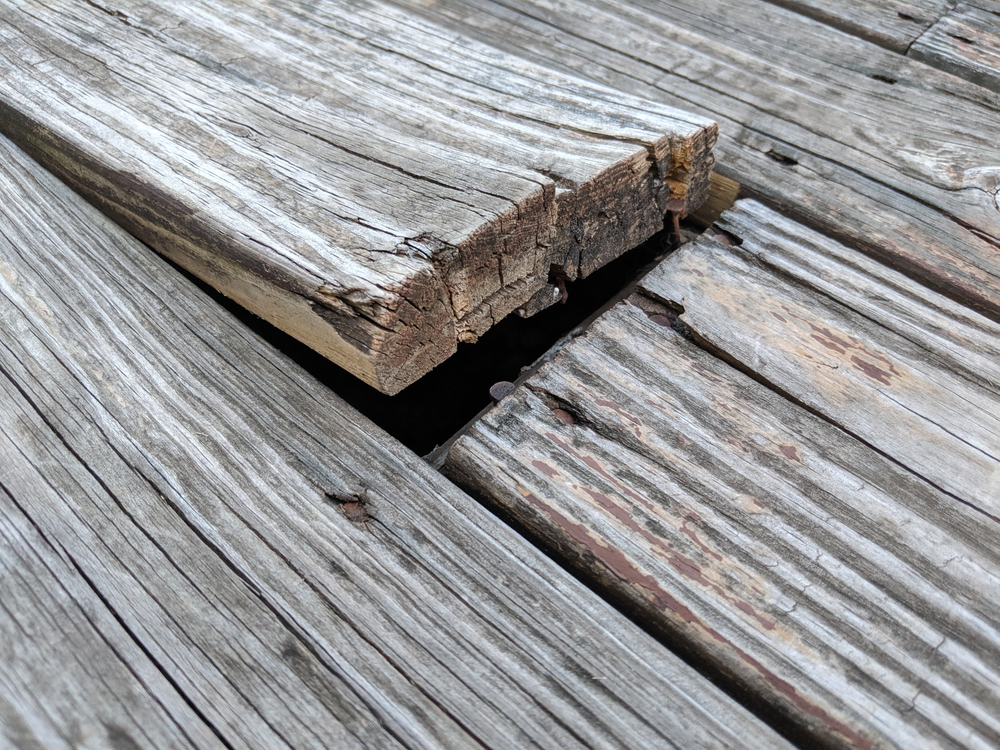
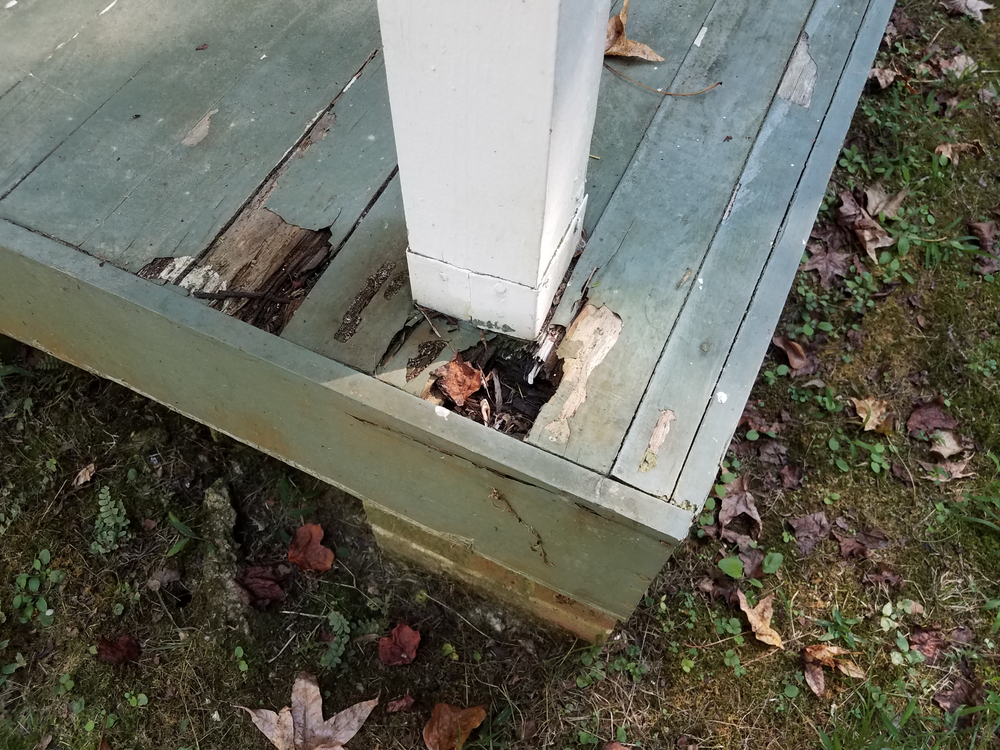
- Cracks and Rotting: Although the tropical hardwoods and composite decking materials we offer are resistant to cracking and rotting, the underlying substructure or frame can be susceptible to these issues. Minor discrepancies in the framework are normal, but significant or widening gaps, especially near fasteners or joists, warrant attention. Regular maintenance, such as sealing and staining, can prevent deterioration, but persistent expansion of cracks or visible rot could indicate the need for structural component replacement.
- Railing Stability: Ensure that railings are secure. Loose railings pose a significant safety hazard and should be repaired promptly. Regular checks and adherence to building codes are vital for railing safety.
- Mold and Mildew: Decks are prone to mildew, which can make surfaces slippery. Regular cleaning and staining help prevent mildew. Be attentive to mold or fungus growth, as these can indicate more serious issues and require immediate action.
Regular inspections and maintenance are key to identifying and addressing these safety concerns, ensuring your deck remains a safe and enjoyable outdoor space.
Getting Started: The Inspection Tools You’ll Need
To thoroughly inspect your deck, gather tools like a flashlight, measuring tape, level, moisture meter, plumb bob, hammer, ladder, and screwdriver.
The Deck Inspection Guide
Here’s a comprehensive checklist to guide your deck inspection:
Substructure Inspection
- Check for Weathering and Moisture Damage: Examine the concrete footings, wood posts, and joists for signs of wear and tear, rusted or loose fasteners, and wood rot. Wood rot is a major concern in deck substructures.
- Footings and Posts: Inspect for proper water drainage, rot, insect infestations, and any warping in the wood.
- Joists and Framing: Ensure there is no sagging in joists, and that rim joists and ledger boards are securely attached. Pay special attention to the ledger board, as it connects the deck to your house.
Wood Decking Inspection
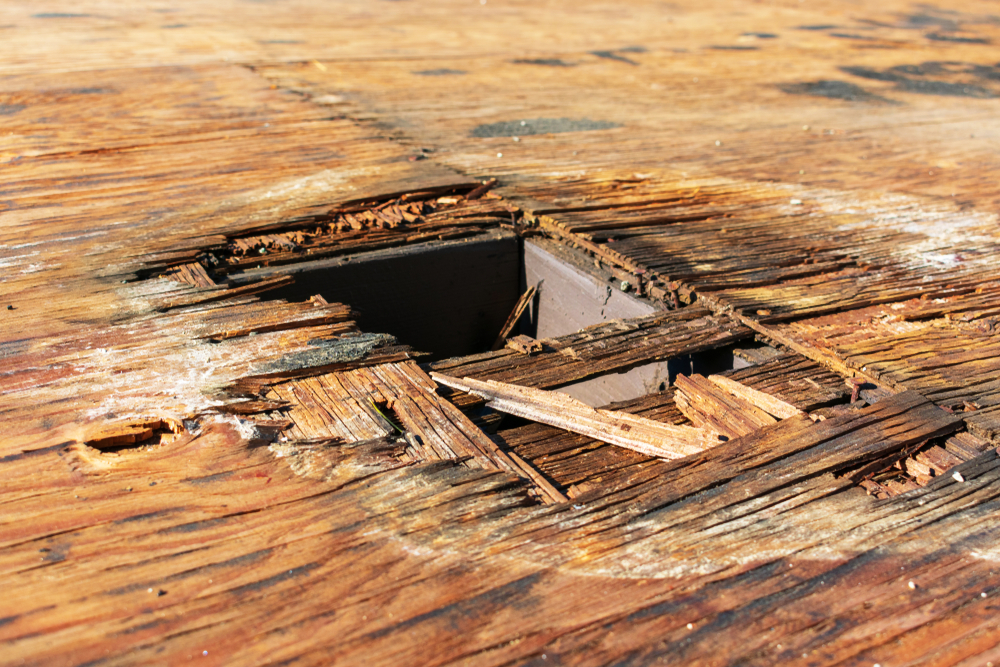
Decks constructed from pressure-treated (PT) lumber or softwoods necessitate more frequent inspections due to their susceptibility to environmental factors. When inspecting these types of decks, prioritize:
- Water Damage: Identify any signs of rotting or warping caused by moisture.
- Insect Infestation: Check for any signs of insect damage, which can compromise structural integrity.
- Structural Soundness: Ensure all boards are secure, and nails or screws are not protruding.
- Resealing Needs: Assess whether the wood requires resealing to protect against weathering.
These inspection points underscore why many opt for the durability of ipe or composite materials for deck construction.
Composite Decking Inspection
Composite decking, known for its blend of wood fibers and synthetic materials, offers durability and resistance to weathering. However, inspections are crucial to maintain its integrity. Focus on:
- Fastener Integrity: Check for any loose or damaged fasteners.
- Board Condition: Look for bowing or sagging boards, which might indicate structural issues.
- Surface Cleaning: Regular cleaning helps maintain appearance and prevent mildew or mold buildup.

Guardrails Inspection
Examine the stability and attachment of guardrails. They should be firm and withstand pressure without significant movement. Look for signs of wear, such as splintering wood, rusting fasteners, or loose components. Ensure that they meet local building codes for height and spacing.
Deck Stairs Inspection
Assess the stairs for stability and wear. Check each step for signs of decay, warping, or breakage. Ensure that the stringers (the side supports of the stairs) are intact and not rotting. Pay attention to the attachment points and look for loose or damaged treads. Stairs should be secure and free from excessive movement. For more inspiration, take a look at these 21 deck steps ideas.
Next Steps After Inspection
If issues are found during your deck inspection, it’s crucial to address them promptly:
- Minor Repairs: If problems are minor, such as loose fasteners, these can often be fixed DIY.
- Professional Consultation: For major concerns, especially structural ones, consult a professional for repair or replacement advice.
- Regular Maintenance: Keep up with regular maintenance to prolong the life of your deck.
Remember, the safety and durability of your deck hinge on regular and thorough inspections. Whether you have a composite or wood deck, staying vigilant about its condition will ensure you enjoy your outdoor space safely for years to come.
Professional Deck Inspection
While this guide aids in self-inspection, a professional inspection is invaluable, particularly for elevated or multi-level decks. They can spot subtle issues and provide insights according to local regulations and standards.
FAQ Section
Q: How often should I inspect my deck?
A: Annually, preferably in the spring, to address any issues caused by winter weather. Read this annual and monthly guide for homeowners.
Q: What are the signs of wood rot?
A: Wood rot typically feels soft and spongy and might appear darker with cracks.
Q: Can I inspect a composite deck the same way as a wooden deck?
A: Yes, but composite decks require less extensive inspection as they’re more resistant to weathering and decay.
Q: What should I do if my deck fails a professional inspection?
A: Follow the inspector’s recommendations for repairs and re-inspect once the repairs are completed.
Q: Is it necessary to hire a professional for a deck inspection?
A: While not always necessary, it’s advisable for complex or older decks to ensure safety and compliance with local codes.
Regular deck inspections are key to maintaining the beauty and safety of your outdoor living space. Remember, when it comes to decking, quality matters. Choose Brazilian Lumber for top-notch decking solutions that stand the test of time. Happy inspecting!
We can mill customs sizes
Premium decking