

 Free Shipping
*Applies to Ipe & Cumaru short length orders from 3–5 ft. Minimum purchase of $2,500 required. U.S. mainland only. Other conditions may apply.



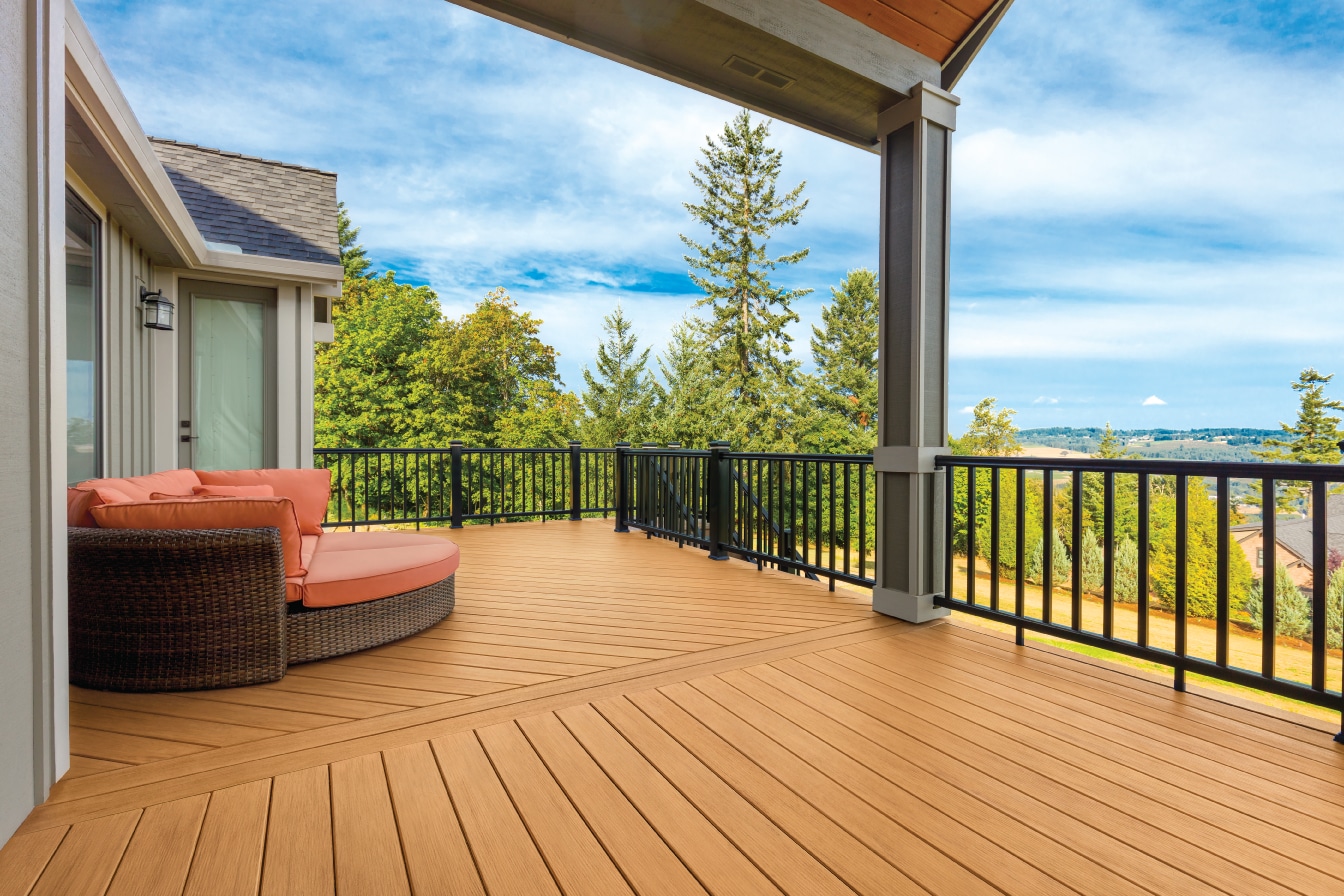
How Long Does a Composite Deck Last?
Best Sellers

Posted on September 27, 2026 at 10:16 pm
Table of Content
A deck is a great way to enjoy your outdoor space. It creates a comfortable place for relaxing, eating, entertaining guests, or spending time with family. When planning a new deck, one of the biggest questions homeowners ask is, “How long does a composite deck last?”
Composite decking is known for its strength, low maintenance, and long life. Unlike traditional wood, it does not need frequent staining, sealing, or painting. It also resists many of the common problems that affect wooden decks.
In this guide, you will learn how long a composite deck typically lasts, what affects its lifespan, how to care for it, and whether it is worth the investment.
What Is Composite Decking?
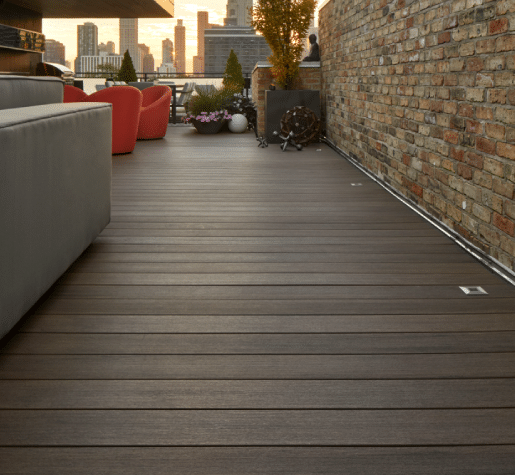
Composite decking is made by combining recycled wood fibers with plastic and other materials. The result is a strong, durable board that looks similar to natural wood but requires much less maintenance.
Many composite boards are also protected by a durable outer shell that helps resist fading, stains, scratches, and moisture.
Because of these features, composite decking has become one of the most popular choices for modern outdoor spaces.
How Long Does a Composite Deck Usually Last?
A quality composite deck can last 25 to 30 years, and premium products can often last 40 to 50 years when properly installed and maintained.
The exact lifespan depends on several factors, including:
- Quality of the decking material
- Climate and weather conditions
- Installation quality
- Amount of foot traffic
- Regular cleaning and maintenance
While no deck lasts forever, composite decking usually lasts much longer than traditional pressure treated wood.
How Does Composite Compare to Wood?
Traditional wood decks typically last between 10 and 20 years with proper maintenance. Without regular care, they may wear out even sooner.
Composite decking offers several advantages over wood.
Read: [4 Tips To Keep Your Hardwood Deck Spotless]
Wood Decks
- Need staining or sealing every few years
- Can rot over time
- May crack or split
- Can attract termites and insects
- Require more maintenance
Composite Decks
- Do not need staining or painting
- Resist moisture and rot
- Less likely to crack or warp
- Resistant to insect damage
- Require only basic cleaning
These benefits help explain why many homeowners choose composite materials despite the higher upfront cost.
What Affects the Lifespan of a Composite Deck?
Several factors determine how long your deck will stay in good condition.
Material Quality
Not all composite decking is the same.
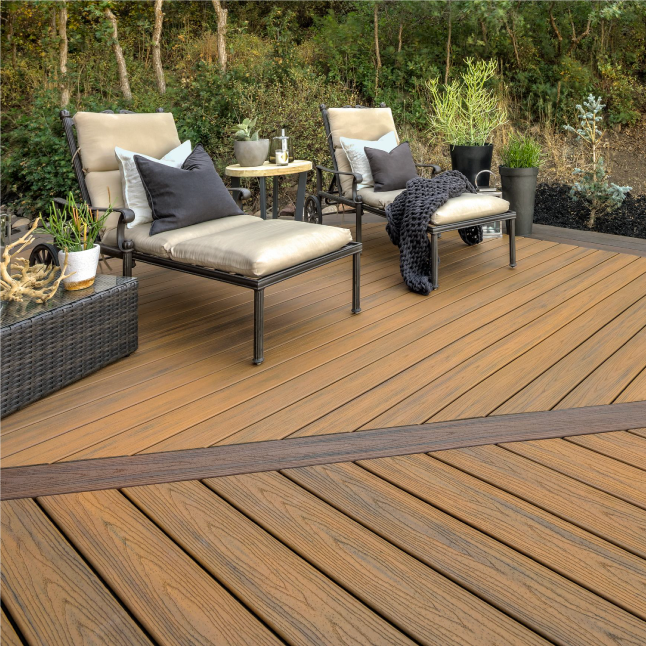
Premium brands often use stronger materials and better protective coatings. These products usually come with longer warranties and better resistance to fading, staining, and moisture.
Lower quality products may wear out faster or show signs of aging sooner.
Installation
Even the best decking can fail if it is installed incorrectly.
A properly built deck should have:
- Strong framing
- Proper spacing between boards
- Good drainage
- Correct fasteners
- Adequate ventilation
Professional installation can help avoid many problems that shorten a deck’s lifespan.
Climate
Weather has a major impact on outdoor structures.
Composite decking generally performs well in many climates, but constant exposure to:
- Heavy rain
- Snow
- Ice
- Strong sunlight
- High humidity
can slowly affect its appearance over many years.
Choosing a product designed for your local climate can improve durability.
Daily Use
A deck that sees heavy use every day will naturally experience more wear than one used only occasionally.
Moving heavy furniture, dragging grills, or dropping sharp objects can leave scratches or marks over time.
Using protective pads under furniture can reduce damage.
Maintenance
Although composite decking is low maintenance, it is not maintenance free.
Simple cleaning helps remove dirt, mold, pollen, and debris that could affect the deck’s appearance.
Regular care helps keep the deck looking newer for longer.
Signs Your Composite Deck Is Aging
Even long lasting composite decks eventually show signs of wear.
Common signs include:
- Surface fading
- Minor scratches
- Stains that become harder to remove
- Loose fasteners
- Damaged boards
- Worn protective coating
These issues usually affect appearance more than safety, especially if addressed early.
Does Composite Decking Fade?
Most composite decking experiences some small amount of fading during the first few months after installation.
After this initial weathering period, the color usually becomes stable.
Modern composite boards are designed with UV protection that greatly reduces long term fading compared to older products.
Choosing lighter colors may also make fading less noticeable over time.
Can Composite Decking Rot?
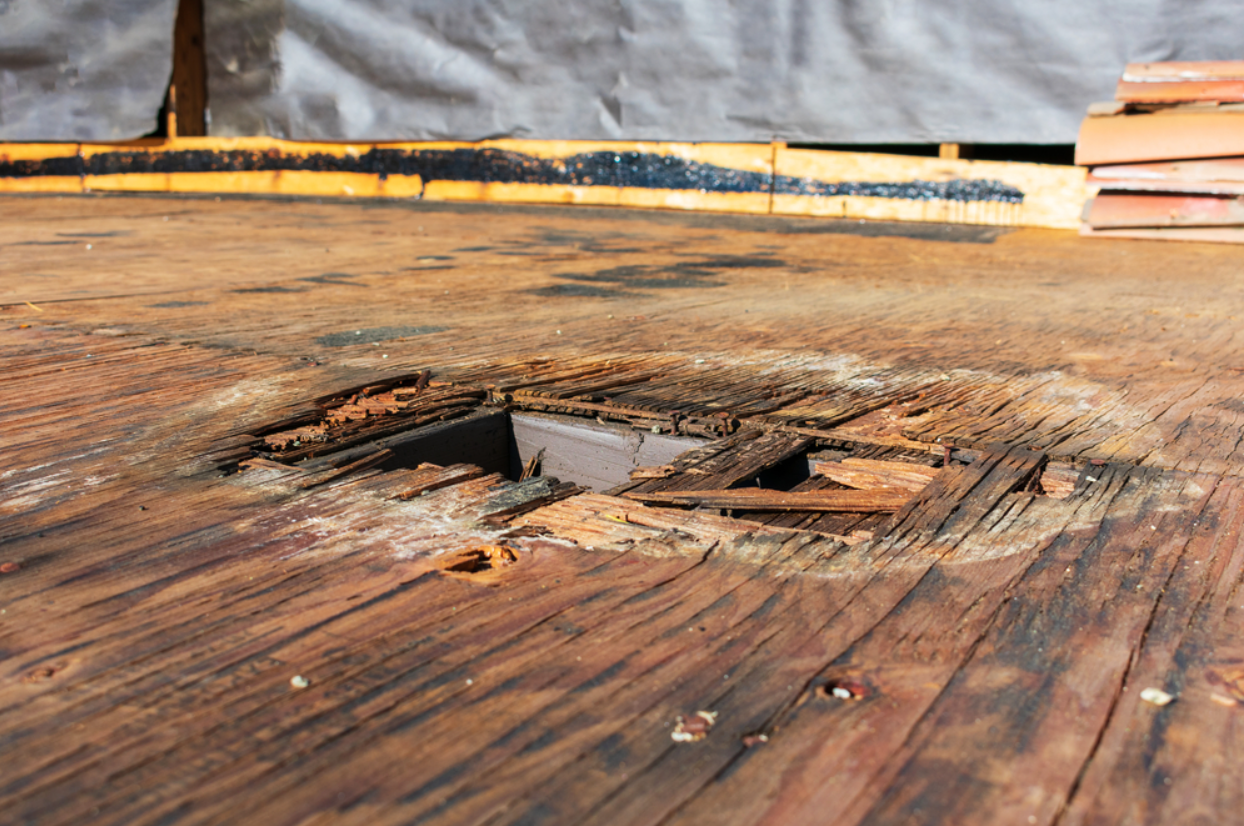
One of the biggest advantages of composite decking is its resistance to rot.
Unlike natural wood, composite boards do not absorb water as easily. This makes them much less likely to develop:
- Wood rot
- Mold damage
- Decay
- Splitting caused by moisture
However, standing water should still be avoided because it can affect the supporting structure beneath the deck.
Can Composite Decking Crack or Warp?
Composite decking is much less likely to crack or warp than traditional wood.
However, poor installation, excessive heat, or heavy impact can still cause damage.
Leaving proper spacing between boards allows for natural expansion and contraction during temperature changes.
Following manufacturer installation guidelines helps prevent these problems.
How to Make a Composite Deck Last Longer
Proper care can add many years to the life of your deck.
Clean It Regularly

Wash the deck with mild soap and water several times a year.
Remove dirt, leaves, and debris that can trap moisture.
Avoid letting spills sit for long periods.
Remove Leaves and Debris
Leaves can hold moisture against the deck surface.
Sweep regularly, especially during fall and after storms.
Clean Spills Quickly
Food, grease, drinks, and sunscreen can leave stains if ignored.
Wipe spills as soon as possible using warm water and a soft brush.
Avoid Harsh Chemicals
Do not use strong solvents, paint removers, or harsh cleaners unless recommended by the manufacturer.
These products can damage the protective surface.
Protect Furniture
Place rubber or felt pads under chairs, tables, and grills.
Avoid dragging heavy furniture across the deck.
Check the Structure
Inspect the deck every year.
Look for loose fasteners, damaged boards, or framing issues.
Fixing small problems early helps avoid larger repairs later.
Is Composite Decking Worth the Cost?
Composite decking usually costs more upfront than wood.
However, many homeowners save money over time because they spend less on:
- Staining
- Painting
- Sealing
- Wood replacement
- Repairs
- Maintenance products
The longer lifespan also means fewer full deck replacements.
For many homeowners, the reduced maintenance and durability make composite decking a good long term investment.
Can Individual Boards Be Replaced?
Yes.
If one board becomes damaged, many composite decks allow individual boards to be replaced without rebuilding the entire deck.
Finding an exact color match may be more difficult if the deck is several years old because older boards naturally weather over time.
Keeping a few extra boards from the original installation can make future repairs easier.
Does Composite Decking Need Sealing?
No.
Unlike wood, composite decking does not require sealing, staining, or painting.
The protective outer layer is designed to withstand weather without additional coatings.
This is one of the biggest reasons homeowners choose composite decking.
Common Myths About Composite Decking
It Never Needs Cleaning
This is false.
Composite decking still benefits from regular cleaning to remove dirt, pollen, mold, and stains.
It Cannot Scratch
Composite decking is scratch resistant but not scratch proof.
Heavy furniture or sharp objects can still leave marks.
It Lasts Forever
Composite decking has a long lifespan, but it will eventually show signs of aging after decades of use.
Proper maintenance helps maximize its life.
Choosing the Right Composite Deck
When shopping for composite decking, consider:
- Warranty length
- Material quality
- Protective coating
- Slip resistance
- Color options
- Fade resistance
- Moisture resistance
- Manufacturer reputation
Comparing these features helps you choose a deck that fits both your budget and your lifestyle.
FAQs About How Long Does a Composite Deck Last
Can you pressure wash a composite deck safely?
Yes, but it should be done carefully. Use a low pressure setting and follow the manufacturer’s recommendations to avoid damaging the deck surface.
Does composite decking become slippery when wet?
Some composite decks can be slippery when wet, but many modern products include textured surfaces that improve grip and reduce the risk of slipping.
Can you install a composite deck yourself?
Yes, many homeowners install composite decking themselves. However, professional installation can help ensure proper spacing, support, and long-term performance.
Is composite decking environmentally friendly?
Many composite decking products are made using recycled wood fibers and recycled plastics, making them a more sustainable choice than some traditional building materials.
Can composite decking handle heavy outdoor furniture?
Yes, composite decking is designed to support normal outdoor furniture, grills, and everyday use when installed on a properly built frame.
Does composite decking get hot in direct sunlight?
Composite decking can become warm in strong sunlight, especially darker colors. Choosing lighter shades can help reduce heat buildup.
Can you paint or stain composite decking later?
Most modern composite decking is not designed to be painted or stained because it already has a protective finish. Always check the manufacturer’s guidelines before making changes.
What is the best time of year to install a composite deck?
Composite decking can be installed throughout the year, but mild weather conditions often make installation easier and help ensure accurate spacing.
Will a composite deck increase home value?
A well-designed composite deck can improve curb appeal and create an attractive outdoor living space, which may increase a home’s value and appeal to buyers.
How do you choose the right color for composite decking?
Consider your home’s exterior, the amount of sunlight the deck receives, maintenance preferences, and the overall outdoor design to select a color that complements your space.
Conclusion
A well built composite deck is designed to last for decades. Most quality products provide 25 to 30 years of reliable performance, while premium options may last 40 years or more with proper care.
Although composite decking costs more than wood at the beginning, its low maintenance, resistance to rot, and long lifespan often make it a better long term value. Regular cleaning, proper installation, and simple annual inspections can help keep your deck looking great for many years.
If you want an outdoor space that combines durability, attractive appearance, and less maintenance, composite decking remains one of the best choices available.
We can mill customs sizes
Premium decking