
 Free Shipping
*Applies to Ipe & Cumaru short length orders from 3–5 ft. Minimum purchase of $2,500 required. U.S. mainland only. Other conditions may apply.



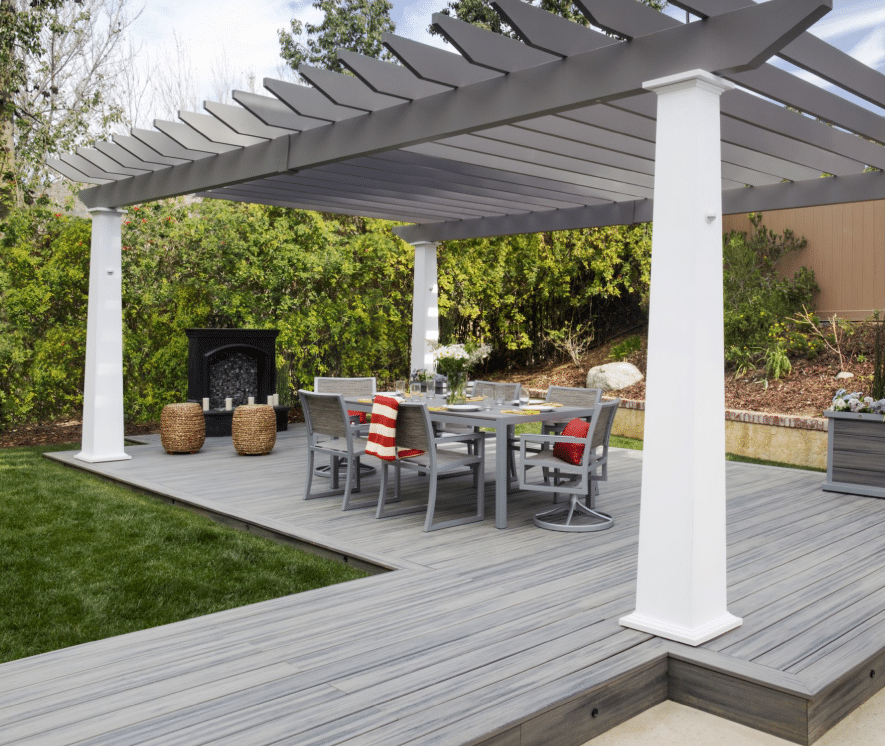
Pergola vs Gazebo: Which Outdoor Structure Is Right for You?
Best Sellers
Posted on October 5, 2026 at 2:31 am
Table of Content
If you want to improve your backyard or outdoor living space, adding a pergola vs gazebo can make a big difference. Both can create a beautiful and comfortable area for relaxing, entertaining guests, and enjoying the outdoors. However, a pergola and a gazebo are not the same. They differ in design, structure, shade, and how they are typically used.
Many homeowners struggle to decide between a pergola and a gazebo because each offers different benefits. The right choice depends on your budget, available space, style, and how you plan to use it.
This guide explains the differences between a pergola and a gazebo, along with their pros, cons, costs, maintenance needs, and tips to help you choose the best option for your home.
What Is a Pergola?
A pergola is an outdoor structure made with vertical posts that support an open roof made of beams or slats. Unlike a fully covered structure, a pergola allows sunlight and air to pass through.
Pergolas are commonly installed over patios, decks, walkways, outdoor kitchens, or seating areas.
Modern pergolas are available in wood, aluminum, vinyl, steel, and composite materials. Some also include adjustable louvers or retractable canopies for additional shade.
What Is a Gazebo?
A gazebo is a freestanding outdoor structure with a solid roof that provides complete protection from the sun and light rain. It is usually open on the sides, although some designs include railings, screens, or enclosed walls.
Gazebos are often placed in gardens, parks, backyards, or near pools.
They are commonly used for outdoor dining, family gatherings, weddings, and relaxation.
Main Difference Between a Pergola and a Gazebo
The biggest difference is the roof.
A pergola has an open roof that provides partial shade while allowing sunlight to filter through.
A gazebo has a fully covered roof that offers complete shade and better protection from weather.
This difference affects how each structure looks, feels, and functions.
Pergola vs Gazebo Comparison
| Feature | Pergola | Gazebo |
| Roof | Open slats or beams | Fully covered roof |
| Shade | Partial | Full |
| Rain Protection | Limited | Excellent |
| Airflow | Excellent | Good |
| Style | Modern and open | Traditional and enclosed |
| Cost | Usually lower | Usually higher |
| Installation | Easier | More complex |
| Maintenance | Depends on material | Depends on material |
Advantages of a Pergola
Pergolas have become increasingly popular because they create an open and stylish outdoor space.
Modern Appearance
Pergolas have clean lines and a contemporary look that works well with modern homes.
They can make patios and decks feel larger without blocking the view.
Better Airflow
Because the roof is open, air moves freely through the structure.
This creates a comfortable outdoor space even during warmer months.
Flexible Design
Pergolas can be customized with:
- Climbing plants
- Hanging lights
- Outdoor curtains
- Ceiling fans
- Retractable canopies
- Privacy screens
This flexibility allows homeowners to create a personalized outdoor area.
Lower Cost
In most cases, pergolas cost less than gazebos because they require fewer materials and simpler construction.
Disadvantages of a Pergola
Pergolas are not perfect for every situation.
Some drawbacks include:
- Limited protection from rain
- Less shade during sunny afternoons
- Not ideal for year-round weather protection
- May require additional shade covers
If you need complete shelter, a pergola may not be the best option.
Advantages of a Gazebo
Gazebos offer more protection from the elements and create a comfortable gathering space.
Full Shade
A solid roof keeps the seating area cooler during hot weather.
This makes gazebos ideal for outdoor dining and entertaining.
Better Weather Protection
Gazebos protect against:
- Strong sunlight
- Light rain
- Falling leaves
- Bird droppings
Some enclosed gazebos even provide protection from insects.
Classic Design
Gazebos add elegance and charm to gardens and landscapes.
Their traditional appearance works well with many home styles.
Great for Gatherings
Because of their covered design, gazebos are popular for:
- Family dinners
- Birthday parties
- Weddings
- Outdoor celebrations
Disadvantages of a Gazebo
Gazebos also have some limitations.
These include:
- Higher installation costs
- Larger footprint
- More materials required
- Can block views
- Longer construction time
For smaller backyards, a gazebo may take up too much space.
Which Structure Provides Better Shade?
If shade is your top priority, a gazebo is the better option.
Its solid roof blocks direct sunlight throughout the day.
A pergola provides filtered sunlight instead of complete shade.
However, adding fabric covers, climbing vines, or adjustable louvers can improve the shade provided by a pergola.
Which Is Better for Rain?
Gazebos offer much better protection from rain.
The solid roof keeps furniture and guests dry during light showers.
A standard pergola does not provide enough protection unless it includes a waterproof canopy or louvered roof.
Which Lasts Longer?
The lifespan depends more on the material than the structure itself.
- Wood structures generally last 15 to 25 years with proper maintenance.
- Aluminum and steel structures often last 25 years or more.
- Vinyl requires little maintenance and can also provide many years of service.
Regular inspections and proper care help both pergolas and gazebos last longer.
Maintenance Requirements
Pergola Maintenance
Wood pergolas may need:
- Cleaning
- Staining
- Sealing
- Painting
- Occasional repairs
Aluminum and vinyl pergolas usually require only basic washing.
Gazebo Maintenance
Gazebos require similar maintenance depending on the material.
Additional roof maintenance may include:
- Removing leaves
- Cleaning gutters if installed
- Checking shingles or roof panels
- Inspecting for leaks
Material Options
Both pergolas and gazebos are available in several materials.
Wood
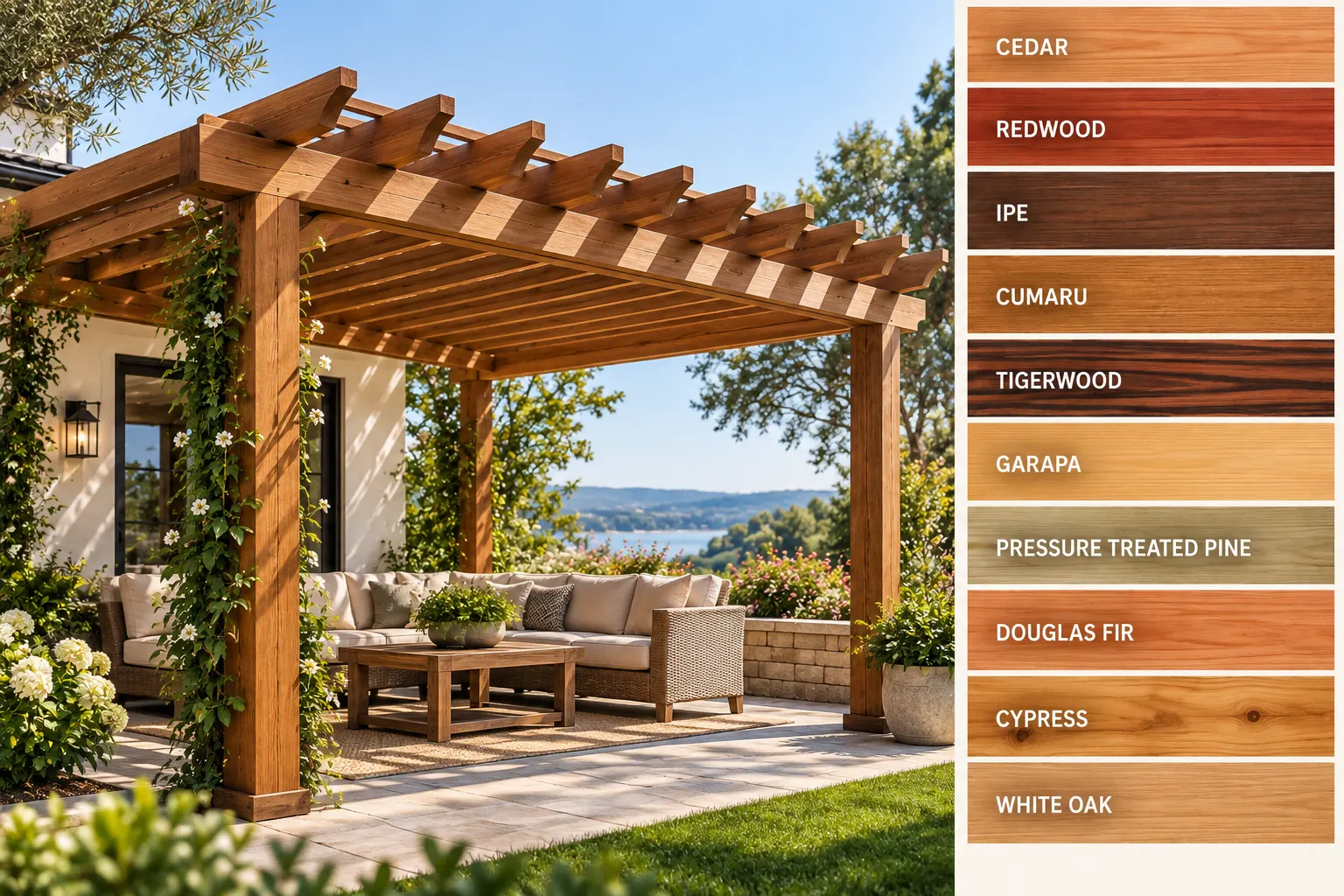
Wood offers natural beauty but requires regular maintenance.
Popular choices include:
- Cedar
- Redwood
- Pressure-treated pine
Aluminum
Aluminum is lightweight, rust resistant, and low maintenance.
It is popular for modern outdoor spaces.
Vinyl
Vinyl is easy to clean and never needs painting.
It works well in humid climates.
Steel
Steel provides excellent strength and durability but may require rust protection if the finish becomes damaged.
Pergola And Gazebo Cost Comparison

Costs vary depending on size, materials, and customization.
In general:
- Pergolas usually cost less because they use fewer materials.
- Gazebos often cost more because they include a complete roof and stronger framing.
Custom-built structures cost more than prefabricated kits. Professional installation also increases the total project cost.
Best Uses for a Pergola
A pergola is ideal for:
- Patios
- Decks
- Outdoor kitchens
- Garden pathways
- Poolside seating
- Outdoor lounges
It works well if you enjoy open outdoor spaces with partial shade.
Best Uses for a Gazebo
A gazebo is ideal for:
- Outdoor dining
- Garden seating
- Hot tub covers
- Wedding venues
- Backyard gathering spaces
- Parks and community areas
It creates a comfortable outdoor room that can be enjoyed in many weather conditions.
Can You Add Lighting to Pergola And Gazebo?
Yes.
Both pergolas and gazebos can include:
- String lights
- LED lighting
- Hanging lanterns
- Ceiling fans with lights
- Recessed lighting
Lighting makes these outdoor spaces more enjoyable during the evening.
Can You Add Privacy to Pergola And Gazebo?
Absolutely.
Privacy can be improved by adding:
- Outdoor curtains
- Decorative screens
- Wooden panels
- Climbing plants
- Lattice walls
These additions also improve comfort and appearance.
Which Adds More Value to a Home?
Both structures can increase curb appeal and improve outdoor living space.
Homebuyers often appreciate well-designed outdoor features that extend usable living areas.
The value added depends on:
- Quality of construction
- Overall landscape design
- Neighborhood expectations
- Condition of the structure
A professionally built pergola or gazebo can make a property more attractive to potential buyers.
How to Choose Between a Pergola and a Gazebo
A pergola may be the better choice if you:
- Prefer a modern design
- Want partial shade
- Have a smaller budget
- Enjoy open outdoor spaces
- Want a flexible design
A gazebo may be the better choice if you:
- Want complete weather protection
- Plan to entertain often
- Need maximum shade
- Prefer a traditional appearance
- Have enough backyard space
Pergola VS Gazebo FAQs
Can a pergola or gazebo be attached to a house?
Yes. Pergolas can be attached to a home or built as freestanding structures. Gazebos are typically freestanding, although some custom designs can connect to a house.
Do you need a building permit to install a pergola or gazebo?
In many areas, a permit may be required depending on the size, height, and location of the structure. Check with your local building authority before starting your project.
Can you install a pergola or gazebo on an existing deck?
Yes. Both structures can often be installed on an existing deck if the deck is strong enough to support the additional weight.
Which option is better for windy areas?
A properly anchored gazebo or pergola can withstand wind, but open pergolas generally allow wind to pass through more easily. Always choose a structure designed for your local weather conditions.
Can you install solar lights on a pergola or gazebo?
Yes. Solar-powered lights are a popular option because they are easy to install and do not require electrical wiring.
Are pergolas and gazebos suitable for small backyards?
Yes. Both are available in a variety of sizes, allowing homeowners to choose a design that fits smaller outdoor spaces without making the area feel crowded.
Can you add outdoor speakers to a pergola or gazebo?
Yes. Weather-resistant outdoor speakers can be installed to create an enjoyable space for entertaining or relaxing.
Which structure is easier to relocate if you move?
Portable or kit-style pergolas are generally easier to disassemble and move than permanent gazebos, which often require more extensive construction.
Do pergolas or gazebos attract pests?
Neither structure attracts pests on its own, but keeping the area clean and free of standing water, food scraps, and debris can help reduce insects and other unwanted visitors.
Can a pergola or gazebo support hanging plants or decorations?
Yes. Both structures can support hanging baskets, decorative lanterns, wind chimes, and seasonal decorations, provided they stay within the manufacturer’s recommended weight limits.
Conclusion
Both pergolas and gazebos are excellent additions to an outdoor living area, but they serve different purposes.
A pergola creates an open, stylish space with partial shade and excellent airflow. It is often more affordable and highly customizable, making it a popular choice for patios and decks.
A gazebo provides full shade and better protection from the weather. Its covered roof creates a comfortable gathering space that works well for outdoor dining, celebrations, and relaxing throughout the year.
Before making your decision, consider your budget, available space, maintenance preferences, and how you plan to use the structure. Choosing the one that fits your lifestyle will help you enjoy your outdoor space for many years.
We can mill customs sizes
Premium decking
Search engine
Use this form to find things you need on this site

Deckotech Collection

Oct 26 – Nov 6 · For trade professionals
Scary-good trade pricing
Sign up to get up to 27% trade discount across the Deckotech range.
Offer valid for new contractors only and does not apply to purchases made before October 26, 2026. The promotion cannot be combined with additional discounts or existing contractor pricing. Discounts may vary depending on the product, length, and availability. Limited stock available. This promotion is valid through November 6, 2026.