

 Free Shipping
*Applies to Ipe & Cumaru short length orders from 3–5 ft. Minimum purchase of $2,500 required. U.S. mainland only. Other conditions may apply.



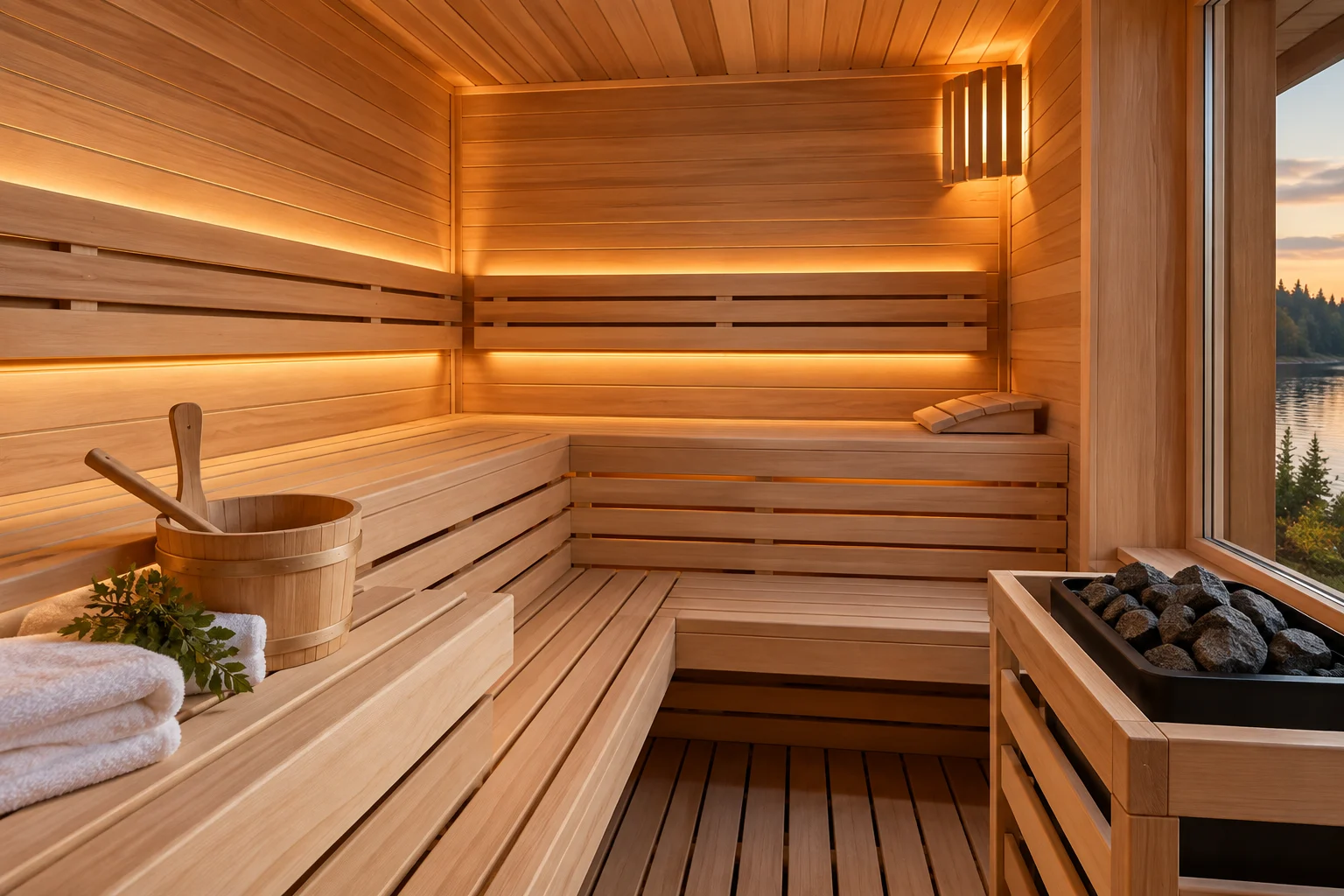
9 Best Wood for Saunas
Best Sellers

Posted on September 29, 2026 at 12:37 am
Table of Content
The wood also has a major effect on how the sauna looks and feels. Some woods have a warm color and noticeable grain, while others have a light, clean appearance. Some have a natural aroma, while others have very little scent.
Common choices include cedar, aspen, hemlock, spruce, basswood, and alder. Each has different characteristics, so the best wood depends on where it will be used and what you want from the finished sauna.
Key Takeaways
- Choosing the right wood for sauna is important because it must handle high temperatures, moisture, and repeated heating and cooling.
- Low-density woods are often preferred for sauna interiors because they stay more comfortable to touch when heated.
- Wood should have good stability and low moisture movement to help reduce warping and cracking.
- Popular sauna woods include cedar, hemlock, spruce, aspen, and other species suited to high-heat environments.
- The best wood for sauna depends on factors such as heat resistance, comfort, appearance, durability, moisture performance, and budget.
What Makes a Wood Good for a Sauna?
Not every type of wood is a good choice for a sauna. The high heat and changing moisture levels create conditions that can affect wood over time.
A suitable sauna wood should have several important characteristics.
It should have good dimensional stability so it can handle changes in temperature and humidity without excessive movement. It should also have relatively low heat conductivity, especially when it is used for benches and backrests.
The surface should be smooth and comfortable because people often sit or lean directly against the wood. Woods with excessive knots, rough areas, or resin can be less suitable for these surfaces.
The wood should also be appropriate for the temperature range of the sauna and should not release unwanted substances when heated.
Appearance matters too. A sauna is designed to be a relaxing space, and natural wood can create much of its character.
Cedar
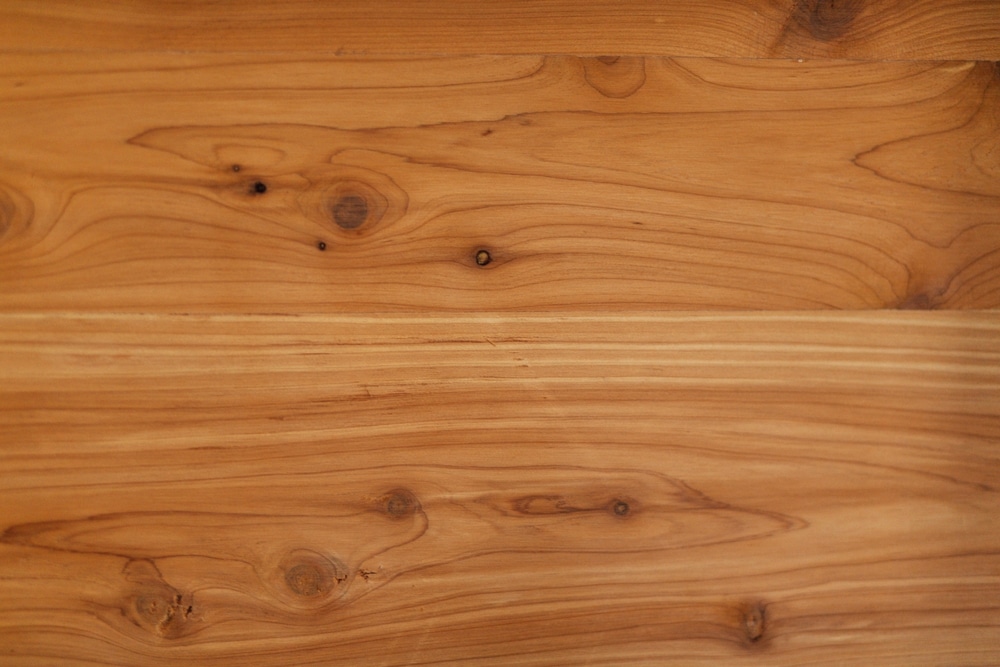
Cedar is one of the most popular woods for sauna interiors. Western red cedar is especially well known for this use.
Its warm color can range from light brown to reddish tones, giving a sauna a traditional and natural appearance. Cedar also has a distinctive aroma that becomes more noticeable when the wood is heated.
One reason cedar is widely used is its natural resistance to moisture and decay. This makes it useful in an environment where the wood regularly encounters heat and humidity.
Cedar is also relatively lightweight and easy to work with. It can be used for wall and ceiling boards, benches, backrests, and other interior details.
Cedar is particularly appealing if you want a sauna with a warm color and a noticeable natural wood scent.
However, not everyone prefers a strong wood aroma. If you want a more neutral-smelling sauna, another species may be a better choice.
Aspen
Aspen is one of the most traditional choices for sauna interiors, particularly in Nordic sauna design.
It has a pale, almost white appearance with a subtle grain. This gives the sauna a bright and clean look.
Aspen is also valued for its low heat conductivity. This is especially useful for benches, backrests, and other areas that come into direct contact with the body.
The wood has a relatively mild appearance and does not have the strong aroma associated with cedar. For people who prefer a simple and natural sauna environment, this can be a major advantage.
Aspen is commonly used for walls, ceilings, benches, and backrests.
If comfort and a light interior are your main priorities, aspen is one of the strongest options to consider.
Hemlock
Hemlock is another widely used sauna wood. It is often chosen for its light color and clean appearance.
The grain is generally subtle, which gives hemlock a more uniform look than many knotty softwoods.
Hemlock has a relatively low resin content compared with some other softwoods. This is an important consideration in a sauna because high temperatures can affect resin in wood.
The pale appearance of hemlock works well in both traditional and modern sauna designs. It can also be combined with darker materials to create contrast.
Hemlock is suitable for wall and ceiling paneling and can also be used for benches when the appropriate grade and material are selected.
For someone looking for a light-colored sauna without the stronger aroma of cedar, hemlock is a practical option.
Basswood
Basswood is a light, fine-grained wood that is commonly used for sauna interiors.
One of its biggest advantages is its smooth texture. It also has relatively low heat conductivity, which makes it comfortable for surfaces that come into contact with the body.
Basswood has a very mild appearance and little natural odor. This makes it a good choice for people who want the heat and atmosphere of a sauna without a strong wood scent.
It is also relatively soft and easy to work with, making it useful for detailed sauna components.
Basswood can be used for walls, ceilings, benches, backrests, and other interior surfaces.
Its light color can make a sauna feel bright and spacious, particularly in smaller rooms.
Spruce
Spruce has a long history of use in traditional sauna construction.
It typically has a pale color with a visible grain pattern. Depending on the grade, it can contain a noticeable number of knots.
Spruce can give a sauna a classic appearance and is widely available in many areas.
It is commonly used for walls and ceilings. When selecting spruce for a sauna, the grade of the wood is important. Boards with large or loose knots may not be the best choice for benches or areas where people sit or lean.
Spruce can also contain natural resin. For this reason, it is important to select a suitable grade and use the material appropriately within the sauna.
If you like the traditional appearance of visible wood grain, spruce can be an attractive choice.
Alder
Alder is another option for sauna interiors, particularly when a warmer color is desired.
It generally has a reddish or light brown appearance and a relatively consistent grain.
Alder can give a sauna a more distinctive look than very pale woods such as aspen or basswood. It can also work well with modern sauna designs.
The wood can be used for benches, walls, backrests, and other interior elements when the appropriate material is selected.
Alder is often chosen primarily for its appearance and smooth feel.
Pine
Pine is widely available and is used in many types of construction. It can also be found in some sauna projects.
It has a familiar wood appearance with visible grain and knots. However, pine naturally contains resin, which can become soft or move toward the surface when exposed to high heat.
Because of this, pine requires careful selection when used inside a sauna.
Not all pine products are intended for high-temperature sauna environments. The species, grade, moisture content, and intended location should be considered before using it.
Pine may be suitable for certain sauna applications, but it is generally important to choose material specifically intended for the conditions in which it will be used.
Cedar vs Aspen
Cedar and aspen are two of the most popular choices for sauna interiors, but they create very different results.
Cedar has a warmer color and a noticeable natural aroma. It also has natural resistance to moisture and decay.
Aspen is much lighter in color and has a more subtle grain. It has little natural aroma and is known for being comfortable for sauna benches and other surfaces.
If you want a warm, aromatic sauna, cedar may be more appealing.
If you prefer a light, clean, and neutral interior, aspen may be a better fit.
Both can work well when properly selected and installed.
Hemlock vs Cedar
Hemlock and cedar also offer different appearances and experiences.
Cedar has reddish tones and a stronger aroma. Hemlock is usually much lighter and has a more uniform appearance.
Hemlock can be a good choice for a modern sauna where you want a simple, neutral interior.
Cedar can work particularly well when you want the wood itself to become a major part of the sauna’s character.
The choice between them often comes down to appearance, aroma, and personal preference.
Alternatives to Traditional Sauna Wood
Apart from traditional sauna woods such as cedar, aspen, hemlock, and spruce, ThermoWood, Lunawood, and Thermo-Ayous are also popular options for sauna interiors. Thermally modified woods are treated using heat to improve their dimensional stability and resistance to moisture.
Ayous, thermo pine, thermo ash, and thermo spruce can also be considered for sauna applications when they are specifically manufactured and rated for high-temperature environments.
PVC and composite materials are generally not ideal for the hot interior of a traditional sauna, especially near the heater, because high temperatures can affect these materials and their coatings. They may be more suitable for areas outside the hot sauna room rather than as a direct replacement for sauna-grade wood.
What Is the Best Wood for Sauna Benches?
Benches require more careful wood selection than many other sauna surfaces. People sit or lie directly on sauna benches, so the wood should remain reasonably comfortable even when the sauna is hot.
Aspen and basswood are popular choices because of their low heat conductivity and smooth surfaces. Alder is another option, while suitable grades of cedar and hemlock can also be used.
The wood should be carefully sanded and finished according to sauna requirements. Large knots and rough surfaces should generally be avoided on areas that come into direct contact with skin.
What Is the Best Wood for Sauna Walls?
There are several good choices for sauna walls.
Cedar is popular for its warm color and aroma. Aspen and hemlock are good options when a lighter interior is preferred. Spruce can provide a traditional appearance, while alder creates warmer tones.
The wall wood does not necessarily need to have the same characteristics as bench wood because it is not normally in constant contact with the body.
However, it still needs to handle the heat and moisture conditions inside the sauna.
What Is the Best Wood for Sauna Ceilings?
The ceiling is one of the hottest parts of a sauna, so material selection is important.
Cedar, aspen, hemlock, and spruce are commonly considered for sauna ceilings.
A light-colored wood such as aspen or hemlock can make the interior feel brighter. Cedar can create a warmer and more traditional appearance.
The installation also matters. Proper spacing, fastening, ventilation, and allowance for natural wood movement can help the ceiling perform well over time.
Does Wood Color Matter in a Sauna?
Wood color does not determine whether a species is suitable for a sauna, but it can have a major effect on the appearance of the finished room.
Light woods such as aspen, basswood, and hemlock can make a small sauna feel brighter and more open.
Cedar and alder provide warmer colors that can make the space feel more traditional and cozy.
The choice can also be influenced by the lighting in the room. Warm lighting combined with darker wood can create a different atmosphere from bright lighting combined with pale wood.
Does Sauna Wood Need to Be Knot Free?
It does not always need to be completely knot free, but the location of the wood matters.
Knots are a natural part of many wood species. They can add character to walls and ceilings, but large or loose knots can be uncomfortable on benches.
For benches and backrests, clearer grades with fewer knots are often preferred.
For wall and ceiling boards, knots may be acceptable if they are secure and fit the desired appearance.
The important point is to choose the right grade for the specific application.
Should You Use a Finish on Sauna Wood?
Many sauna interiors are left unfinished because natural wood provides the desired appearance and feel.
However, some sauna-specific products can be used to protect certain surfaces.
It is important not to assume that a regular household wood finish is safe for a sauna. Paints, stains, oils, and sealers can react differently when exposed to high temperatures.
If a finish is being considered, it should be specifically designed and approved for the intended sauna application. Always follow the manufacturer’s instructions.
How Long Does Sauna Wood Last?
The lifespan of sauna wood depends on the species, quality, installation, ventilation, cleaning, and frequency of use.
A well-designed sauna with suitable materials can remain usable for many years.
Good ventilation is especially important. After the sauna is used, allowing the interior to dry can help reduce prolonged exposure to moisture.
Regular cleaning and inspection can also help identify problems before they become more serious.
The wood itself is only one part of the sauna system. Proper construction and maintenance have a major effect on its long-term performance.
How to Choose the Best Wood for Your Sauna
Start with the areas where the wood will be installed.
For benches and backrests, focus on comfort, low heat conductivity, smoothness, and the absence of problematic knots or resin.
For walls and ceilings, appearance, stability, heat performance, and overall design may be more important.
Then consider the look you want.
Choose cedar if you like warm colors and a noticeable wood aroma. Choose aspen if you want a light, simple interior. Hemlock is a good option for a clean and neutral appearance. Basswood offers a smooth, light surface, while spruce provides a traditional look. Alder is useful when you want warmer tones and a distinctive appearance. Availability and budget should also be considered. Prices can vary depending on the species, grade, thickness, profile, and location.
Most importantly, choose material that is intended for sauna use and follow proper installation practices.
Frequently Asked Questions
What Is the Best Wood for a Sauna?
Cedar, aspen, hemlock, basswood, spruce, and alder are among the most commonly used woods for saunas. The best option depends on the area being built and the desired appearance.
What Is the Best Wood for a Sauna Bench?
Aspen and basswood are popular choices for sauna benches because they have low heat conductivity and can feel comfortable against the skin when the sauna is hot.
Is Cedar or Aspen Better for a Sauna?
Both can work well, but they offer different characteristics. Cedar has a warmer color and stronger aroma, while aspen has a lighter appearance and a more neutral scent.
Can You Use Oak Wood in a Sauna?
Oak is not commonly used for sauna interiors because it can behave differently under high heat and moisture than woods traditionally selected for sauna construction. Sauna-specific woods are generally preferred.
Can You Use Pressure-Treated Wood in a Sauna?
Pressure-treated wood should not be used for interior sauna surfaces because the chemicals used during treatment are not intended for exposure to high indoor sauna temperatures.
What Wood Should Not Be Used in a Sauna?
Wood that is unsuitable for high temperatures, contains excessive resin, has unstable characteristics, or has been treated with inappropriate chemicals should not be used for sauna interiors.
Is Pine Good for a Sauna?
Pine can be used in some sauna applications, but it needs careful selection. Pine can contain resin that may soften when exposed to high temperatures, so sauna-suitable grades are important.
Does Sauna Wood Need to Be Sealed?
Not necessarily. Many sauna interiors use unfinished wood. If a protective product is desired, it should be specifically designed and approved for sauna use.
What Color Wood Is Best for a Sauna?
There is no single best color. Light woods such as aspen and hemlock can create a bright, open appearance, while cedar and alder provide warmer tones.
How Thick Should Sauna Wood Be?
The appropriate thickness depends on the wood species, profile, installation method, and location within the sauna. Sauna boards should be selected according to the manufacturer’s specifications and the construction design.
Conclusion
The best wood for a sauna is not necessarily the most expensive or most popular species. The right choice depends on where the wood will be installed, how the sauna will be used, and the appearance you want.
Cedar remains a popular option because of its warm color, natural aroma, and moisture-related properties. Aspen is valued for its light appearance and comfortable surface. Hemlock provides a clean and neutral look, while basswood offers a smooth, light-colored surface. Spruce gives a traditional sauna appearance, and alder adds warmer tones.
For benches and backrests, comfort and heat performance should be major priorities. For walls and ceilings, appearance and stability can play a larger role.
By choosing the right species and grade for each part of the sauna, you can create an interior that is comfortable, attractive, and suitable for regular sauna use.
We can mill customs sizes
Premium decking