

 Free Shipping
*Applies to Ipe & Cumaru short length orders from 3–5 ft. Minimum purchase of $2,500 required. U.S. mainland only. Other conditions may apply.




How to Install PVC Trim: A Step-by-Step Guide
Best Sellers

Posted on February 29, 2024 at 8:42 am
Table of Content
If you’re looking to enhance the aesthetics and durability of your outdoor construction project, PVC trim can be an excellent choice. Whether you’re a professional contractor or a DIY enthusiast, understanding how to install PVC trim is essential to achieving a polished and long-lasting finish.
In this guide, brought to you by Brazilian Lumber, experts in outdoor construction materials, we’ll walk you through the process of how to install PVC trim, its benefits, and tips to ensure a successful project. Take a look!
What is PVC Trim?

PVC (Polyvinyl Chloride) trim is a versatile building material known for its durability, weather resistance, and low maintenance requirements. It is commonly used as an alternative to traditional wood trim due to its ability to withstand harsh environmental conditions without rotting, warping, or deteriorating.
PVC trim is available in various sizes, shapes, and finishes, making it suitable for a wide range of applications, from window casings and fascia boards to door surrounds and exterior trim. The well-known brand Versatex is ready to take your PVC Trim to another level.
Benefits of PVC Trim
Before we delve into the installation process, let’s explore some of the key advantages of using PVC trim:
1. Weather Resistance
One of the primary benefits of PVC trim is its exceptional resistance to moisture, UV rays, and extreme temperature fluctuations. Unlike wood trim, PVC won’t swell, crack, or warp when exposed to rain, snow, or intense sunlight.
This weather-resistant quality ensures that your PVC trim will maintain its appearance and structural integrity over time.
2. Low Maintenance
PVC trim is virtually maintenance-free. It doesn’t require painting or staining, saving you time and money on upkeep. A simple routine cleaning with soap and water is all it takes to keep your PVC trim looking fresh and vibrant.
3. Longevity
PVC trim has a long lifespan, often outlasting traditional wood trim by many years. Its resistance to decay and pests ensures that it will remain in excellent condition for decades, reducing the need for frequent replacements.
4. Versatility
PVC trim comes in various sizes, shapes, and textures, allowing for versatile applications in both interior and exterior projects. It can be easily cut, shaped, and installed to achieve your desired architectural design.

How to Install PVC Trim
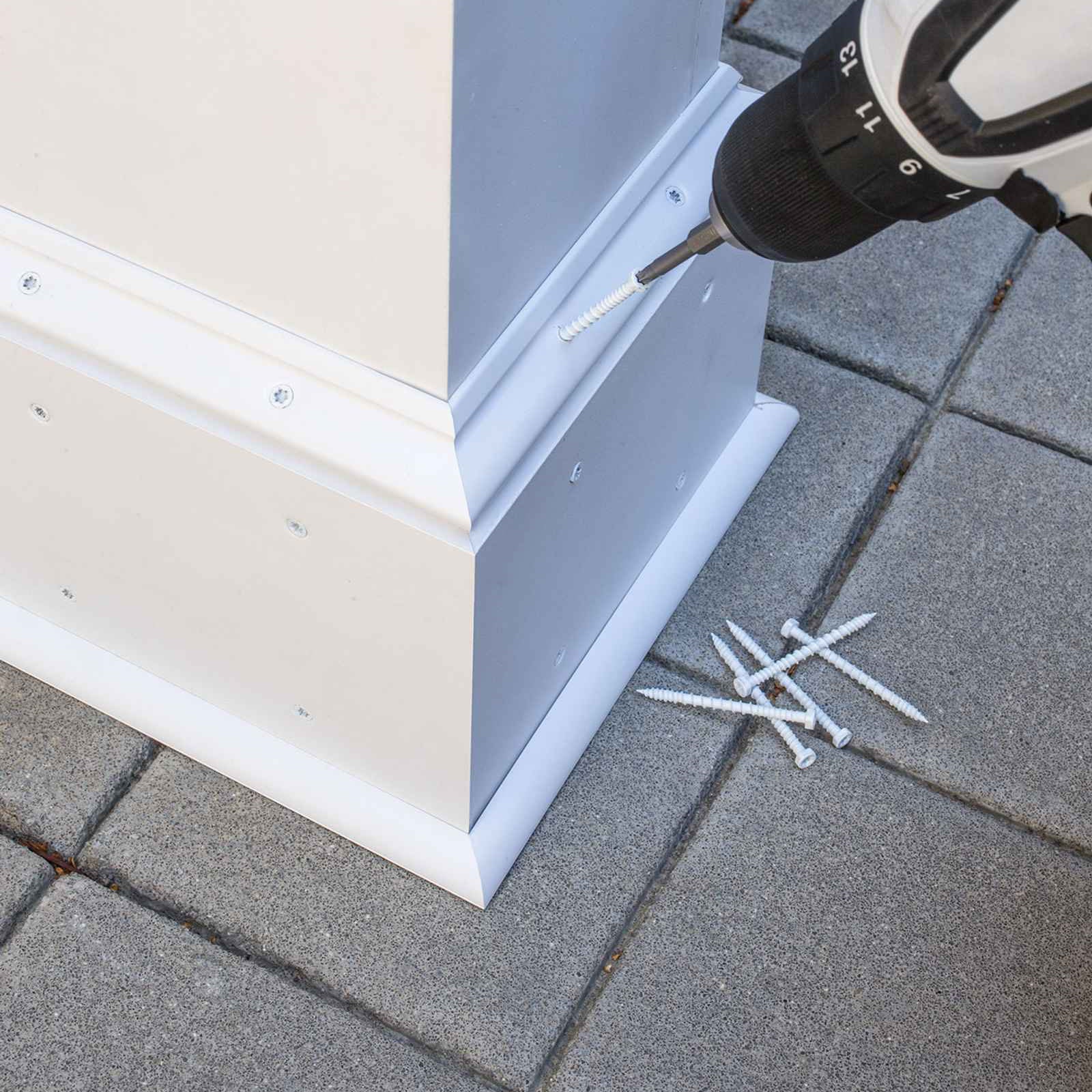
Now, let’s get into the nitty-gritty of PVC trim installation. Follow these step-by-step instructions to ensure a smooth and successful process.
Step 1: Gather Your Tools and Materials
Before you begin, make sure you have all the necessary tools and materials on hand:
- PVC trim boards
- Measuring tape
- Pencil
- Miter saw or circular saw with a fine-toothed blade
- Stainless steel or galvanized nails
- Caulk and caulking gun
- Sandpaper
- Safety glasses and ear protection
- Work gloves
Step 2: Measure and Cut the PVC Trim
Start by measuring the area where you intend to install the PVC trim. Use a measuring tape and pencil to mark the trim boards’ dimensions accurately. When cutting PVC trim, be sure to use a fine-toothed blade on your saw to prevent chipping or splintering. Take your time to ensure clean and precise cuts.
Step 3: Prepare the Surface
Before attaching the PVC trim, ensure that the surface is clean and free from debris. Sand any rough edges on the trim boards to create a smooth finish. If you’re working with a painted surface, remove any loose or peeling paint to ensure proper adhesion.
Step 4: Install the PVC Trim
Position the PVC trim boards in their designated locations. Use stainless steel or galvanized nails to secure the trim to the substrate. Space the nails evenly, approximately every 16 inches, to ensure a secure attachment.
Be mindful of the trim’s expansion and contraction due to temperature fluctuations; leave a small gap of about 1/8 inch between the trim and adjacent surfaces.
Step 5: Caulk the Joints and Seams
To provide additional protection against moisture infiltration and to achieve a seamless look, apply a high-quality exterior-grade caulk to the joints and seams of the PVC trim.
Use a caulking gun to ensure even and consistent application. Smooth the caulk with a damp cloth or your finger for a neat finish.
Step 6: Finish and Clean Up
After completing the installation and allowing the caulk to dry, inspect the PVC trim for any imperfections or excess caulk. Sand any rough spots or excess caulk to achieve a flawless appearance.
Clean up your workspace, dispose of any waste materials properly, and store any leftover PVC trim for future use.
Tips for a Successful PVC Trim Installation
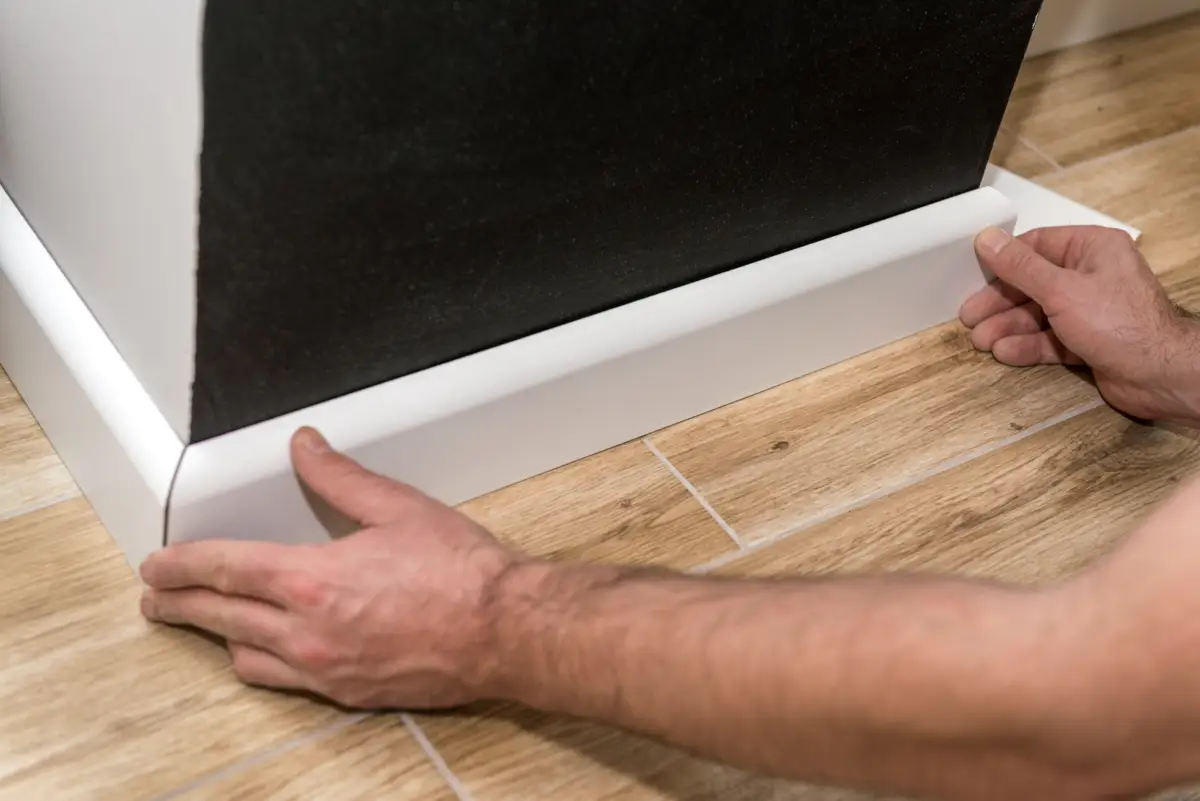
To ensure a successful PVC trim installation, consider the following tips:
- Work with a Partner: Installing PVC trim can be easier and safer when done with a partner, especially when handling long or heavy boards.
- Use Stainless Steel or Galvanized Fasteners: These materials are corrosion-resistant and will ensure a long-lasting connection.
- Follow Manufacturer’s Guidelines: Always adhere to the manufacturer’s recommendations for installation and maintenance to maximize the lifespan of your PVC trim.
- Avoid Overdriving Nails: Be cautious not to overdrive nails, as this can lead to dimpling or damaging the PVC trim’s surface.
- Plan for Expansion and Contraction: Remember that PVC trim expands and contracts with temperature changes, so leave sufficient gaps and use flexible caulk to accommodate these movements.
In Conclusion
PVC trim offers an excellent solution for enhancing the aesthetics and durability of your outdoor construction projects. Its weather resistance, low maintenance requirements, and versatility make it a popular choice among contractors and homeowners alike.
By following our step-by-step guide and incorporating the tips provided, you can confidently install PVC trim for a polished and long-lasting finish.
At Brazilian Lumber, we specialize in manufacturing and importing the highest quality decking solutions and outdoor construction materials, including PVC trim.
If you’re ready to elevate your outdoor projects with premium materials, contact us today for expert guidance and top-notch products. We’re here to help you transform your vision into reality while ensuring the longevity and beauty of your outdoor spaces.
We can mill customs sizes
Premium decking