

 Free Shipping
*Applies to Ipe & Cumaru short length orders from 3–5 ft. Minimum purchase of $2,500 required. U.S. mainland only. Other conditions may apply.



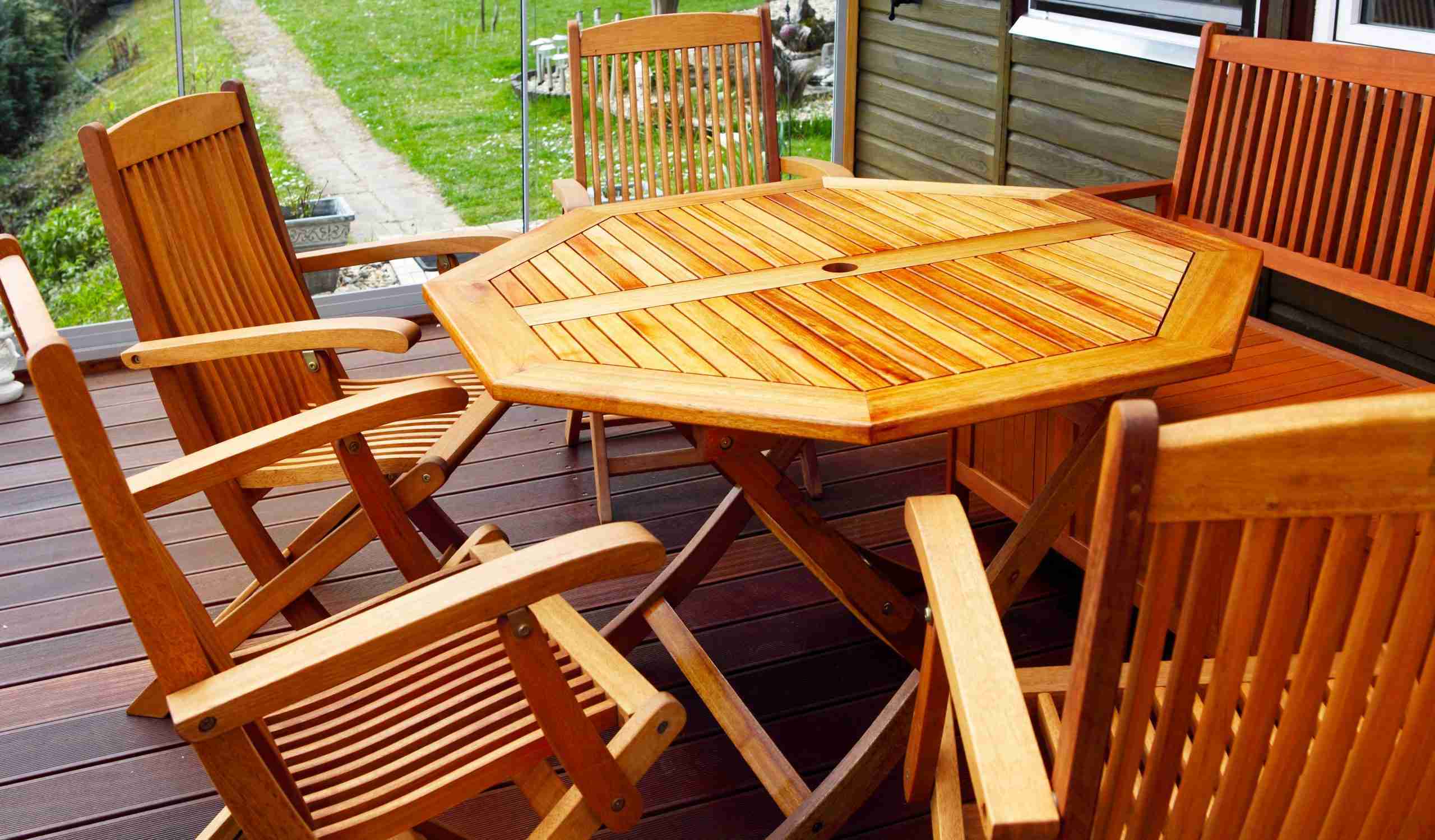
Is Teak Wood Waterproof? The Complete Guide You Should Read Before Buying
Best Sellers

Posted on March 31, 2026 at 10:16 pm
Table of Content
If you are thinking about buying wooden furniture, especially for outdoor use, one important question always comes up: Is teak wood waterproof, or is it just water resistant?
No one wants to invest in furniture that gets damaged after a few rainy days or starts to rot in a humid environment. This is where teak wood often stands out. It is widely known for its strength, durability, and ability to handle moisture better than most other woods. But there is still confusion around one thing: Can this wood handle water?
In this complete guide, you will learn everything you need to know about teak wood, how it reacts to water, and whether it is the right choice for your home.
What Is Teak Wood?
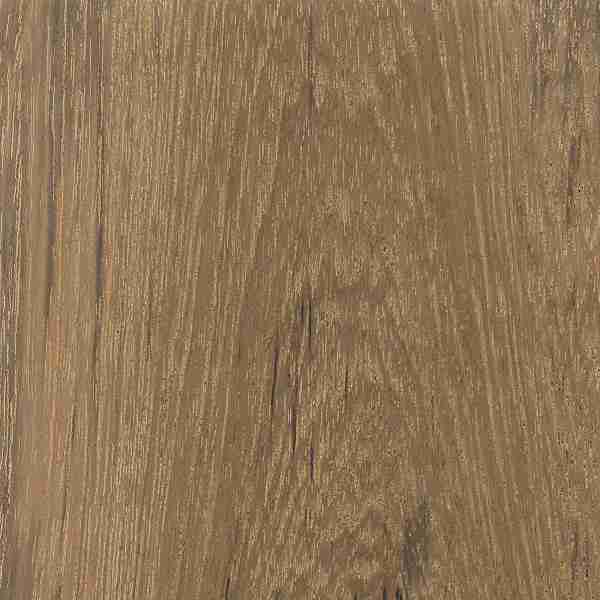
Teak is a high quality hardwood that comes from a tropical tree called Tectona grandis. It has been used for hundreds of years in furniture making, construction, and even shipbuilding.
People prefer teak because it offers:
- Exceptional strength
- Long lifespan
- Natural resistance to damage
- A rich and attractive appearance
It is often considered a premium material because of its performance and durability.
Is Teak Wood Waterproof?
Let us answer the main question clearly.
Teak wood is not completely waterproof, but it is highly water resistant.
This means it can handle water exposure much better than most types of wood, but it is not fully immune to moisture.
If teak is exposed to water for long periods without care, it can still absorb some moisture. However, compared to other woods, it performs exceptionally well.
Why Teak Wood Is So Good with Water
Teak has natural properties that make it one of the best woods for handling moisture.
Natural Oils That Protect the Wood
Teak contains natural oils that act as a built in защитive layer.
These oils:
- Repel water from the surface
- Reduce moisture absorption
- Protect against rot and decay
Because of this, teak does not need heavy chemical treatment.
Tight Grain Structure
The fibers in teak wood are tightly packed.
This means:
- Water cannot easily enter the wood
- The wood stays stable
- It does not crack or warp easily
Natural Resistance to Rot and Fungi
Most woods start to decay when exposed to moisture for long periods. Teak is different.
It naturally resists:
- Rot
- Insect damage
This makes it ideal for both indoor and outdoor use.
Waterproof vs Water Resistant
Many people use these terms in the same way, but they are different.
- Waterproof means water cannot enter at all
- Water resistant means it can resist water but not completely block it
Teak is water resistant, not waterproof.
How Teak Performs in Real Life Conditions
Teak is widely used because it performs well in different environments.
When exposed to rain:
- Water stays mostly on the surface
- It dries quickly
- It does not lose its shape
In humid conditions:
- It remains stable
- It resists mold and mildew
- It maintains its strength
What Happens When Teak Gets Wet?
When teak comes into contact with water:
- It absorbs very little moisture
- It dries faster than most woods
- It keeps its original structure
This is why teak is commonly used in outdoor and wet areas.
Can Teak Be Used in Bathrooms?
While teak is known for its durability and moisture resistance, it is not always the best choice for bathroom environments.
Teak performs better in exterior conditions where it can dry quickly between exposure to moisture. In bathrooms, however, the constant humidity and limited airflow can prevent the wood from drying properly, which may affect its longevity over time.
Teak is often used for:
- Shower benches
- Bathroom cabinets
- Flooring
- Decorative elements
If you do choose to use teak in a bathroom, it’s important to protect it properly. Applying a high-quality sealer, such as EasyCoat, can help create a protective barrier against moisture and extend the life of the wood.
Why Teak Is Used in Boats
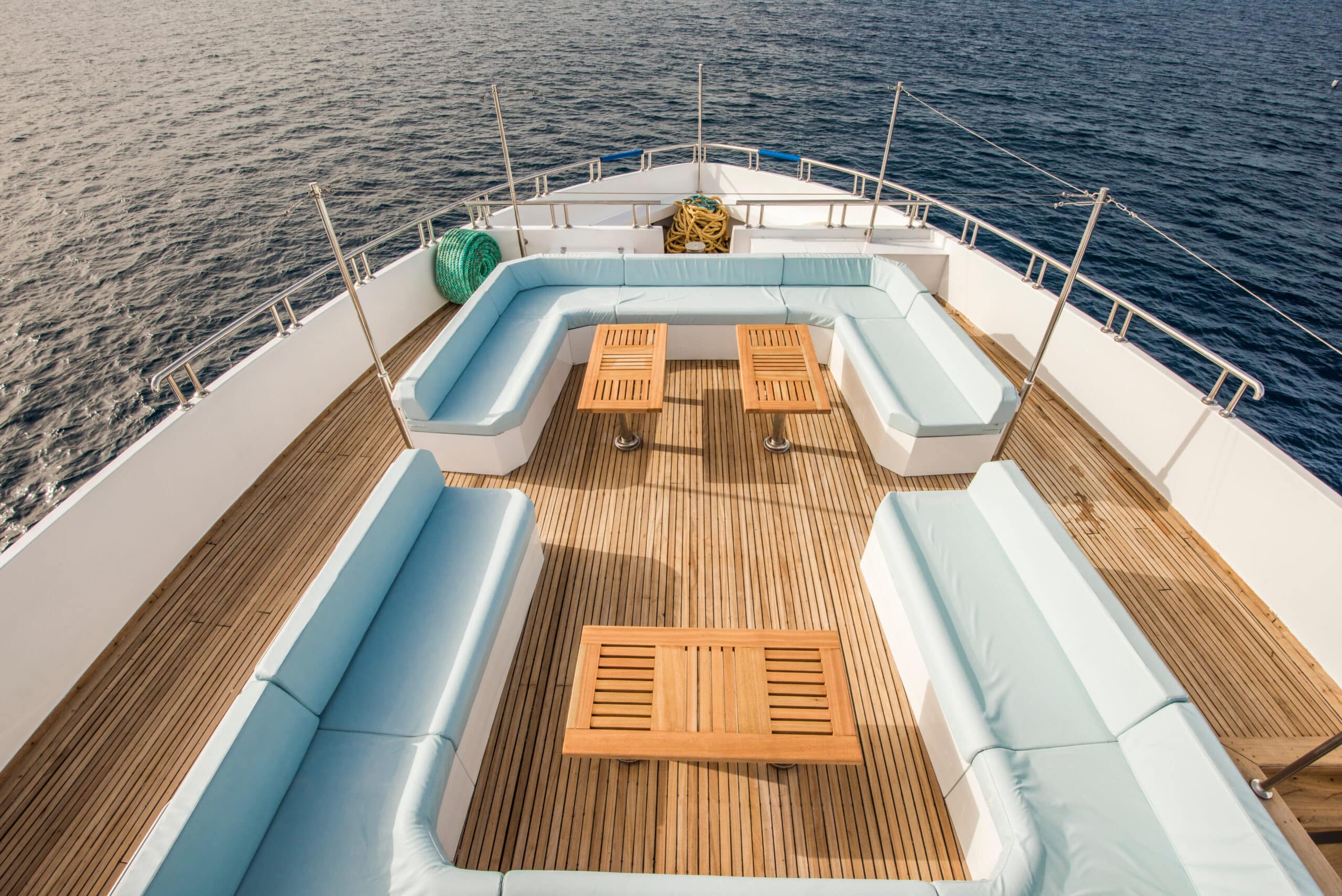
Teak has been used in shipbuilding for many years.
It is suitable for marine use because it can handle:
- Constant exposure to water
- Strong sunlight
- Harsh weather conditions
This shows how durable and reliable teak is.
Does Teak Wood Ever Get Damaged by Water?
Teak is very durable, but it is not completely immune.
It can get damaged if:
- It is constantly submerged in water
- It is not maintained over time
- It is exposed to extreme conditions for years
However, this happens much more slowly compared to other woods.
Do You Need to Treat Teak Wood?
Teak does not require treatment to survive, but some people treat it for appearance.
Reasons to Treat Teak
- To maintain its golden color
- To add extra protection
- To improve its look
Reasons to Leave It Untreated
- It naturally ages into a gray color
- It requires less maintenance
- It still remains durable
What Happens When Teak Turns Gray?
Over time, teak changes from golden brown to a silver gray color.
This happens because of:
- Sun exposure
- Natural aging
Important: This does not mean the wood is damaged. It is a natural process.
Best Ways to Protect Teak Wood
If you want to maintain its original appearance, you can use different treatments.
Teak Oil
- Enhances natural color
- Easy to apply
- Needs regular use
Sealers
- Provide longer protection
- Maintain appearance
- Suitable for outdoor use
Check out the best hardwood sealers in the market
Varnish
- Adds a shiny finish
- Offers strong protection
- Requires more maintenance
Simple Teak Wood Maintenance Tips
Teak is low maintenance, but basic care helps it last longer.
Cleaning
- Use mild soap and water
- Avoid harsh chemicals
- Clean regularly
Outdoor Care
- Avoid standing water
- Cover during heavy rain if possible
- Keep surfaces clean
Indoor Care
- Clean spills quickly
- Avoid excess moisture
- Polish occasionally
Teak vs Other Woods
Teak vs Pine
- Pine absorbs water easily
- Teak resists water much better
- Teak lasts longer
Teak vs Oak
- Oak is strong but less water resistant
- Teak performs better in wet conditions
Teak vs Cedar
- Cedar is water resistant
- Teak is more durable
- Cedar is more affordable
Advantages of Teak Wood
- High water resistance
- Long lifespan
- Strong and durable
- Low maintenance
- Resistant to rot and insects
- Attractive natural look
Disadvantages of Teak Wood
- Expensive
- Heavy material
- Color fades over time if untreated
- Limited availability
How Long Does Teak Last?
Teak is known for its durability.
- Indoor use: 50 years or more
- Outdoor use: 20 to 30 years or longer
With proper care, it can last even longer.
Is Teak Worth the Price?
Teak is more expensive, but it offers long term value.
You save money because:
- It lasts longer
- It needs less maintenance
- It does not require frequent replacement
Frequently Asked Questions About Teak Wood
1. Can teak wood be left outside all year round?
Yes, teak wood can be left outside throughout the year. It can handle rain, sun, and seasonal changes without major damage. However, covering it during extreme weather can help extend its life and maintain its appearance.
2. Does teak wood develop mold or mildew?
Teak is naturally resistant to mold and mildew due to its oils. However, surface mold can still appear in very humid conditions if the wood is not cleaned regularly.
3. Is teak wood slippery when wet?
Teak is generally not very slippery, which is why it is often used on boat decks. However, if algae or dirt builds up on the surface, it can become slippery and should be cleaned.
4. Can you pressure wash teak wood?
Yes, but it should be done carefully. Use low pressure to avoid damaging the surface or removing natural oils from the wood.
5. Does teak wood crack in extreme heat?
Teak is less likely to crack compared to other woods because of its natural oils and tight grain. However, long exposure to extreme heat without care can cause minor surface cracks over time.
6. How can you tell if teak wood is real?
Real teak usually has a smooth grain, slightly oily feel, and a rich golden brown color. It is also heavier and more durable than most other woods.
7. Is teak wood eco friendly?
Teak can be eco friendly if it is sourced from responsibly managed plantations. Always look for certifications or trusted suppliers to ensure sustainable sourcing.
8. Can termites damage teak wood?
Teak is naturally resistant to termites due to its oil content. While no wood is completely termite proof, teak is much less likely to be attacked.
9. Does teak wood smell?
Teak has a mild, natural leather like scent when new. The smell is not strong and usually fades over time.
10. Can Teak Wood Be Painted?
Teak can be painted, but it’s not usually recommended.
Its natural oils make it difficult for paint to adhere properly, and painting also hides its natural beauty. Instead, using a sealer like EasyCoat is a better option, as it protects the wood while enhancing its appearance. It’s also available in four colours to suit different finishes.
Conclusion
So, is teak wood waterproof? The simple answer is no, but it is one of the most water-resistant woods available.
Its natural oils and durability make it a strong choice for both indoor and outdoor use. However, like all wood, it still benefits from proper care and protection, especially in high-moisture environments.
Using a sealer such as EasyCoat can help enhance its resistance and extend its lifespan while maintaining its natural look.
If you love the appearance of teak but need a fully waterproof solution, products from Deckotech in a Royal Teak colour offer a practical alternative, while also opening up options across a wider range of finishes.
We can mill customs sizes
Premium decking