

 Free Shipping
*Applies to Ipe & Cumaru short length orders from 3–5 ft. Minimum purchase of $2,500 required. U.S. mainland only. Other conditions may apply.



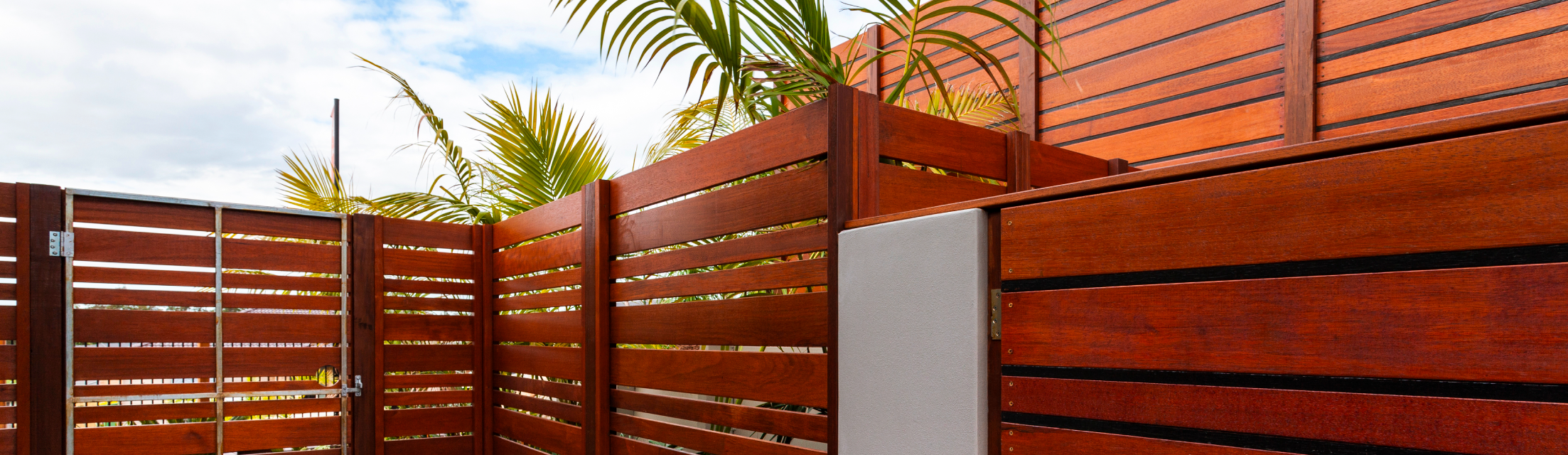
Top Hardwood Species for Fencing Projects Nationwide
Best Sellers
Posted on July 28, 2025 at 3:47 pm
Table of Content
When it comes to building a fence that can truly stand the test of time, resisting weather, pests, and wear, few materials can match the resilience and beauty of hardwood. Whether you’re a homeowner, contractor, or landscape architect, choosing the right hardwood species is one of the most important steps in planning a successful fencing project.
At Brazilian Lumber, we understand that a fence is more than a boundary. It’s part of your property’s identity and plays a key role in curb appeal, security, and long-term value. With years of experience in the hardwood industry and a reputation for supplying premium hardwoods nationwide, we are here to guide you through the top hardwood options for fencing projects in the United States.
Why Choose Hardwood for Fencing?
Before we dive into specific species, it’s worth understanding what makes hardwood such a solid choice for fencing in the first place.
- Longevity: Many hardwoods have natural oils and tight grain structures that allow them to resist rot and decay for decades without chemical treatment.
- Strength: Dense hardwoods are incredibly resistant to impact, bending, and warping.
- Pest Resistance: Termites and other insects have a harder time infiltrating hardwood compared to softer materials.
- Aesthetic Value: Hardwood fences age gracefully and often develop rich, silvery patinas over time. They also take well to stains and finishes.
Now let’s break down the best species to consider for fencing projects across the country.
Choosing the Right Hardwood Dimensions for Your Fence
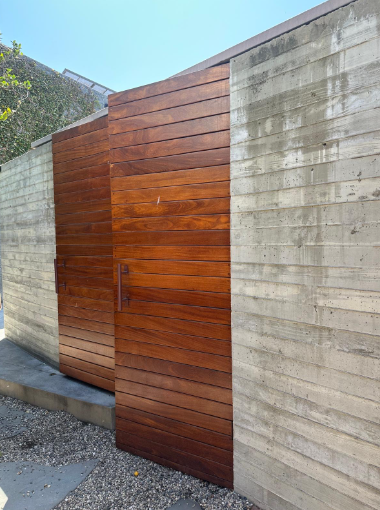
If you’re considering tropical hardwoods like Ipe for your fence, it’s important to know how each part of the fence comes together and what wood sizes work best. A beautiful, long-lasting fence starts with three basic components: the posts, the rails, and the pickets.
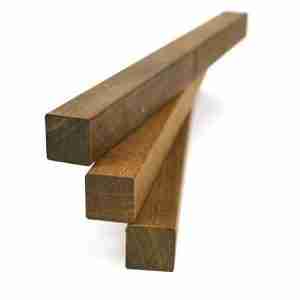
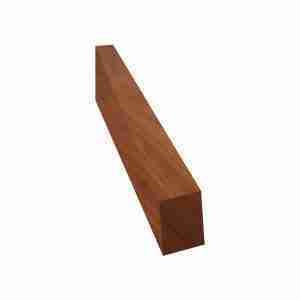
Fence posts are the vertical support pieces that keep everything stable. Most often, these are made from thick, sturdy hardwoods in sizes like 4×4 or 6×6. Since they’re responsible for holding the entire structure upright, using strong material here is essential.
Rails are the horizontal pieces that connect the posts and support the pickets. A common size for rails is 2×4, although some homeowners go with 2×6 for added strength, especially if the fence is taller or exposed to strong wind.
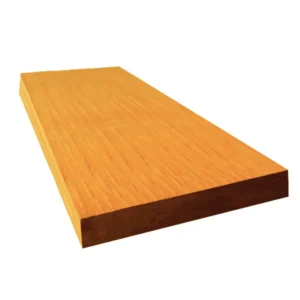
Pickets (sometimes called slats or balusters) are the boards that create the face of the fence and define its overall look. Depending on your style and how much privacy you want, you can choose from sizes like 1×4, 1×6, 1×2, 2×2, or 5/4×6. Each creates a slightly different effect in terms of spacing, coverage, and overall design.
Real-Life Example – A Horizontal Ipe Fence
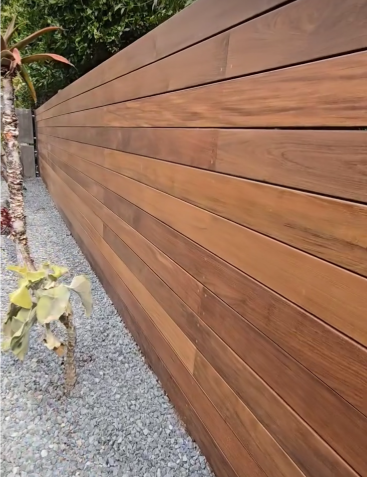
Let’s say you want to build a sleek, modern fence with horizontal Ipe boards. A popular layout includes using 4×4 hardwood posts set every 6 to 8 feet and running 5/4×6 boards horizontally to create clean, stacked lines.
Each 5/4×6 board is about 1 inch thick and roughly 5.5 inches wide. After accounting for spacing between boards (to allow for drainage and expansion), each board covers around 4.75 to 5 inches of vertical space.
If your goal is a 6-foot-tall fence, you’d need about 15 to 16 boards per section:
- Divide 72 inches (6 feet) by 5 inches of coverage, which gives you around 14.4. Rounding up brings you to 15 or 16 boards.
Now let’s say you’re building a 48-foot-long fence and placing posts every 8 feet:
- You’ll end up with 7 sections total.
- Multiply 15 to 16 boards per section by 7 sections, and you’ll need around 105 to 112 boards in total.
Helpful Tip: Before finalizing your design, be sure to check your local building codes. Rules for fence height, post depth, and spacing can vary by location.
Top 7 Hardwood Species for Fencing Projects
1. Ipe (Brazilian Walnut)
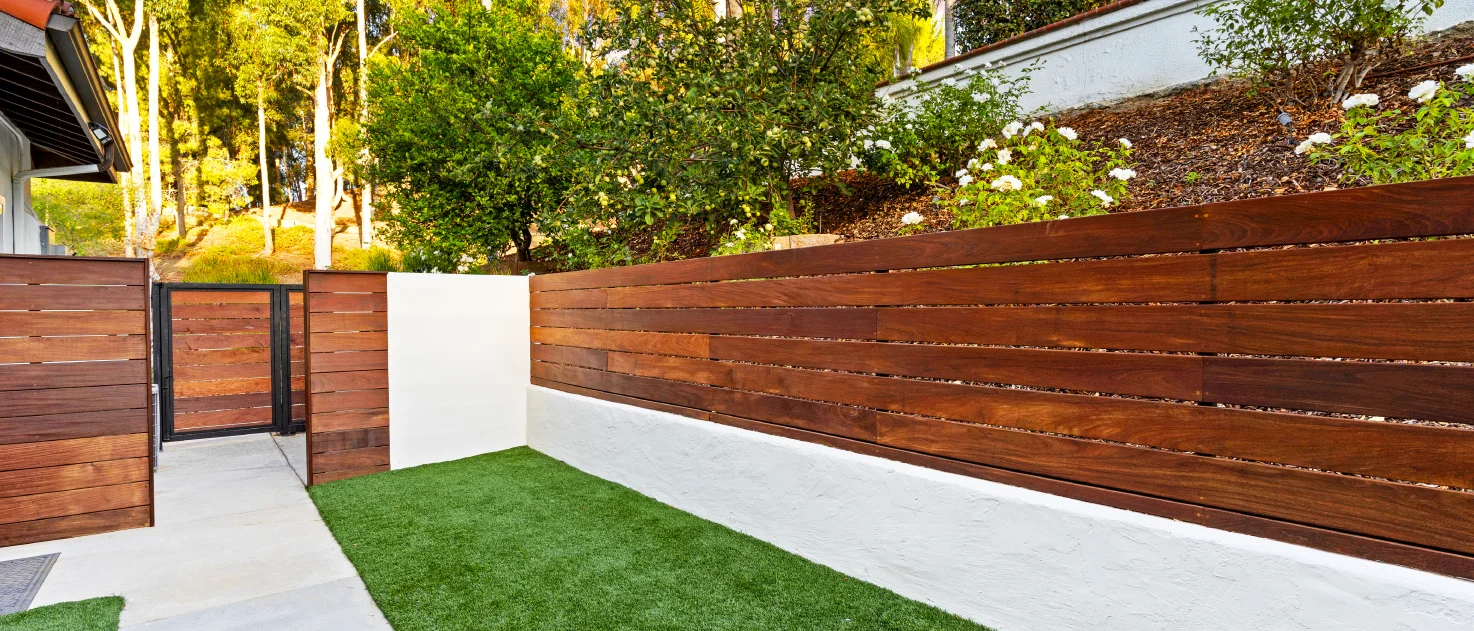
Ipe is often considered the king of hardwoods. Sourced from Central and South America, Ipe is one of the densest and most durable woods available.
Pros
- Lifespan of up to 75 years with minimal maintenance
- Naturally resistant to insects, rot, and decay
- Incredible density and hardness (more than twice that of most domestic hardwoods)
- Deep brown and olive hues that age into a soft gray if left untreated
Considerations
- Requires pre-drilling for fasteners due to its density
- Heavier than most species, making handling and shipping more intensive
Ipe is ideal for premium fencing projects in areas with high humidity or heavy rain, such as the Southeast or Pacific Northwest.
2. Cumaru (Brazilian Teak)
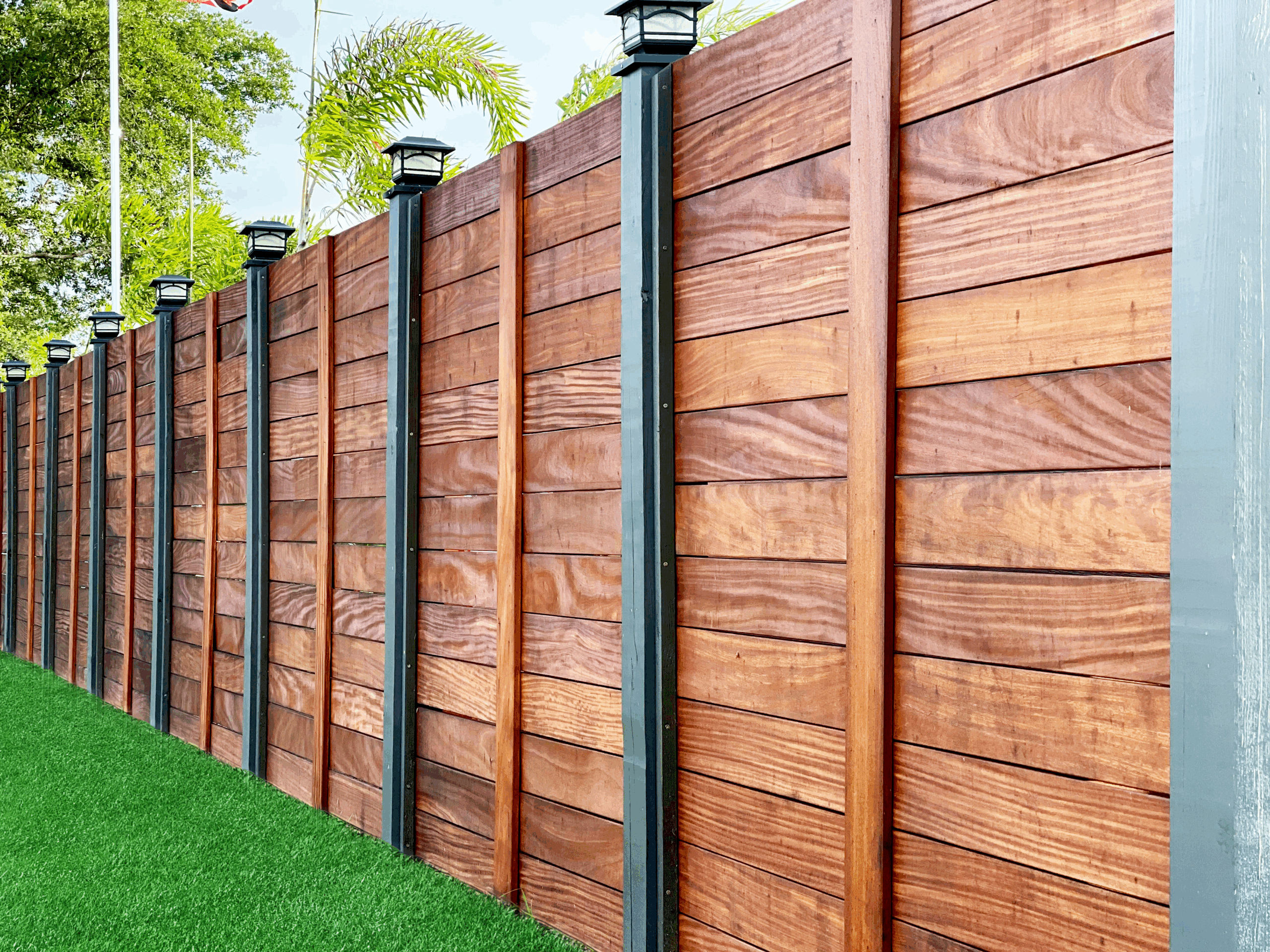
Cumaru is another South American hardwood that rivals Ipe in terms of strength and longevity. It’s often used in decking but also excels as a fencing material.
Pros
- 30 to 50 year lifespan
- Dense and durable
- Rich reddish-brown to golden tones
- More affordable than Ipe, while offering similar durability
Considerations
- Slightly more prone to surface checking (small cracks) than Ipe
- Like Ipe, requires pre-drilling and stainless steel fasteners
Cumaru is perfect for both residential and commercial fencing where you want premium durability without Ipe’s higher price tag.
3. Garapa (Brazilian Ash)
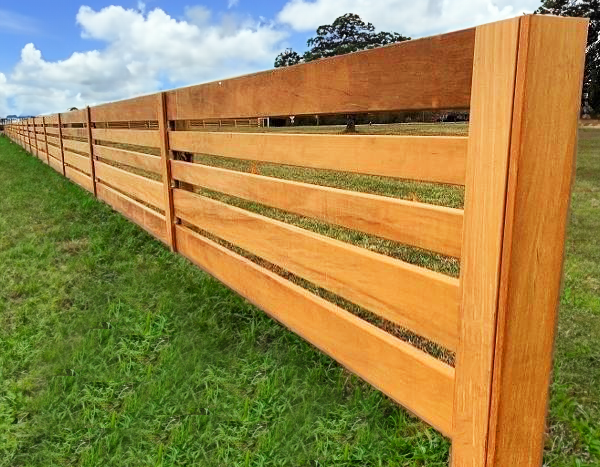
Garapa is a lighter-colored hardwood that offers durability and affordability. It brings a fresh, golden aesthetic that’s popular in contemporary designs.
Pros
- Naturally resistant to decay and insects
- Affordable compared to other tropical hardwoods
- Smooth, fine grain and consistent appearance
Considerations
- Not as hard as Ipe or Cumaru, but still much more durable than softwoods
- Color may darken slightly with age and UV exposure
Garapa works well in dry, sunny climates like the Southwest or in minimalist, modern home designs.
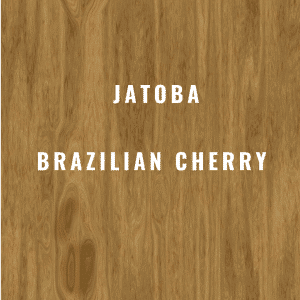
4. Jatoba (Brazilian Cherry)
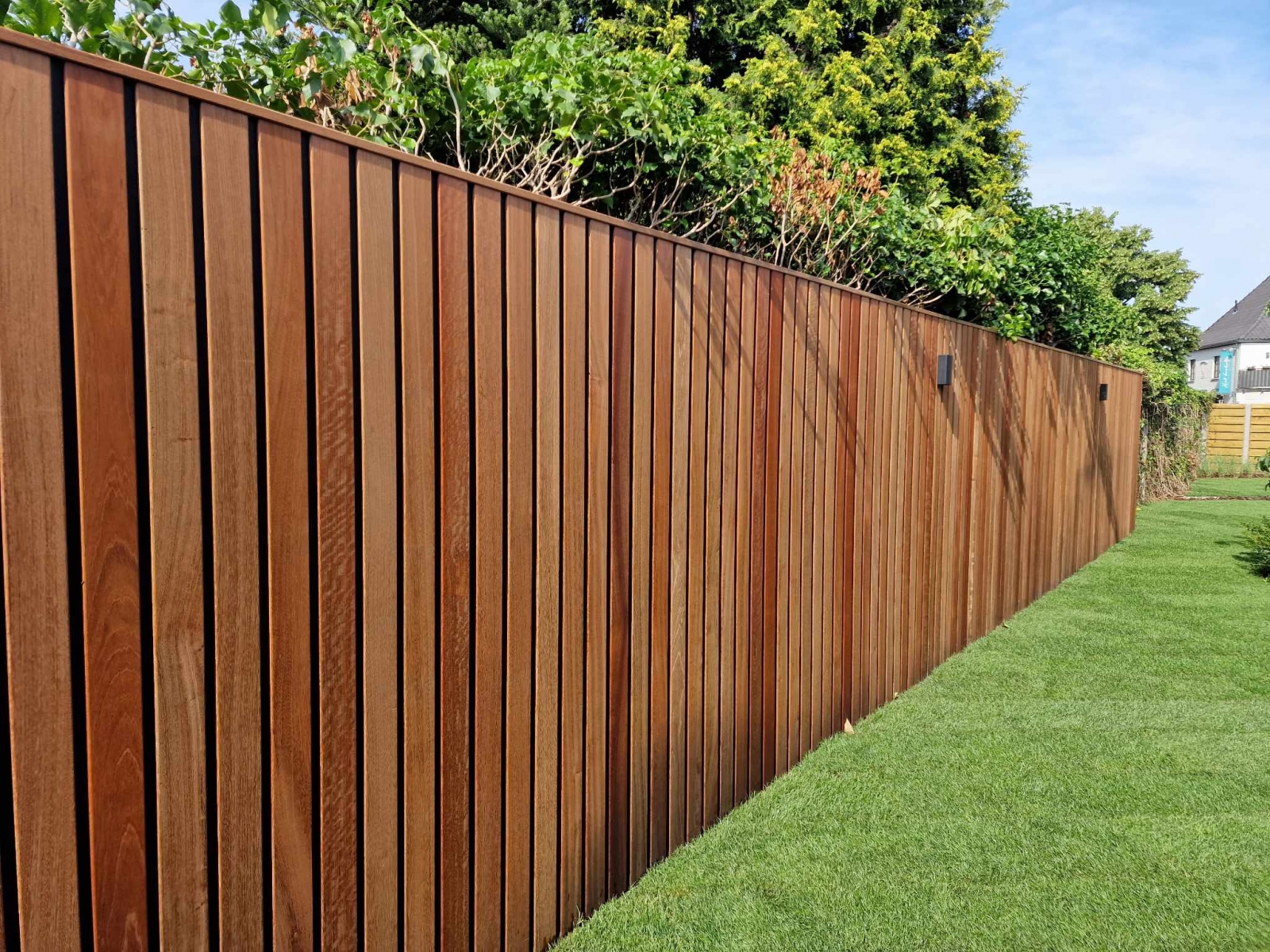
Known for its rich reddish tones and striking grain, Jatoba is often used in interior flooring but also makes a strong statement in fencing.
Pros
- High density and hardness
- Long-lasting with proper treatment
- Visually stunning with deep red and orange tones
Considerations
- More prone to movement with temperature and humidity changes
- May require acclimation before installation
Jatoba is best for decorative fencing where aesthetics are a top priority.
5. Tigerwood (Goncalo Alves)
Tigerwood is named for its dramatic dark striping, giving it a bold, unique look. It’s gaining popularity in high-end fencing for both homes and commercial properties.
Pros
- Distinctive appearance with red and brown streaks
- Hard and dense
- Moderate cost for a tropical hardwood
Considerations
- Striping can vary significantly, so board selection is key for visual consistency
Tigerwood is a great option for projects where design and uniqueness are paramount.
6. Massaranduba (Brazilian Redwood)
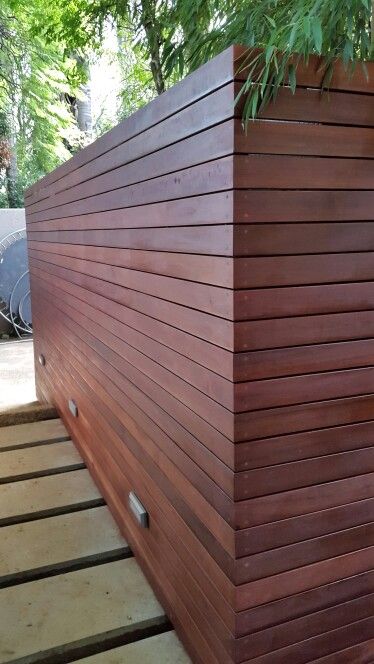
Massaranduba is a deep red hardwood with excellent strength properties, often used in marine applications and heavy-duty construction.
Pros
- Dense and hard, second only to Ipe in strength
- Rich, uniform color
- Long service life in outdoor conditions
Considerations
- Prone to surface checking
- Heavier and can be more challenging to work with
Massaranduba is a top contender for fencing in coastal areas where salt, wind, and moisture are major factors.
7. Purpleheart
As the name suggests, Purpleheart boasts a natural purple hue that stands out in any setting. It’s one of the most exotic hardwoods used in fencing.
Pros
- Extremely hard and durable
- Unique coloration
- Excellent resistance to insects and rot
Considerations
- Color darkens over time to a deep brown
- May be too bold for some traditional designs
Purpleheart is an excellent choice for artistic fencing or accent areas within a larger fence design.
Popular Softwood Alternatives with Hardwood Qualities
While tropical hardwoods are renowned for their extreme durability, several North American softwoods offer excellent performance in fencing applications. These species may technically be softwoods, but they share many of the same qualities that make hardwoods desirable: natural resistance to rot, stability, and attractive aesthetics.
1. Cedar
(Western Red Cedar, Eastern White Cedar)
Common Uses: Pickets, rails, and occasionally posts (when kept above ground or protected)
- Features: Naturally resistant to rot and insects, stable under changing weather, lightweight, and pleasantly aromatic
- Color: Warm reddish-brown to pinkish hues; fades beautifully to a silvery-gray patina
- Pros: No need for chemical treatments, easy to work with using standard tools
- Note: For increased longevity, cedar posts are often swapped with pressure-treated lumber in ground-contact installations
2. Redwood
(Primarily from California and the Pacific Northwest)
Common Uses: Pickets, rails, and sometimes posts
- Features: Highly resistant to decay and insect damage, with excellent dimensional stability
- Color: Deep, rich reds and reddish-brown tones
- Pros: Known for its luxurious appearance and long-lasting performance in outdoor settings
3. Cypress
(Native to the Southeastern United States)
Common Uses: Pickets and rails
- Features: Contains cypressene, a natural oil that makes it highly rot- and insect-resistant
- Color: Ranges from light yellowish-brown to deeper brown hues
- Pros: Good moisture resistance, easy to work with, and well-suited for humid environments
Key Factors When Choosing Hardwood for Fencing
Climate
Choose a species that performs well in your local environment. Tropical hardwoods handle humidity and rain very well, while species like Garapa excel in sunny, dry areas.
Maintenance Expectations
Some species like Ipe and Cumaru can last decades with very little upkeep. Others may need periodic sealing to maintain appearance and structural integrity.
Aesthetics
Color, grain pattern, and how the wood ages are all critical. Do you want a bold look like Tigerwood, or something subtler like Garapa?
Budget
Hardwood fencing is an investment. Exotic hardwoods cost more upfront but save on replacement and maintenance over time.
Environmental Considerations
Look for hardwood that is sustainably sourced, FSC-certified, or harvested from responsibly managed forests.
Fencing Installation Tips
- Always use stainless steel fasteners to prevent rust staining.
- Pre-drill all screw holes to avoid splitting.
- Allow hardwood to acclimate to the local climate before installation.
- Apply a UV-blocking oil if you want to preserve the original color.
- Consider spacing boards for airflow and expansion.
Premium Hardwood Fencing Backed by Trusted Expertise
Choosing the right hardwood species for your fencing project can feel overwhelming, but it doesn’t have to be. With proper guidance and access to top-quality materials, you can build a fence that will last for generations.
At Brazilian Lumber, we offer a carefully curated selection of the finest hardwoods, including Ipe, Cumaru, Garapa, Jatoba, Tigerwood, and more. All of our products are sustainably harvested and inspected for quality. Best of all, we deliver nationwide, ensuring that no matter where your project is located, premium hardwood is within reach.
Whether you’re planning a small residential fence or a large commercial installation, trust Brazilian Lumber to provide the materials and expertise to make your vision a reality.
Contact us today to speak with a hardwood specialist or request a quote. Let’s build something lasting together.
We can mill customs sizes
Premium decking