

 Free Shipping
*Applies to Ipe & Cumaru short length orders from 3–5 ft. Minimum purchase of $2,500 required. U.S. mainland only. Other conditions may apply.



What Is Composite Wood? Everything You Need to Know
Best Sellers

Posted on September 23, 2026 at 11:40 pm
Table of Content
Composite wood has become one of the most popular materials for outdoor living spaces and modern construction. From decks and pergolas to fences and wall cladding, homeowners and contractors are choosing composite wood because it combines the natural beauty of wood with the durability of modern materials.
Unlike traditional lumber, composite wood requires very little maintenance while offering excellent resistance to moisture, insects, fading, and rot. This makes it a smart long-term investment for anyone looking to build an outdoor space that stays beautiful for years.
In this guide, you’ll learn what composite wood is, how it’s made, its benefits, common uses, and why more people are choosing it over traditional wood.
What Is Composite Wood?
Composite wood is an engineered building material made by combining recycled wood fibers with recycled plastics and specialized additives. These materials are blended together under high heat and pressure to create strong, durable boards that closely resemble natural wood.
The result is a product that offers the warmth and appearance of real wood while reducing many of the common problems associated with traditional lumber, such as rotting, splintering, warping, and insect damage.
Today, composite wood is widely used for both residential and commercial projects because it provides long-lasting performance with minimal upkeep.
What Is Composite Wood Made Of?
Although the exact formula varies depending on the manufacturer, most composite wood products contain:
- Recycled wood fibers
- Recycled plastic
- UV-resistant additives
- Color pigments
- Stabilizers
- Bonding agents
Many composite wood products also include protective outer layers that improve stain resistance, scratch resistance, and color retention.
Using recycled materials helps reduce waste while creating a durable building product that can last for decades.
How Is Composite Wood Made?
Composite wood is manufactured through a carefully controlled process that ensures every board is consistent in strength, appearance, and performance.
Step 1: Raw Materials Are Collected
Wood fibers and recycled plastics are gathered and cleaned before production begins.
Step 2: Materials Are Mixed
The wood fibers are blended with plastic, pigments, and performance additives.
Step 3: Extrusion Process
The mixture is heated until it becomes moldable and is then pushed through specially designed molds to create boards of different sizes and profiles.
Step 4: Cooling
The boards cool and harden while maintaining their shape.
Step 5: Surface Finishing
Many composite boards receive embossed wood grain textures that closely resemble natural hardwood.
The finished product offers a realistic appearance without the maintenance required by traditional wood.
Why Is Composite Wood Becoming So Popular?
Homeowners today want outdoor materials that look beautiful without requiring constant maintenance.
Traditional wood often needs regular staining, sealing, sanding, and repairs. Composite wood eliminates much of that work while maintaining an attractive appearance year after year.
As a result, composite wood has become one of the fastest-growing materials for outdoor construction.
Benefits of Composite Wood
Low Maintenance
One of the biggest advantages of composite wood is that it requires very little maintenance.
Unlike traditional wood, composite boards do not require:
- Regular staining
- Painting
- Sanding
- Sealing every year
Most composite wood only needs occasional cleaning with soap and water.
Excellent Weather Resistance
Outdoor materials face constant exposure to:
- Rain
- Sunlight
- Snow
- Humidity
- Temperature changes
Composite wood is designed to withstand these conditions while maintaining its appearance.
This makes it an excellent choice for many climates.
Resistant to Rot and Decay
Moisture is one of the biggest causes of damage to natural wood.
Composite wood absorbs significantly less water, helping reduce the risk of rot and decay over time.
Insect Resistant
Unlike natural lumber, composite wood is not an attractive food source for termites and many other wood-damaging insects.
This helps reduce repair costs over the life of the product.
Long Lifespan
High-quality composite wood is designed for long-term performance.
With proper installation and basic care, composite wood can provide decades of reliable service.
Attractive Appearance
Modern manufacturing technology allows composite boards to closely imitate the appearance of natural wood.
Many options feature realistic wood grain patterns and are available in a variety of colors to match different design styles.
Consistent Quality
Natural wood often contains knots, cracks, and grain variations.
Composite wood provides a more consistent appearance from one board to the next, creating a cleaner finished project.
Sustainable Choice
Many composite wood products are made using recycled wood fibers and recycled plastics.
This helps reduce landfill waste while making better use of existing resources.
Common Applications of Composite Wood
Composite wood is extremely versatile and can be used in many outdoor projects.
Composite Decking
Decking is one of the most popular uses for composite wood.
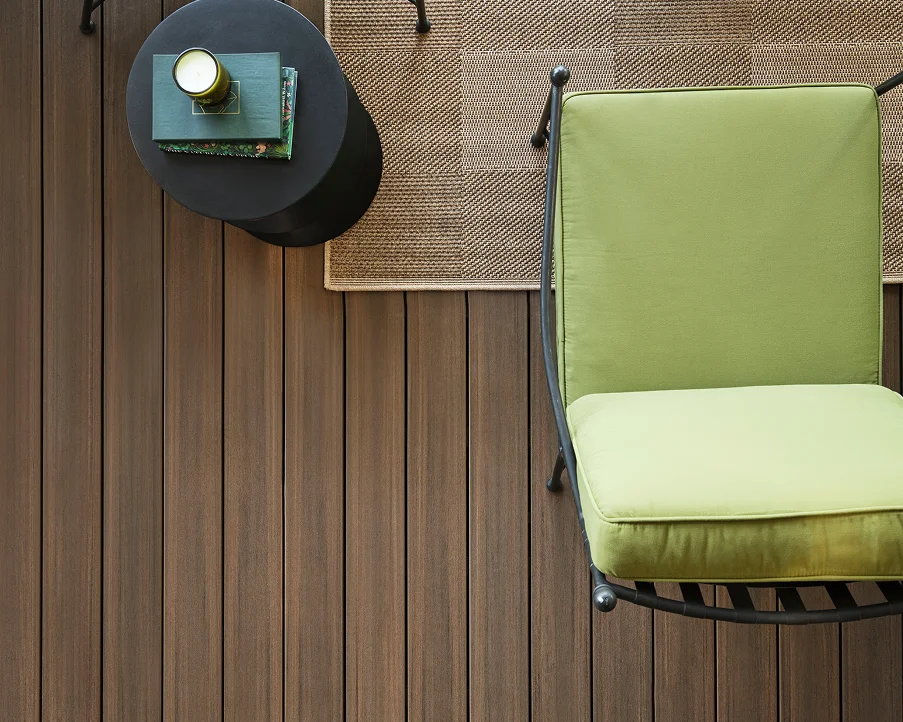
Composite decks offer the appearance of natural wood without the ongoing maintenance that traditional decks often require.
Composite Pergolas

Composite pergolas create attractive outdoor living spaces while resisting moisture, fading, and insect damage.
Unlike natural wood pergolas, they do not require frequent staining or painting.
Composite Fencing
Composite fencing provides privacy while standing up to changing weather conditions.
It also resists cracking, warping, and rotting better than many traditional wood fences.
Composite Cladding

Composite wall cladding is becoming increasingly popular for residential and commercial buildings.
It adds warmth and texture while providing excellent durability.
Composite Screening
Decorative composite screens are commonly used for:
- Privacy walls
- Garden dividers
- Balcony screens
- Outdoor living areas
Outdoor Furniture
Composite wood is also used for benches, tables, and seating because it performs well outdoors and requires minimal upkeep.
Composite Wood vs Traditional Wood
Many homeowners compare composite wood with natural lumber before starting a project.
Maintenance
Natural wood typically needs regular staining, sealing, or painting.
Composite wood only requires occasional cleaning.
Moisture Resistance
Traditional wood can absorb water, leading to swelling, cracking, or rot.
Composite wood is designed to resist moisture much more effectively.
Appearance
Natural wood offers unique grain patterns.
Composite wood provides a consistent wood-like appearance with fewer imperfections.
Lifespan
Properly maintained wood can last many years.
Composite wood is designed for long-term durability with less maintenance.
Cost
Composite wood usually has a higher upfront cost, but many homeowners find that the reduced maintenance and longer lifespan provide better value over time.
Types of Composite Wood
Composite wood is available in different styles to suit a variety of projects. Understanding the differences can help you choose the right product for your needs.
Capped Composite Wood
Capped composite boards have a durable outer layer that protects the core from moisture, stains, fading, and scratches.
They are often chosen for:
- Decking
- Pergolas
- Cladding
- Outdoor kitchens
- Pool areas
The protective shell also makes cleaning much easier.
Uncapped Composite Wood
Uncapped composite boards do not have the protective outer layer.
They are generally more affordable and still provide better durability than many traditional wood products.
Depending on the application, uncapped boards can be a practical solution for projects where maximum weather protection is not required.
Composite Wood vs PVC
Although composite wood and PVC are both low-maintenance materials, they are not the same.
Composite wood combines recycled wood fibers with recycled plastic, giving it a more natural wood appearance.
PVC is made entirely from plastic. While it offers excellent moisture resistance, it may not provide the same realistic texture and look that many homeowners prefer.
If achieving the appearance of real wood is important, composite wood is often the better choice.
Does Composite Wood Get Hot?
Like most outdoor building materials, composite wood can become warm when exposed to direct sunlight.
Lighter-colored boards generally stay cooler than darker colors.
Adding shade with pergolas, umbrellas, or landscaping can help create a more comfortable outdoor space during hot weather.
Is Composite Wood Waterproof?
Composite wood is highly water resistant but not completely waterproof.
Its low moisture absorption helps reduce problems such as swelling, cracking, and rot that often affect traditional wood.
Proper installation with adequate drainage and ventilation helps maximize the lifespan of composite wood.
Does Composite Wood Fade?
Modern composite wood is designed with UV-resistant technology to help maintain its color.
Some slight weathering may occur over time, especially during the first few months of outdoor exposure, but quality composite products retain their appearance much better than many natural wood species.
Can Composite Wood Crack or Warp?
One of the biggest advantages of composite wood is its stability.
Unlike natural lumber, composite boards are much less likely to:
- Warp
- Twist
- Split
- Crack
This helps maintain a cleaner and more attractive appearance over time.
How Long Does Composite Wood Last?
Composite wood is built for long-term performance.
With proper installation and basic maintenance, many composite wood products can last 25 years or longer.
Its durability makes it a smart investment for homeowners who want an outdoor space that requires less maintenance while maintaining its appearance for years.
How to Clean Composite Wood
Cleaning composite wood is simple and usually requires very little effort.
Wash with Soap and Water
Use warm water and a mild soap to remove everyday dirt and dust.
Remove Leaves and Debris
Leaves and other organic materials can trap moisture if left on the surface for long periods.
Regular sweeping helps keep composite wood looking its best.
Clean Spills Quickly
Food, grease, and beverages should be cleaned as soon as possible to prevent surface stains.
Avoid Harsh Chemicals
Always use cleaning products that are recommended for composite wood to help protect the surface finish.
Is Composite Wood Environmentally Friendly?
Many composite wood products are manufactured using recycled wood fibers and recycled plastics.
By giving new life to recycled materials, composite wood helps reduce landfill waste while decreasing the demand for newly harvested timber.
For homeowners looking to make more environmentally conscious choices, composite wood can be an excellent option.
Common Myths About Composite Wood
There are several misconceptions about composite wood. Understanding the facts can help you make a better decision.
Myth: Composite Wood Looks Fake
Modern manufacturing techniques create realistic wood grain patterns and natural-looking finishes that closely resemble real wood.
Myth: Composite Wood Requires No Maintenance
Composite wood is much easier to maintain than natural wood, but it still benefits from occasional cleaning to keep it looking its best.
Myth: Composite Wood Is Weak
High-quality composite wood is designed for durability and performs well in many outdoor applications when installed correctly.
Myth: Composite Wood Fades Quickly
Premium composite products include UV protection that helps maintain color for many years.
How to Choose the Right Composite Wood
Before purchasing composite wood, consider a few important factors.
Intended Use
Choose products specifically designed for your project, whether it’s decking, pergolas, fencing, or wall cladding.
Color
Composite wood is available in a wide range of natural-looking colors, allowing you to match almost any architectural style.
Surface Finish
Some boards have smooth finishes, while others feature realistic wood grain textures for a more natural appearance.
Warranty
Quality composite wood products are often backed by manufacturer warranties, providing additional peace of mind.
Product Quality
Not all composite wood products are the same. Choosing high-quality materials helps ensure better durability, appearance, and long-term performance.
Why Composite Wood Is a Smart Long-Term Investment
While composite wood may have a higher upfront cost than some traditional lumber, many homeowners find that it offers greater value over time.
Because it requires less maintenance, resists weather damage, and lasts for many years, composite wood can help reduce repair and replacement costs.
Instead of spending weekends sanding, staining, or replacing damaged boards, you can spend more time enjoying your outdoor space.
Its combination of durability, attractive appearance, and low maintenance makes composite wood one of the most practical choices for modern outdoor living.
FAQs About Composite Wood
Can composite wood be used for indoor applications?
Yes, composite wood can be used indoors for decorative wall panels, ceiling features, and furniture, depending on the product and manufacturer’s recommendations.
Is composite wood available in different board lengths and sizes?
Yes, composite wood is available in a variety of lengths, widths, and thicknesses to suit different residential and commercial projects.
Can composite wood be installed on uneven ground?
Composite wood should be installed on a properly leveled and supported substructure. An uneven foundation can affect its appearance and long-term performance.
Does composite wood attract mold or mildew?
Composite wood itself is resistant to moisture, but mold or mildew can grow on dirt, leaves, or debris left on the surface. Regular cleaning helps prevent this.
Can composite wood be recycled after use?
Many composite wood products can be recycled through specialized recycling programs, although availability depends on local recycling facilities.
Is composite wood suitable for coastal areas?
Yes, composite wood performs well in coastal environments because it resists moisture, salt air, and insect damage better than many traditional wood products.
Does composite wood produce splinters?
No, composite wood is designed to resist splintering, making it a comfortable and safer option for decks, patios, and other outdoor living spaces.
Can composite wood support heavy outdoor furniture?
Yes, when installed correctly on a proper frame, composite wood can easily support typical outdoor furniture, grills, and everyday residential use.
Does composite wood require special fasteners?
Many composite wood products are designed to work with hidden fastening systems or corrosion-resistant screws for a clean finish and secure installation.
Can composite wood match the style of natural wood?
Yes, composite wood is available in a wide range of wood-inspired colors and grain patterns, making it easy to achieve the look of natural timber while enjoying the benefits of a low-maintenance material.
Conclusion
Composite wood has transformed the way homeowners and builders create beautiful outdoor spaces. By combining recycled wood fibers with durable plastics, it offers the classic look of natural wood while providing superior resistance to moisture, insects, fading, and everyday wear.
Whether you’re building a deck, pergola, fence, wall cladding, or another outdoor feature, composite wood delivers lasting performance with far less maintenance than traditional lumber. With a wide range of colors, finishes, and styles available, it’s easy to find a product that complements your design while standing up to the demands of the outdoors.
If you’re looking for a material that combines beauty, durability, and long-term value, composite wood is an excellent choice. Investing in high-quality composite wood today can help you create an outdoor space that remains attractive, functional, and enjoyable for years to come.
We can mill customs sizes
Premium decking