
 Free Shipping
*Applies to Ipe & Cumaru short length orders from 3–5 ft. Minimum purchase of $2,500 required. U.S. mainland only. Other conditions may apply.



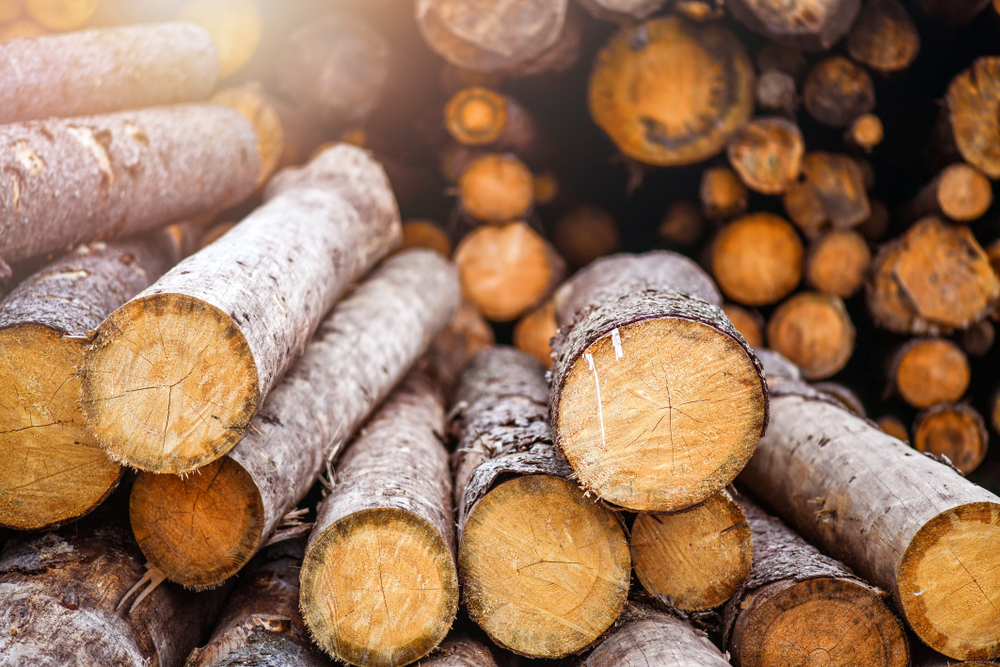
What is Softwood? Species, Origin, Qualities, and Best Uses
Best Sellers

Posted on May 2, 2024 at 2:14 pm
Table of Content
In woodworking and construction, the distinction between softwoods and hardwoods is pivotal yet often misunderstood. “What is softwood?” This question opens the door to exploring a world of diverse species, each with unique characteristics, origins, and uses that make them invaluable to industries, especially those focused on sustainable and high-quality materials.
What is Softwood?
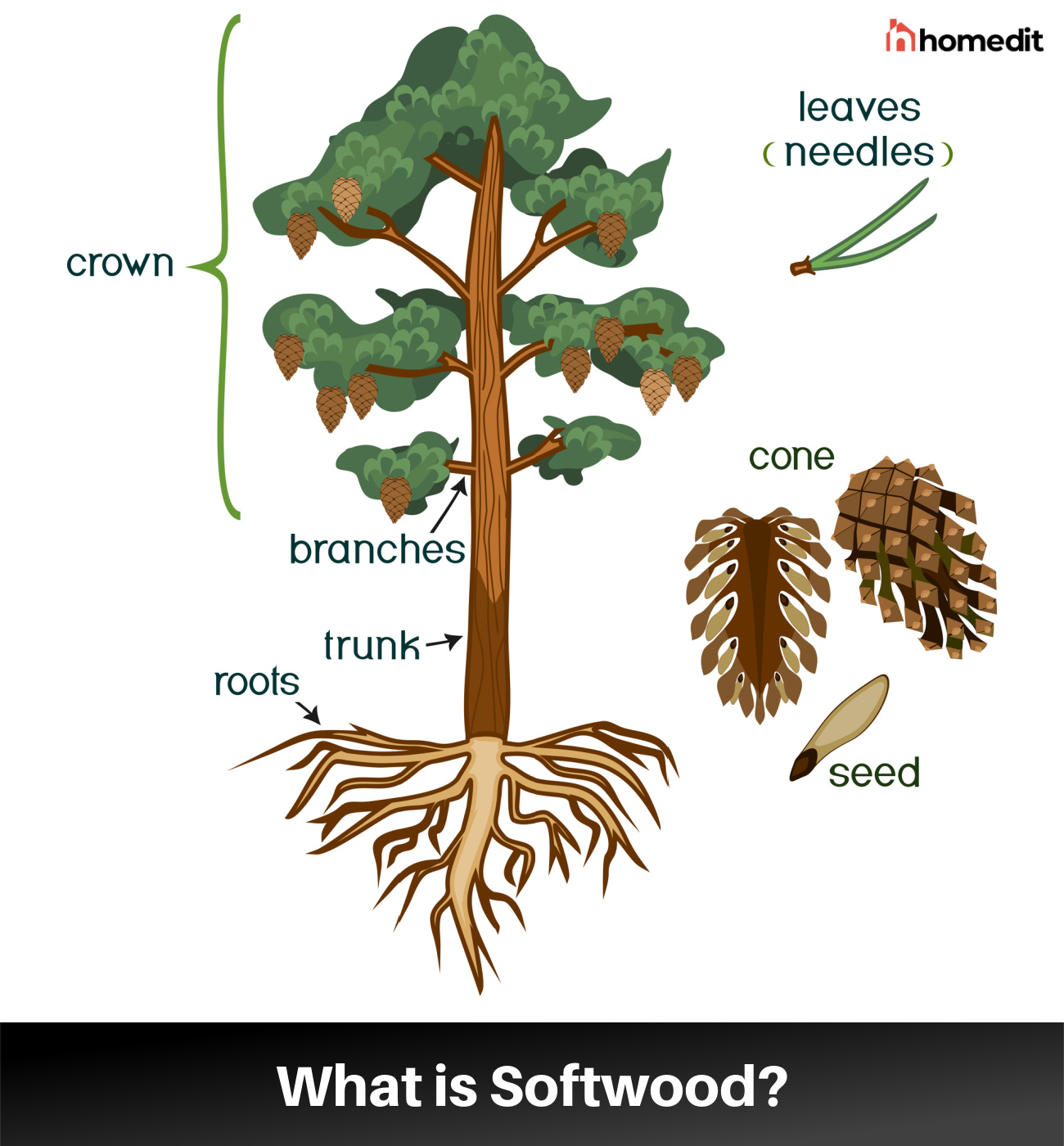
Softwoods are a fundamental component of the global lumber industry, prized for their versatility, affordability, and sustainability.
Softwoods come from gymnosperm trees, primarily conifers, which are identifiable by their needles and cones. Unlike hardwoods, which are derived from angiosperm trees that produce seeds with a covering, softwoods have a simpler cellular structure, which contributes to their unique physical properties.
Species of Softwoods
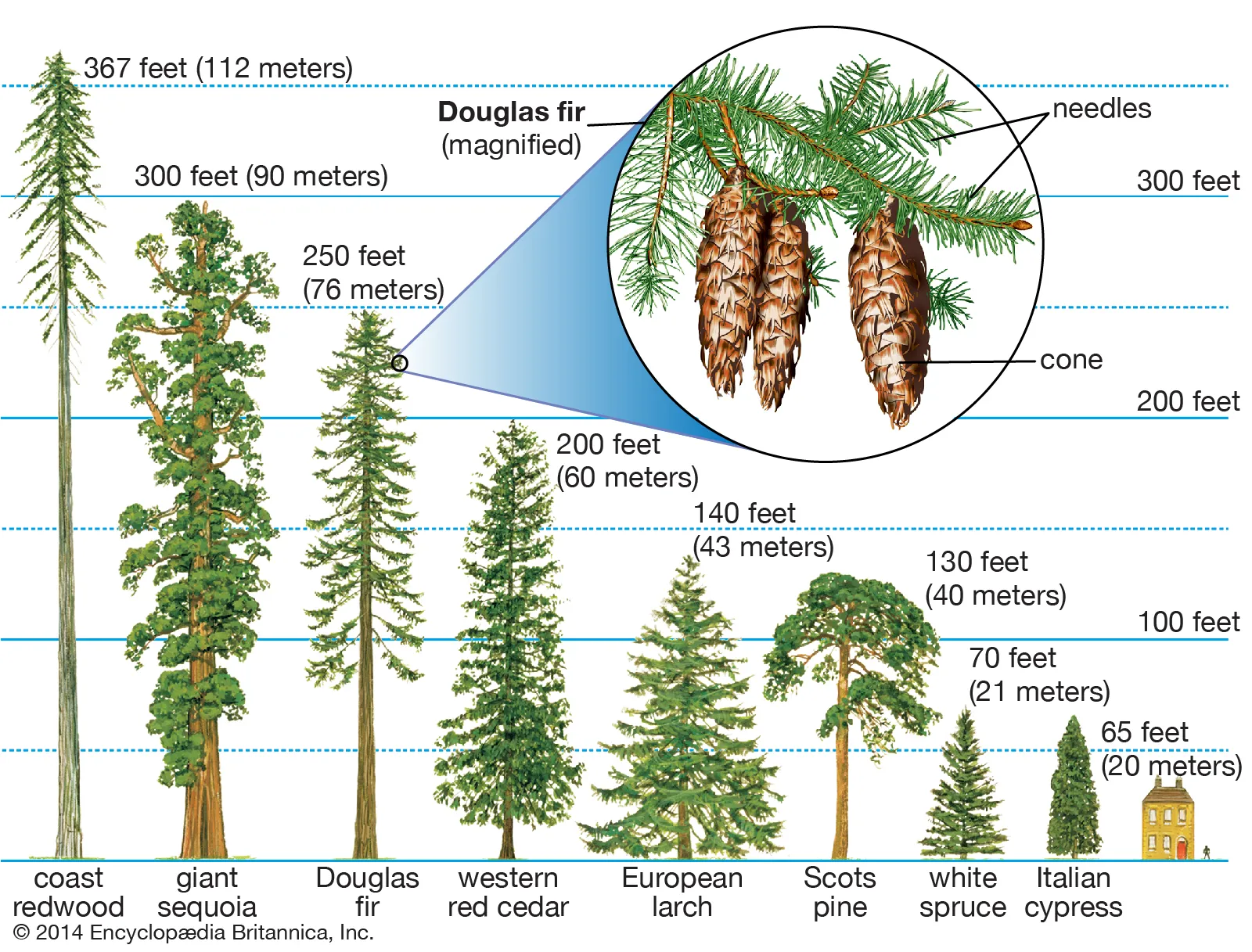
Pine:
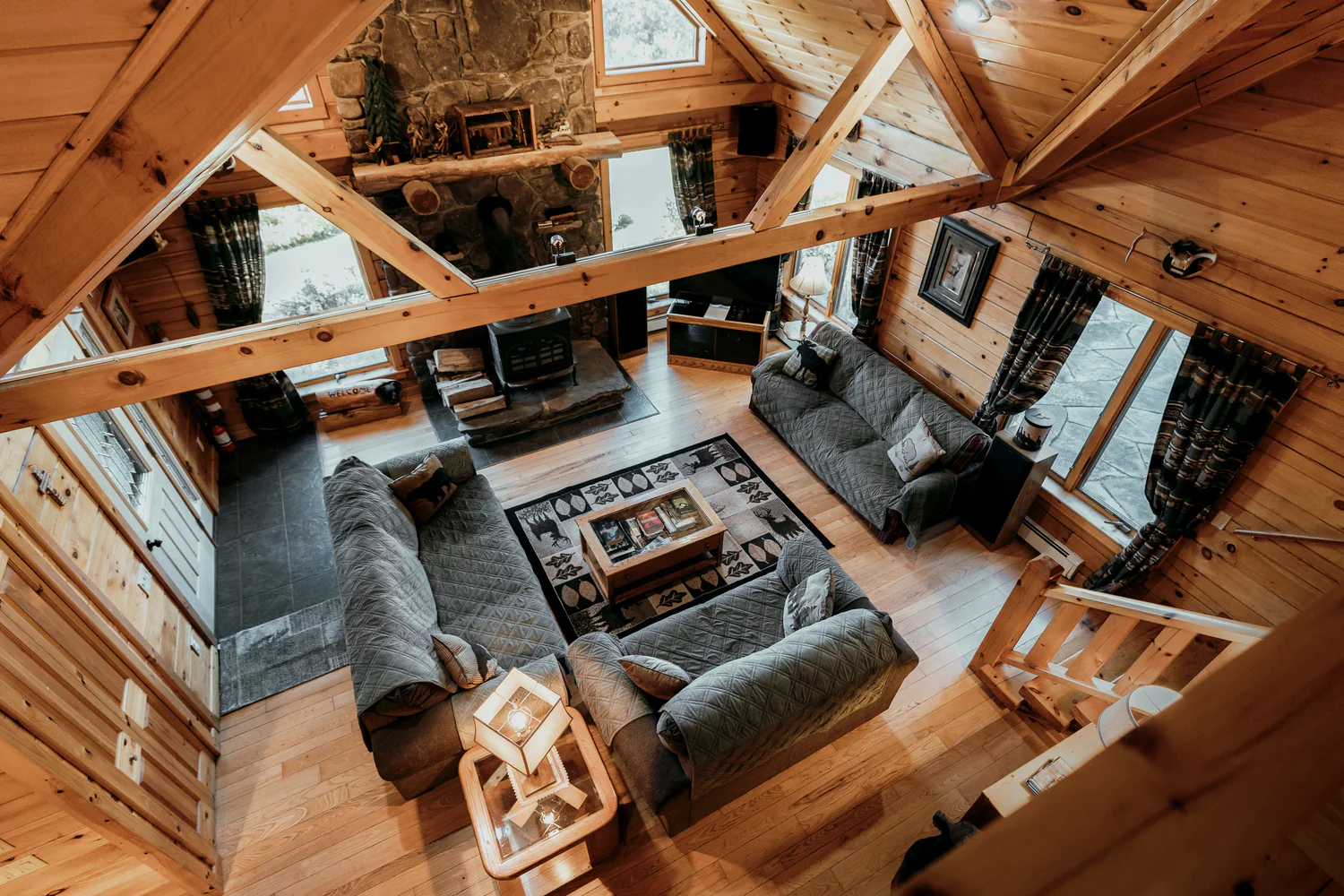
Pine is one of the most widely used softwood species. It is prized for its strength, straight grain, and affordability. It typically features knots, adding to its rustic charm. Pine is commonly found in construction, furniture making, and woodworking projects.
Cedar:
Cedar is prized for its natural resistance to decay, insects, and weathering. It has a distinct aroma and reddish-brown color. Cedar is often used in outdoor applications such as decking, siding, and fencing, as well as in closets and chests for its moth-repelling properties.
Spruce:
Spruce wood is pale in color with a straight grain and fine texture. It is lightweight yet strong, making it suitable for structural applications such as framing, as well as for musical instruments and paper production.
Fir:
Fir wood is strong, stable, and easy to work with. It is light in color, with a straight grain and a uniform texture. Fir is commonly used in construction for framing, paneling, and molding, as well as in furniture making and cabinetry.
Hemlock:
Hemlock is prized for its light color and fine texture, making it suitable for a wide range of woodworking applications, including furniture, cabinetry, and millwork.
Douglas Fir:
Douglas Fir is valued for its strength, durability, and dimensional stability. It has a straight grain with occasional knots and a reddish-brown hue. Douglas Fir is commonly used in construction for framing, flooring, and trim work.
Larch:
Larch, also known as Larix, is known for its strength, durability, and resistance to rot and decay. It is reddish-brown with prominent grain patterns. Larch is commonly used in exterior applications such as decking, siding, and boat building.
Redwood:
Redwood is renowned for its rich reddish-brown color and natural resistance to decay and insects. It has a straight grain with occasional knots and a fine texture. Redwood is prized for outdoor applications such as decking, siding, and garden furniture.
In summary, softwoods offer a myriad of qualities and applications that make them indispensable in various industries. From their lightweight and flexibility to their natural resistance and aesthetic appeal, softwoods continue to be a preferred choice for builders, craftsmen, and manufacturers worldwide.
Origins: Geographical and Historical Roots

The geographical distribution of softwood species is a testament to their adaptability to different climates and terrains. Pine, for example, thrives in temperate regions, such as North America and Europe, where it has been harvested for centuries for its robustness and straight grain. Cedar, known for its aromatic scent and natural resistance to decay, originates from the forests of North America and Asia, where it has been revered for its durability in construction and woodworking.
Spruce, with its pale, straight-grained wood, is native to North America and Eurasia’s northern temperate and boreal forests, where it has historically been used for everything from musical instruments to paper production. Fir, prized for its strength and workability, is prevalent in mountainous regions across North America and Europe, where it has been utilized in the construction of homes, furniture, and utility poles.
Hemlock, distinguished by its light color and fine texture, is native to North America and Asia, where it has been valued for its versatility in everything from lumber to pulp production. Each softwood species has a rich historical legacy, shaped by centuries of human interaction and exploitation for various industrial and domestic purposes.
Qualities of Softwoods
Softwoods possess several qualities that make them highly desirable for various applications:
- Lightweight: Softwoods are lighter than hardwoods, making them easier to work with and transport. This quality is particularly advantageous in construction and woodworking industries where maneuverability and ease of handling are essential.
- Flexibility: Softwoods exhibit a degree of flexibility that allows them to bend without breaking. This makes them suitable for applications where resilience and elasticity are required, such as in structural framing and furniture making.
- Natural Grain Patterns: Softwoods often feature distinct grain patterns that enhance their visual appeal. These patterns can vary widely depending on the species, ranging from straight and uniform to knotty and irregular, offering a diverse aesthetic palette for designers and craftsmen.
- Workability: Softwoods are generally easier to cut, shape, and finish compared to hardwoods. Their softer texture allows for smoother machining and finer detailing, making them ideal for intricate carpentry and joinery work.
- Natural Resistance: Certain softwood species, such as cedar and redwood, possess natural oils and resins that provide inherent resistance to decay, insects, and weathering. This natural durability makes them well-suited for outdoor applications like decking, fencing, and landscaping.
Comparing Softwoods to Hardwoods
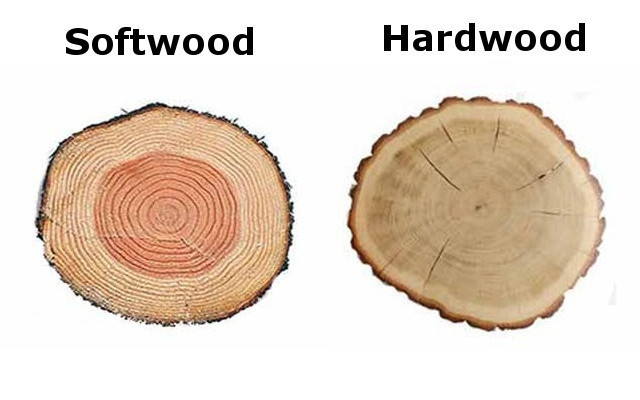
Softwoods possess a distinct set of physical properties that differentiate them from their hardwood counterparts. While hardwoods are renowned for their density and durability, softwoods are prized for their lightness, flexibility, and distinctive grain patterns. This inherent flexibility makes softwoods ideal for applications where strength and resilience are required, such as in construction, furniture making, and outdoor decking.
Softwoods also exhibit excellent thermal and acoustic insulation properties, making them well-suited for use in buildings and structures where energy efficiency and soundproofing are priorities. Additionally, softwoods are more readily available and faster-growing than many hardwood species, making them a sustainable choice for environmentally conscious consumers and industries.
Best Uses for Softwoods
Softwoods find a wide range of applications across various industries due to their versatile qualities:
- Construction: Softwoods are commonly used in construction for framing, sheathing, and finishing. Their strength, lightweight nature, and ease of workability make them indispensable in building structures ranging from residential homes to commercial buildings.
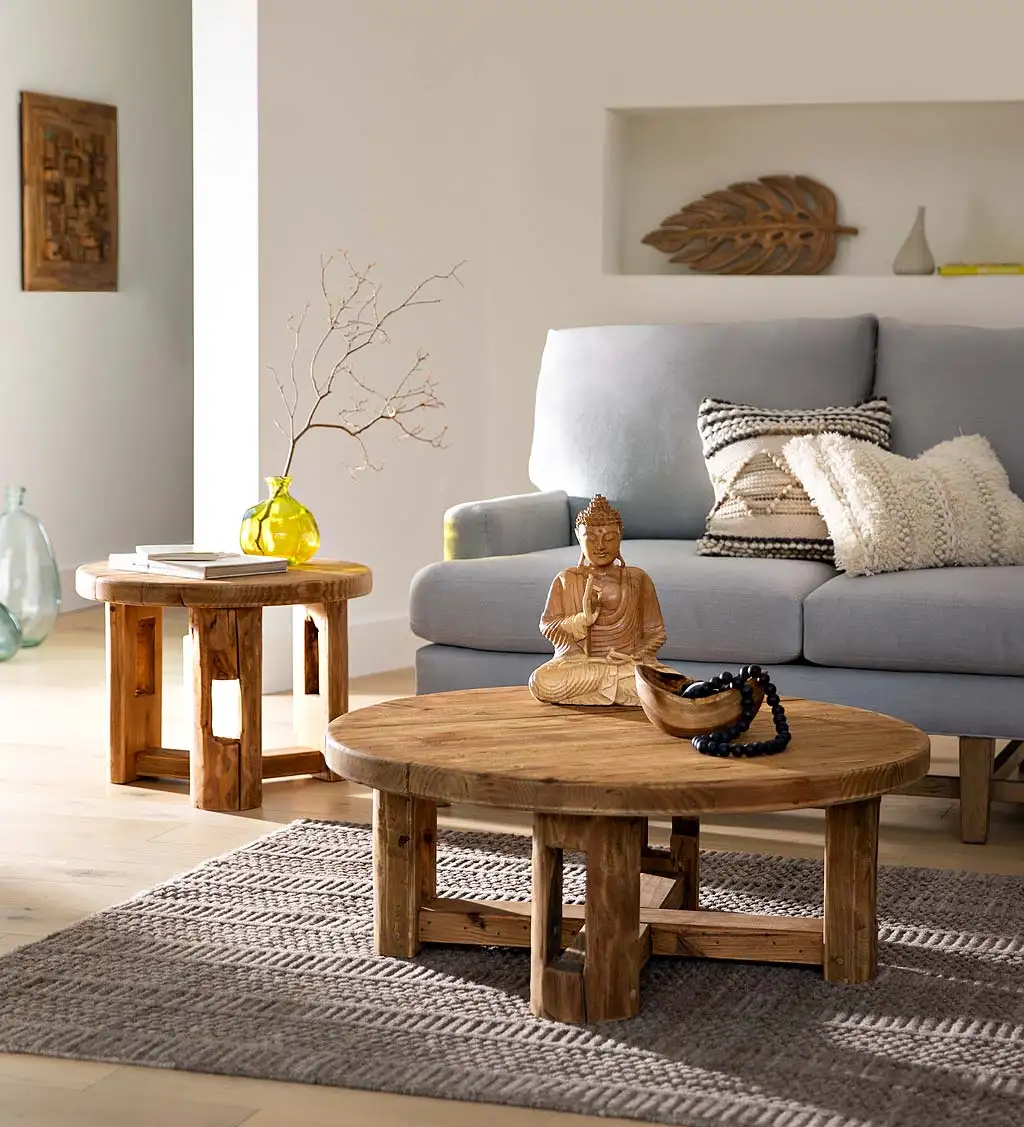
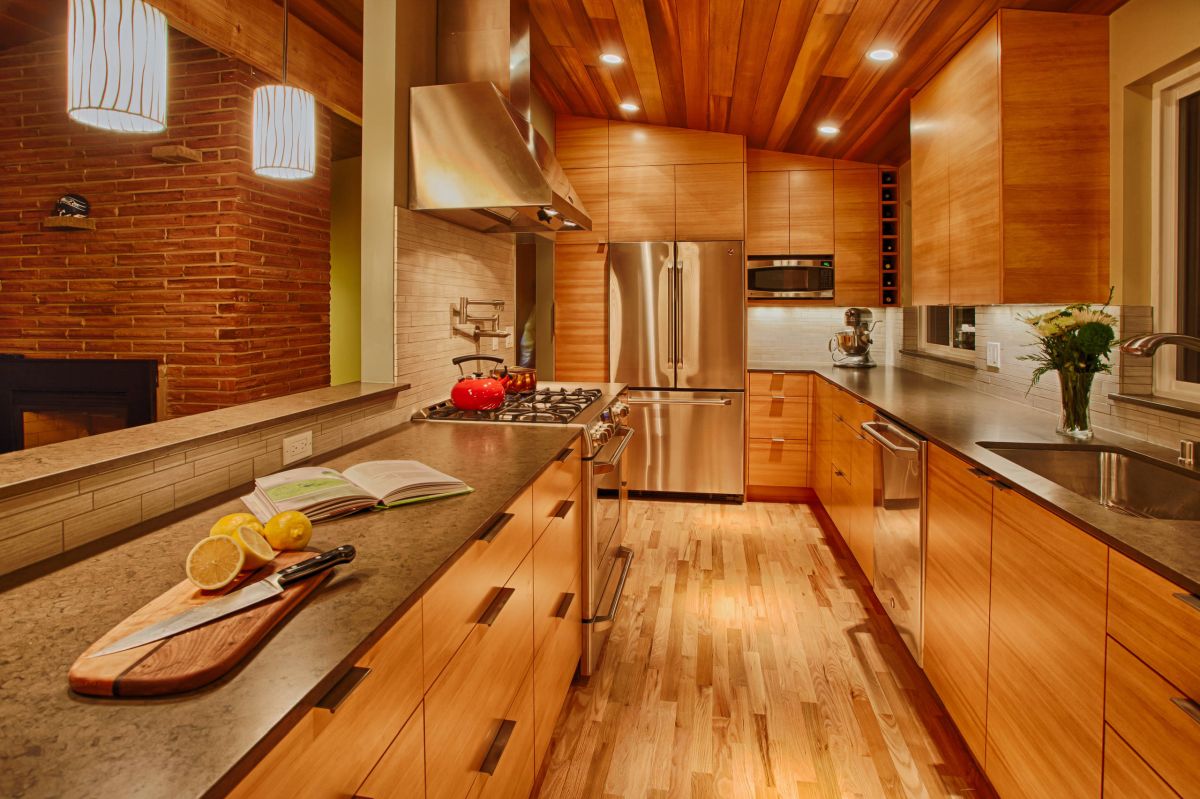
- Furniture Making: Softwoods are prized for their aesthetic appeal and versatility in furniture making. They are utilized to craft everything from traditional pieces to modern designs, offering a balance of beauty and functionality.
- Paper and Pulp Production: Softwoods, with their high cellulose content and fibrous texture, are essential in the production of paper and pulp. They are used to manufacture a wide range of paper products, including newsprint, packaging materials, and specialty papers.
- Outdoor Decking and Landscaping: Softwoods like cedar, redwood, and pressure-treated pine are popular choices for outdoor decking and landscaping projects. Their natural resistance to rot, decay, and insects makes them ideal for enduring harsh outdoor conditions while providing a visually appealing finish.
- Woodworking Crafts: Softwoods are favored by woodworkers and craftsmen for their ease of carving, turning, and finishing. They are used to create intricate details, decorative elements, and artistic pieces that showcase the natural beauty of the wood.
In Conclusion
“What is softwood?” This question unveils a world of natural beauty, practicality, and sustainability. At Brazilian Lumber, we pride ourselves on understanding the intricate details that make each species of softwood unique, allowing us to offer the highest quality decking solutions and outdoor construction materials.
Our commitment to excellence and sustainability guides our selection, ensuring that we provide materials that are not only beautiful and durable but also responsibly sourced. As we continue to explore and harness the diverse qualities of softwoods, we invite you to discover the perfect material for your next project with us, where quality meets nature’s best.
We can mill customs sizes
Premium decking
Search engine
Use this form to find things you need on this site

Deckotech Collection

Oct 26 – Nov 6 · For trade professionals
Scary-good trade pricing
Sign up to get up to 27% trade discount across the Deckotech range.
Offer valid for new contractors only and does not apply to purchases made before October 26, 2026. The promotion cannot be combined with additional discounts or existing contractor pricing. Discounts may vary depending on the product, length, and availability. Limited stock available. This promotion is valid through November 6, 2026.