Free Shipping


Treated Wood
Thermo Ayous – Uses, Applications and Cost
Thermo Ayous is becoming a popular choice for modern building and outdoor projects. It is known for its warm brown color, smooth finish, and improved durability. Because the wood goes through a special heat treatment process, Thermo Ayous performs better outdoors than untreated Ayous timber.
This guide explains what is Thermo Ayous, how it is made, where it is commonly used, and what you can expect in terms of average pricing.
What Is Thermo Ayous?
Ayous is a tropical wood species from Central and West Africa. It is also called Obeche or African whitewood. In its natural state, Ayous is light in color and easy to work with, but it does not handle moisture and outdoor exposure very well.

After thermal modification, Ayous becomes Thermo Ayous. This process improves its stability, resistance to decay, and overall performance. It also gives the wood a deeper brown tone that many people prefer for modern designs.
How Thermo Ayous Is Made
The production process begins by drying the wood to remove excess moisture.
Next, the timber is heated at high temperatures in a controlled environment with limited oxygen. This changes the structure of the wood fibers, making the wood more stable and resistant to moisture and insects.
Finally, the timber is slowly cooled and conditioned. This helps the wood maintain consistent performance once installed.
No chemicals are used in this process, making Thermo Ayous a more natural wood option.
Main Features of Thermo Ayous

Strong Dimensional Stability
Thermo Ayous does not expand and shrink as much as untreated wood. This helps reduce warping, twisting, and surface movement over time.
Improved Durability
The heat treatment process makes Thermo Ayous more resistant to rot, fungi, and insects. This allows it to perform well in outdoor environments.
Lightweight and Easy to Handle
Thermo Ayous is lighter than many hardwoods, making it easier to transport and install. However, careful handling is recommended to avoid dents and scratches.
Attractive Appearance
Thermo Ayous has a warm medium-brown color with a smooth surface. It works well in both modern and traditional designs.
Common Uses and Applications of Thermo Ayous
Exterior Cladding
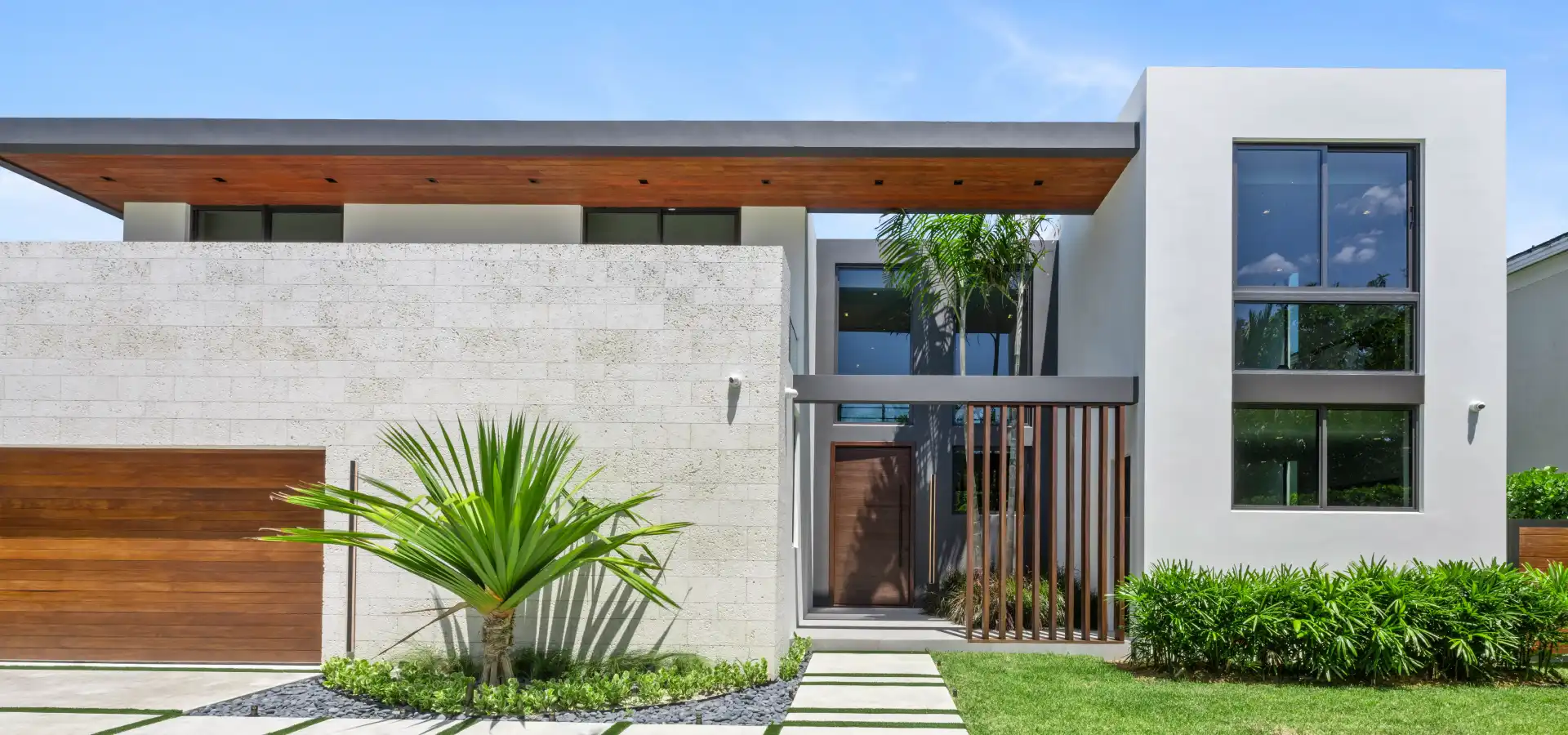
Thermo Ayous is widely used for exterior wall cladding on houses, garden rooms, and commercial buildings. It can be installed vertically or horizontally depending on design preference.
Fencing and Slatted Panels
The wood is also popular for slatted fencing and privacy screens. Its stability helps maintain straight lines and consistent spacing.
Interior Wall Panels
Thermo Ayous is used indoors for decorative wall panels and feature walls, adding warmth and natural texture to interior spaces.
Outdoor Structures
Pergolas, garden studios, sheds, and outdoor seating areas often use Thermo Ayous due to its improved resistance to weather.
Installation Tips
Stainless steel screws should always be used with Thermo Ayous to avoid staining and corrosion.
Pre-drilling holes is recommended to prevent splitting.
For exterior installations, allow space behind boards for airflow. Proper ventilation improves long-term performance.
Handle boards carefully during installation to avoid surface damage.
Average Cost of Thermo Ayous
Thermo Ayous generally falls within a mid-range price category for thermally modified timber.
Average Price Range (Price May Differ)
Across common board sizes and profiles, Thermo Ayous typically averages between $4 to $10 per board, depending on width and thickness.
Smaller profile boards such as wall panels and narrow boards fall toward the lower end of the range, while wider and thicker boards fall toward the higher end.
What Affects Final Cost
Several factors can influence the total cost of a Thermo Ayous project:
- Board size and thickness
- Profile type such as wall panels or standard boards
- Total project area
- Waste allowance for cutting and installation
- Installation method and labor costs
Although larger boards cost more per piece, Thermo Ayous remains a cost-effective option for cladding, fencing, and decorative projects compared to many premium hardwood alternatives.
Sustainability Benefits
Thermo Ayous is considered environmentally friendly when responsibly sourced. Ayous trees grow relatively quickly and are not classified as endangered.
The thermal modification process does not use chemical preservatives, which reduces environmental impact and improves indoor air quality when used inside buildings.
The long lifespan of Thermo Ayous also helps reduce replacement frequency and material waste.
Advantages of Thermo Ayous
- Warm natural brown color
- Good resistance to moisture and decay
- Stable performance in outdoor conditions
- Chemical-free heat treatment
- Easy installation and machining
- Suitable for both indoor and outdoor use
Limitations to Consider
- Thermo Ayous can dent more easily than denser hardwoods.
- It is not suitable for heavy load-bearing structural uses.
- Stainless steel fasteners are required.
- Some color variation may occur between batches.
Conclusion
Thermo Ayous offers a strong combination of beauty, durability, and environmental responsibility. With improved outdoor performance, attractive appearance, and affordable average pricing, it has become a popular material for cladding, fencing, and decorative projects.
Whether you are building a garden room, upgrading your home exterior, or adding interior feature walls, Thermo Ayous provides a reliable and modern wood solution.


Talk to An Expert in Outdoor Living Solutions!
Call Now!Our company is committed to providing the highest quality tropical hardwoods, including Ipe, Cumaru, Garapa, and Iroko, along with leading composite decking brands. As direct producers and importers, we deliver materials straight from the source, ensuring competitive pricing and exceptional quality. Our dedicated team supports residential, commercial, and outdoor living projects with fast delivery and expert guidance. We’ve partnered with contractors, architects, and designers to help bring their visions to life. We’re ready to help you find the perfect solution for your next project!