
 Free Shipping
*Applies to Ipe & Cumaru short length orders from 3–5 ft. Minimum purchase of $2,500 required. U.S. mainland only. Other conditions may apply.



What Is Ipe Wood? The Complete Guide
Best Sellers
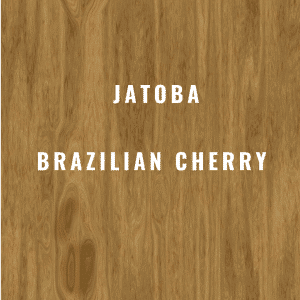
Posted on January 6, 2026 at 9:37 am
Table of Content
If you have ever searched for premium decking materials, luxury outdoor lumber, or long-lasting hardwoods, you have likely encountered Ipe wood. It is often called the gold standard of natural decking, and homeowners frequently want to know what Ipe wood is, why it is so expensive, and whether it is worth the investment.
This complete guide will explain everything you need to know. We will cover what Ipe wood is, where it comes from, its key benefits, how long it lasts, how to maintain it, common uses, cost factors, sustainability considerations, and how it compares to other decking choices.
By the end, you will have a clear understanding of what Ipe wood is and whether it is the right material for your project.
What Is Ipe Wood?
Ipe wood (pronounced ee-pay) is a tropical hardwood harvested primarily from Central and South America. It comes from the Handroanthus genus (formerly Tabebuia), a group of towering rainforest trees that produce extremely dense, hard, and durable lumber.
Ipe is also known by several names, including:
- Brazilian Walnut
- Ironwood
- Lapacho (in some regions)
- Pau d’arco
When people ask what is Ipe wood, the simplest explanation is:
Ipe is one of the hardest, strongest, and most naturally durable woods in the world, commonly used for high-end decking, siding, boardwalks, and outdoor structures.
Ipe’s density, longevity, and resistance to decay make it ideal for environments that would destroy weaker wood species.
Where Does Ipe Wood Come From?
Ipe trees grow throughout the tropical forests of:
- Brazil
- Peru
- Bolivia
- Paraguay
- Colombia
- Parts of Central America
Most commercially sold Ipe in North America comes from Brazil, where the lumber industry has long relied on tropical hardwoods.
These trees can grow over 100 feet tall, with strong, straight trunks that supply long, clean boards.
Sustainability and Legal Harvesting
Because Ipe comes from tropical forests, sustainability is an important topic. When researching what is Ipe wood, it is also essential to consider how and where it was harvested.
Look for:
- FSC-certified Ipe
- Lumber suppliers with transparent sourcing
- Legal documentation and chain-of-custody information
Choosing responsible suppliers helps reduce the environmental impact of hardwood harvesting.
What Does Ipe Wood Look Like?
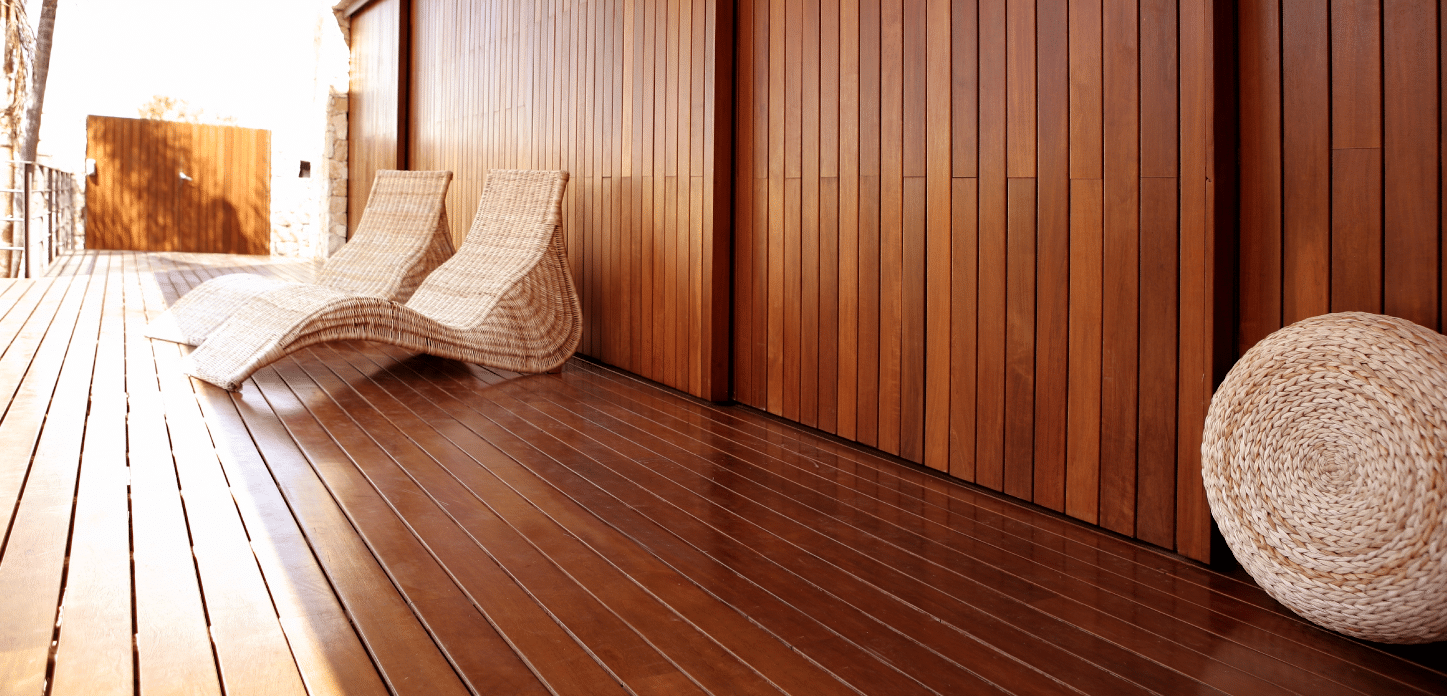
One of the reasons people love Ipe is its beauty. It has a rich, luxurious appearance that often surpasses many domestic hardwoods.
Color
Ipe’s color varies naturally from board to board:
- Medium brown
- Dark brown
- Olive tones
- Reddish hues
This variation is a hallmark of real Ipe and contributes to its high-end aesthetic.
Grain and Texture
Ipe features:
- Fine to medium texture
- Tight, smooth grain
- Occasional subtle striping or figure
- Naturally oily feel due to its dense structure
When freshly milled, Ipe looks almost polished even without finishing.
Weathering
If left untreated in the sun, Ipe gradually turns a silvery gray patina, similar to teak. Many homeowners love this natural, aged look, while others prefer to maintain the original brown color with oil finishes.
Why Is Ipe Wood So Popular?
Ipe is chosen for demanding outdoor applications because it performs exceptionally well against weather, insects, and time. Here are its key advantages.
Key Characteristics and Benefits of Ipe Wood
1. Extraordinary Hardness and Strength
Ipe is one of the hardest woods available for decking. On the Janka hardness scale:
- Ipe measures around 3,500 lbf (pounds of force)
For comparison:
- Oak is around 1,200 lbf
- Maple is around 1,450 lbf
- Cedar is around 350 lbf
This makes Ipe several times harder than many American hardwoods.
What this means in real-world terms:
- It resists dents and scratches
- It supports heavy loads
- It maintains structural integrity for decades
This is a major reason why cities choose Ipe for boardwalks and public spaces with heavy foot traffic.
2. Exceptional Durability and Lifespan
When considering what is Ipe wood, durability is one of its defining traits. Ipe naturally resists:
- Rot
- Termites
- Wood-boring insects
- Fungal growth
- Moisture penetration
A properly installed and maintained Ipe deck can last:
- 25 to 50 years in residential settings
- 40 to 75 years in some commercial applications
Few natural materials come close to this lifespan.
3. Fire Resistance
Ipe has a Class A fire rating, the same category as concrete and steel when tested in decking assemblies. This makes it one of the safest natural exterior woods in fire-prone regions.
4. Stability and Low Movement
Ipe moves less than many other woods when exposed to moisture changes. It is less likely to:
- Cup
- Warp
- Twist
Its dimensional stability makes it ideal for large, flat surfaces like decks and siding.
5. Natural Beauty Without Chemicals
Ipe’s natural oils and density protect it without the need for toxic preservatives. While finishing oils can improve color stability, the wood does not require chemical treatment to resist decay.
What Is Ipe Used For?
Ipe is versatile and trusted for both residential and commercial outdoor projects.
1. Decking
Ipe is one of the most sought-after decking materials for:
- Luxury homes & hotels
- Multi-level decks
- Rooftop decks
- Pool surrounds
- Outdoor kitchens
Its hardness and natural slip resistance are major benefits.
2. Boardwalks and Commercial Spaces
Cities and resorts choose Ipe for:
- Beach boardwalks
- Waterfront promenades
- Outdoor retail or dining decks
- Public park walkways
Examples include the legendary Coney Island Boardwalk (which historically used Ipe for decades).
3. Siding and Cladding
Ipe is often used for exterior:
- Rain screens
- Architectural cladding
- Decorative panels
- Modern slat walls
Its clean lines and deep brown color create a contemporary, upscale appearance.
4. Fencing and Outdoor Privacy Screens
Ipe fences are durable, private, and extremely attractive. They outperform softwoods by decades.
5. Marine Structures
Ipe can be used for:
- Docks
- Piers
- Waterfront stairways
- Boat landings
Because it stands up well to moisture, it is ideal in marine environments.
6. Outdoor Furniture and Accents
Craftsmen often use Ipe for benches, tables, and custom outdoor pieces that need long-term weather resistance.
How Long Does Ipe Wood Last?
This is one of the most common questions after “what is Ipe wood.”
Residential Lifespan
A typical Ipe deck, when properly installed and maintained, lasts 25 to 50 years.
Commercial Lifespan
In high-traffic areas, Ipe can last 40 to 75 years, depending on exposure and thickness.
Why Ipe Lasts So Long
Its longevity is due to:
- Extremely high density
- Natural oils
- Resistances to insects and decay
- Minimal expansion and contraction
In many cases, the framing beneath an Ipe deck wears out before the deck boards do.
How to Maintain Ipe Wood
One of the reasons people ask what Ipe wood is is because they want to know how much work it requires. The answer depends on your preference for appearance.
If You Want Ipe to Turn Gray
Good news: Ipe does not need oil or stain to remain structurally strong.
If you prefer a natural gray patina, you only need:
- Occasional cleaning
- Proper ventilation
- Good installation practices
If You Want to Maintain the Brown Color
To preserve Ipe’s rich brown tones:
- Clean the deck annually
- Apply a UV-resistant penetrating oil once or twice a year
- Avoid film-forming finishes (they peel)
A simple oil application restores color beautifully.
Installing Ipe Wood: Best Practices
Because Ipe is extremely dense and heavy, proper installation is critical.
1. Pre-Drilling
Ipe must be pre-drilled for screws to avoid splitting and to allow clean fastening.
2. Stainless Steel Fasteners
Use only:
- 305 or 316 stainless steel screws
- Stainless steel hidden clips (if applicable)
Cheaper fasteners corrode and stain the wood.
3. Proper Ventilation and Drainage
Ipe should never be installed directly against the ground or solid surfaces without airflow.
4. Allow Acclimation Time
Boards should sit on the jobsite (stacked with spacers) to adjust to local humidity before installation.
5. Use End-Seal
Wax-based end sealer reduces checking at board ends.
When installed correctly, Ipe stays stable and beautiful for decades.
Pros and Cons of Ipe Wood
Below is a balanced look at the strengths and weaknesses of Ipe.
Pros
- Extremely long lifespan
- High resistance to rot and insects
- Premium appearance
- Harder than almost any other decking wood
- Fire-resistant properties
- Lower maintenance than many woods
- Can be left natural or oiled
Cons
- Higher upfront cost (3 Ways to save on IPE)
- Heavy and labor-intensive to install
- Requires pre-drilling
- Sourcing must be responsible and legal
- Oil finishes must be reapplied to maintain color
Most homeowners consider the long lifespan and performance worth the investment.
How Much Does Ipe Wood Cost?
Ipe is more expensive than pressure-treated pine or softwoods and often more expensive than composite decking.
Factors that affect cost:
- Board length and thickness
- Shipping distance
- Lumber grade
- Market availability
While upfront costs are higher, the total lifetime cost is low because Ipe lasts so long.
Ipe Wood vs Other Decking Materials
When people learn what Ipe wood is, they often compare it to alternatives.
Ipe vs Pressure-TreatedWood
- Pressure treated is cheaper
- PT lasts 10–20 years
- Ipe lasts 25–50+ years
- Ipe requires less frequent replacement
Ipe vs Cedar or Redwood
- Softwoods are easier to install
- Cedar/redwood last 15–25 years
- Ipe lasts much longer
- Ipe is far more scratch and dent resistant
Ipe vs Composite Decking
- Composite requires less oiling
- Composite can fade, stain, or warp in heat
- Ipe remains structurally strong for decades
- Ipe offers a natural look composites cannot fully match
Ipe vs Other Hardwoods
Compared with cumaru, garapa, massaranduba, and tigerwood:
- Ipe generally lasts the longest
- Ipe is the densest
- Other hardwoods may cost less but offer shorter lifespans
Is Ipe Wood Worth It?
If your goal is to install a deck that:
- Looks luxurious
- Feels solid underfoot
- Stands up to weather and insects
- Maintains value over time
Then Ipe is one of the best choices available.
Although the upfront cost is higher, the long lifespan reduces the cost per year dramatically. In many cases, Ipe outlasts two or three pressure-treated wood decks.
FAQs About Ipe Wood
1. What is Ipe wood?
Ipe wood is a dense, tropical hardwood known for its exceptional strength, durability, and resistance to rot, insects, and fire. It is commonly used for outdoor applications such as decking, flooring, siding, and boardwalks.
2. What does Ipe stand for?
Ipe does not stand for an acronym. It is the common name for several species of hardwood trees in the Handroanthus genus, native to Central and South America.
3. What is Ipe wood used for?
Ipe wood is widely used for decking, outdoor furniture, siding, ceiling, fencing, docks, and commercial walkways due to its long lifespan and weather resistance.
4. Where does Ipe wood come from?
Ipe wood comes primarily from Central and South America, especially Brazil, where it grows naturally in tropical forests.
5. What is Ipe decking made of?
Ipe decking is made from solid Ipe hardwood boards, not composites or laminates. The wood’s natural oils and dense grain make it ideal for outdoor use.
6. How hard is Ipe wood?
Ipe is extremely hard, with a Janka hardness rating of about 3,680 lbf, making it significantly harder than oak and many other hardwoods.
7. How long does Ipe wood last?
With proper care, Ipe wood can last 40 to 75 years or more, even in outdoor environments exposed to moisture and sunlight.
8. Is Ipe wood expensive?
Yes, Ipe wood is considered a premium hardwood. Its high cost reflects its durability, longevity, and limited availability.
9. How much does Ipe wood cost per square foot?
Ipe wood typically costs between $8 and $15 per square foot for materials alone, though prices can vary based on grade, thickness, and supplier.
10. Is Ipe wood fire resistant?
Yes, Ipe wood is naturally fire resistant and often carries a Class A fire rating, similar to concrete and steel.
11. Is Ipe wood sustainable?
Ipe wood can be sustainable when sourced responsibly. Look for suppliers that offer FSC-certified Ipe to ensure responsible forest management.
12. Does Ipe wood rot or decay?
Ipe wood is highly resistant to rot, decay, and insect damage, making it suitable for humid and coastal environments.
13. Does Ipe wood splinter?
Ipe wood is less prone to splintering than many softwoods, but splintering can still occur if the wood is not properly maintained.
14. Does Ipe wood turn grey over time?
Yes, untreated Ipe wood naturally weathers to a silver-grey patina when exposed to sunlight and weather.
15. Does Ipe wood need to be sealed or stained?
Ipe does not need to be sealed for durability, but sealing or oiling helps maintain its rich brown color and slows greying.
16. Can you stain Ipe wood?
Yes, Ipe wood can be stained, but oil-based hardwood stains specifically designed for dense woods work best.
17. Can you paint Ipe wood?
Painting Ipe wood is not recommended because its dense surface prevents paint from adhering properly and may lead to peeling.
18. How do you clean an Ipe wood deck?
Clean an Ipe deck using a mild wood cleaner, water, and a soft brush. Avoid harsh chemicals or excessive pressure washing.
19. How often should you oil or stain an Ipe deck?
Most Ipe decks should be oiled or stained every 12 to 18 months to maintain color and protect the surface.
20. Where can you buy Ipe wood or Ipe lumber?
You can buy top-quality, original, certified Ipe wood from Brazilian Lumber, a trusted supplier known for sourcing premium-grade Ipe hardwood suitable for decking and other outdoor applications.
Conclusion
Ipe is a premium tropical hardwood known for its exceptional hardness, beauty, and outdoor durability. It is one of the longest-lasting natural decking materials in the world, capable of resisting rot, insects, moisture, and heavy foot traffic for decades.
Whether you are planning a residential deck, a commercial boardwalk, stylish siding, or an elegant outdoor structure, Ipe provides unmatched longevity and performance. If you want an investment that pays off year after year, Ipe wood is one of the most reliable materials you can choose.
We can mill customs sizes
Premium decking
Search engine
Use this form to find things you need on this site

Deckotech Collection

Oct 26 – Nov 6 · For trade professionals
Scary-good trade pricing
Sign up to get up to 27% trade discount across the Deckotech range.
Offer valid for new contractors only and does not apply to purchases made before October 26, 2026. The promotion cannot be combined with additional discounts or existing contractor pricing. Discounts may vary depending on the product, length, and availability. Limited stock available. This promotion is valid through November 6, 2026.