

 Free Shipping
*Applies to Ipe & Cumaru short length orders from 3–5 ft. Minimum purchase of $2,500 required. U.S. mainland only. Other conditions may apply.




Janka Hardness Scale
Best Sellers
Posted on January 6, 2026 at 11:20 am
Table of Content
When choosing wood for flooring, furniture, cabinetry, or specialty woodworking projects, durability matters. Some wood species dent easily while others resist years of heavy traffic. The Janka Hardness Scale is the most widely recognized system for measuring that durability. It gives woodworkers and buyers an objective way to compare the hardness of hundreds of domestic and exotic lumber species.
This complete guide explains how the Janka test works, why hardness matters, how to use the scale when selecting wood, and how scores differ across species. You will also find a detailed breakdown of factors that influence hardness and practical tips for choosing the right wood for your project.
By the end, you will understand the Janka Hardness Scale with expert clarity and be able to make confident decisions about the wood you choose.
What Is the Janka Hardness Scale
The Janka Hardness Scale measures how much force is required to embed a solid steel ball into a piece of wood. The ball is 0.444 inches in diameter. The test measures the amount of pounds force needed to push the ball halfway into the wood’s surface.
A higher number indicates a harder and more dent resistant wood. A lower number indicates a softer wood that may show wear more easily.
The scale is widely used in the United States and internationally. Flooring manufacturers, woodworkers, builders, and millworkers rely on Janka ratings to compare products and select the right materials for function and longevity.
Table of Janka Hardness Ratings
Below is the complete list provided, arranged exactly as given, showing the broad range of species from soft to extremely dense.
Important Accuracy Notes
-
Janka ratings are averages and can vary slightly by source, moisture content, and species variation.
-
Burls, figured, quilted, or quarter-sawn woods do NOT have separate Janka values, they share the base species rating.
-
Exotic woods often have ranges, not single fixed numbers.
| Janka Hardness (lbf) | Wood Species | Hardness Category | Best Use |
| 350 | Buckeye Burl | Soft | Turning, decorative work |
| 380 | Aspen | Soft | Carving, crafts, light trim |
| 410 | Basswood | Soft | Carving, model building |
| 470 | Guanacaste Parota | Soft | Slabs, lightweight furniture |
| 490 | Butternut | Soft | Carving, panels |
| 540 | American Chestnut | Soft | Millwork, rustic furniture |
| 540 | Poplar | Soft | Interior trim, paint grade cabinets |
| 540 | Mappa Burl | Soft | Veneers, decorative panels |
| 600 | Spanish Cedar | Soft | Closets, humidors |
| 670 | Black Limba | Soft | Musical instruments, furniture |
| 800 | Genuine Mahogany | Soft | Fine furniture, trim |
| 830 | American Elm | Soft | Chairs, curved furniture |
| 850 | Quilted Western Maple | Soft | Decorative work |
| 850 | Western Maple Burl | Soft | Veneer, turning |
| 850 | Curly Western Maple | Soft | Craft furniture |
| 850 | Black Ash | Soft | Baskets, chairs |
| 850 | Western Maple | Soft | Furniture, small woodworking |
| 880 | Spalted Hackberry | Soft | Turning, art wood |
| 891 | Lacewood | Soft | Veneers, accent furniture |
| 900 | Aromatic Red Cedar | Soft | Closets, chests |
| 950 | Cherry | Medium | Furniture, cabinets |
| 950 | Tornillo | Medium | Furniture, light flooring |
| 950 | Curly Soft Maple | Medium | Furniture, cabinetry |
| 950 | Cherry Burl | Medium | Veneer, fine accents |
| 950 | Soft Maple | Medium | Furniture, trim |
| 950 | Curly Cherry | Medium | High-end furniture |
| 950 | Anigre | Medium | Veneer, millwork |
| 950 | Ambrosia Maple | Medium | Decorative woodworking |
| 960 | Peruvian Walnut | Medium | Furniture, interior trim |
| 1010 | Walnut | Medium | Premium furniture |
| 1010 | Figured Walnut | Medium | Instruments, luxury panels |
| 1020 | Holly | Medium | Inlays, small craft |
| 1055 | Curly Pyinma | Medium | Veneer, high-end furniture |
| 1080 | Teak | Medium | Outdoor furniture, boat decks |
| 1100 | African Mahogany | Medium | Furniture, paneling |
| 1100 | Figured Mango | Medium | Custom furniture |
| 1100 | Mango | Medium | Furniture, décor |
| 1130 | Gofasa Burl | Medium | Turning, decorative use |
| 1160 | Thuya Burl | Medium | Luxury turning items |
| 1170 | Koa | Medium | Guitars, furniture |
| 1180 | Acacia | Medium | Flooring, furniture |
| 1200 | Redheart | Medium | Turning, accents |
| 1200 | Masur Birch | Medium | Decorative cabinetry |
| 1200 | Mirindiba | Medium | Furniture |
| 1210 | Nicaraguan Rosewood | Medium | Instruments, premium furniture |
| 1220 | Red Oak | Medium | Flooring, stairs |
| 1220 | Curly Oak | Medium | Furniture, flooring |
| 1220 | Quarter Sawn Red Oak | Medium | Flooring, trim |
| 1220 | Spalted Oak | Medium | Decorative projects |
| 1220 | Turkish Walnut | Medium | Gunstocks, furniture |
| 1260 | Amboyna Burl | Medium | High end turning |
| 1260 | Birch | Medium | Cabinets, furniture |
| 1260 | Bayur Burl | Medium | Turning, accents |
| 1260 | Curly Narra | Medium | Decor furniture |
| 1260 | Flame Birch | Medium | Furniture, paneling |
| 1260 | Birch Burl | Medium | Veneers |
| 1260 | Narra | Medium | Furniture, cabinetry |
| 1294 | Figured Makore | Medium | Veneer, luxury furniture |
| 1294 | Makore | Medium | Millwork, cabinets |
| 1300 | Spalted Beech | Medium | Decorative turning |
| 1320 | White Ash | Medium | Sports gear, furniture |
| 1320 | Curly White Ash | Medium | Furniture |
| 1320 | Swamp Ash | Medium | Guitar bodies |
| 1330 | Shedua | Medium | Cabinets, furniture |
| 1335 | Quarter Sawn White Oak | Medium | Flooring, furniture |
| 1335 | White Oak | Medium | Flooring, barrels |
| 1350 | Ebiara | Medium | Decorative work |
| 1360 | English Brown Oak | Medium | Furniture, cabinetry |
| 1400 | Mayan Walnut | Medium | Furniture |
| 1400 | Eucalyptus | Medium | Flooring, furniture |
| 1439 | Quilted Sapele | Hard | Veneer, high-end furniture |
| 1450 | Birdseye Maple | Hard | Premium furniture |
| 1450 | Hard Maple | Hard | Floors, workbenches |
| 1450 | Curly Hard Maple | Hard | Instrument necks |
| 1450 | Quarter Sawn Maple | Hard | High durability flooring |
| 1450 | Bark Pocket Maple | Hard | Specialty pieces |
| 1450 | Hard Maple Burl | Hard | Veneers |
| 1450 | Spalted Maple | Hard | Decorative uses |
| 1450 | Rift Sawn Hard Maple | Hard | Stairs, cabinets |
| 1460 | Madrone Burl | Hard | Turning and décor |
| 1500 | Sapele | Hard | Flooring, furniture |
| 1520 | Canarywood | Hard | Flooring, furniture |
| 1548 | Honey Locust | Hard | High durability flooring |
| 1560 | Afrormosia | Hard | Decking, outdoor furniture |
| 1712 | Merbau | Hard | Commercial flooring |
| 1780 | Black and White Ebony | Hard | Inlay, small luxury items |
| 1800 | Camphor Bush Burl | Hard | Slabs, décor |
| 1800 | Figured Camphor Bush | Hard | Art pieces |
| 1810 | Afzelia Burl | Hard | Turning, accents |
| 1820 | Hickory | Hard | High traffic flooring |
| 1830 | Zebrawood | Hard | Furniture, instruments |
| 1830 | Figured Zebrawood | Hard | Fine woodworking |
| 1860 | Jarrah Burl | Hard | Turning, decorative |
| 1878 | Yellowheart | Hard | Turning, accents |
| 1900 | Red Palm | Hard | Tool handles |
| 1930 | Wenge | Hard | Flooring, guitars |
| 1960 | Bolivian Rosewood | Hard | Instruments, luxury floors |
| 1970 | Padauk | Hard | Flooring, furniture |
| 1970 | Ziricote | Hard | Guitars, premium furnishings |
| 2010 | Bocote | Very Hard | High-end furniture |
| 2020 | Black Palm | Very Hard | Handles, custom tools |
| 2140 | Sucupira | Very Hard | High durability flooring |
| 2150 | Leopardwood | Very Hard | Decorative flooring |
| 2160 | Goncalo Alves | Very Hard | Flooring, furniture |
| 2200 | Chechen | Very Hard | Cabinets, flooring |
| 2200 | Honduras Rosewood | Very Hard | Instruments |
| 2200 | Honduras Rosewood Burl | Very Hard | Luxury turning |
| 2250 | Orangeheart | Very Hard | Turning, accents |
| 2318 | Spalted Tamarind | Very Hard | Art wood |
| 2400 | Osage Orange Argentine | Very Hard | Bows, handles |
| 2400 | Santos Mahogany | Very Hard | Commercial flooring |
| 2410 | Figured Bubinga | Very Hard | Drums, luxury furniture |
| 2410 | Quilted Bubinga | Very Hard | Veneer |
| 2410 | Bubinga | Very Hard | Tables, instruments |
| 2430 | Cochen Rosewood | Very Hard | Fine instruments |
| 2430 | Indian Ebony | Very Hard | Carving, keys |
| 2440 | East Indian Rosewood | Very Hard | Instruments |
| 2480 | Tamboti | Very Hard | Luxury furniture |
| 2490 | Red Mallee Burl | Very Hard | Turning |
| 2490 | Brown Mallee Burl | Very Hard | Art turning |
| 2500 | Tulipwood | Very Hard | High end turning |
| 2520 | Purpleheart | Very Hard | Floors, accents |
| 2520 | Figured Purpleheart | Very Hard | Decorative |
| 2532 | Marblewood | Very Hard | Veneers |
| 2620 | Amazon Rosewood | Very Hard | Instrument backs |
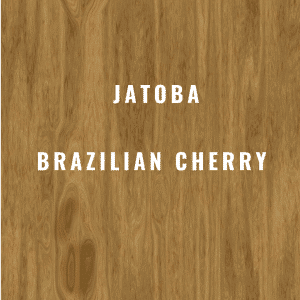
| 2690 | Jatoba | Very Hard | Durable flooring |
| 2690 | Olivewood | Very Hard | Decorative woodworking |
| 2690 | Spalted Jatoba | Very Hard | Art pieces |
| 2700 | Granadillo | Very Hard | Marimba bars |
| 2720 | Madagascar Rosewood | Very Hard | Guitars |
| 2760 | Osage Orange USA | Very Hard | Archery, tools |
| 2900 | Bloodwood | Very Hard | Flooring, bowls |
| 2920 | Yellow Box Burl | Extreme | Turning, rare pieces |
| 2960 | Cocobolo | Extreme | Instruments, knife handles |
| 3000 | Mun Ebony | Extreme | Tools, carvings |
| 3080 | Gaboon Ebony | Extreme | Instrument keys |
| 3080 | Royal Ebony | Extreme | Luxury furniture |
| 3150 | Angelim Pedra | Extreme | Industrial flooring |
| 3180 | Malaysian Blackwood | Extreme | Turning, instruments |
| 3200 | Pau Santo | Extreme | Violin bows |
| 3220 | Macassar Ebony | Extreme | Veneer, high end furniture |
| 3230 | Pink Ivory | Extreme | Pen turning |
| 3250 | Desert Ironwood | Extreme | Knife scales |
| 3330 | Cumaru | Extreme | Decking, exterior use |
| 3340 | Kingwood | Extreme | Veneer, luxury goods |
| 3340 | Camatillo | Extreme | Specialty pieces |
| 3370 | Grey Box Burl | Extreme | Turning |
| 3390 | Mopani | Extreme | Woodwind instruments |
| 3510 | Ipe | Extreme | Decking, boardwalks |
| 3590 | Brown Ebony | Extreme | Premium tools |
| 3590 | Coffeewood | Extreme | Turning |
| 3600 | Patagonian Rosewood | Extreme | Flooring |
| 3660 | Katalox | Extreme | Flooring, stair treads |
| 3660 | Figured Katalox | Extreme | High end joinery |
| 3670 | African Blackwood | Extreme | Clarinets, bagpipes |
| 3690 | Brazilian Ebony | Extreme | Industrial use |
| 3710 | Lignum Vitae Argentine | Extreme | Bearings, mallets |
| 3730 | Red Coolibah Burl | Extreme | Turning |
| 3800 | Snakewood | Extreme | Bow frogs, luxury items |
| 4380 | Lignum Vitae Genuine | Extreme | Ship bearings, rollers |
Why the Janka Test Matters
Wood hardness is not the only property that affects durability, but it is one of the most important. Here is why the Janka test is valuable.
1. It Predicts Dent Resistance
Harder woods resist dents from furniture legs, dropped objects, foot traffic, and general impacts. Soft woods mark more easily.
2. It Helps Construct Long Lasting Flooring
Flooring companies use Janka ratings to determine which species perform well in homes, commercial spaces, and high traffic areas.
3. It Guides Woodworkers in Choosing the Right Species
Some projects need softer woods for easy carving and shaping. Others need harder woods for stability and wear resistance.
4. It Helps Compare Domestic and Exotic Woods
The Janka Hardness Scale creates a level field. Wood from North America, South America, Africa, Asia, and Europe can be directly compared.
How the Janka Test Works
The Janka test follows a consistent procedure to ensure fair comparisons.
Step 1. A piece of wood is prepared
The sample must be free of knots and defects. The grain orientation is also controlled because hardness varies depending on whether the grain is parallel or perpendicular to the surface.
Step 2. A 0.444 inch steel ball is placed against the surface
This specific diameter is used globally.
Step 3. A machine applies steady pressure until the ball reaches half its own diameter
The force required to push the ball halfway in is measured. This number becomes the Janka rating.
Step 4. Results are recorded in pounds force
This allows easy comparison between species.
Although simple in concept, this standardized process produces reliable and repeatable results that professionals depend on.
Understanding the Range of Janka Hardness Values
The Janka scale spans a wide range. At the lower end, very soft woods like Buckeye Burl rate around 350 pounds force. On the higher end, extremely dense species like Genuine Lignum Vitae measure more than 4300 pounds force.
Most commonly used hardwood flooring species fall between 900 and 2000 pounds force.
Below is an overview of what different ranges typically indicate.
0 to 600: Very Soft Woods
Examples include Buckeye Burl, Aspen, and Basswood. These woods are ideal for carving and lightweight projects but dent extremely easily.
600 to 1000: Soft to Moderate Hardness
Spanish Cedar and Peruvian Walnut fall into this category. Suitable for furniture, trim, or decorative elements.
1000 to 1500: Common Hardwoods
Walnut, Teak, Red Oak, Birch, Maple, and Koa appear in this range. Many flooring and furniture species fall here because they balance workability and durability.
1500 to 2000: Hard and Durable Woods
Sapele, Honey Locust, Merbau, Padauk, and Wenge are harder and more resistant to wear. Many exotic flooring options fall into this range.
2000 to 3000: Very Hard Woods
Bubinga, Purpleheart, Jatoba, Osage Orange, and Cocobolo are extremely dense, wear resistant, and challenging to work with.
3000 and Above: Extremely Hard and Rare Woods
Ebony, Angelim Pedra, African Blackwood, and Lignum Vitae are among the hardest woods in the world. These are prized for specialty work such as instrument making, tool handles, and fine craft pieces.
What Influences a Wood’s Janka Hardness Rating
Several natural factors determine how hard a species of wood is.
1. Density
The heavier and denser the wood, the harder it tends to be. Density is influenced by how the tree grows, the rate of growth, and the structure of its cells.
2. Moisture Content
Woods tested at higher moisture content tend to be softer. Kiln dried woods usually test harder and more consistently.
3. Grain Direction
Testing across the grain produces a higher hardness number than testing along the grain.
4. Natural Oils and Extractives
Some exotic woods contain resins and oils that increase density and hardness. Examples include teak, ipe, and many rosewoods.
5. Species and Growth Environment
Trees grown in tropical climates often have higher density due to slow, steady growth.
How to Use the Janka Scale When Choosing Wood
The scale is not only for experts. Anyone selecting wood can benefit from knowing how to use these numbers.
For Flooring
Harder is generally better. A wood under 1000 pounds force may dent in busy homes. Popular choices include:
- Red Oak at 1220
- White Oak at 1335
- Hard Maple at 1450
- Hickory at 1820
- Jatoba at 2690
- Ipe at 3510
Higher hardness improves longevity and reduces visible wear.
For Furniture
Furniture makers balance hardness with workability. Woods like walnut, cherry, and maple are favored because they are strong yet still workable.
For Cabinets and Millwork
Hardness may matter less than stability, grain, and appearance. Moderate woods like birch and oak work well.
For Carving and Turning
Soft woods like basswood carve beautifully but cannot withstand heavy wear. Exotic turning woods like cocobolo and African blackwood offer exceptional hardness for fine detail.
For Outdoor Projects
Hardness alone does not determine weather resistance. Oils, decay resistance, and stability also matter. Ipe and teak excel because they combine high hardness with natural resistance to weather and insects.
Pros and Cons of Using the Janka Hardness Scale
Although the scale is widely used, it has limitations.
Benefits
- Provides an objective comparison
- Helps match wood hardness to project requirements
- Has a standardized testing method
- Represents dent resistance accurately
- Widely accepted across woodworking industries
Limitations
- Does not measure overall durability
- Does not predict scratch resistance
- Does not account for finish quality
- Does not represent stability or movement
- Some natural variation exists within species
For example, a very hard wood that reacts poorly to humidity may still warp or crack even if it resists dents.
Domestic vs Exotic Woods on the Janka Scale
Domestic North American woods typically fall between 400 and 1800 pounds force. Exotic species often test much higher due to increased density.
Here is a general comparison.
Domestic Woods
- Douglas Fir: soft
- Pine: varies based on species
- Cherry: moderate
- Red Oak: widely used and reliable
- Hard Maple: harder and more durable
- Hickory: one of the hardest domestic choices
Exotic Woods
- Sapele, Padauk, and Zebrawood: medium hard
- Purpleheart and Bubinga: very hard
- Jatoba and Cumaru: extremely hard and dense
- Ebony and Lignum Vitae: among the hardest woods anywhere
Exotic hardwoods often require stronger tools, more frequent sharpening, and additional time to mill or finish. Their hardness brings both benefits and challenges.
Janka Hardness and Wood Flooring Performance
One of the most common uses of the Janka scale is the evaluation of hardwood flooring. Here are considerations that homeowners and designers should know.
How Hardness Affects Flooring
- Hardwoods resist dents from pets and heavy furniture
- Harder floors show fewer wear lines over time
- They may create more noise if not installed with proper underlayment
- Very hard woods can be difficult to sand or refinish
Engineered vs Solid
The Janka rating applies to the wood wear layer itself. Engineered floors that use a veneer of a hard wood will reflect that hardness on the walking surface.
Finishes Also Affect Durability
Even a soft wood with a strong aluminum oxide finish can outperform an unfinished harder species. Finish technology plays a large role in real world performance.
Tips for Selecting the Right Wood Based on Janka Hardness
Choosing the right hardness level depends on the purpose of the wood.
For Homes With Children or Pets
Choose woods above 1300 for better dent resistance. Solid choices include white oak, hard maple, hickory, and many exotics.
For High End Furniture
Aim for 900 to 1500. These species offer strength while allowing easier shaping and machining.
For Decorative or Artistic Woodworking
Consider stability, figure, and appearance as much as hardness. Burl, spalted pieces, and figured woods may be softer but more visually striking.
For Builders and Contractors
Balance cost, durability, and availability. Domestic woods remain the most practical choice for large scale applications.
For Instrument Makers
Extremely hard woods like ebony and African blackwood offer tonal qualities and durability unmatched by softer species.
Common Myths About the Janka Hardness Scale
Because the scale is widely referenced, it is often misunderstood. Here are some common misconceptions.
Myth 1. Harder always means better
This is not always true. Very hard woods may crack if mishandled, require specialized tools, or be difficult to install.
Myth 2. Janka ratings predict scratch resistance
Scratches often come from grit or debris and are influenced by finish quality, not hardness.
Myth 3. All boards of the same species have identical hardness
Nature varies. Climate, soil, tree age, and growth speed all influence hardness.
Myth 4. The scale measures durability
Hardness is only one part of durability. Stability, finish, density, and resistance to moisture all matter.
Conclusion
The Janka Hardness Scale is one of the most valuable tools in woodworking and flooring selection. Whether you are a homeowner choosing hardwood floors, a contractor selecting durable materials, or a woodworker deciding which species suits your next project, the Janka rating provides a clear and reliable reference point.
It does not tell the entire story of how a wood will perform, yet it provides vital information about dent resistance and density. When combined with other factors such as grain stability, finish quality, and environmental performance, the Janka scale helps guide smarter and more informed decisions.
Knowing how to interpret Janka hardness ratings allows you to choose wood that looks beautiful, performs well, and lasts for many years. With the right knowledge, you can select the perfect balance of hardness, aesthetics, and practicality for any project.
We can mill customs sizes
Premium decking