

 Free Shipping
*Applies to Ipe & Cumaru short length orders from 3–5 ft. Minimum purchase of $2,500 required. U.S. mainland only. Other conditions may apply.



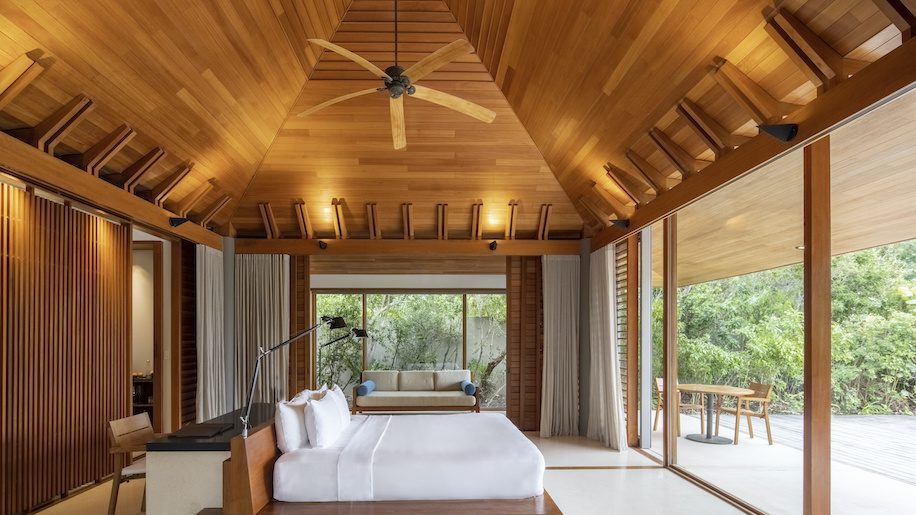
Choosing the Best Hardwood for Your Cladding Projects: A Complete Guide
Best Sellers
Posted on July 21, 2025 at 3:27 pm
Table of Content
Hardwood cladding is one of the best choices for building exteriors. It adds natural beauty, strength, and lasting value to any project. If you are thinking about using hardwood for your cladding project, this guide will help you choose the right type of wood for the job.
Whether you are building a modern home or a commercial space, this blog will walk you through everything you need to know.
What Is Hardwood Cladding?
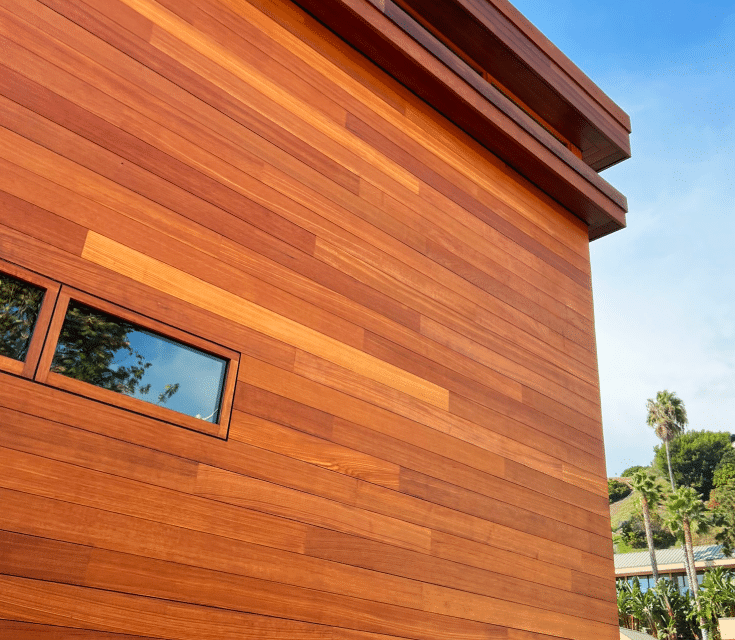
Hardwood cladding is the use of wooden boards on the outside or inside of buildings. It helps protect the structure from the weather and also makes it look more attractive.
Hardwood is strong, long-lasting, and can come in many colors and styles. It is a top pick for people who want a mix of beauty and performance.
Why Use Hardwood for Cladding Projects?
There are many reasons to choose hardwood over other materials like vinyl or metal:
- It looks beautiful and natural
- It helps with insulation and energy efficiency
- It can increase the value of the property
- It is eco-friendly if sourced responsibly
- It ages well over time
Things to Consider Before You Choose
Before picking your hardwood, think about these important points:
Durability
Look for hardwoods that are dense and naturally resistant to rot, mold, and insects. These will last longer in outdoor conditions.
Weather Performance
Different types of wood perform better in different climates. If you live in a hot, humid, or coastal area, choose hardwoods that can handle moisture without warping.
Maintenance
Some hardwoods need more care than others. Decide if you want to maintain the original color with regular oiling, or let the wood age to a gray finish.
Appearance
Hardwoods come in many colors and grains. Think about how the wood will look now and how it will change over time in the sun and rain.
Sustainability
Make sure your hardwood is harvested legally and ethically. Look for wood with certifications like (Forest Stewardship Council).
Best Hardwoods for Cladding Projects
Here are five of the most popular and trusted hardwoods for cladding projects.
1. Ipe
Origin: South America
Color: Dark brown with red and olive tones
Lifespan: 40 years or more
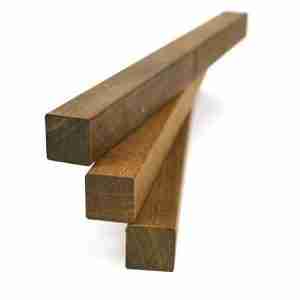
Ipe is one of the hardest woods in the world. It is very dense and resists rot, mold, insects, and even fire. It is perfect for people who want high performance and low maintenance.
Good for: High-end homes, commercial buildings, areas with heavy rain or heat
Pros: Extremely durable, low maintenance, naturally fire resistant
Cons: Heavy, hard to cut, more expensive
2. Cumaru
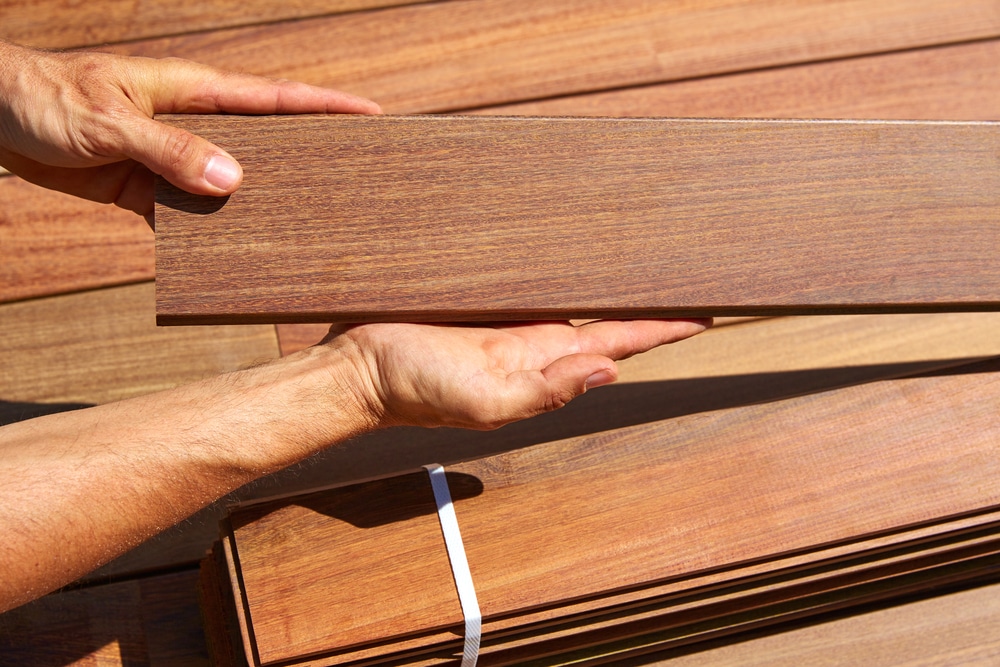
Origin: Brazil
Color: Medium to dark brown with yellow or red tones
Lifespan: 30 to 40 years
Cumaru is strong, attractive, and affordable. It is similar to Ipe but has a warmer color and a slightly lower price. It performs well in many climates and offers great value.
Good for: People who want a strong wood without the high cost of Ipe
Pros: Durable, beautiful color, good value
Cons: Can have surface cracks if not sealed
3. Garapa
Origin: South America
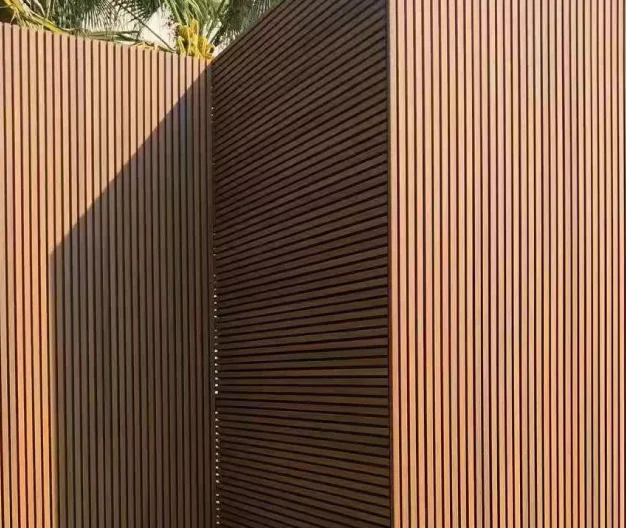
Color: Golden yellow to light brown
Lifespan: 25 years or more
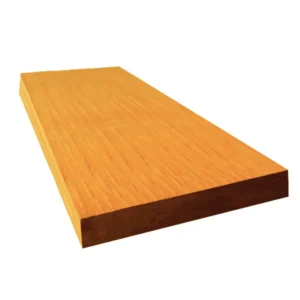
Garapa is a lighter-colored wood with a smooth surface. It gives a clean, modern look and works well in both dry and wet climates. It is also a budget-friendly option.
Good for: Modern designs, light finishes, large projects
Pros: Bright color, smooth texture, affordable
Cons: Less dense than Ipe or Cumaru, may darken with time
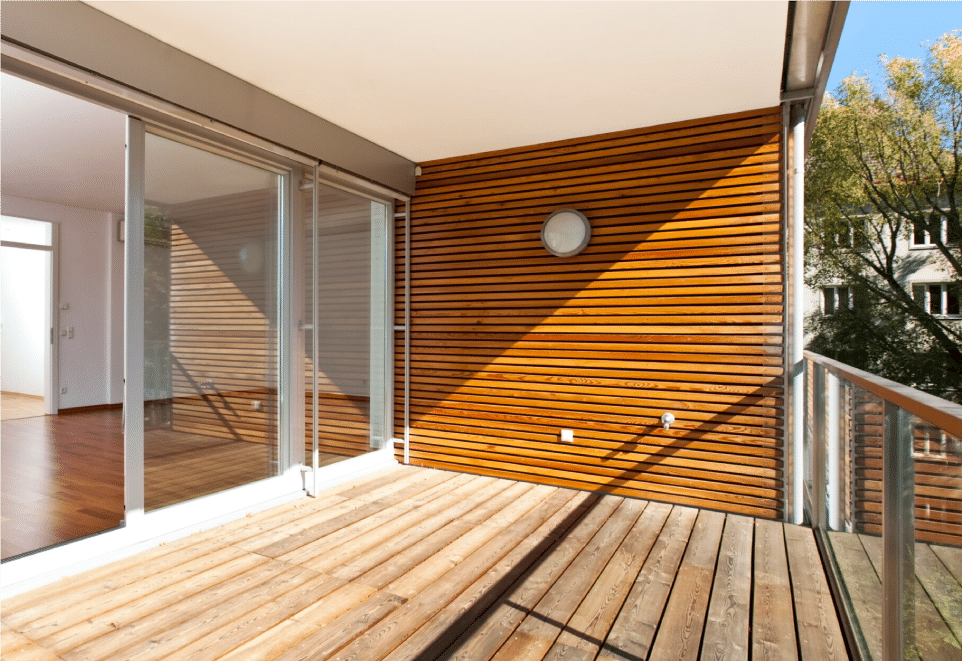
4. Massaranduba
Origin: South America
Color: Deep red to reddish brown
Lifespan: 30 years or more
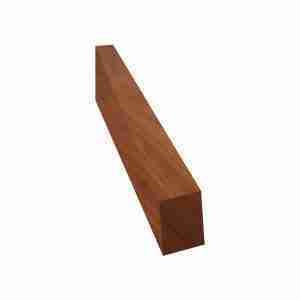
Massaranduba is sometimes called Brazilian Redwood. It is very strong and has a rich, dark color. It holds up well in harsh weather and is often used in cladding, decking, and other outdoor projects.
Good for: People looking for strong, rich-colored wood
Pros: Very dense, long-lasting, smooth grain
Cons: Can be hard to cut, may need pre-drilling
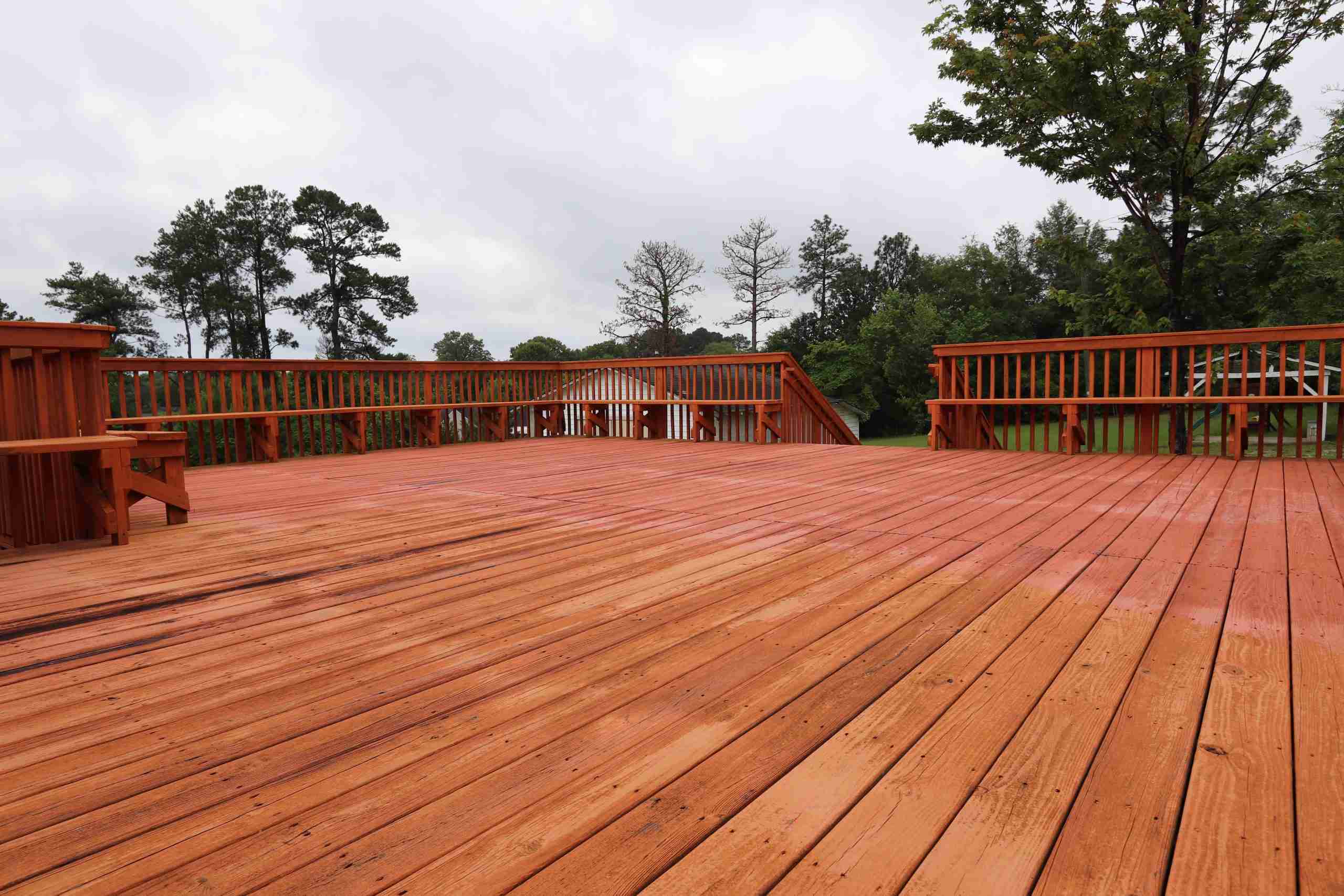
5. Tigerwood
Origin: South America
Color: Brown with dark stripes, like a tiger
Lifespan: 25 to 30 years
Tigerwood stands out because of its bold pattern. It looks unique and high-end. Like other tropical hardwoods, it is strong and weather resistant.
Good for: Bold designs, modern homes, creative builds
Pros: Striking appearance, strong, weather resistant
Cons: Pattern can vary, may not fit all designs
How to Install Hardwood Cladding
Correct installation is important if you want your hardwood cladding to last. Here are a few key tips:
Let the Wood Adjust
Before installing, let the wood sit in your area for a few days. This helps it adjust to local moisture and temperature levels.
Use the Right Fasteners
Because hardwoods are dense, use stainless steel screws or hidden clips. Pre-drilling is often needed to avoid splitting.
Add Ventilation
Leave a gap between the cladding and the wall. This improves airflow and helps prevent moisture damage.
Protect the Finish
If you want to keep the wood’s color, apply an oil or UV-protective seal. If not, the wood will age naturally into a silver-gray tone.
Tips for Long-Term Care
Here’s how to keep your cladding looking great:
- Clean it with mild soap and water once or twice a year
- Re-apply oil or sealant if you want to keep the original color
- Check for loose boards or damage after storms
- Keep nearby plants and sprinklers from wetting the wood too often
If you want a low-maintenance option, choose Ipe or Cumaru and let the wood weather naturally.
Choose Sustainable Hardwood
Make sure your hardwood comes from a legal and eco-friendly source. Look for:
- Certification
- Clear documentation of harvest origin
- A supplier who values sustainability
At Brazilian Lumber, we are proud to offer hardwoods that are responsibly sourced and legally harvested. We help you build projects that are beautiful and ethical.
Which Hardwood Is Best for You?
Let’s quickly compare:
| Wood | Color | Lifespan | Best Feature |
| Ipe | Dark brown | 40+ years | Top performance |
| Cumaru | Medium brown | 30–40 years | Affordable and strong |
| Garapa | Light yellow | 25+ years | Clean and modern look |
| Massaranduba | Red-brown | 30+ years | Strong and rich color |
| Tigerwood | Brown with stripes | 25–30 years | Bold and unique look |
Trust Brazilian Lumber for Your Cladding Project
Choosing the best hardwood for your cladding project takes time and care. You want something that looks great, lasts a long time, and fits your climate and budget.
At Brazilian Lumber, we make that choice easier. We offer top-quality hardwoods like Ipe, Cumaru, Garapa, Massaranduba, and Tigerwood. All our wood is responsibly sourced, we deliver tropical hardwoods in the Entire United States, and our team is ready to help you choose the best option for your needs.
We can mill customs sizes
Premium decking