

 Free Shipping
*Applies to Ipe & Cumaru short length orders from 3–5 ft. Minimum purchase of $2,500 required. U.S. mainland only. Other conditions may apply.



Choosing The Best Wood For Raised Garden Beds
Best Sellers

Posted on June 23, 2025 at 8:50 am
Table of Content
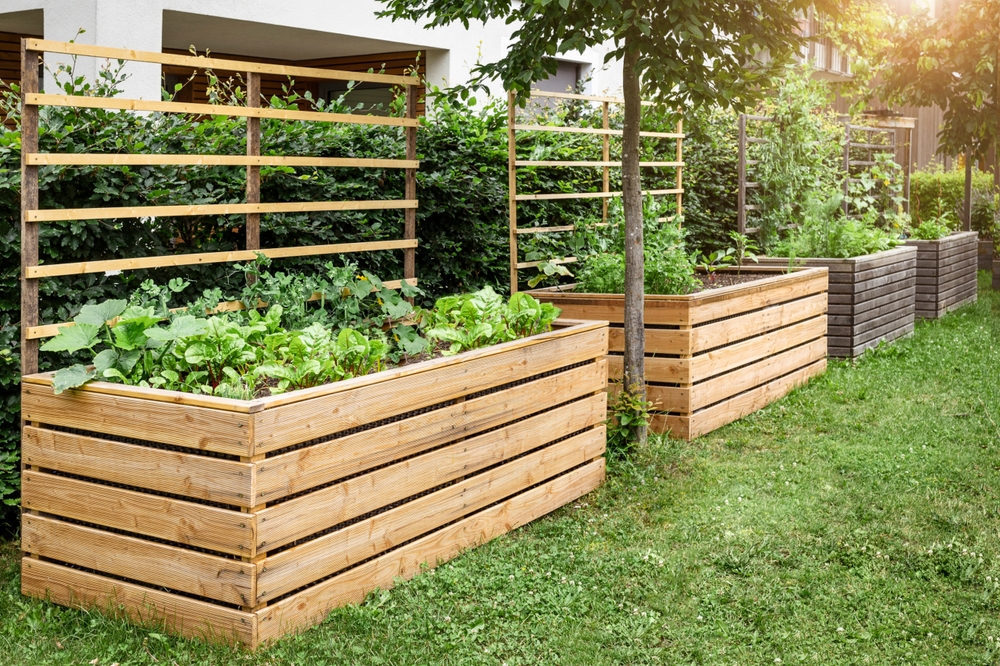
Building a raised garden bed is a fantastic way to take your gardening to the next level, whether you’re a seasoned gardener or a beginner. A well-constructed raised bed can improve drainage, prevent soil compaction, and make your garden more manageable.
One of the most important factors to consider when building a raised garden bed is the wood you use. Not all wood is created equal, and choosing the right material will ensure your raised bed lasts for years to come.
In this comprehensive guide, we’ll explore the best types of wood for raised garden beds, the pros and cons of each, and where you can purchase high-quality wood for your garden.
Whether you’re a homeowner looking to build a small vegetable garden or a landscaper creating multiple raised garden beds, this guide will provide all the information you need to make an informed choice.
Why Choose Wood for Raised Garden Beds?
Wood has long been the go-to material for raised garden beds, and for good reason. It’s affordable, easy to work with, and offers a natural, rustic aesthetic that enhances your garden’s look. Additionally, wood is widely available and can be easily cut to size to meet the needs of your project.
While other materials like stone, concrete, and metal are durable options, wood offers a certain charm that makes it the preferred choice for many gardeners. It’s versatile, and with the right maintenance, it can last for years. But the key is to choose the right type of wood, as some options are more durable and resistant to the elements than others.

What to Consider When Choosing Wood for Raised Garden Beds
When selecting wood for your raised garden bed, there are several factors you should take into account:
- Durability: Raised garden beds are constantly exposed to moisture, soil, and the elements. You need to choose wood that will hold up to these conditions for several years.
- Cost: While you might be tempted to go for the cheapest option, it’s essential to remember that lower-cost woods may not last as long, meaning you’ll have to replace them sooner.
- Chemical Treatment: Avoid wood that’s been pressure-treated with chemicals like arsenic, which could leach into the soil and affect plant health.
- Sustainability: If environmental impact is a concern, make sure to choose wood that’s sustainably harvested.
- Aesthetic: Some woods have a more attractive finish than others, so choose one that fits the overall aesthetic of your garden.
Types of Wood for Raised Garden Beds
There are several types of wood commonly used for raised garden beds, each with its own unique qualities. Let’s explore these wood options to help you decide which is best for your raised garden project.
1. Cedar Wood
Pros
Cedar is often regarded as the gold standard for raised garden beds. It’s naturally resistant to rot and insects, which makes it one of the most durable options available. The natural oils in cedar also prevent decay, allowing your raised bed to last for many years. Cedar has a rich reddish-brown color that gives your garden a polished, natural look.
Cons
The main downside to cedar is the cost. It can be more expensive than other types of wood, making it less accessible for some gardeners.
Best for
Gardeners who want a durable and attractive wood that will last for years and don’t mind spending a little extra money for quality.
2. Redwood
Pros
Like cedar, redwood is naturally resistant to rot and decay. It’s also an attractive option, with a deep red hue that adds a beautiful touch to any garden. It’s a highly durable wood that can withstand harsh weather conditions.
Cons
Redwood can be expensive, and its availability may vary depending on where you live.
Best for
Gardeners who want a premium wood that offers both beauty and durability, and are willing to invest in a higher-priced option.
3. Cypress Wood
Pros
Cypress is another durable wood that resists rot and pests. It’s slightly more affordable than cedar and redwood but still offers great longevity. Cypress has a light yellowish-brown color that complements a wide range of garden styles.
Cons
Cypress may not be as widely available as cedar and redwood, depending on your location, and its color can fade over time with exposure to sunlight.
Best for
Those who live in warmer climates or regions where cypress is readily available and want a more affordable alternative to cedar or redwood.
4. Pine Wood
Pros
Pine is one of the most affordable options for raised garden beds. It’s easy to work with, widely available, and offers a light color that can be stained or treated for added protection.
Cons
Pine is not as durable as other options like cedar or redwood. It’s more prone to rot and may only last a few years before needing replacement.
Best for
Budget-conscious gardeners who want a quick and inexpensive solution but don’t mind replacing the wood in a few years.
5. Douglas Fir
Pros
Douglas fir is a strong, durable wood that is commonly used in construction and garden beds. It’s more affordable than cedar and redwood but still offers good longevity if treated properly.
Cons
Douglas fir is less resistant to rot compared to cedar and redwood, so it will require more maintenance.
Best for
Those on a budget who want a durable wood that’s easy to work with.
6. Hemlock
Pros
Hemlock is a strong and affordable wood that can work well for raised beds. It’s more commonly found in areas with colder climates, like Canada.
Cons
Hemlock is not as rot-resistant as cedar or redwood and may degrade faster unless properly maintained.
Best for
Those looking for an affordable wood with decent durability for raised garden beds.
7. Juniper
Pros
Juniper is a naturally rot-resistant wood that has a beautiful grain and strong aroma. It’s highly durable, and its rich color makes it an attractive choice.
Cons
Juniper can be difficult to find and may be more expensive than some other options.
Best for
Gardeners who want a durable, attractive wood and can find it in their region.
Where to Purchase Wood for Your Raised Garden Beds
When it comes to purchasing wood for your raised garden beds, you want to ensure that you’re getting high-quality material that will stand up to the test of time. At Brazilian Lumber, we offer a wide variety of high-quality wood options suitable for raised garden beds, including the best types of wood for durability, appearance, and sustainability.
Brazilian Lumber offers premium tropical hardwoods, including Ipe, Cumaru, and Garapa, which are known for their strength, durability, and resistance to the elements. These woods are ideal for creating long-lasting raised garden beds that can withstand harsh weather conditions without compromising the health of your plants. Additionally, our woods are sourced from responsibly managed forests, so you can rest assured that you’re making an eco-friendly choice for your garden.
When choosing where to purchase wood, consider these tips:
- Check for sustainability: Look for wood that has been sustainably harvested.
- Visit a local lumberyard: They may offer more personalized advice and potentially better pricing than big-box stores.
- Buy in bulk: If you’re building multiple raised beds, buying in bulk can save you money.
Tips for Maintaining Your Raised Garden Bed
Once you’ve selected the best wood for your raised garden bed, proper maintenance is essential for ensuring it lasts for years to come. Here are a few maintenance tips to extend the life of your wood:
- Seal the wood: Apply a protective sealant to the outside of the wood to protect it from the elements.
- Avoid pressure-treated wood: As mentioned earlier, pressure-treated wood can leach chemicals into the soil, which could harm your plants.
- Use wood treatment: For added durability, you can treat the wood with a natural, eco-friendly wood preservative.
Conclusion
Choosing the best wood for raised garden beds is essential to ensure your garden flourishes for years to come. While options like cedar and redwood are often the most durable and aesthetically pleasing, there are many affordable alternatives, such as pine, Douglas fir, and hemlock, that can still serve you well.
To build the best raised garden beds, be sure to select durable, untreated wood that fits your budget and gardening goals. And remember, quality matters, so purchase your materials from reputable sources like Brazilian Lumber to ensure you’re getting the best wood for your project. Happy gardening!
We can mill customs sizes
Premium decking