

 Free Shipping
*Applies to Ipe & Cumaru short length orders from 3–5 ft. Minimum purchase of $2,500 required. U.S. mainland only. Other conditions may apply.


What Is FSC Certified Wood? A Complete Guide
Best Sellers
Posted on November 16, 2026 at 2:50 am
Table of Content
If you are buying lumber for a building, renovation, furniture, decking, or outdoor project, you may have come across the term FSC certified wood. The label is often associated with responsible forestry, but what does it actually mean?
FSC stands for Forest Stewardship Council. FSC certification is a system that helps verify that forest products come from forests managed according to specific environmental, social, and economic standards.
In simple terms, FSC certified wood is lumber or another forest product that comes from a supply chain connected to responsibly managed forests and has been handled according to FSC requirements.
But there is more to the certification than a logo on a piece of lumber. It involves forests, harvesting practices, workers, local communities, manufacturers, distributors, and retailers.
This guide explains what FSC certified wood means, how certification works, how to identify it, and what to consider when choosing it for your next project.
What Does FSC Certified Wood Mean?
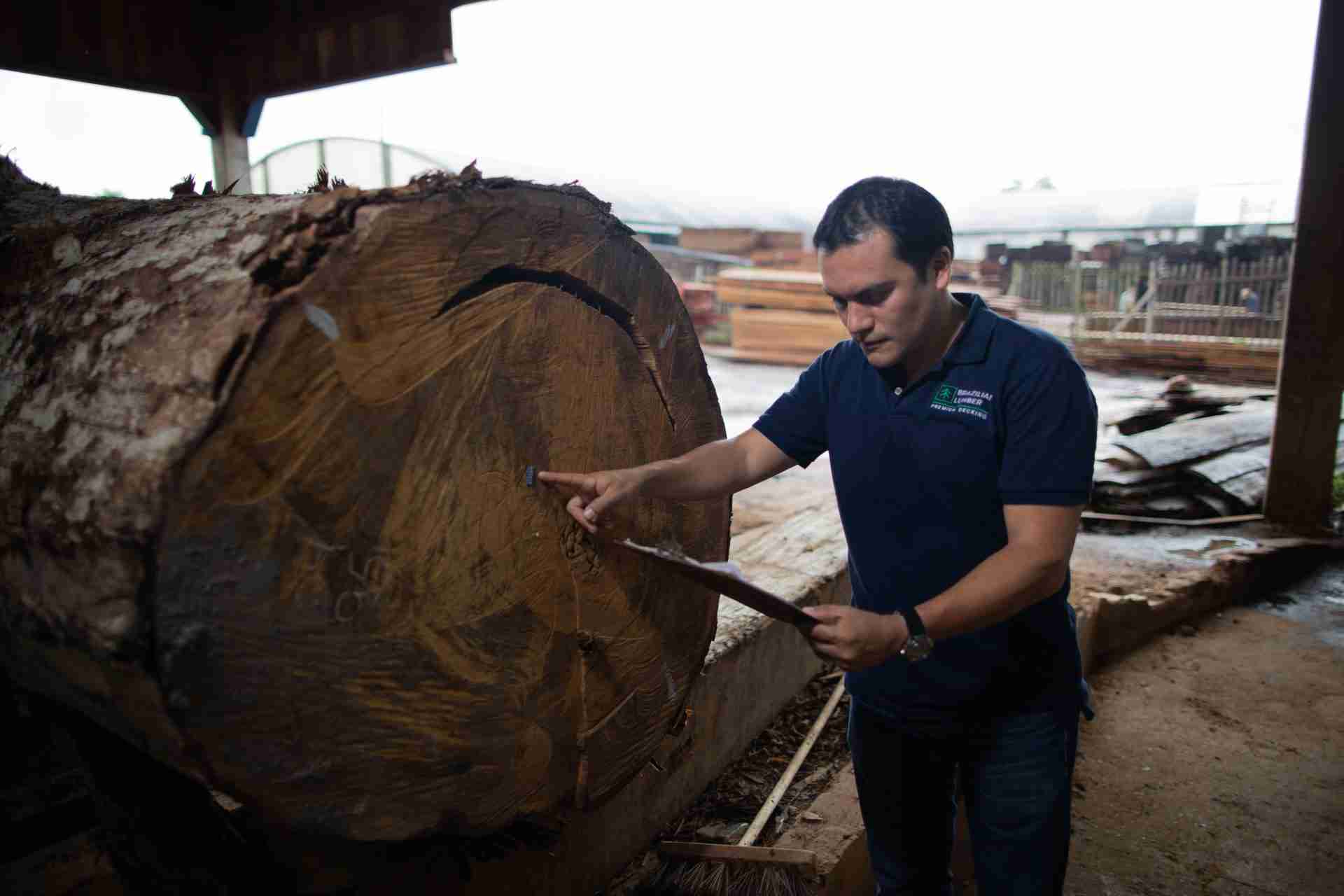
FSC certified wood comes from a forest that has been certified under standards established by the Forest Stewardship Council.
The certification system looks at how forests are managed and whether important environmental and social responsibilities are being addressed. These can include protecting biodiversity, maintaining forest health, respecting workers’ rights, and considering the interests of local communities and Indigenous Peoples.
The FSC system also covers the movement of certified materials through the supply chain.
This is important because wood does not go directly from a forest to a customer’s project. It can pass through sawmills, manufacturers, distributors, and retailers before reaching the end user.
For a product to make a certified claim, the relevant parts of its supply chain need to meet applicable FSC requirements.
What Is the Forest Stewardship Council?
The Forest Stewardship Council, commonly known as FSC, is an international organization that promotes responsible management of the world’s forests.
It developed a certification system that allows forest managers and companies in the forest products supply chain to demonstrate that they follow defined standards.
The FSC system is based around responsible forest management and traceability. Certification is carried out by independent certification bodies rather than simply being awarded by a lumber seller.
This distinction matters because FSC certification is intended to provide an independent way of verifying responsible forestry practices.
How Does FSC Certification Work?
FSC certification involves several parts of the forest products supply chain.
A forest can be assessed against FSC forest management requirements. If it meets the applicable standards, it can receive certification.
The wood then enters a supply chain that may include processing and distribution. Companies that want to sell products with an FSC claim may also need FSC Chain of Custody certification.
Chain of Custody certification helps track certified material as it moves through the supply chain.
For example, the journey could look something like this:
Certified forest → sawmill → manufacturer → distributor → retailer → customer
Each relevant business needs to follow the appropriate requirements if the final product is being sold with an FSC claim.
This helps reduce the risk of certified wood being mixed with materials that do not meet the requirements for that particular claim.
What Does FSC Certification Consider?
FSC certification covers more than simply planting new trees.
Responsible forest management can involve several different areas.
Forest Health
Forest management needs to consider the long-term condition and productivity of the forest rather than focusing only on immediate timber production.
Biodiversity
Responsible forestry considers plants, animals, habitats, and ecosystems within and around the forest.
Water and Soil
Forestry operations can affect waterways and soil. Proper management helps reduce unnecessary environmental damage.
Workers
FSC standards include requirements related to workers and their rights, safety, and working conditions.
Local Communities
Forest operations can affect people living near or depending on forest areas. Responsible management takes these interests into account.
Indigenous Peoples
The FSC system recognizes the rights and interests of Indigenous Peoples and includes requirements concerning their rights and involvement in forest management.
These considerations help distinguish responsible forest management from simply harvesting timber and replacing the trees afterward.
What Is FSC Chain of Custody?
FSC Chain of Custody certification focuses on the supply chain rather than the forest itself.
It provides a system for tracking FSC-certified material as it moves between organizations.
For example, a sawmill may purchase certified logs, process them into lumber, and sell that lumber to a distributor. The distributor then sells the material to a contractor or customer.
Chain of Custody procedures help maintain the connection between the certified source and the finished product.
This is why checking the certification claim and the supplier’s credentials is useful when purchasing FSC certified lumber.
Does FSC Certified Wood Mean Every Tree Is Replanted?

Not necessarily.
A common misconception is that FSC certification simply means a company plants a new tree for every tree it cuts.
FSC certification is broader than a one-for-one tree replacement system. It focuses on how the forest is managed over time, including environmental protection, social considerations, and responsible harvesting.
A responsibly managed forest can continue producing timber while maintaining its ecological functions.
The goal is not simply to stop harvesting forests. Instead, responsible forestry aims to balance timber production with long-term forest conservation and social responsibilities.
Is FSC Certified Wood Better for the Environment?
FSC certified wood can be a strong choice for buyers who want forest products connected to responsible forest management.
The certification addresses issues such as biodiversity, ecosystem protection, forest regeneration, workers’ rights, and community interests.
However, the environmental impact of a wood product depends on more than its certification alone.
Transportation, manufacturing, product lifespan, maintenance, and eventual disposal can also affect the overall environmental footprint.
Wood is a renewable material, but renewable does not automatically mean sustainable. The way forests are managed and products are produced matters.
What Are the Benefits of FSC Certified Wood?
There are several reasons homeowners, architects, builders, and businesses choose FSC certified lumber.
Responsible Sourcing
FSC certification provides a way to source wood from forests managed according to recognized responsible forestry standards.
Better Supply Chain Transparency
The FSC Chain of Custody system helps provide traceability as certified material moves through the supply chain.
Support for Responsible Forestry
Purchasing FSC certified products can support demand for timber produced under responsible forest management practices.
Suitable for Green Building Projects
FSC certified wood may contribute to the material sourcing requirements of certain green building programs, depending on the specific project and rating system.
Consumer Confidence
For buyers who care about where their lumber comes from, FSC certification provides an independently verified framework for responsible sourcing.
What Does the FSC Logo Mean?
The FSC logo is commonly displayed on certified forest products and packaging.
However, seeing a tree logo or a statement about sustainable wood does not automatically mean a product is FSC certified.
Look for the appropriate FSC label and certification information.
When buying lumber in large quantities, you can also ask the supplier for information about its FSC certification and the specific FSC claim associated with the material.
This is particularly important for commercial construction projects where documentation may be required.
How Can You Tell If Wood Is FSC Certified?
The easiest way is to look for an FSC claim or label associated with the product.
If you are purchasing lumber from a supplier, ask whether the material is FSC certified and request the relevant certification information if necessary.
For larger projects, architects, builders, and purchasing teams may want to verify the supplier’s certification status and ensure the product documentation matches the project’s requirements.
It is also important to understand that not every piece of wood sold by an FSC-certified company is necessarily FSC certified. The specific product and claim matter.
Is FSC Certified Wood More Expensive?
It can be, although the price difference varies by species, grade, dimensions, availability, supplier, and market conditions.
FSC certified lumber may involve additional requirements for responsible sourcing and supply chain tracking. These factors can affect availability and pricing.
For some projects, the additional cost may be worthwhile because the buyer wants certified sourcing or needs to meet specific project requirements.
For others, conventional lumber may be more suitable based on budget and project specifications.
The best approach is to compare the total cost and availability of the required material rather than assuming that FSC certification always comes with a particular price premium.
FSC Certified Wood vs. Regular Wood
The main difference is not necessarily how the finished board looks. The difference is primarily related to where the wood comes from and how its supply chain is managed and verified.
| Feature | FSC Certified Wood | Conventional Wood |
| Responsible forest management requirements | Yes | Not necessarily |
| Supply chain certification | Available through FSC Chain of Custody | Not necessarily |
| Traceability | Supported by certification system | Depends on supplier |
| Suitable for sustainable building goals | Often | Depends on source |
| Species and appearance | Varies | Varies |
FSC certification does not mean that every FSC board is automatically stronger, harder, or more durable than conventional lumber.
For physical performance, you still need to choose the appropriate species, grade, moisture condition, dimensions, and treatment for your project.
What Types of Wood Can Be FSC Certified?
FSC certification is not limited to one particular type of tree.
Many different wood species can be sourced from FSC-certified forests. Availability depends on the region, forest management practices, supply chain, and market.
FSC certified products can include hardwoods and softwoods, as well as various manufactured wood products.
The important point is that FSC describes the sourcing and certification of the forest product, not a particular species or physical characteristic of the wood.
Is FSC Certified Wood Good for Outdoor Projects?
FSC certified wood can be used for outdoor projects, but FSC certification itself does not determine whether a particular species is suitable for outdoor exposure.
For decking, siding, fencing, pergolas, outdoor furniture, or other exterior applications, you should also consider:
- Natural durability
- Resistance to insects
- Moisture exposure
- Hardness
- Dimensional stability
- Expected service life
- Maintenance requirements
- Installation details
For example, a highly durable hardwood may be appropriate for a demanding outdoor application, while another FSC certified species may be better suited to an interior project.
Certification and performance are two separate considerations.
Is FSC Certified Wood Good for Construction?

Yes. FSC certified lumber can be used in many construction applications when the selected species and grade meet the project’s technical requirements.
Architects and contractors may specify FSC certified materials when responsible sourcing is part of the project’s goals.
It is commonly considered for applications such as framing, flooring, siding, decking, millwork, doors, furniture, and architectural elements.
The key is to select a certified product that also meets the structural and performance requirements of the project.
FSC Certified Wood and Green Building
FSC certification is often associated with green building because responsible material sourcing can be part of a project’s sustainability strategy.
Certain green building standards recognize FSC certified products under their material sourcing criteria. The exact requirements depend on the certification system and the version being used.
If FSC certified wood is being specified for a green building project, the project team should check the current requirements of the applicable rating system before purchasing the material.
This helps ensure that the certification and documentation meet the project’s specific requirements.
FAQs About FSC Certified Wood
How Can I Verify That Lumber Is FSC Certified?
You can verify the supplier’s FSC certification and check that the specific lumber product carries a valid FSC claim. For larger projects, request the relevant certification documentation before purchasing.
What Is the Difference Between FSC 100% and FSC Mix?
FSC 100% means the product comes entirely from FSC certified forests. FSC Mix products can contain a combination of FSC certified material, recycled material, and other controlled sources.
Does FSC Certification Affect the Quality of Lumber?
Not necessarily. FSC certification focuses on responsible sourcing and forest management. The physical quality of lumber still depends on its species, grade, drying, milling, and manufacturing.
Can FSC Certified Lumber Be Custom Milled?
Yes, FSC certified lumber can be custom milled when the supplier and processing chain meet the applicable FSC requirements. Ask the supplier about certification before ordering custom material.
Can Imported Tropical Hardwood Be FSC Certified?
Yes. Tropical hardwoods imported from countries such as Brazil can be FSC certified when they come from approved sources and meet FSC certification requirements throughout the supply chain.
Is FSC Certified Wood Available in Different Grades?
Yes. FSC certification does not limit lumber to one particular grade. Certified wood may be available in different grades and specifications depending on the species and supplier.
Can FSC Certified Wood Be Used for Residential Projects?
Yes. FSC certified lumber can be used for homes, including decking, flooring, siding, fencing, pergolas, furniture, and other applications where the selected species is appropriate.
Can FSC Certification Help With Project Documentation?
Yes. FSC documentation can be useful for projects where sustainable material sourcing needs to be demonstrated. The exact documentation required depends on the project and applicable building or certification standards.
Is FSC Certification the Same as Sustainably Sourced Wood?
The terms are not necessarily interchangeable. FSC certification provides a specific, independently verified framework for responsible forest management and supply chain controls, while “sustainably sourced” can be used more broadly.
Does FSC Certification Guarantee That Wood Is the Best Choice for a Project?
No. FSC certification addresses responsible sourcing, not every performance characteristic of lumber. You should still consider durability, hardness, appearance, dimensions, climate, installation requirements, and intended use when selecting wood.
Conclusion
FSC certified wood is a practical choice for projects where responsible sourcing and quality both matter. The FSC certification helps buyers identify wood connected to responsible forest management and a verified supply chain.
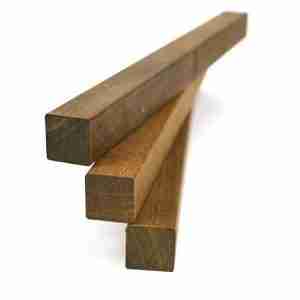
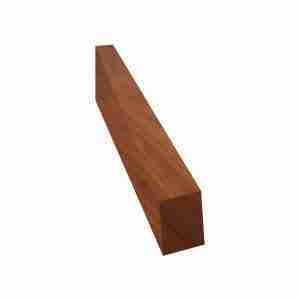
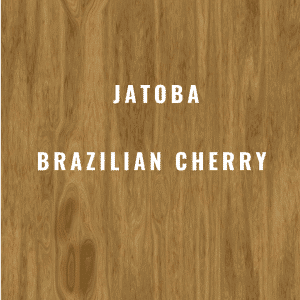
When choosing FSC certified lumber, the supplier matters just as much as the certification. Brazilian Lumber is a trusted source for FSC certified tropical hardwoods, including Ipe, Cumaru, Jatoba, and Garapa. The company is a direct importer and supplies these premium hardwoods for decking, siding, fencing, and other outdoor projects. It also offers nationwide delivery across the U.S., making it easier to source quality FSC certified lumber for projects in different locations.
For projects that require original, high-quality tropical hardwood lumber with FSC certification, choosing a supplier with established sourcing and supply chain practices can give you greater confidence in the material you are purchasing. Ipe, Cumaru, Jatoba, and Garapa each offer different colors, characteristics, and performance benefits, giving builders, architects, and homeowners several options for creating durable and attractive outdoor spaces.
We can mill customs sizes
Premium decking