

 Free Shipping
*Applies to Ipe & Cumaru short length orders from 3–5 ft. Minimum purchase of $2,500 required. U.S. mainland only. Other conditions may apply.



The 5 Most Common Signs Of Rotten Wood
Best Sellers

Posted on May 6, 2022 at 6:53 pm
Table of Content
Hardwoods are among the most resistant materials in the world. Their hardness and natural oils make them impenetrable to almost everything. That includes harsh weather, insect infestation, rotting issues, and other external factors.
For example, some tropical hardwood species such as Ipe, Cumaru, Jatoba, Garapa, and Tigerwood have these natural oils we are talking about, therefore they are tough woods.
In contrast, domestic or pressure-treated wood are easy targets for rotting. To maintain these materials in optimal condition, they need some attention and protection.
So with a regular cleaning routine, you will preserve them in top condition. Also, by cleaning it regularly it will be easier to identify the most common signs that your wood is rotting, so you can take immediate action.
No matter how tough the material you are using for your project, nature should never be challenged. It will always be best to know what to do in case one of the boards in your structure starts to rot. Don’t you think?
Prevention is the key to avoiding this because rotting problems are not something to be taken lightly. Rotten can do severe damage to the whole structure and create hazardous conditions. Therefore, regularly checking your deck and deck structure is key.

First, it is important to understand that fungi, mold, and moisture buildup in places with a lack of air circulation, which tend to be damp and dark. Here are some examples of indoor and outdoor locations most prone to rot.
- Window and exterior door frames
- Kitchen cabinets
- Deck and patio structures
- Bathroom, and basement baseboards
- Near gaps in exterior siding
- Around bathtubs, showers, and pools
But why is it so important to know what to do about rotting issues? Because, if the rotten board is not removed, the damage can spread to the entire structure, and the repair will take longer.
Do You Know What It Means To Have Rotten Wood Problems?
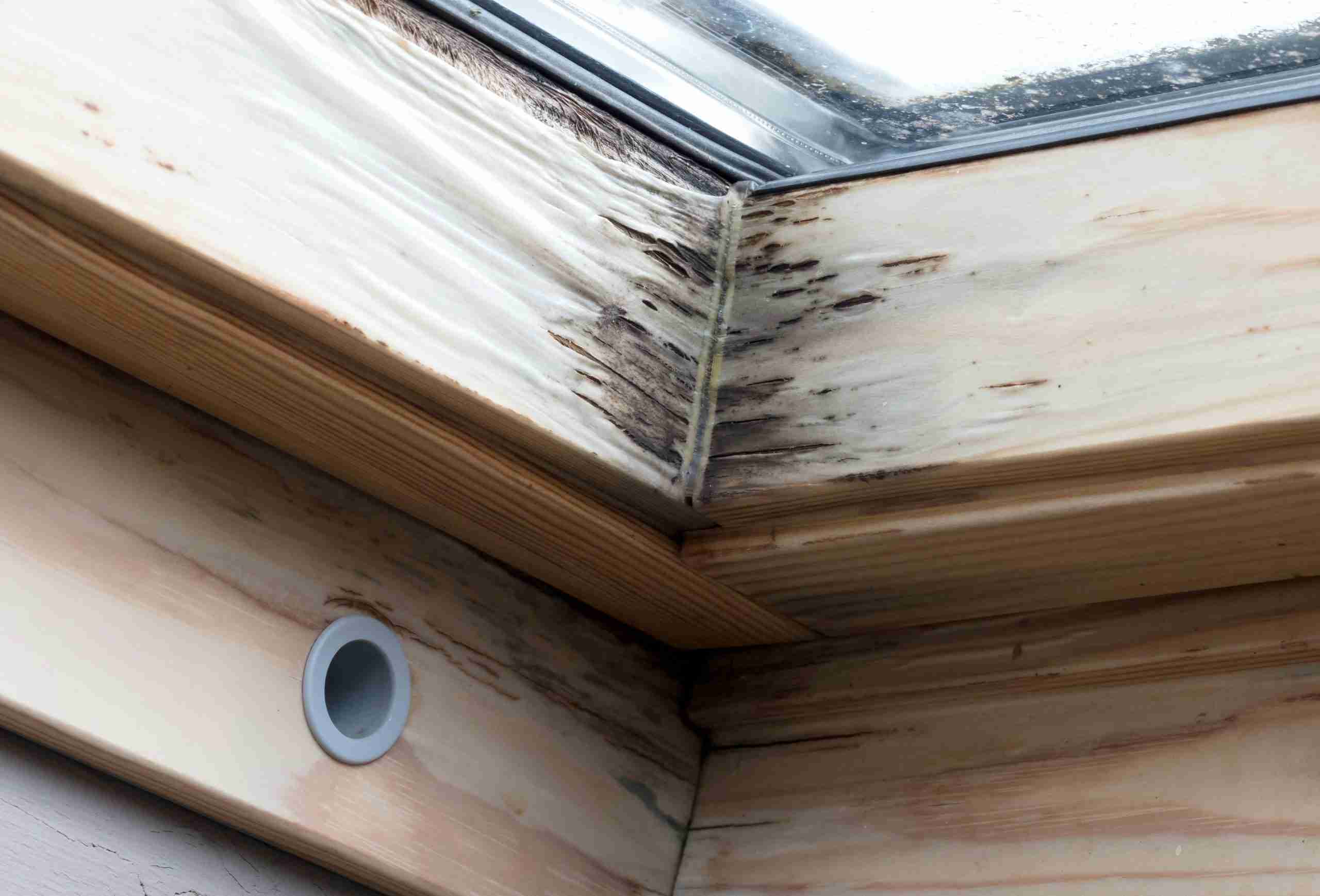
The rotting is caused by a combination of water and fungal growth in the material itself. In this environment, there are some bacteria that grow to destroy other parts of it. If this damage is not stopped, the entire structure can be totally ruined.
In most cases of decayed material, the best solution is to get rid of the infected area. Then, cut out part of the surrounding wood region, clean the spot, allow it to dry properly, and replace the timber.
Sometimes, depending on the severity of the damage, you may need the help of a professional. Experts are trained to deal with insect infestation, fungal growth, deep cracks, accumulated water, and other issues that can cause it to rot.
Signs Of Rotten Wood
-
Exterior Damage Can Lead To Rotten Wood
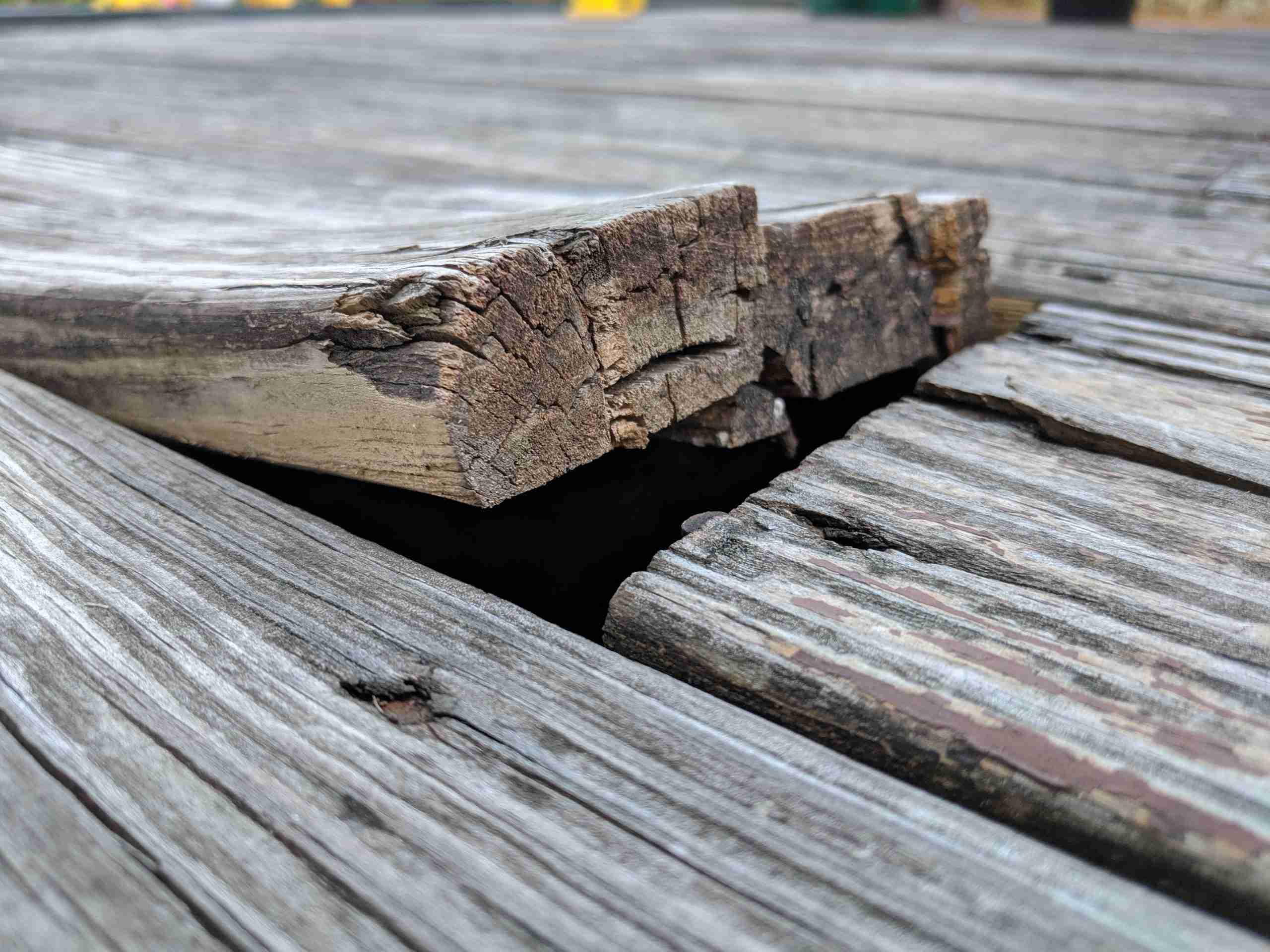
Keep an eye on any cracks or holes that may appear in your boards. Why? Because those spots create the perfect opportunity for water seepage.
There are some signs that can tell you that your domestic or pressure-treated material has been exposed to water, for example, discoloration, shrinkage, or splintering. Any of these conditions cause these types of wood to become soft and dark. After a certain time, the wood will lose its ability to hold together and this will compromise the strength and support of the structure.
2. Rotten Wood Caused By Fungal & Spores Growth
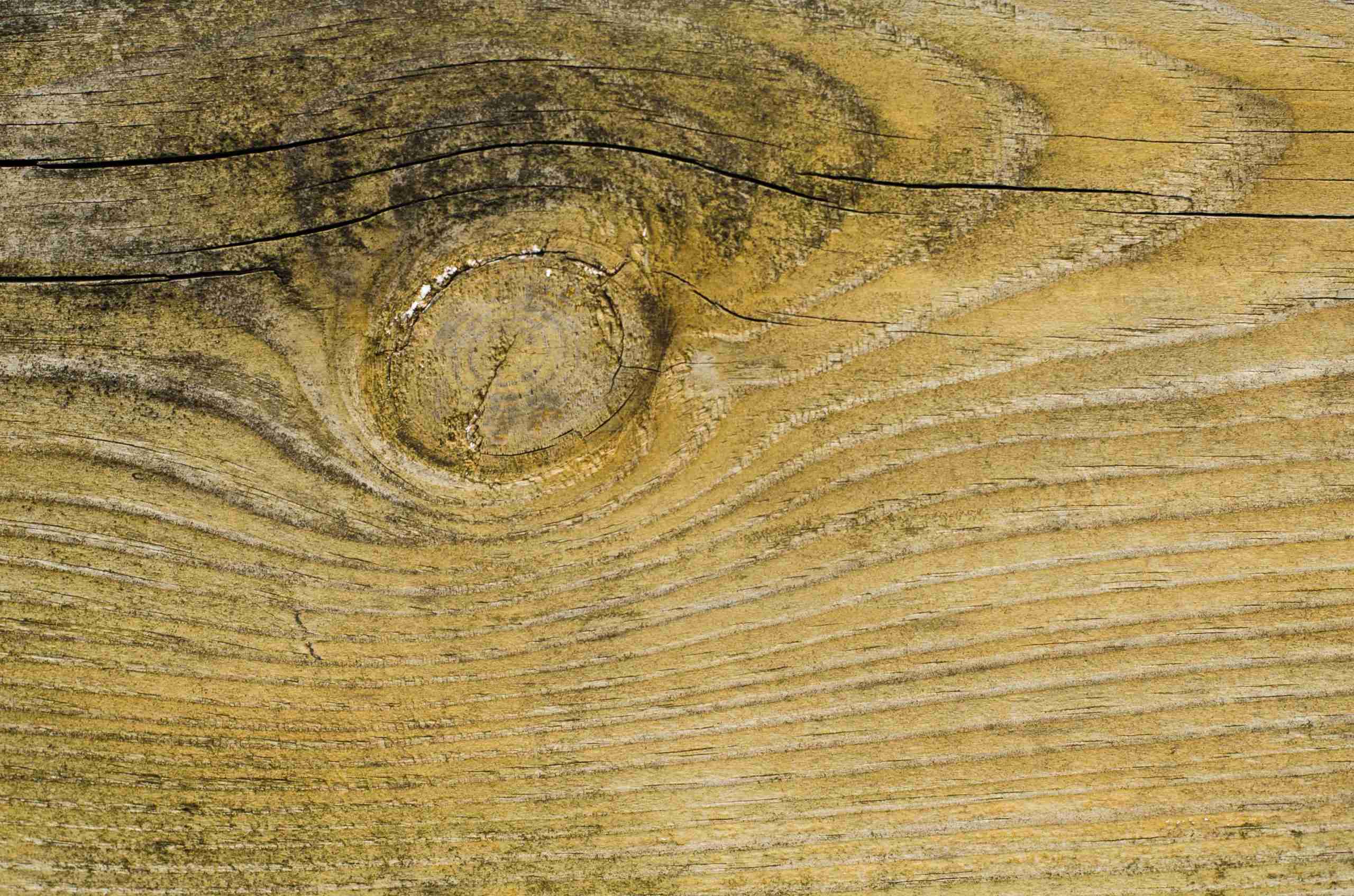
If you found a spongy, gray-colored texture spot, that is a clear sign of fungi growing. On the other hand, spores are more noticeable as they show yellow, purple, or white patches around the affected area.
3. Musty Smells Are Also Signs Of Rotten Wood Issues
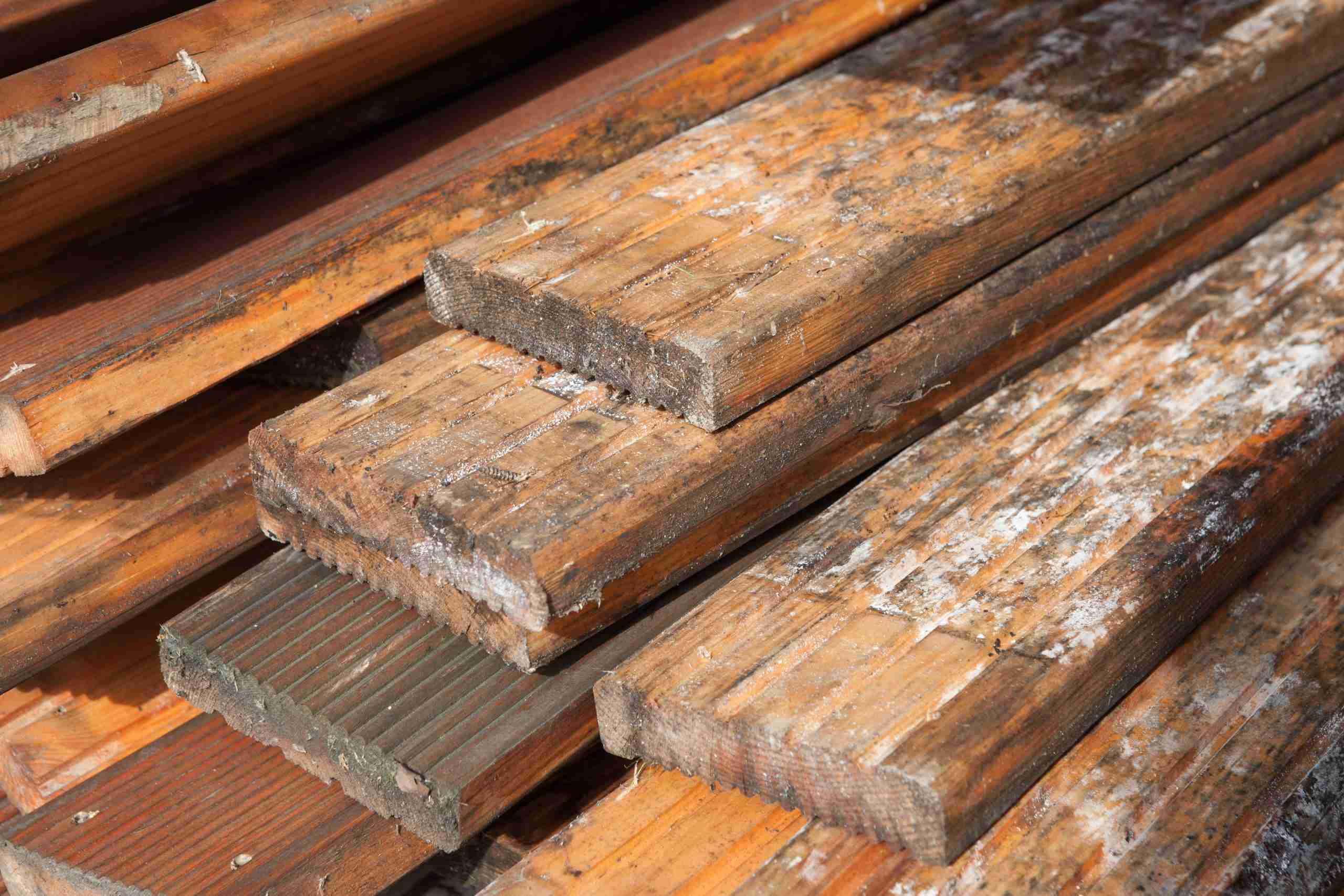
Always trust your sense of smell. When there is water damage or mold that can cause domestic or pressure-treated material to rot, a telltale odor is very noticeable in the environment.
As the fungus spreads and decays it, it produces a musty smell that is easy to detect in areas with minimal ventilation.
4. Rotten Wood Shows Discoloration
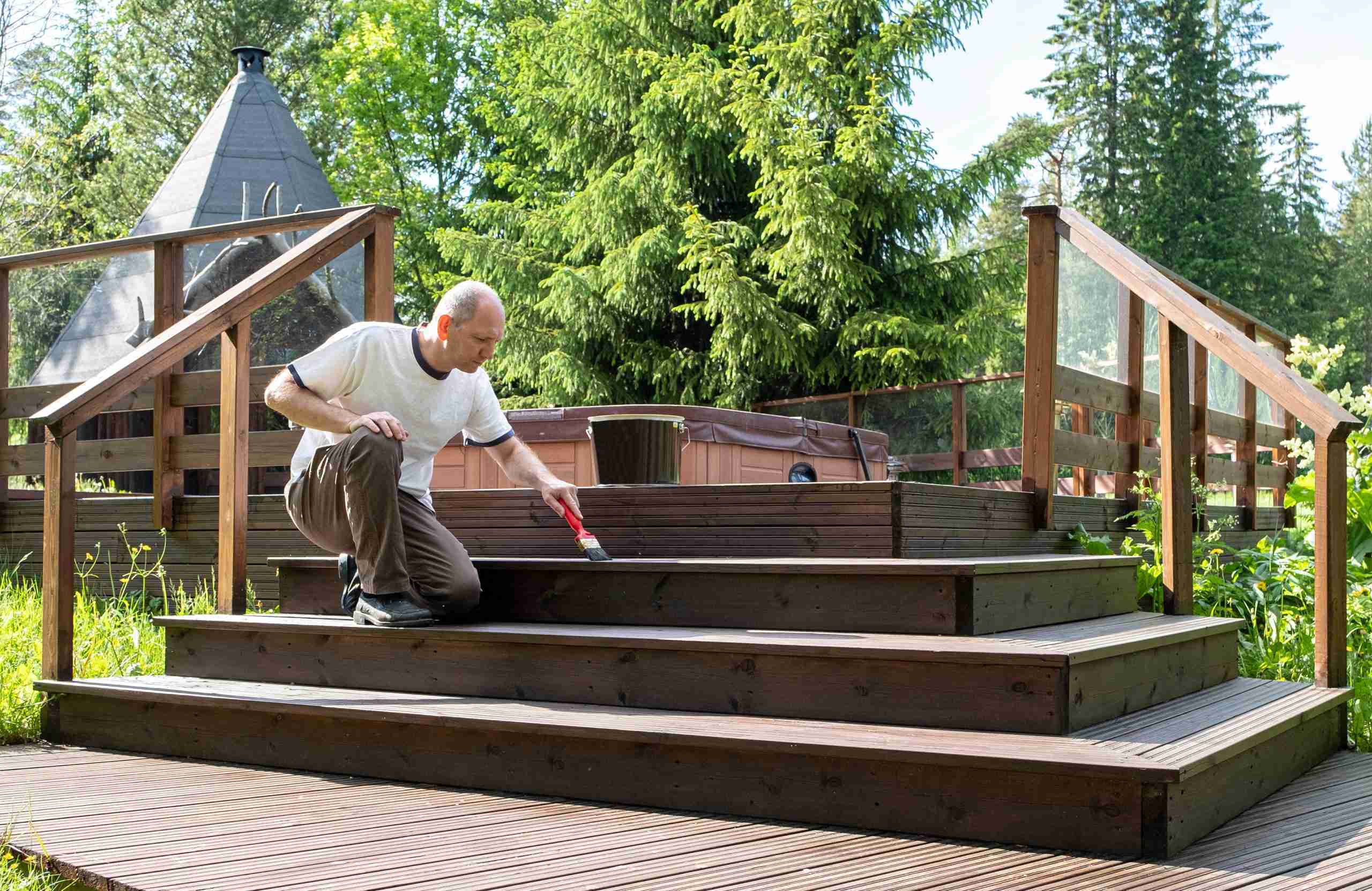
Most of the time, you may think that when you see the color fade, that is a sign of lack of maintenance and oil application. Sometimes it is, but the discoloration is also a sign of rotting problems. Any bubbling, blistering, cracking, or peeling of the paint should be a warning to you.
5. Rotten Wood Attracts Insects
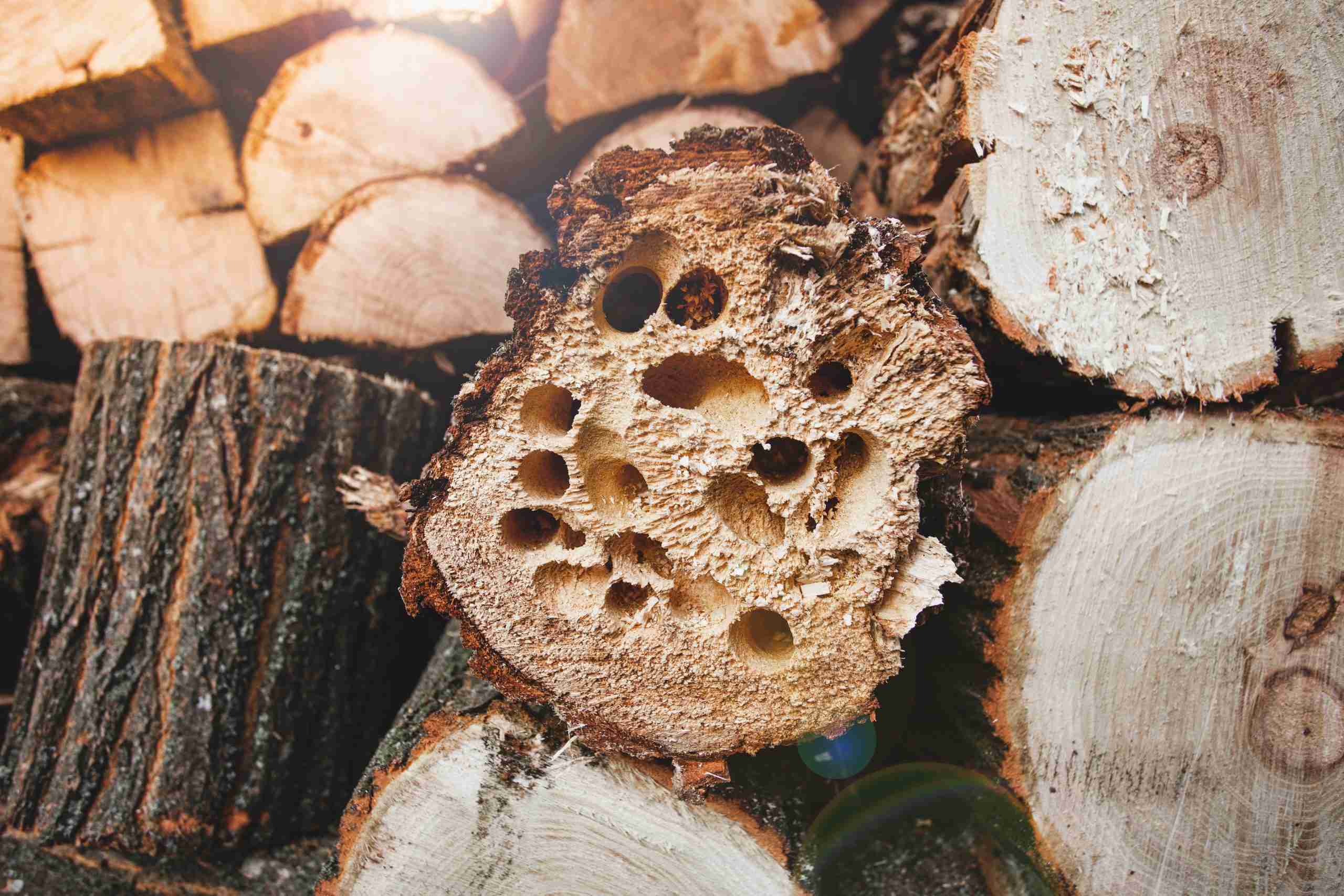
Be aware of any insect activity because that indicates there may be an opening through which water can leak. This is kind of an important sign, not only because having insects such as termites or ants can damage the structure, but because insect infestation can be hard to control.
In addition, pests can create a new entry point for moisture and rot, and that can damage the whole structure in a short time.
Here is a bonus. Now that you know the signs that your wood is rotting, here are some quick tips to prevent it.
- Make sure the wood structure has adequate ventilation when installed to prevent condensation and moisture.
- Perform a regular cleaning routine to remove standing water, debris, and dust.
- Repair cracks whenever you find one, as this can be a way for water to come in contact with the wood.
To conclude, if you detect any of these signs around your domestic or pressure-treated wood, it is time to start the healing process of your timber. Remove the rotten area, clean the surrounding region, and replace the boards to leave the structure as good as new.
To keep an eye on your wood structure, the best recommendation will always be a regular and proper cleaning routine. This will allow you to be more aware of the condition of your wood at all times.
We can mill customs sizes
Premium decking