

 Free Shipping
*Applies to Ipe & Cumaru short length orders from 3–5 ft. Minimum purchase of $2,500 required. U.S. mainland only. Other conditions may apply.



The 4 Best Deck Material Options
Best Sellers
Posted on January 11, 2024 at 8:54 am
Table of Content
Embarking on a deck-building project can be both exciting and overwhelming, especially when you’re not familiar with the various materials available. Brazilian Lumber is here to guide you through the process.
This blog will give you a detailed overview of the four best deck material options: Pressure-Treated Wood, Premium Softwoods and Hardwoods, Composite Decking, and PVC. We aim to educate you about each material, highlight their pros and cons, and provide tips on how to choose the best one for your project.

The 4 Best Deck Material Options
1. Pressure-Treated Wood: Economical and Accessible
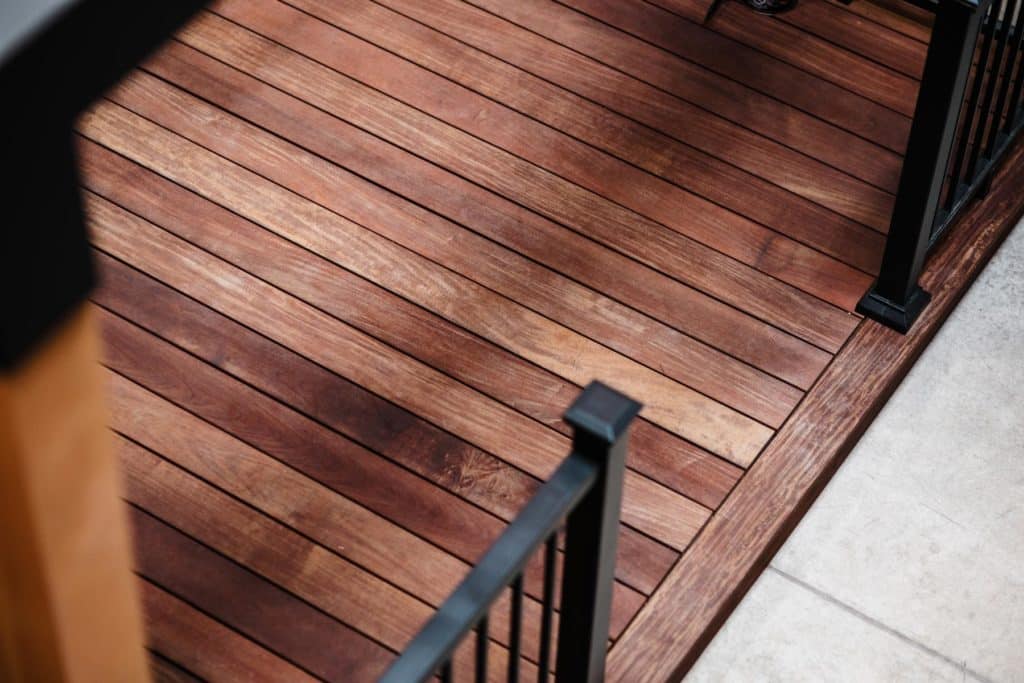
Pressure-treated wood is a type of lumber that has been treated with chemical preservatives to protect it from rot, decay, and termite infestation. This treatment process makes the wood more durable and suitable for outdoor use, particularly in environments where it is exposed to moisture and pests, which are common challenges for wood structures.
It’s typically made from softwood, like pine or spruce, that has been treated with chemicals under high pressure. Pressure-treated wood is a common choice for decking due to its durability and cost-effectiveness.
Pros:
- Affordability: It is less expensive compared to other decking materials.
- Availability: Widely available in most home improvement stores.
- Workability: Easy to cut, fasten, and install, making it suitable for DIY projects.
Cons:
- Maintenance: Requires annual power washing, staining, or sealing to maintain its appearance.
- Chemical Exposure: The chemicals used for treatment can be a concern for some, especially in environmental terms.
- Durability Issues: Over time, it can split, warp, or crack, necessitating replacement or repair.
2. Softwoods and Hardwoods: Elegance and Durability
Softwoods and hardwoods are two distinct categories of wood commonly used in decking, each with unique characteristics and advantages. Understanding these can help you make an informed decision when selecting decking materials.
Softwoods for Decking
Softwoods come from coniferous trees, which usually have needles and cones. The most commonly used softwoods for decking include cedar and redwood.
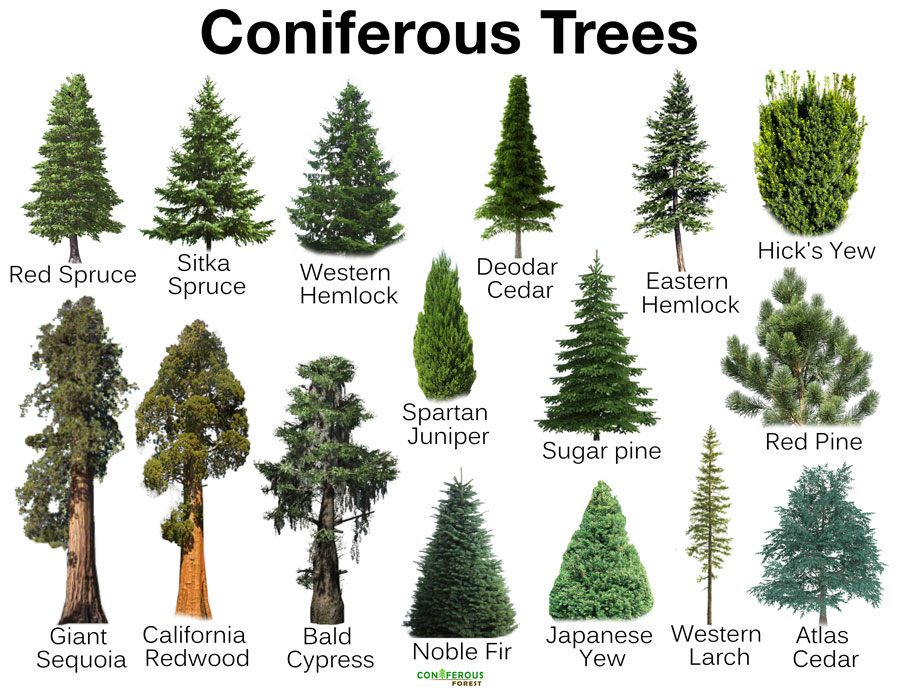
Here are some key aspects:
- Growth Rate: Softwoods generally grow faster than hardwoods, making them more abundant and affordable.
- Density: They are typically less dense than hardwoods, which makes them easier to work with.
- Natural Oils: Many softwoods, like cedar and redwood, have natural oils and tannins that make them resistant to rot, decay, and insect infestations.
Softwoods Pros:
- Aesthetic Appeal: Softwoods like cedar and redwood have a natural beauty with a warm, rich look.
- Lower Cost: Generally more affordable than hardwoods.
- Easier to Install: Being lighter and softer, they are easier to cut and shape.
Softwood Cons:
- Durability: While they are naturally resistant to decay, they are not as durable as hardwoods or synthetic options.
- Maintenance: Requires regular maintenance like cleaning, staining, or sealing to prevent weathering and maintain their appearance.
Hardwoods for Decking
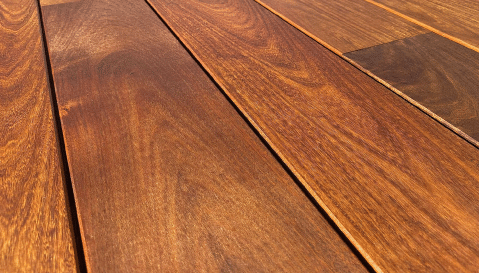
Hardwoods come from broad-leaved trees, typically found in tropical and subtropical regions. Popular hardwoods for decking include ipe, teak, jatoba, garapa, and tigerwood. Their characteristics are:
- Density: Hardwoods are denser and harder than softwoods, which contributes to their durability and lifespan.
- Natural Resistance: They have a high level of natural resistance to rot, decay, insects, and harsh weather conditions.
- Variety: Offer a wide range of colors and grain patterns.
Hardwood Pros:
- Longevity: Can last for decades with proper care, due to their dense and resilient nature.
- Low Maintenance: They require less maintenance than softwoods and retain their appearance longer.
- Eco-friendly Options: Responsibly sourced hardwoods are available, offering an eco-friendly choice.
Hardwood Cons:
- Cost: Typically more expensive than softwoods and some synthetic options.
- Installation: Harder to work with due to their density, requiring specialized tools and expertise.
- Weight: Heavier than softwoods, which can impact handling and transportation.
Choosing Between Softwoods and Hardwoods for Decking
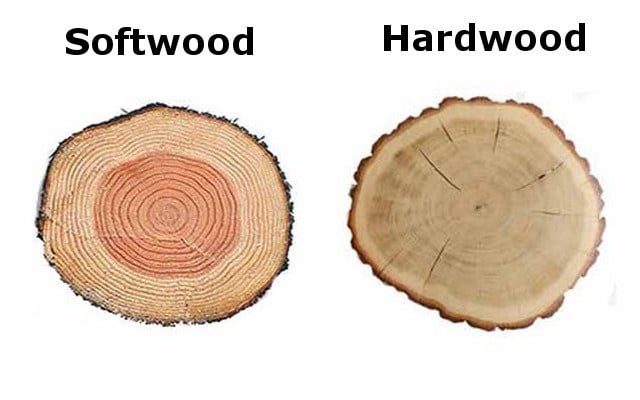
The choice between softwoods and hardwoods for decking depends on various factors such as budget, desired aesthetic, durability requirements, maintenance willingness, and environmental considerations.
Softwoods offer an affordable, beautiful, and easier-to-work option, ideal for those on a budget or preferring a classic wood look.
Hardwoods, on the other hand, are perfect for those seeking a premium, long-lasting deck with minimal maintenance and willing to invest more upfront.
3. Composite Decking: A Blend of Durability and Aesthetics
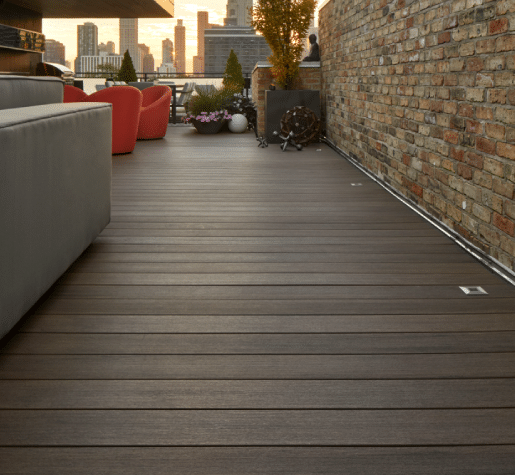
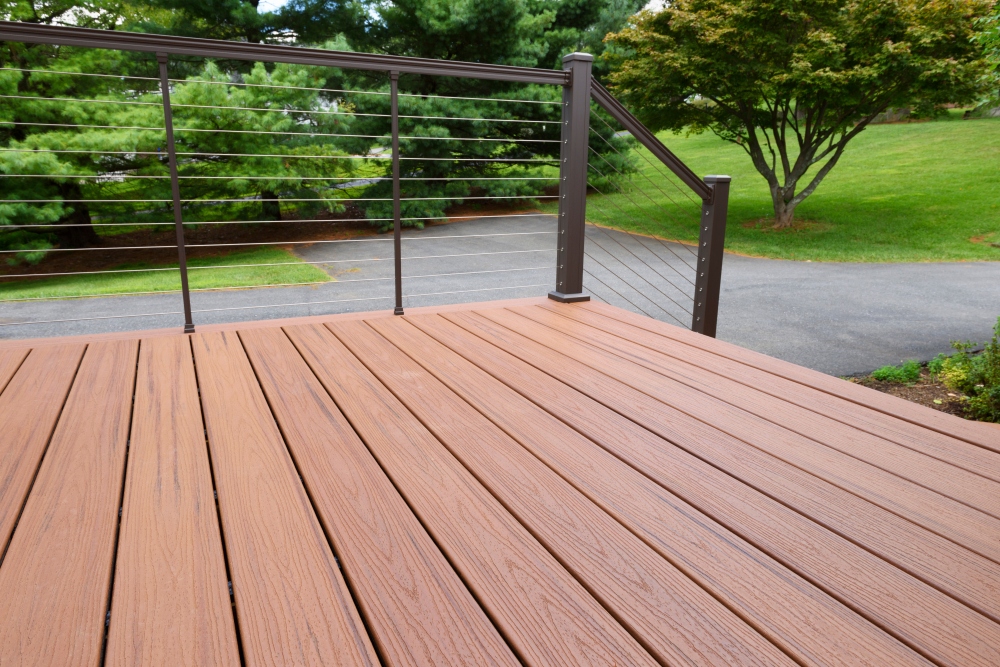
Composite decking is a modern alternative to traditional wood decking, made from a blend of materials, typically including wood fibers and recycled plastics. It’s designed to mimic the look of natural wood while offering superior resistance to rot, decay, and insects.
This innovative decking option has gained popularity due to its durability, low maintenance requirements, and environmentally friendly aspects.
Composite Decking Applications
Composite decking is well-suited for a wide range of outdoor applications, including decks, patios, and outdoor living spaces. It’s particularly appealing for areas that experience harsh weather conditions or for homeowners who prefer a low-maintenance decking solution.
Pros:
- Minimal Maintenance: It doesn’t require staining, sealing, or painting.
- Durability: Resistant to fading, staining, scratching, and mold.
- Eco-Friendly: Often made from recycled materials, making it a sustainable choice.
Cons:
- Higher Initial Cost: More expensive upfront than wood decking.
- Heat Retention: Can become hot to touch in direct sunlight.
- Less Natural Feel: Some users may find it lacks the authentic feel of real wood.
In conclusion, composite decking offers a durable, low-maintenance, and environmentally friendly alternative to traditional wood decking. While it may come at a higher initial cost, its longevity and ease of maintenance can make it a cost-effective option in the long run.
4. PVC Decking: Ultimate Low Maintenance
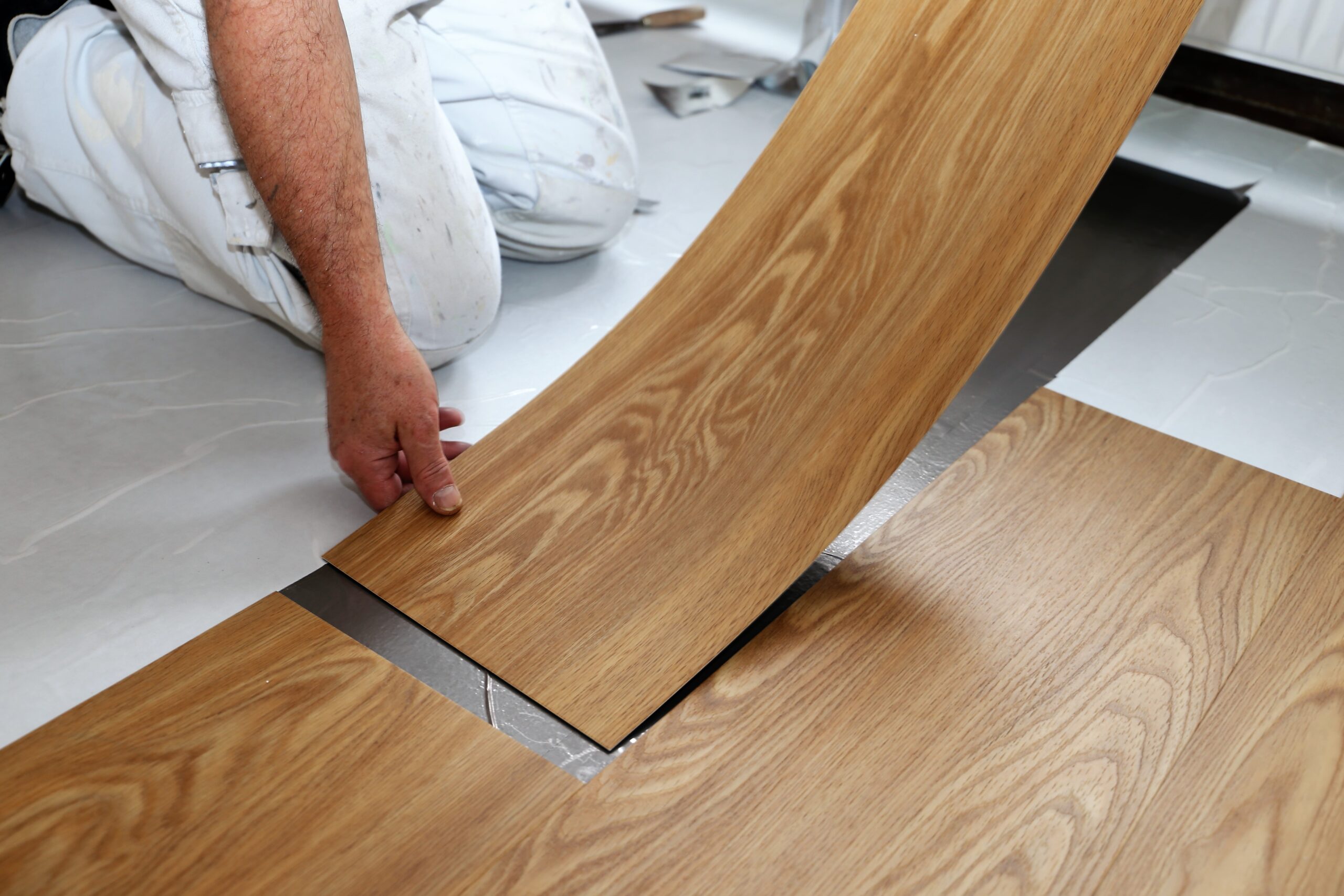
PVC decking is a type of synthetic decking material made entirely from polyvinyl chloride (PVC), a plastic polymer. It is distinct from composite decking, which combines wood fibers with plastic.
PVC decking has gained popularity for its durability, low maintenance requirements, and versatility in design and color options. This type of decking is highly resistant to moisture, making it ideal for areas with high humidity or proximity to water. It’s also lightweight and available in a variety of colors and textures.
Pros:
- Weather and Insect Resistance: Impervious to rot and insect damage.
- Low Maintenance: Requires no staining, sealing, or sanding.
- Variety of Styles: Available in a range of colors and textures to mimic natural wood.
Cons:
- Cost: One of the most expensive decking options.
- Environmental Concerns: Not as environmentally friendly due to its plastic nature.
- Less Natural: Doesn’t have the same natural warmth or feel as wood.
Applications
PVC decking is ideal for a wide range of outdoor uses, including decks, patios, and pool surrounds. Its moisture resistance makes it particularly suitable for areas close to water bodies, like pools and coastal regions.
In summary, PVC decking is a durable, low-maintenance, and weather-resistant decking option with a variety of design choices. Its initial higher cost can be offset by its longevity and minimal upkeep needs. While not the most eco-friendly choice, its durability and resistance to environmental elements make it a popular option for those seeking a long-lasting, low-maintenance outdoor decking solution.
Choosing the Best Decking Material
When selecting a decking material, consider factors like your budget, maintenance capability, aesthetic preference, and environmental impact. Each material has its unique benefits and drawbacks, so the best choice depends on your specific needs and lifestyle.
Consider the following:
- Budget: If cost is a primary concern, pressure-treated wood might be your best bet.
- Maintenance: For a low-maintenance deck, composite and PVC are excellent choices.
- Aesthetics: For natural beauty, premium softwoods and hardwoods stand out.
- Environment: If sustainability is important, look for eco-friendly options like certified hardwoods or recycled composite decking.
Conclusion
At Brazilian Lumber, we provide a range of high-quality deck material options to suit any need and preference. Whether you choose the natural elegance of hardwoods, the affordability of pressure-treated wood, the low maintenance of composite decking, or the durability of PVC, each material has unique attributes to consider. Remember, the right deck material option not only adds value to your home but also enhances your outdoor living experience.
Explore our collection and let us help you build the deck of your dreams with the perfect deck material option.
We can mill customs sizes
Premium decking