

 Free Shipping
*Applies to Ipe & Cumaru short length orders from 3–5 ft. Minimum purchase of $2,500 required. U.S. mainland only. Other conditions may apply.



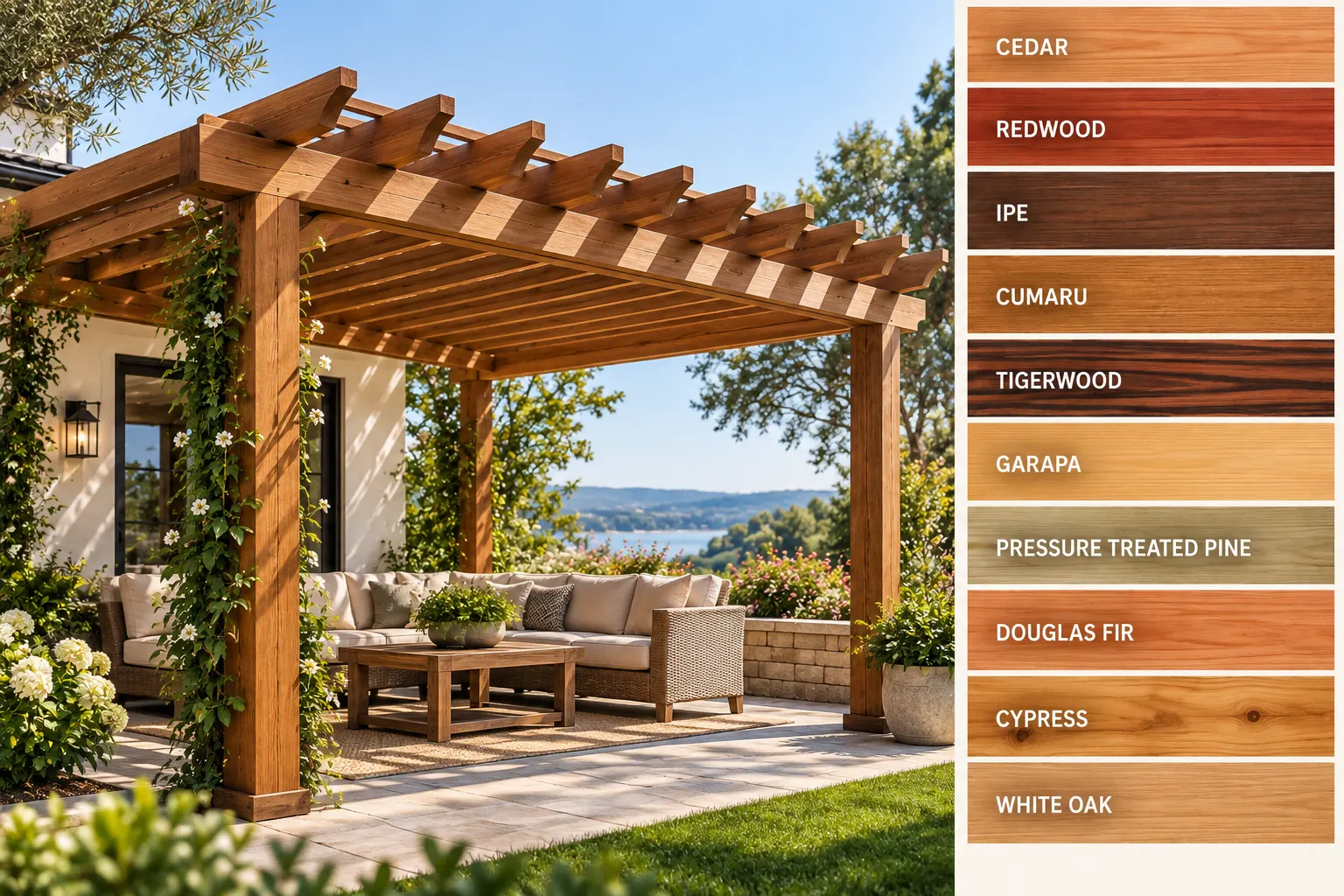
Best Wood for Pergolas – Comparing IPE, Cumaru & Other Options
Best Sellers
Posted on September 24, 2026 at 12:53 am
Table of Content
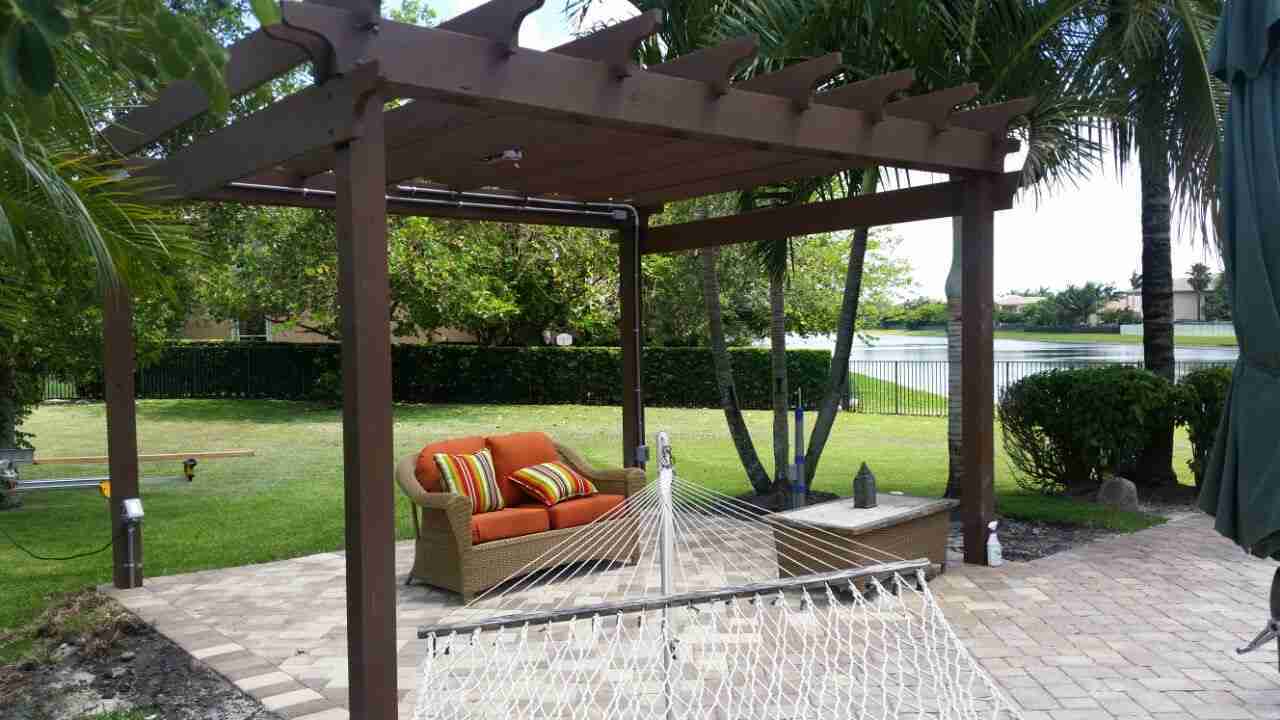
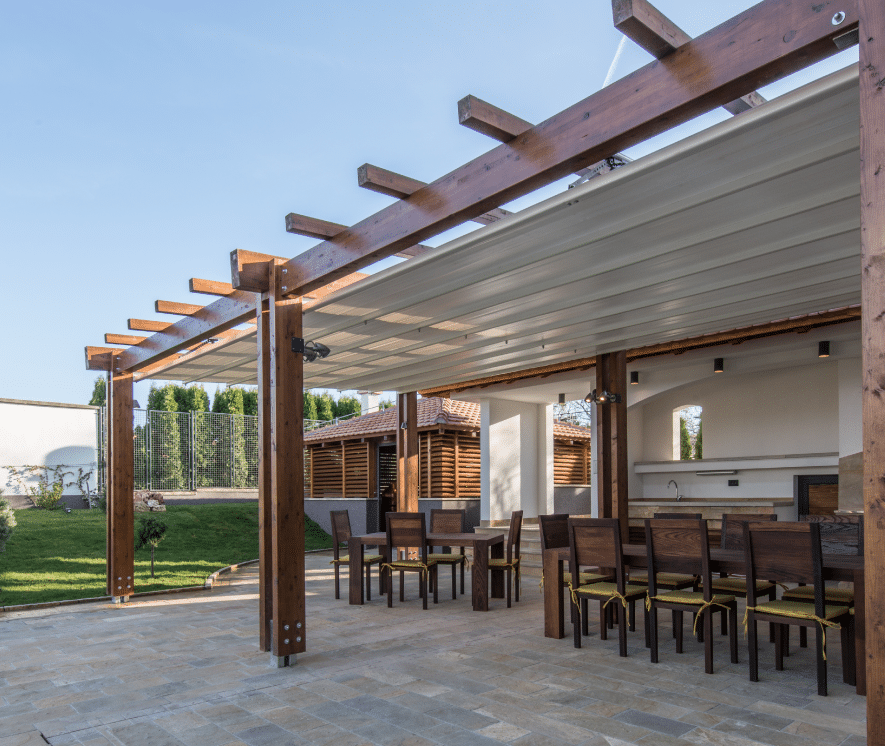
A pergola is more than just an outdoor structure. It creates a comfortable space for relaxing, entertaining guests, or adding style to your backyard. While the design of a pergola matters, the type of wood you choose is just as important.
The best wood for pergolas should be strong, durable, attractive, and able to withstand weather conditions. Some woods naturally resist insects and rot, while others are more affordable but require regular maintenance.
In this guide, you’ll learn about the best wood for pergolas, their advantages and disadvantages, and how to choose the right option for your outdoor project.
What is a Pergola?
Why Choosing the Right Wood Matters
A pergola is exposed to sunlight, rain, wind, and changing temperatures throughout the year. The wrong type of wood can crack, warp, rot, or become damaged by insects.
Choosing quality wood helps:
- Increase the lifespan of your pergola
- Reduce maintenance costs
- Improve appearance
- Add value to your property
- Keep the structure safe and strong
Investing in the right material from the beginning can save money over time.
What Makes a Good Pergola Wood?
Several factors determine whether a wood species is suitable for pergolas.
Durability
Outdoor structures need wood that can handle years of exposure to the weather.
Rot Resistance
Moisture can cause wood to decay. Naturally rot-resistant woods last much longer outdoors.
Insect Resistance
Some wood species naturally resist termites and other insects.
Strength
Pergolas must support beams, rafters, and climbing plants while remaining stable.
Appearance
Wood grain and color affect the overall look of your outdoor space.
Maintenance
Some woods only need occasional cleaning, while others require frequent staining or sealing.
Best Wood for Pergolas
Cedar
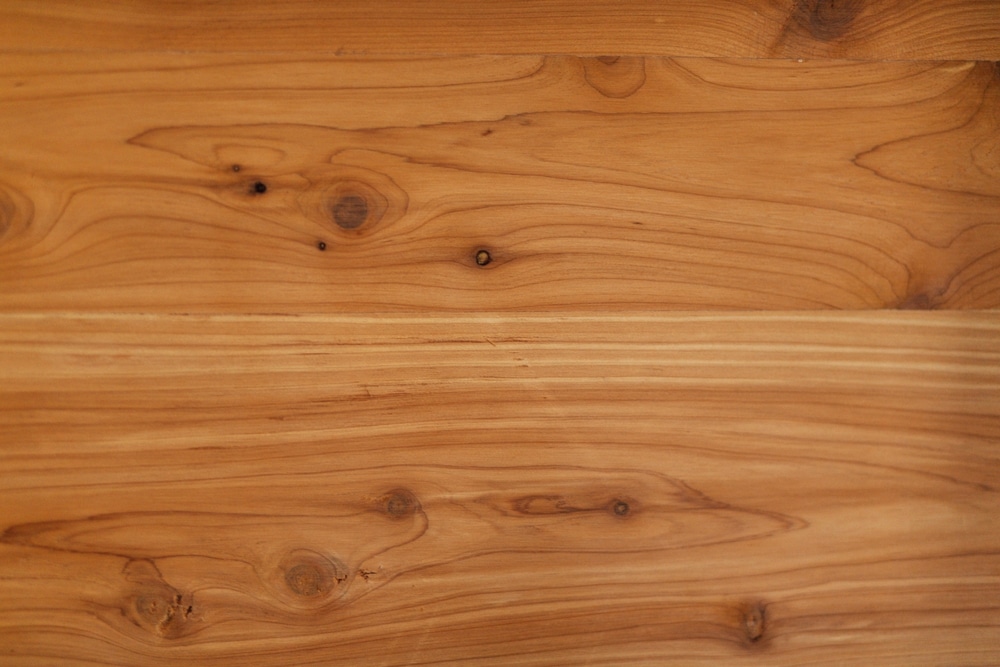
Cedar is one of the most popular choices for pergolas.
It has a warm natural color and beautiful grain patterns that fit almost any outdoor design.
Advantages
- Naturally resistant to rot
- Repels many insects
- Lightweight
- Easy to work with
- Attractive appearance
- Stable in changing weather
Disadvantages
- Softer than hardwoods
- Can dent more easily
- Needs occasional sealing to maintain color
Cedar is an excellent choice for homeowners looking for beauty and low maintenance.
Redwood
Redwood is another premium wood commonly used for pergolas.
Its rich reddish color gives outdoor spaces an elegant appearance.
Advantages
- Naturally resists decay
- Excellent insect resistance
- Long lifespan
- Attractive color
- Stable in outdoor environments
Disadvantages
- Higher cost
- Availability varies by region
Redwood is ideal for homeowners who want a luxury appearance with excellent durability.
Ipe
Ipe is considered one of the strongest hardwoods available.
Its exceptional durability makes it one of the best woods for outdoor construction.
Advantages
- Extremely durable
- Very hard and dense
- Outstanding rot resistance
- Excellent insect resistance
- Long lifespan
- Low maintenance
Disadvantages
- Expensive
- Heavy
- More difficult to cut and install
Although it costs more, Ipe can last for decades with proper care.
Cumaru

Cumaru is another tropical hardwood that performs well outdoors.
It offers many of the same benefits as Ipe but usually at a lower price.
Advantages
- High durability
- Excellent strength
- Beautiful grain
- Good resistance to moisture
- Long lifespan
Disadvantages
- Heavy
- Requires proper installation
- Natural color changes over time
Cumaru is an excellent option for homeowners who want hardwood performance at a slightly lower cost.
Tigerwood
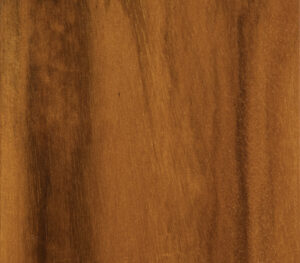
Tigerwood stands out because of its dramatic grain patterns.
The unique appearance makes every pergola look distinctive.
Advantages
- Strong
- Durable
- Attractive color variation
- Naturally resistant to insects
- Good weather resistance
Disadvantages
- Premium price
- Requires regular maintenance to preserve color
Tigerwood is perfect for homeowners who want their pergola to become a focal point.
Garapa
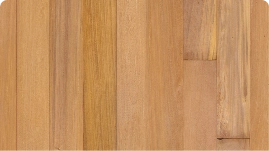
Garapa offers a lighter golden appearance compared to many tropical hardwoods.
Its clean look complements both modern and traditional outdoor spaces.
Advantages
- Good durability
- Smooth finish
- Resistant to decay
- Strong
- Stable
Disadvantages
- Will gradually turn gray without maintenance
- Requires sealing for color retention
Pressure Treated Pine
Pressure treated pine remains one of the most affordable options.
The wood is chemically treated to improve resistance to insects and decay.
Advantages
- Budget friendly
- Easy to find
- Strong
- Paints and stains well
Disadvantages
- Requires regular maintenance
- Can warp over time
- Less attractive natural appearance
Pressure treated pine is often chosen for large pergolas where keeping costs low is important.
Douglas Fir
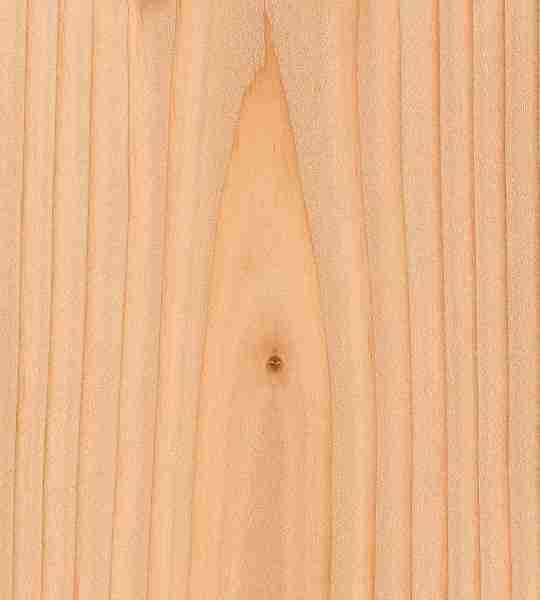
Douglas Fir is known for its strength and straight grain.
Many builders choose it because it offers excellent structural performance.
Advantages
- Strong
- Stable
- Easy to work with
- Good value
Disadvantages
- Limited natural rot resistance
- Requires sealing and maintenance
Cypress
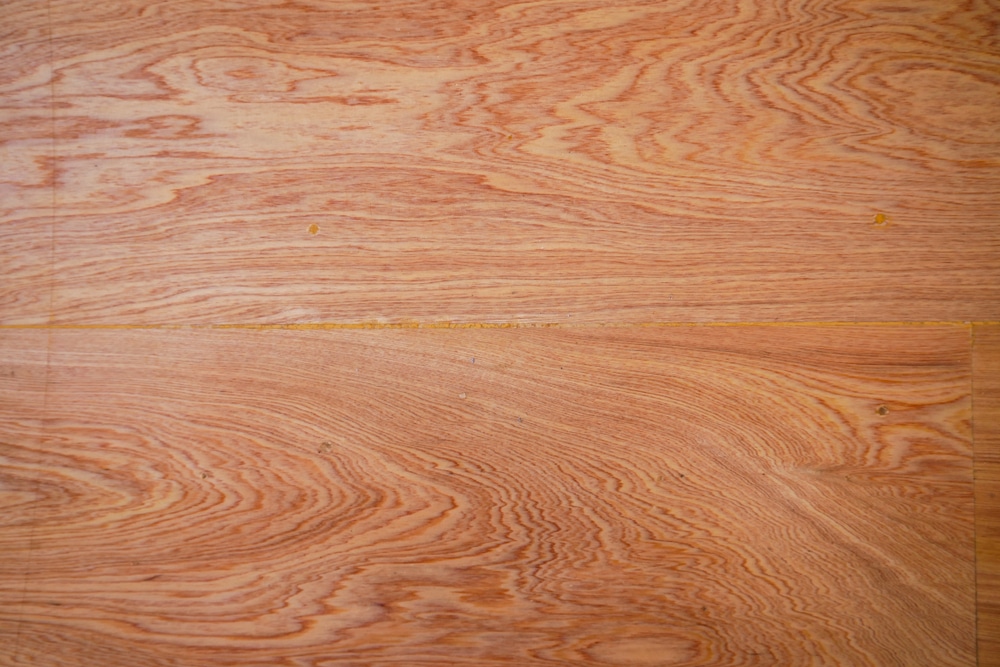
Cypress contains natural oils that help protect it from moisture and insects.
It performs well in humid climates.
Advantages
- Good rot resistance
- Insect resistant
- Attractive appearance
- Easy to stain
Disadvantages
- Availability varies
- Softer than hardwoods
White Oak
White Oak has closed pores that make it more resistant to moisture than many other oak species.
Advantages
- Very strong
- Attractive grain
- Long lasting
- Durable
Disadvantages
- Heavy
- Requires maintenance outdoors
Hardwood vs Softwood for Pergolas
Hardwood
- Ipe
- Cumaru
- Tigerwood
- Garapa
- White Oak
Pros
- Extremely durable
- Long lifespan
- Better resistance to wear
- Higher strength
Cons
- More expensive
- Harder to install
- Heavier
Softwood
Examples include:
- Cedar
- Redwood
- Cypress
- Douglas Fir
- Pine
Pros
- Easier to work with
- More affordable
- Lighter weight
Cons
- May require more maintenance
- Usually shorter lifespan
Which Wood Lasts the Longest?
Among all pergola woods, tropical hardwoods generally last the longest.
With proper installation and maintenance:
- Ipe can last over 40 years.
- Cumaru often lasts 30 years or more.
- Tigerwood can provide decades of service.
- Cedar and Redwood commonly last 20 to 30 years.
- Pressure treated pine may last 15 to 20 years with regular maintenance.
Actual lifespan depends on climate, maintenance, and installation quality.
Best Wood for Different Budgets
Best Premium Choice
Excellent durability, minimal maintenance, and outstanding lifespan.
Best Value
Offers a great balance of beauty, durability, and affordability.
Best Budget Option
Pressure Treated Pine
A practical solution for homeowners looking to reduce upfront costs.
Best Luxury Appearance
Its dramatic grain creates a truly eye-catching pergola.
How to Make Your Pergola Last Longer
No matter which wood you choose, proper care helps extend its lifespan.
Clean Regularly
Remove leaves, dirt, and debris to prevent moisture buildup.
Apply Protective Finish
Use a quality stain or sealer according to the manufacturer’s recommendations.
Inspect Every Year
Look for loose fasteners, cracks, mold, or insect damage.
Trim Nearby Plants
Keep vines and shrubs from trapping moisture against the wood.
Improve Drainage
Avoid standing water around the pergola posts.
Common Mistakes to Avoid
Many homeowners make simple mistakes that shorten the life of their pergola.
Avoid:
- Choosing wood based only on price
- Skipping protective sealers
- Ignoring regular inspections
- Allowing water to collect around the posts
- Using indoor-grade fasteners outdoors
- Delaying repairs when damage appears
How to Choose the Best Wood for Your Pergola
Before buying wood, ask yourself:
- What is my budget?
- How much maintenance am I willing to do?
- Does my area receive heavy rain or strong sunlight?
- Do I want a natural wood color or plan to stain it?
- How long do I expect the pergola to last?
Answering these questions makes it easier to choose the right material.
FAQs About Best Wood For Pergolas
Can I build a pergola using more than one type of wood?
Yes, many pergolas use different wood species for the frame and decorative features. Just make sure the woods are compatible and suitable for outdoor use.
Does the color of pergola wood change over time?
Yes, most natural woods fade to a gray or silver color when exposed to sunlight. Applying a UV-protective stain or sealer helps preserve the original color.
Should pergola wood be kiln-dried?
Kiln-dried wood has less moisture, making it more stable and less likely to warp or crack after installation.
Is hardwood better than softwood for supporting climbing plants?
Hardwoods are generally stronger and can handle heavier climbing plants more easily, while softwoods work well for lighter vines with proper support.
Can I paint my wooden pergola instead of staining it?
Yes, you can paint a pergola if the wood is properly prepared. Paint offers extra protection but may require more maintenance over time than stain.
How often should I reseal a wooden pergola?
Most pergolas should be resealed every two to three years, although the exact schedule depends on the wood type, climate, and product used.
What fasteners should I use for a wooden pergola?
Use stainless steel or hot-dip galvanized screws and bolts. These resist rust and help prevent staining or corrosion around the wood.
Does wood thickness matter when building a pergola?
Yes, using properly sized posts, beams, and rafters is important for strength, stability, and meeting local building requirements.
Can a wooden pergola increase home value?
A well-built and well-maintained pergola can improve your outdoor living space and may increase the appeal and value of your home.
Do I need a permit to build a wooden pergola?
Permit requirements vary by location. Check with your local building authority before starting your project to ensure you meet all applicable regulations.
Conclusion
The best wood for pergolas depends on your budget, maintenance preferences, and desired appearance. Cedar remains one of the best all-around choices because it combines beauty, durability, and affordability. If you want maximum longevity, tropical hardwoods like Ipe and Cumaru are excellent investments. For homeowners on a tighter budget, pressure treated pine offers reliable performance with proper care.
Choosing high-quality wood and maintaining it regularly will help your pergola remain strong, attractive, and enjoyable for many years.
If you’re looking to buy the best wood for your pergola, call Brazilian Lumber for original, premium-quality hardwood delivered nationwide.
We can mill customs sizes
Premium decking