
 Free Shipping
*Applies to Ipe & Cumaru short length orders from 3–5 ft. Minimum purchase of $2,500 required. U.S. mainland only. Other conditions may apply.



The 8 Best Weather Resistant Woods
Best Sellers
Posted on July 16, 2021 at 11:59 am
Table of Content
What do Ipe, cumaru, jatoba, garapa and teak have in common? They are some of the most resistant, durable and highly sought after hardwoods on the market.
They are incredibly resistant to rot, insect damage and weathering since the internal composition is undesirable to insects and fungi. Because of this, they are perfect for outdoor projects and will last outdoors for well over thirty five years.
Some softwoods such as California Red Wood, cedar and cypress are also used for exterior construction, and luckily you can find all the types of wood previously mentioned here at Brazilian Lumber.
The Best Weather Resistant Woods For Outdoors Projects
Real lumber is an excellent choice for adding warmth to garden structures and for decks. In addition, woods have a wide range of aesthetic expressions, from wild, uneven wood posts to sophisticated, smoothly sanded decks. The type of hardwood chosen for a project also adds style because of the variety of colors and textures they have.
From an ecological point of view, wood is a good choice if it is harvested sustainably. As an all natural product, hardwood is not treated with any chemicals or contaminants. When its life cycle is over (which isn’t for well over 70 years) it will eventually be able to decay and not fill up a landfill. That is why rainforest conservation is a key aspect of our company’s core values.
With this in mind, sustainability is a very important aspect for our brand and company. As it helps preserve the tropical forest, because the natural life cycle of each tree is respected, as are all other aspects of the local biodiversity. That is why the tropical rainforest preservation project has full support.
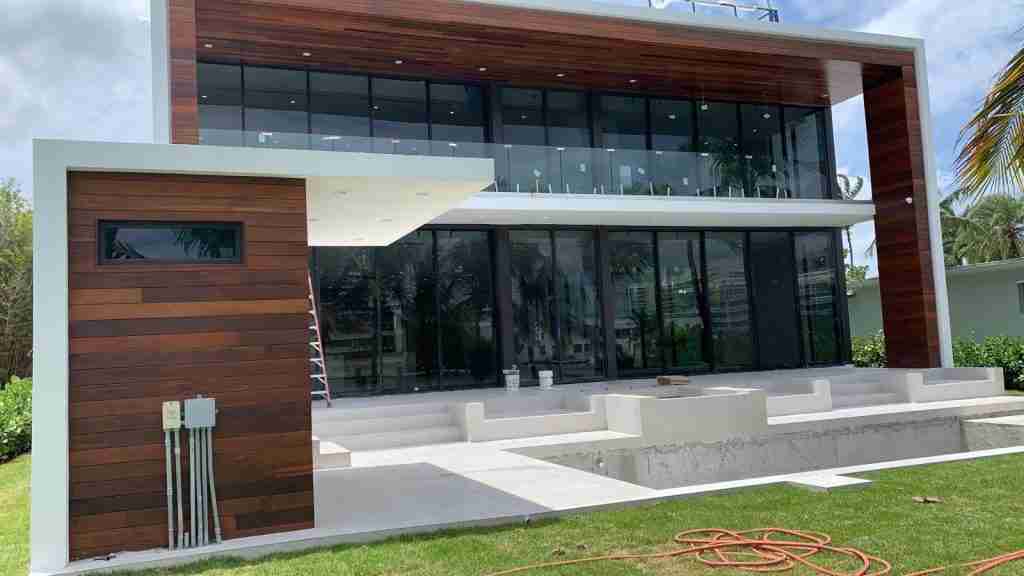
The majority of all softwood on the market has to be chemically treated to prevent rot. However, some woods have superior rot resistance naturally, without the need for chemicals. Here’s a list of the best, most weather resistant woods to help you build the project of your dreams in a chemical-free way.
Ipe’s Resistance To Insect And Heat Damage
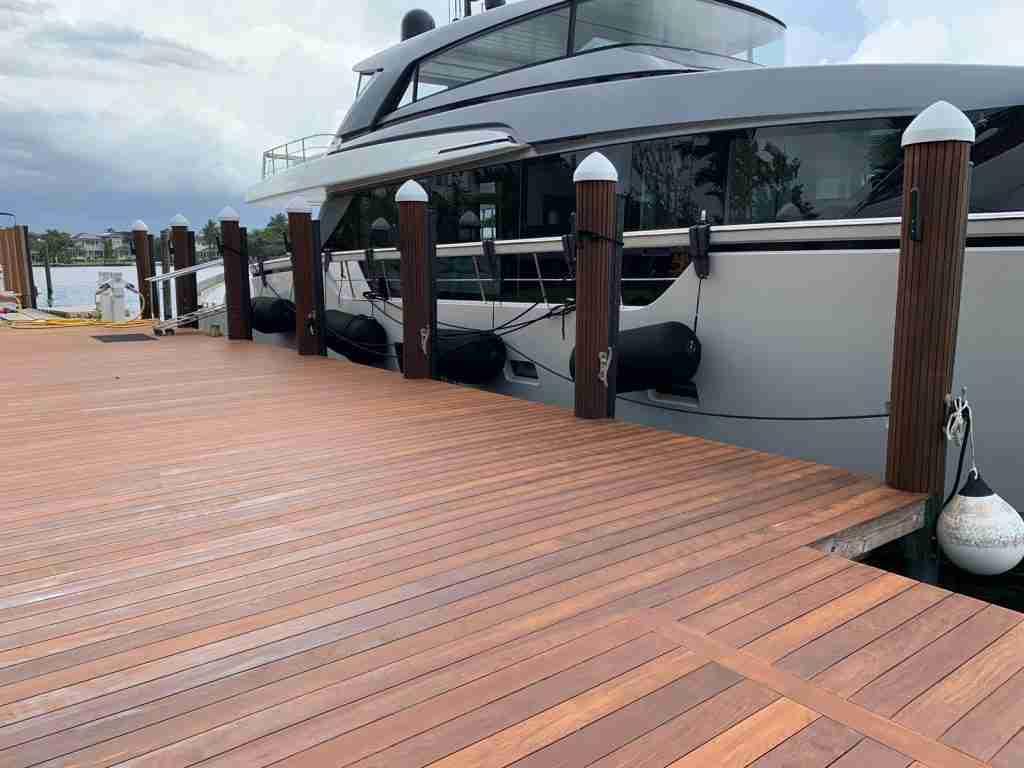
Its density and natural oils make it practically impervious to insects (so deterioration is not a problem). Ipe lumber is the perfect example of weather resistant woods because it does not scratch or splinter easily, does not heat up in the sun and has a high coefficient of friction, making it perfect for outdoor and coastal construction.
Ipe lumber has been on trend for years and deserves a special mention as there are many ways to use it. This incredible, strong, durable, and beautiful hardwood is THE perfect choice for outdoor projects like backyard decks, walkways, etc. In addition, to being used on countless home patios, it has also been used for landmarks such as the Atlantic Boardwalk and Treasure Island Resort in Las Vegas.
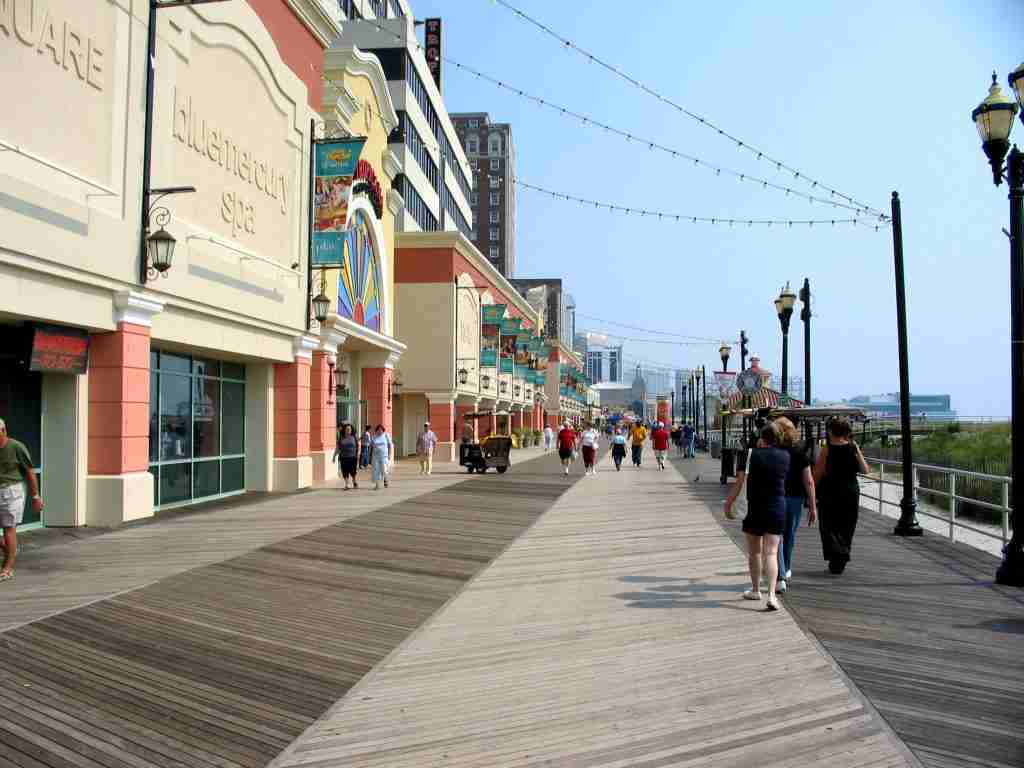
Image Of Atlantic Boardwalk
So, to point out some of the best features of Ipe, here are the most noteworthy:
- Weather resistance
- Resistant to insect damage
- Durability
- Versatile
- Strength
- A1 fire rating
- Does not heat up in the sun
- Color can vary from reddish brown, to a yellowish olive brown or blackish brown.
- Janka rating (a rating largely used by the timber flooring industry to compare the hardness of a floor): 3,510 lb
Cumaru’s Resistance To Mildew And Rotting
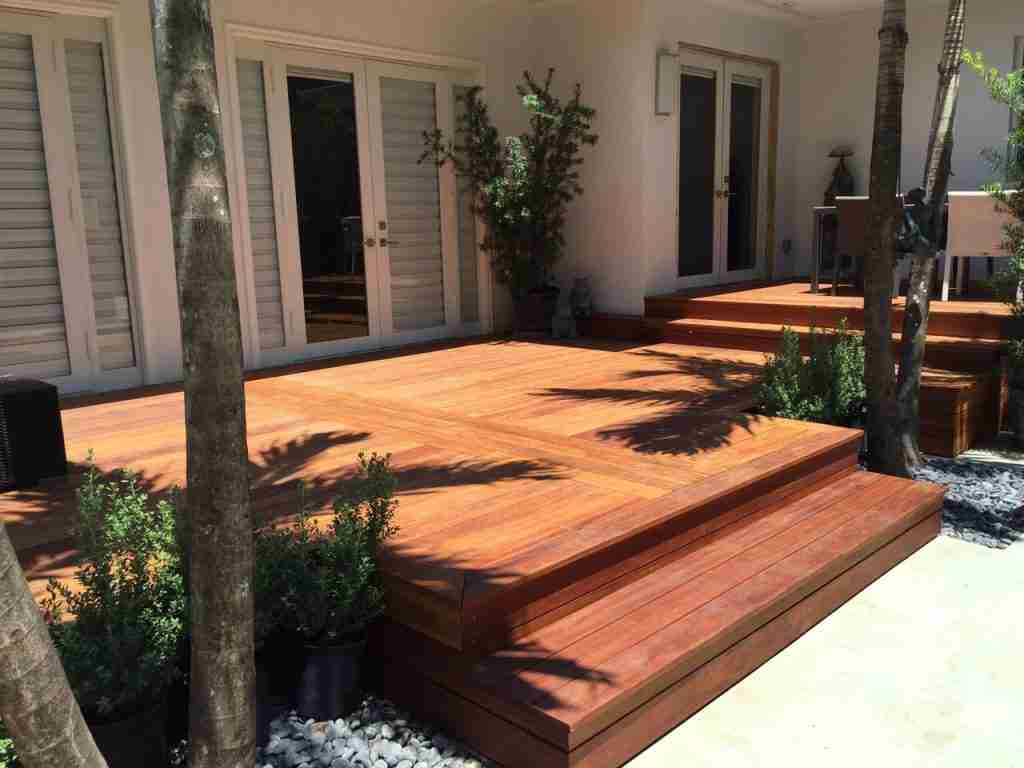
Cumaru lumber, also known as Brazilian teak, is one of the densest hardwoods available for outdoor use after Ipe lumber. Not only because of this characteristic, but also because it is resistant to mildew and rot. It is often used for patios, decking, railroad ties, and other purposes. Like Ipe, Cumaru is another example of weather resistant woods because it has an A1 fire rating, does not scratch or splinter easily, does not heat up in the sun, and has a high coefficient of friction, making it perfect for outdoor and coastal construction.
So, choosing Cumaru, means choosing:
- Resistance to mildew and rot
- Density
- A1 fire rating
- Does not heat up in the sun
- High coefficient of friction
- Janka hardness: 3,330 lb
- Its color is mainly dark brown
Jatoba’s Resistance To Weathering, Rot and Insect Infestation
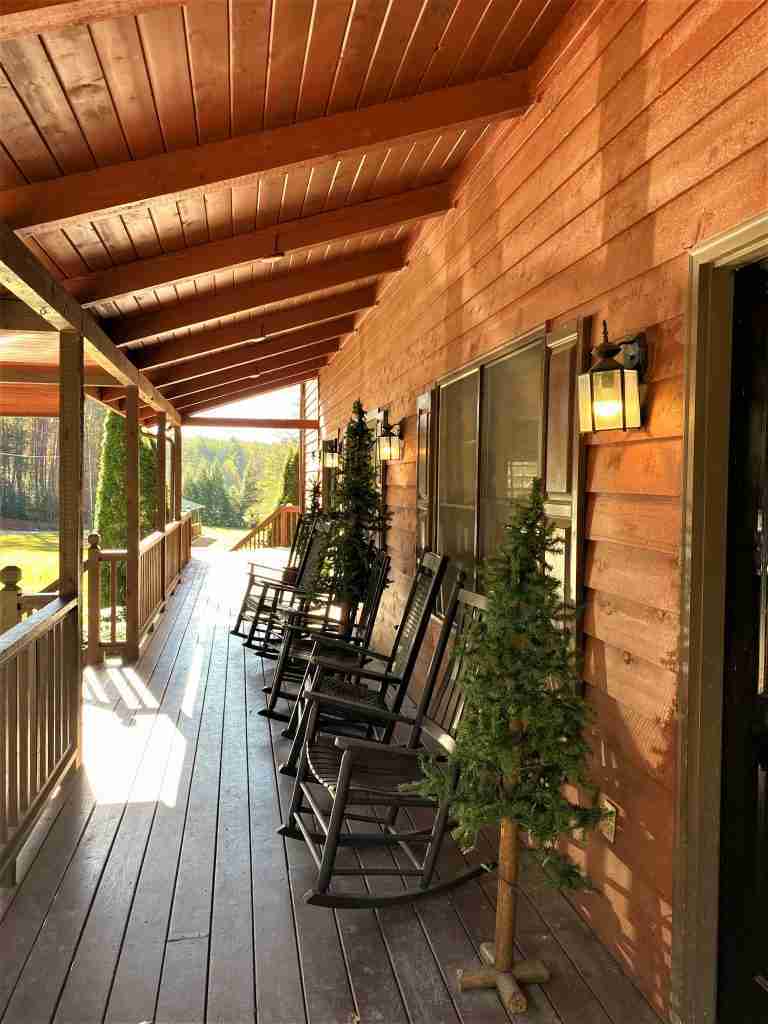
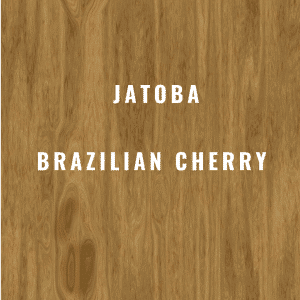
Commonly known as Brazilian cherry due to its similarity in color to the native cherry, Jatoba lumber is another one of the incredibly strong weather resistant woods. It is also known to be resistant to termites and most insects.
This tropical wood is often used in exterior construction due to its durability.
So remember, Jatoba equals:
- Durability
- Toughness
- Resistance to termites and most insects
- Janka hardness: 2,690 lb
- Its color ranges from a light orangish brown to a darker reddish brown
Garapa’s Durability And Workability
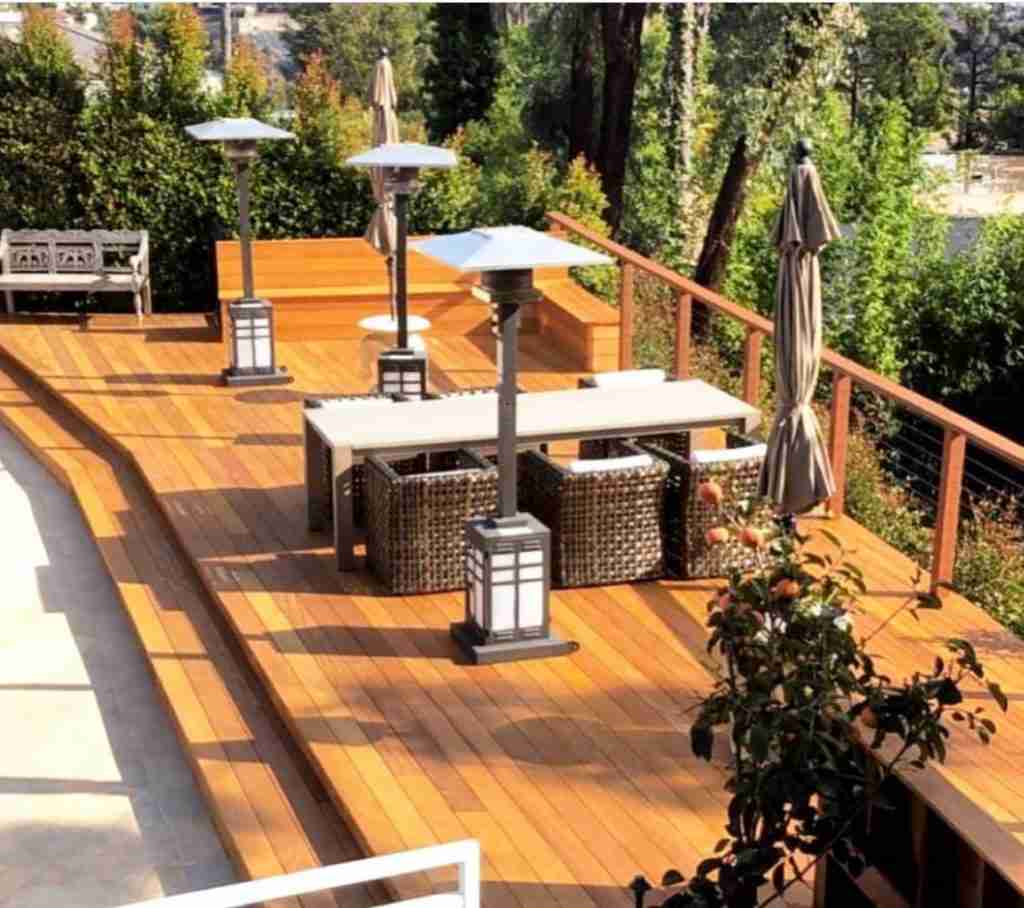
This tropical hardwood is one of the finest woods for decking. You can count on Garapa lumber for nearly any sort of outdoors woodworking venture because of its sturdiness and resistance to extreme weather conditions. Also, this hardwood is water, decay, and mold resistant. It is widely used for patios and decking.
Let us remind you that by choosing Garapa you will have:
- Durability against harsh weather conditions.
- Workability
- Resistance to water, decay and mold
- Janka hardness: 1,650 lb
- May be golden to yellowish-brown in color
Teak Weather Resistance
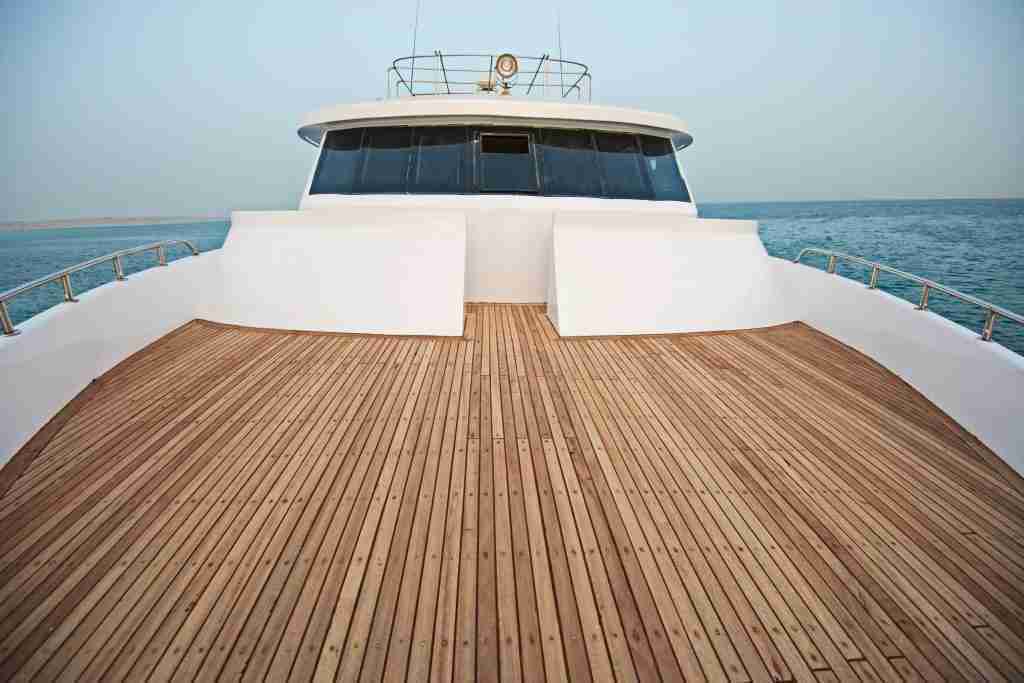
This wood is considered to be the sea-resistant wood per excellence, not only because of its durability, but also for being a perfect example of weather resistant woods. It contains natural vegetable oils that make it extremely resistant to water as well as to termites and insects.
It is probably the most strong and famous hardwood and is most likely to be used in shipbuilding as it can be protected from dry rot. It is also an excellent choice for small outdoor projects such as furniture, patios, flooring and other projects where the beauty of the wood should be as loud as the craftsmanship. In fact, any yacht or boat you see that has a wooden deck is surely made out of teak wood.
To sum up, with Teak you will have:
- The sea-resistant wood par excellence
- Durability
- Resistance to water
- Resistance to termites and other insects
- Toughness
- Janka hardness: 1,070 lb
- It tends to be a golden or medium brown
Cypress Water And Rot Resistant
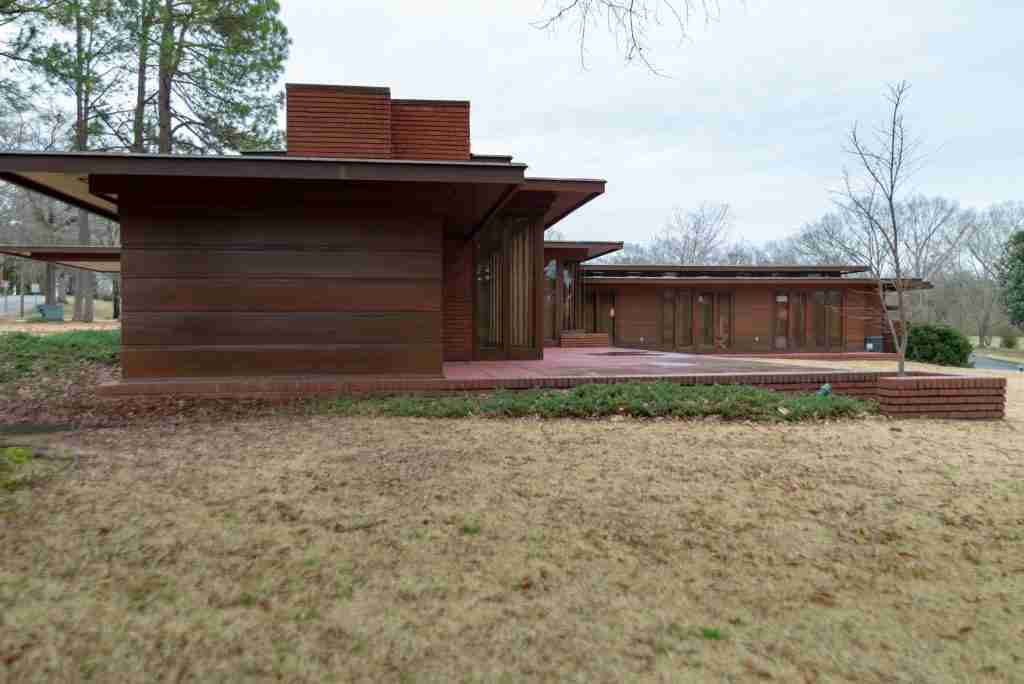
Cypress, one of the most durable weather resistant woods, is known as “the eternal wood”. It has a natural oil called cypress that repels insects and prevents rot. It is very durable, stable and watery and rot-resistant, which makes it suitable for construction and heavy works.
In conclusion, the Cypress will give you:
- Durability
- Stability
- Resistance to water and rot
- Janka hardness: 510 lb
- Color: yellowish brown
California RedWood And Cedar, The Soft Weather Resistant Woods
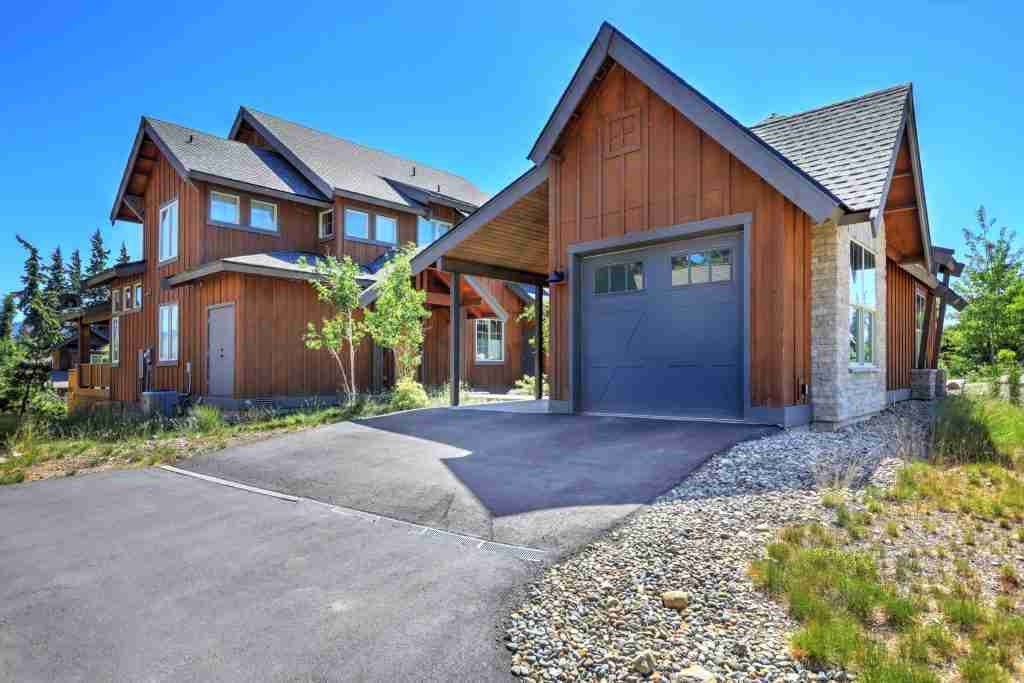
Both species are naturally weather resistant woods fighting off rot, and resistant to termites and insects. When used outdoors, cedar and California redwood stand straighter, making them ideal woods for fences, decks, and pergolas.
Building with these two types of woods is environmentally friendly, as both are excellent for reducing greenhouse gases in the environment due to their function of absorbing and processing carbon dioxide. Something to which all trees contribute.
By choosing California Redwood or Cedar, you are choosing this:
- Resistance to rot and decay
- Resistance to insects
- Environmentally friendly.
- California redwood: janka hardness = 450 lb/
- Cedar: janka hardness = 600 lb/
- The color from both types of woods varies from a light pinkish brown to a deep reddish brown
Where Can Weather Resistant Woods Be Used?
Now that you know which weather resistant woods have superior rot resistance and are best suited for outdoor projects without chemical treatment, it’s time to suggest some of their uses.
- Teak, Cumaru, Jatoba and Ipe lumber work as a fantastic base for decking, which is why they are so popular as pool decking and for areas near outdoor showers.
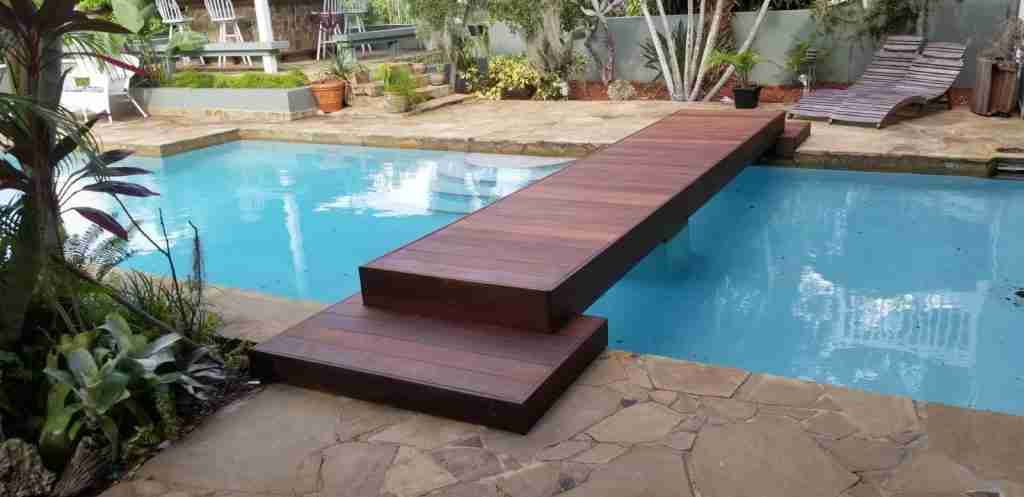
- A rough, textured wood picket fence gives a home’s landscape a beautiful, handcrafted look. For this, cypress, cedar and California Redwood are the perfect choices.
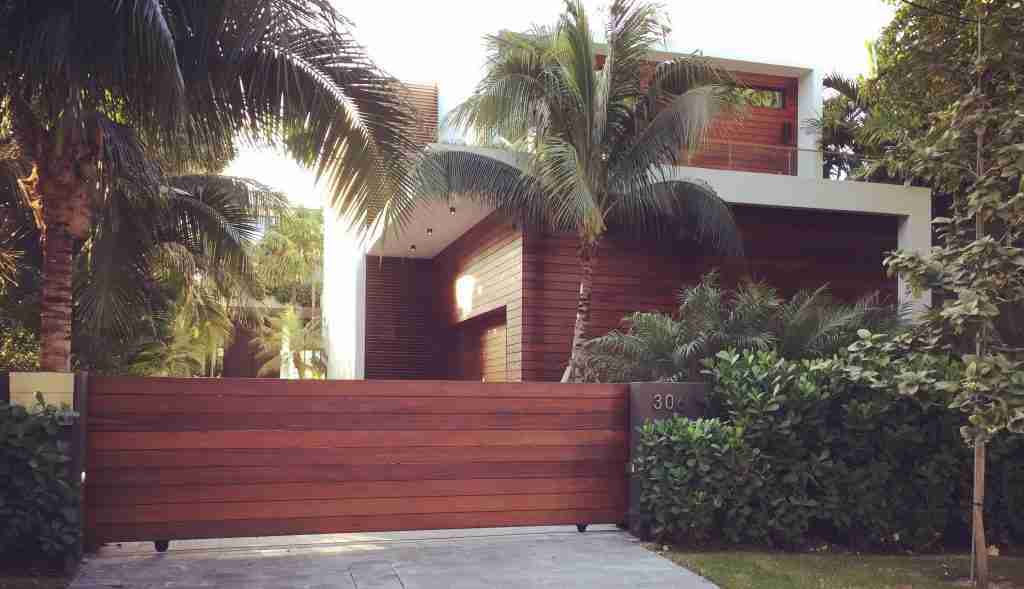
- A wooden trellis can have a rustic look that cannot be achieved with a metal trellis. Count on cedar and cumaru for this one.
- Weather resistant woods can also be used as an accent in the garden, not only as the protagonist of a terrace or pergola. Ipe and redwood, for example, are popular woods for refined details.
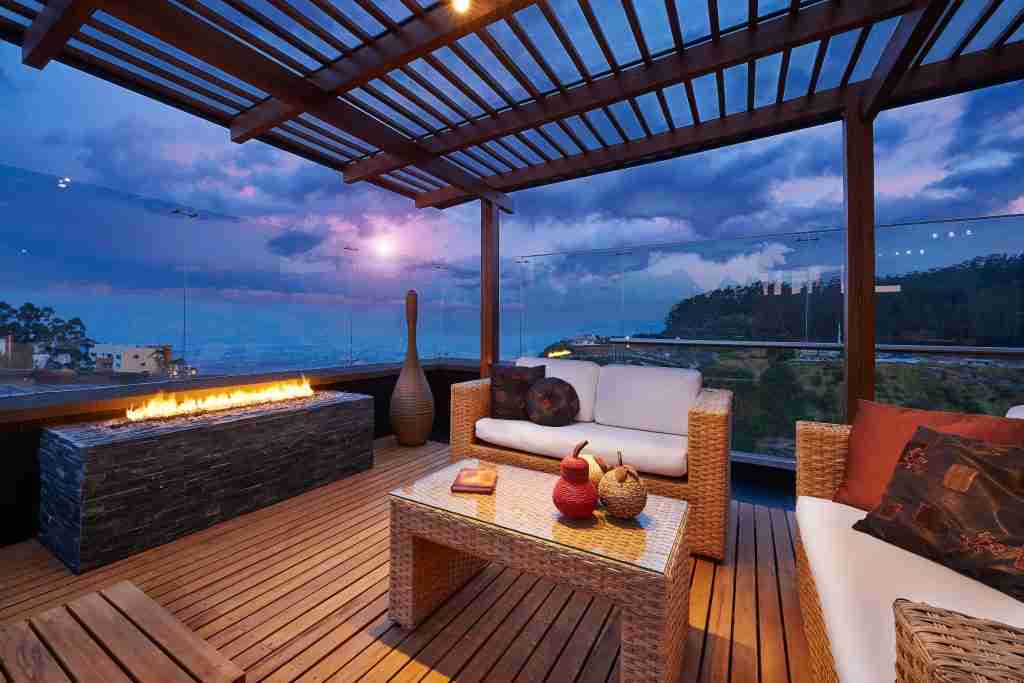
We can mill customs sizes
Premium decking
Search engine
Use this form to find things you need on this site

Deckotech Collection

Oct 26 – Nov 6 · For trade professionals
Scary-good trade pricing
Sign up to get up to 27% trade discount across the Deckotech range.
Offer valid for new contractors only and does not apply to purchases made before October 26, 2026. The promotion cannot be combined with additional discounts or existing contractor pricing. Discounts may vary depending on the product, length, and availability. Limited stock available. This promotion is valid through November 6, 2026.