

 Free Shipping
*Applies to Ipe & Cumaru short length orders from 3–5 ft. Minimum purchase of $2,500 required. U.S. mainland only. Other conditions may apply.



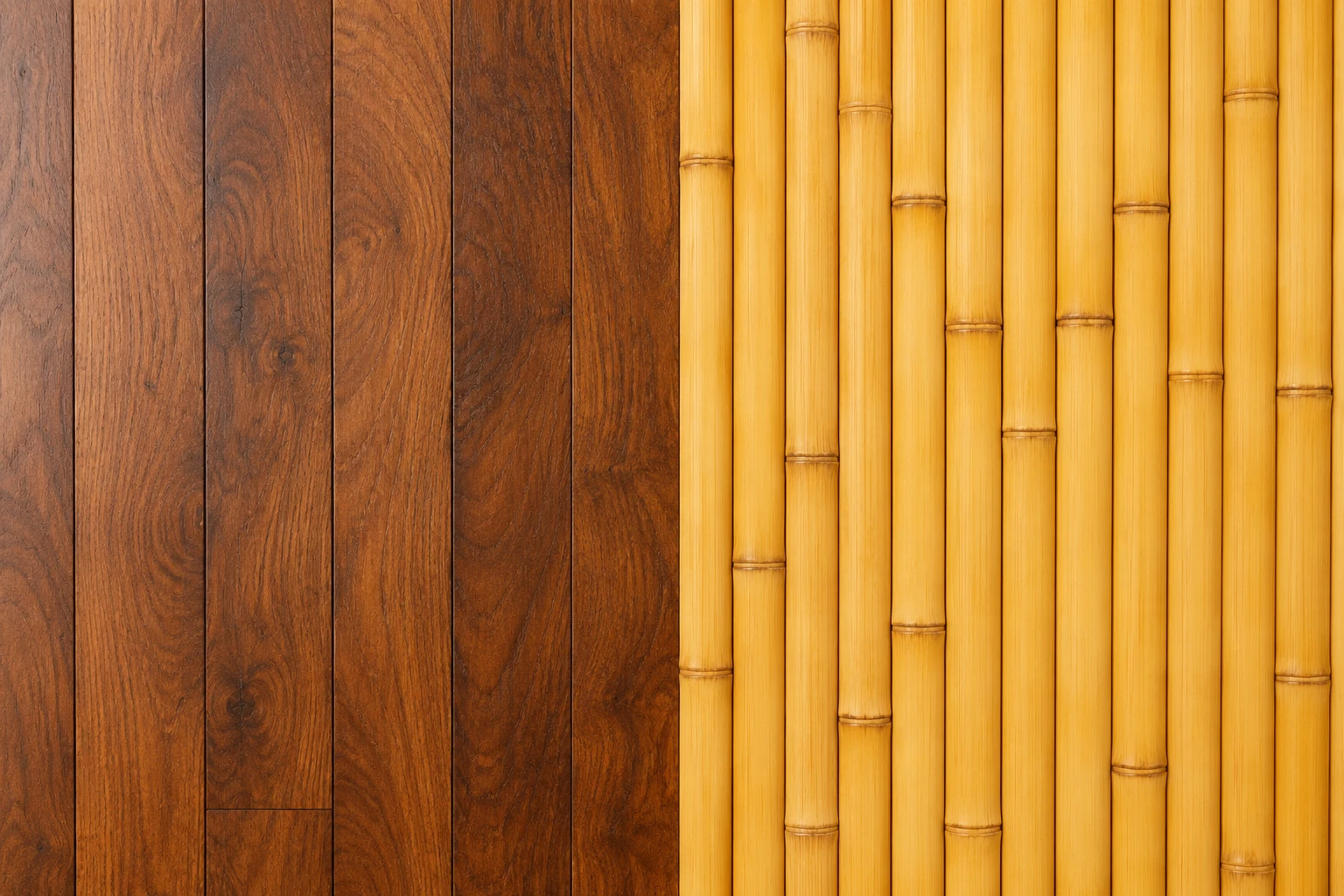
Hardwood vs Bamboo: Which Is the Better Choice?
Best Sellers
Posted on August 30, 2026 at 5:00 pm
Table of Content
Choosing the right material for your home or outdoor project is an important decision. Two popular options are hardwood and bamboo. Both are known for their strength, attractive appearance, and long lifespan, but they have several differences that can affect their performance.
Whether you are installing flooring, building a deck, or planning another outdoor project, understanding how hardwood and bamboo compare can help you make the right choice.
In this guide, we’ll compare hardwood vs bamboo in terms of durability, appearance, maintenance, cost, and long-term value.
What Is Hardwood?
Hardwood comes from broadleaf trees such as oak, maple, walnut, cherry, hickory, and tropical hardwoods like Ipe, Cumaru, Garapa, and Tigerwood.
These woods grow naturally over many years, producing dense and durable lumber that is widely used for flooring, decking, furniture, siding, and other construction projects.
Because of its natural strength and attractive grain patterns, hardwood has remained a popular building material for generations.
What Is Bamboo?
Although many people think bamboo is wood, it is actually a type of grass.
For construction purposes, bamboo stalks are cut into strips, treated, compressed, and bonded together to create flooring boards or other building materials.
Its fast growth has made bamboo a popular option for homeowners looking for an alternative flooring material.
Hardwood vs Bamboo at a Glance
| Feature | Hardwood | Bamboo |
| Material | Natural wood | Fast-growing grass |
| Appearance | Rich natural grain | Uniform modern look |
| Outdoor Use | Excellent with suitable species | Limited for long-term outdoor exposure |
| Durability | Very high (Wood Hardness Ratings) | Moderate to high depending on quality |
| Lifespan | Several decades with proper care | Can last many years indoors |
| Maintenance | Regular cleaning and occasional refinishing | Regular cleaning and moisture protection |
Hardwood VS Bamboo – Appearance
Both hardwood and bamboo offer attractive finishes, but their appearance is quite different.
Hardwood
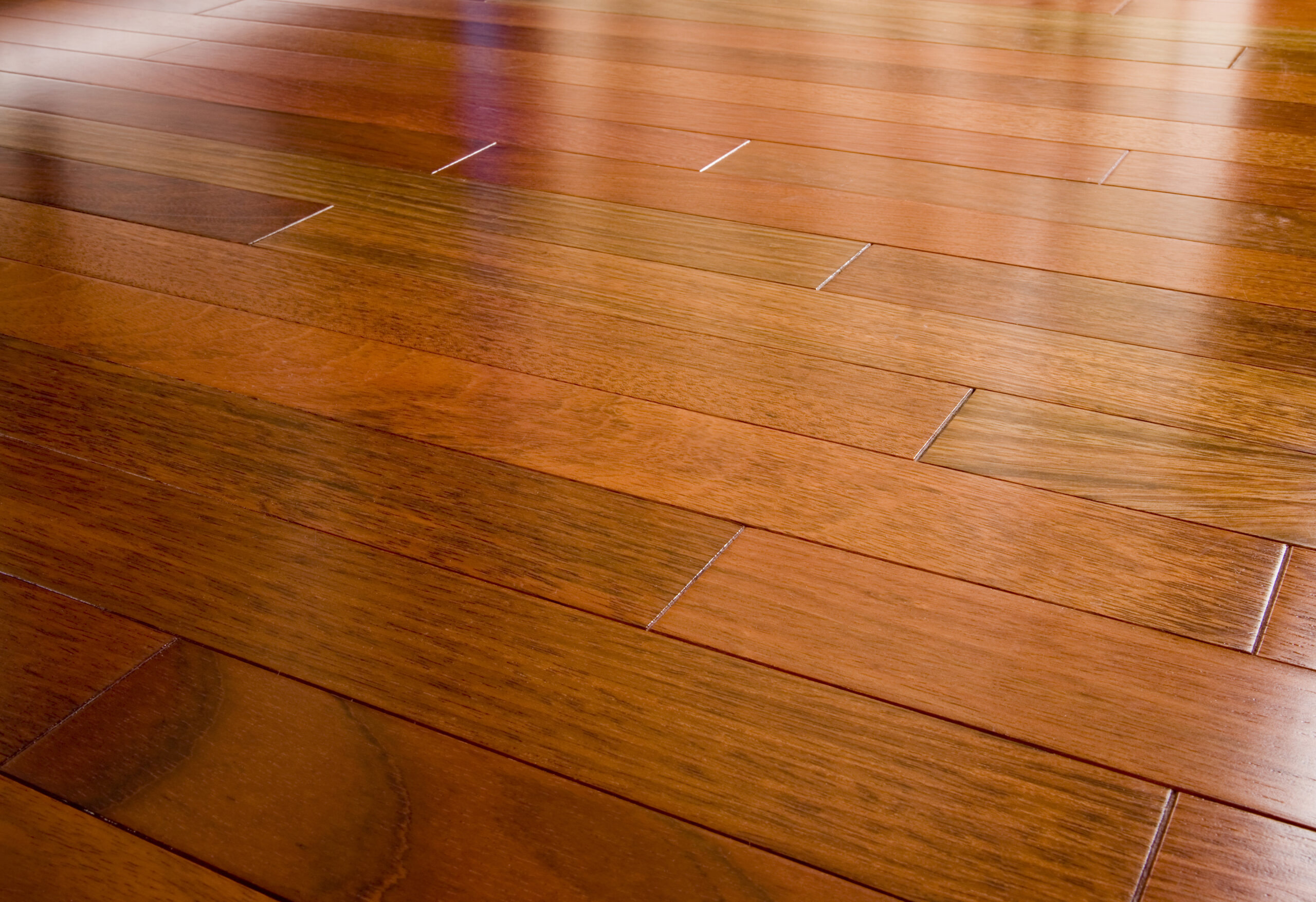
Hardwood features unique grain patterns, natural color variations, and rich textures. Every board is different, giving floors and decks a distinctive look.
Popular hardwood colors include:
- Light golden tones
- Warm brown shades
- Deep chocolate colors
- Rich reddish hues
Because every tree grows differently, hardwood provides a one-of-a-kind appearance.
Bamboo
Bamboo has a cleaner and more uniform look.
Its grain is more consistent, making it popular for modern and minimalist interiors.
While bamboo is available in several colors, it generally offers fewer natural variations than hardwood.
Hardwood VS Bamboo – Durability
Durability is one of the biggest factors when choosing between hardwood and bamboo.
Hardwood
Many hardwood species are naturally dense and extremely durable.
Certain hardwoods, especially tropical hardwoods, are well known for their resistance to:
- Heavy foot traffic
- Moisture
- Insects
- Wear
- Weather exposure
With proper care, hardwood can last for decades in both indoor and outdoor applications.
Bamboo
The durability of bamboo depends on how it is manufactured.
High-quality strand-woven bamboo is stronger than traditional bamboo flooring, but lower-quality products may scratch or dent more easily.
Bamboo also tends to be more sensitive to prolonged moisture exposure.
Hardwood VS Bamboo – Outdoor Performance
Outdoor projects require materials that can withstand changing weather conditions.
Hardwood
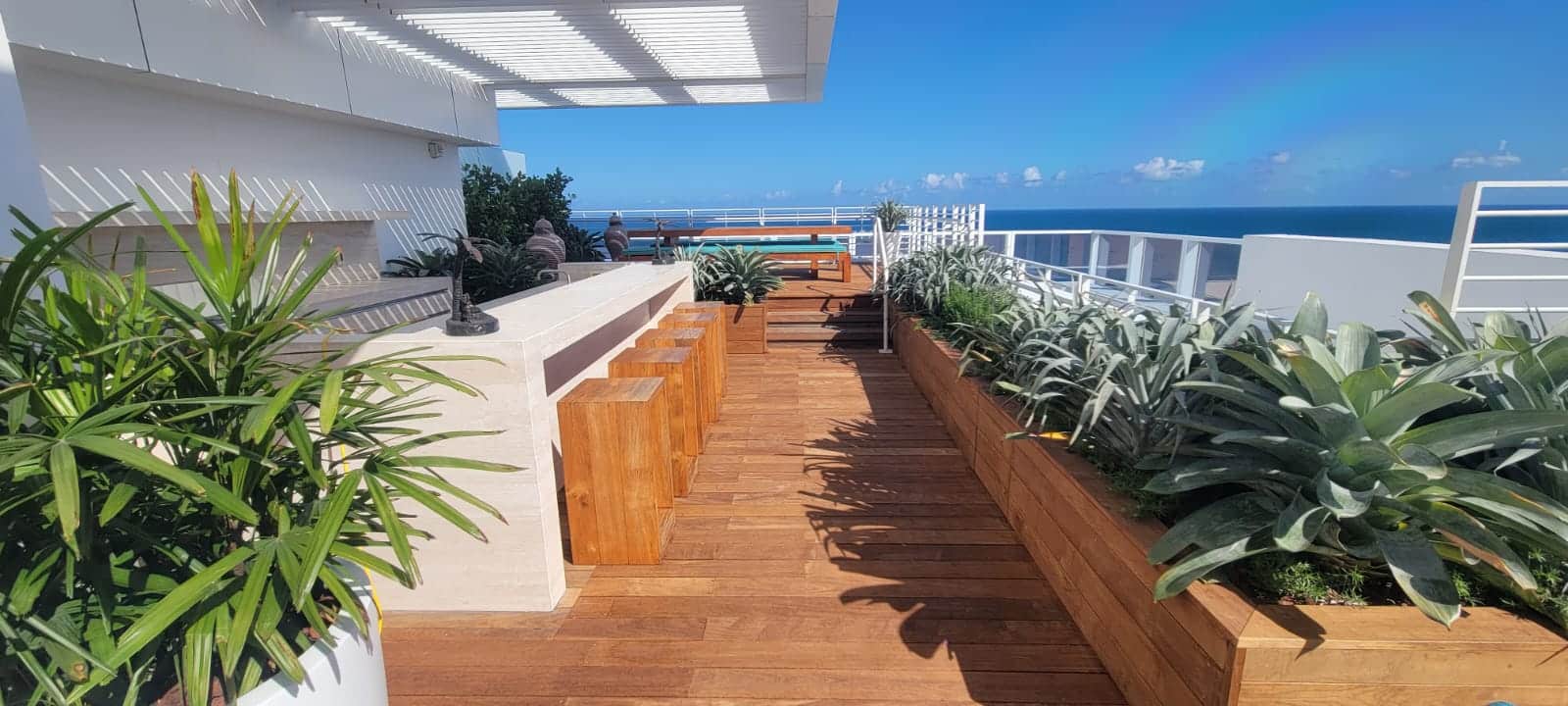
Many hardwood species are specifically chosen for outdoor construction because they naturally resist:
- Moisture
- Decay
- Termites
- Rot
This makes hardwood an excellent choice for:
- Decking
- Boardwalks
- Docks
- Outdoor stairs
- Pergolas
- Fencing
Bamboo
Although some treated bamboo products are available for outdoor use, bamboo generally performs best indoors.
Constant exposure to rain, sunlight, and humidity can shorten its lifespan if it is not specially manufactured for exterior applications.
Hardwood VS Bamboo – Maintenance
Both materials require regular care, although the type of maintenance differs.
Hardwood
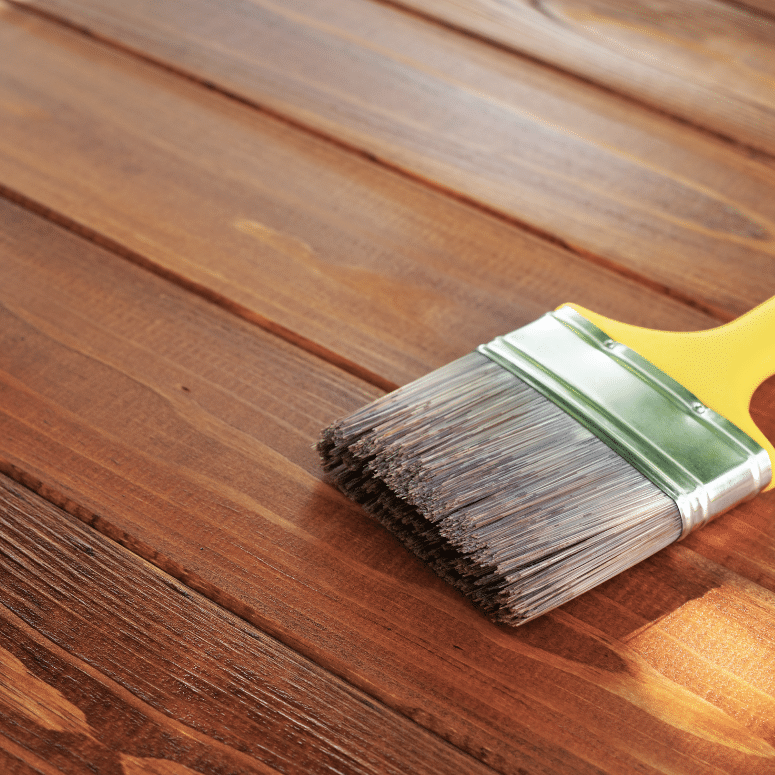
Hardwood should be:
- Swept regularly
- Cleaned with suitable wood cleaners
- Refinished when necessary
- Protected from standing water
Outdoor hardwood may also benefit from occasional oiling to maintain its natural color.
Bamboo
Bamboo flooring should be:
- Swept frequently
- Cleaned with a damp cloth
- Protected from excessive moisture
- Protected from heavy scratches
Indoor bamboo generally requires less refinishing than some hardwood floors.
Hardwood VS Bamboo – Lifespan
The lifespan of your material depends on quality, installation, and maintenance.
Hardwood
High-quality hardwood can last for several decades. Many hardwood floors remain in excellent condition for 50 years or more, while outdoor hardwood decking can also provide decades of service when properly maintained.
Bamboo
Bamboo flooring can also last many years indoors, but its lifespan often depends on the manufacturing process and the environment in which it is installed.
Hardwood VS Bamboo – Cost
The price of hardwood and bamboo varies depending on the species, quality, and finish.
Hardwood
Premium hardwoods usually cost more because they offer:
- Exceptional durability
- Natural beauty
- Long lifespan
- High resale value
Although the initial investment may be higher, many homeowners consider hardwood a worthwhile long-term investment.
Bamboo
Bamboo is often available at a lower price than many premium hardwood options.
However, lower-cost bamboo products may not provide the same durability or lifespan as high-quality hardwood.
Hardwood vs Bamboo – Installation
Both materials require proper installation for the best results.
Hardwood is commonly installed by experienced professionals, especially for decking and outdoor projects.
Bamboo flooring also benefits from professional installation to ensure proper expansion, moisture protection, and long-term performance.
Hardwood VS Bamboo – Environmental Considerations
Both hardwood and bamboo can be environmentally responsible choices when sourced from reputable suppliers. Responsibly harvested hardwood comes from well-managed forests that focus on long-term sustainability.
Bamboo grows quickly and regenerates without replanting, making it an attractive renewable resource. Regardless of the material, choosing products from trusted suppliers helps support responsible forestry and manufacturing practices.
Hardwood vs Bamboo for Flooring
Both materials perform well indoors, but they offer different advantages.
Hardwood flooring is valued for its timeless appearance, ability to be refinished, and long lifespan.
Bamboo flooring offers a modern look and may appeal to homeowners seeking an alternative to traditional wood flooring.
For homeowners looking for long-term value, natural beauty, and the option to refinish floors in the future, hardwood remains a preferred choice.
Hardwood vs Bamboo for Decking
When it comes to decking, hardwood generally has the advantage.
Many hardwood species are naturally suited for outdoor environments and can withstand years of exposure to changing weather conditions.
Bamboo products designed specifically for exterior use are available, but they are less common and often require careful installation and maintenance.
For decks, patios, docks, and other exterior projects, hardwood is widely recognized as one of the most dependable materials.
Hardwood VS Bamboo – Which One Should You Choose?
The right choice depends on your project.
Choose hardwood if you want:
- Natural wood beauty
- Excellent outdoor performance
- Long lifespan
- High durability
- The ability to refinish the surface
- Strong long-term value
Choose bamboo if you want:
- A clean, modern appearance
- An indoor flooring option
- A material made from a fast-growing plant
FAQs On Hardwood VS Bamboo
Is hardwood more valuable than bamboo?
In many cases, yes. High-quality hardwood is often considered more valuable because of its durability, natural beauty, and long lifespan.
Can hardwood and bamboo be refinished?
Most solid hardwood floors can be sanded and refinished multiple times. Some bamboo flooring can also be refinished, but it depends on the product’s thickness and construction.
Which material adds more value to a home?
Hardwood flooring is generally considered to add more long-term value and appeal to a home due to its timeless look and durability.
Does sunlight affect hardwood and bamboo differently?
Yes. Both materials can fade over time with prolonged sun exposure, but using curtains, blinds, or UV-protective finishes can help minimize discoloration.
Which material feels more comfortable underfoot?
Both hardwood and bamboo provide a comfortable walking surface, although the feel can vary depending on the species, board construction, and underlayment used.
Can pets scratch hardwood or bamboo flooring?
Yes. Pet nails can scratch both materials, but harder hardwood species and high-quality strand-woven bamboo are generally more resistant to scratches.
Which option offers more design choices?
Hardwood offers a wider variety of wood species, grain patterns, colors, plank sizes, and finishes, making it easier to match different design styles.
Can hardwood and bamboo be installed over radiant heating systems?
Some hardwood and bamboo products are compatible with radiant heating systems, but you should always check the manufacturer’s installation recommendations before purchasing.
Which material is easier to repair if damaged?
Hardwood is generally easier to repair because individual boards can often be refinished or replaced. Repair options for bamboo may be more limited depending on the product.
How do I choose between hardwood and bamboo for my project?
Consider where the material will be used, your budget, the amount of foot traffic, maintenance expectations, and whether the project is indoors or outdoors. These factors will help you determine which material best fits your needs.
Conclusion
Both hardwood and bamboo have their strengths, but they are designed for different applications. Bamboo can be a good option for indoor flooring, offering a clean appearance and dependable performance in the right environment. However, when it comes to durability, natural beauty, long-term value, and outdoor performance, hardwood stands out as the stronger choice.
For projects such as decking, siding, docks, pergolas, and premium flooring, high-quality hardwood offers lasting performance and timeless appeal. With a wide variety of species, colors, and grain patterns available, hardwood provides a natural solution that can enhance both residential and commercial spaces for decades.
If you are looking for premium hardwood, you can buy species such as Ipe, Cumaru, Jatoba, and Tigerwood from Brazilian Lumber, with options suitable for a range of indoor and outdoor projects.
We can mill customs sizes
Premium decking