

 Free Shipping
*Applies to Ipe & Cumaru short length orders from 3–5 ft. Minimum purchase of $2,500 required. U.S. mainland only. Other conditions may apply.



What Is Cumaru Wood? A Complete Guide
Best Sellers
Posted on August 11, 2026 at 9:42 am
Table of Content
Cumaru wood has become one of the most popular hardwoods for outdoor construction projects. Known for its exceptional strength, beautiful appearance, and natural resistance to insects and decay, Cumaru is widely used for decking, siding, fencing, docks, boardwalks, and other exterior applications.
Whether you’re building a backyard deck or choosing materials for a commercial project, understanding the qualities of Cumaru wood can help you make the right decision.
In this guide, we’ll answer what is Cumaru wood, where it comes from, its advantages and disadvantages, common uses, maintenance requirements, and how it compares with other hardwoods.
What Is Cumaru Wood?
Cumaru is a tropical hardwood native to South America. It comes primarily from the Dipteryx odorata tree, which grows naturally in countries such as Brazil, Peru, Bolivia, Colombia, and Venezuela.
Because of its incredible hardness and long lifespan, Cumaru is often called Brazilian Teak. Although it is not a true teak species, the nickname comes from its similar durability and performance outdoors.
Cumaru is one of the hardest commercially available hardwoods and is valued for its ability to withstand harsh weather conditions without requiring chemical treatments.
What Does Cumaru Wood Look Like?
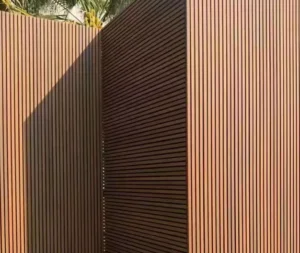
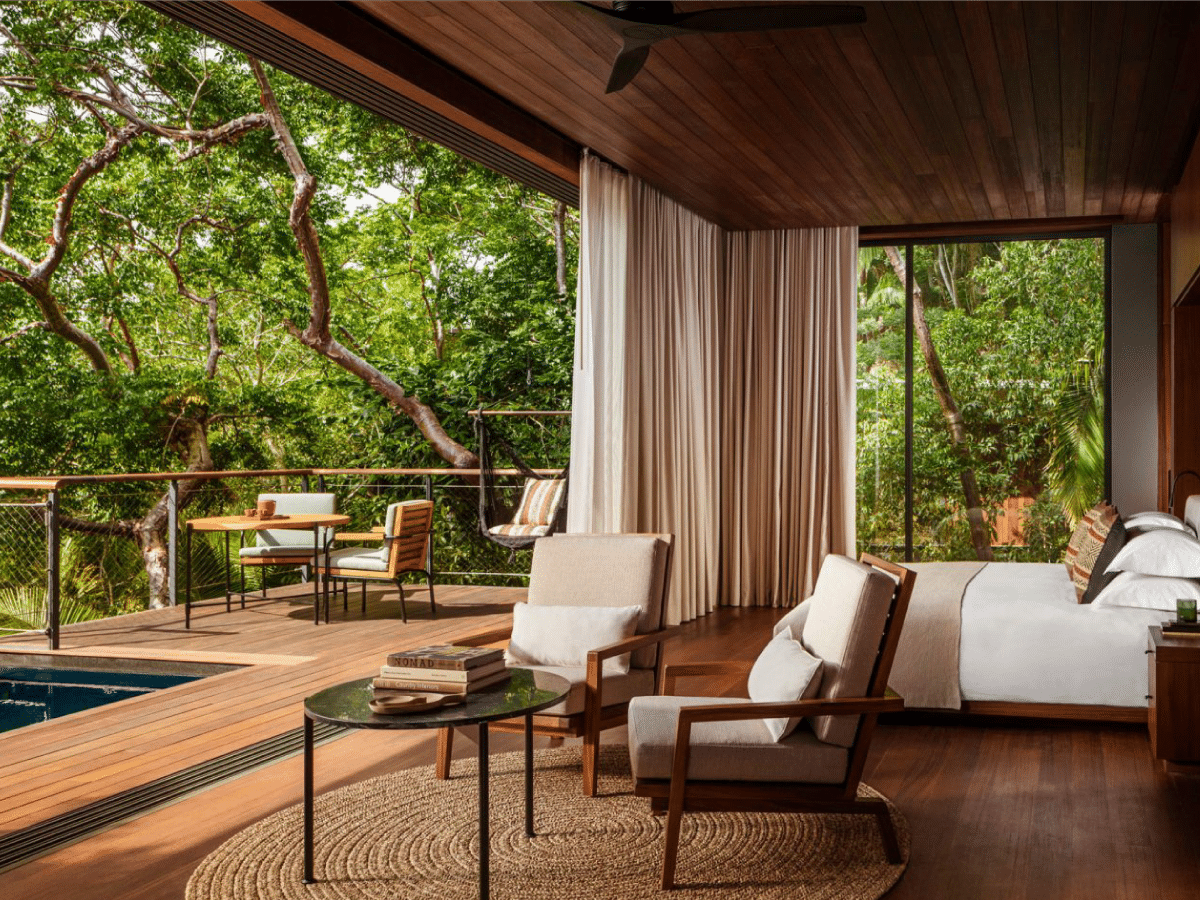
Cumaru has a rich, elegant appearance that makes it a favorite for residential and commercial projects.
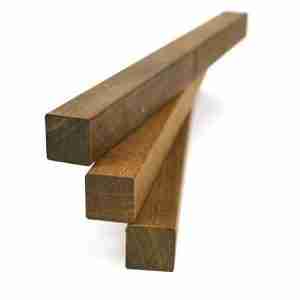
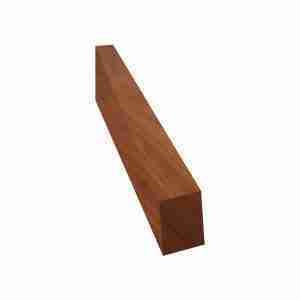
Freshly milled Cumaru typically ranges from:
- Golden brown
- Honey brown
- Medium brown
- Reddish brown
- Chocolate brown
Many boards contain attractive grain variations that create a natural, distinctive look.
The grain is usually interlocked with a medium to coarse texture, giving the wood a luxurious appearance once finished.
Like many tropical hardwoods, Cumaru gradually weathers to a silver-gray patina if left untreated outdoors.
Where Does Cumaru Wood Grow?
Cumaru trees thrive in tropical rainforests where warm temperatures and abundant rainfall create ideal growing conditions.
The largest commercial supplies come from:
- Brazil
- Peru
- Bolivia
- Colombia
- Venezuela
Responsible suppliers source Cumaru from legally harvested forests that follow sustainable forestry practices.
How Hard Is Cumaru Wood?
One of Cumaru’s biggest advantages is its exceptional hardness.
On the Janka Hardness Scale, Cumaru has a rating of approximately 3,330 pounds-force (lbf).
This makes it significantly harder than many commonly used woods.
| Wood Species | Janka Hardness |
| Eastern White Pine | 380 |
| Western Red Cedar | 350 |
| Redwood | 450 |
| White Oak | 1,360 |
| Teak | 1,070 |
| Cumaru | 3,330 |
| Ipe | 3,680 |
Its high density makes Cumaru highly resistant to:
- Scratches
- Dents
- Heavy foot traffic
- Wear and tear
This is one reason it is commonly used in public spaces and commercial decking.
Is Cumaru Wood Durable?
Yes. Cumaru is one of the most durable hardwoods available.
When properly installed and maintained, it can last 40 to 75 years or more, depending on the application and environmental conditions.
Its natural oils provide excellent protection against:
- Moisture
- Rot
- Decay
- Fungal growth
- Insects
- Termites
Unlike pressure-treated lumber, Cumaru achieves this durability naturally without chemical preservatives.
Is Cumaru Good for Outdoor Use?
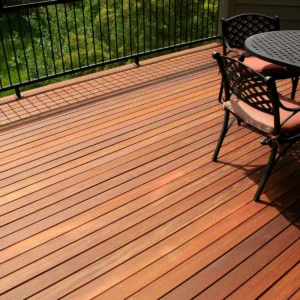
Absolutely.
Cumaru performs exceptionally well outdoors because it tolerates:
- Heavy rain
- Intense sunlight
- Snow
- Ice
- Humid climates
- Coastal environments
- Freeze-thaw cycles
Its stability makes it suitable for nearly every exterior project.
Common Uses of Cumaru Wood
Because of its strength and beauty, Cumaru is used in many residential and commercial applications.
Popular uses include:
- Decking
- Porch flooring
- Boardwalks
- Pool decks
- Docks
- Marinas
- Outdoor staircases
- Fencing
- Privacy screens
- Pergolas
- Gazebos
- Exterior siding
- Outdoor furniture
- Heavy timber construction
- Bridges
- Park structures
Its combination of durability and appearance makes it one of the most versatile tropical hardwoods.
Is Cumaru Naturally Resistant to Insects?
Yes. Cumaru contains natural oils that make it highly resistant to:
- Termites
- Carpenter ants
- Wood-boring insects
- Decay fungi
This natural protection reduces maintenance and helps extend the wood’s lifespan.
Does Cumaru Resist Fire?
Cumaru has excellent fire resistance due to its density.
It typically achieves a Class A flame spread rating, the same rating given to many non-combustible building materials when installed according to applicable standards.
This makes it an attractive option for projects where fire performance is an important consideration.
Advantages of Cumaru Wood
Cumaru offers many benefits that make it a premium building material.
Some of its biggest advantages include:
- Exceptional strength
- Long lifespan
- Beautiful natural appearance
- Excellent weather resistance
- High resistance to insects
- High resistance to rot
- Excellent wear resistance
- Low long-term maintenance
- Suitable for residential and commercial projects
- Naturally durable without chemical treatments
These qualities make Cumaru a smart long-term investment.
Does Cumaru Need Maintenance?
Like all natural hardwoods, Cumaru benefits from routine care.
Basic maintenance includes:
- Sweeping away leaves and debris
- Washing the surface periodically with water
- Removing dirt before it builds up
- Keeping drainage areas clear
To maintain the original brown color, apply a UV-protective hardwood oil as recommended by the manufacturer.
Without oiling, Cumaru will gradually develop a natural silver-gray patina. This change is cosmetic and does not reduce the wood’s structural performance.
Does Cumaru Splinter?
When installed and maintained properly, Cumaru generally provides a smooth, comfortable surface.
Because it is very dense and stable, it tends to resist excessive splintering compared to many softwoods.
Routine cleaning and refinishing, when needed, help keep the surface in excellent condition.
Cumaru vs. Ipe
Cumaru and Ipe are two of the most popular tropical hardwoods for decking.
Cumaru
- Slightly lighter in color
- Very hard and durable
- Excellent value
- Attractive grain variation
- Darker appearance
- Slightly harder on the Janka scale
- Extremely durable
- Often considered the premium benchmark for hardwood decking
Both species perform exceptionally well outdoors, and the best choice often depends on your preferred appearance, availability, and budget.
Cumaru vs. Cedar
Compared with cedar, Cumaru offers:
- Much greater hardness
- Better scratch resistance
- Longer lifespan
- Better resistance to heavy traffic
- Higher density
- Less susceptibility to dents
Cedar remains a popular choice because it is lightweight, easier to work with, and generally less expensive, but it requires more frequent maintenance and typically has a shorter service life.
Is Cumaru an Environmentally Friendly Choice?
Cumaru can be an environmentally responsible option when it comes from sustainably managed forests.
When purchasing Cumaru, look for suppliers that provide legally harvested wood and can document responsible sourcing practices.
Choosing sustainably harvested hardwood helps support forest conservation while providing a durable building material that can last for decades.
How to Install Cumaru Decking
Proper installation is essential for long-lasting performance.
Best practices include:
- Allow the wood to acclimate before installation.
- Use stainless steel fasteners or approved hidden fastening systems.
- Pre-drill pilot holes when face fastening.
- Leave appropriate spacing between boards for drainage and seasonal movement.
- Follow the manufacturer’s installation recommendations.
Professional installation can help maximize the lifespan and appearance of your deck.
Is Cumaru Worth the Investment?
Although Cumaru may have a higher upfront cost than many softwoods, its durability often results in lower lifetime maintenance and replacement costs.
For homeowners and builders planning a long-term outdoor project, Cumaru offers excellent value through its combination of beauty, strength, and longevity.
FAQs About Cumaru Wood
Is Cumaru wood slippery when wet?
Cumaru has good natural slip resistance, especially when installed with a grooved or textured surface. Regular cleaning helps prevent algae and debris from making it slippery.
Can Cumaru wood be used around swimming pools?
Yes. Cumaru is an excellent choice for pool decks because it is durable, resistant to moisture and insects, and stays structurally stable in outdoor environments.
Does Cumaru wood require sealing?
Sealing is not required for durability, but applying a UV-protective hardwood oil can help preserve its rich brown color and slow the natural weathering process.
Can Cumaru wood be painted or stained?
Yes. While many homeowners prefer its natural appearance, Cumaru can be stained with products designed for dense hardwoods. Painting is generally not recommended because it can peel over time.
Is Cumaru wood suitable for indoor flooring?
Yes. Thanks to its hardness and attractive grain, Cumaru is also used for hardwood flooring, stair treads, and other interior applications where high durability is desired.
How does Cumaru perform in coastal environments?
Cumaru performs well in coastal areas because it naturally resists moisture, decay, and insects. It is commonly used for docks, boardwalks, and waterfront decks.
Does Cumaru wood expand and contract with the weather?
Like all natural wood, Cumaru experiences some seasonal movement due to changes in temperature and humidity. Proper installation and spacing help minimize these effects.
Is Cumaru wood safe for pets and children?
Yes. When properly installed and maintained, Cumaru provides a durable, smooth surface that is suitable for families with children and pets.
What Is Cumaru Wood Used For?
Cumaru wood is commonly used for decking, docks, boardwalks, siding, fencing, pergolas, outdoor furniture, and other demanding outdoor projects because of its exceptional durability and weather resistance.
Why is Cumaru called Brazilian Teak?
Cumaru is often called Brazilian Teak because of its similar appearance, durability, and weather resistance. However, it is not a true teak species and comes from the Dipteryx genus rather than the teak tree.
Conclusion
Cumaru wood is one of the best tropical hardwoods available for outdoor construction. Its outstanding durability, natural resistance to insects and decay, attractive appearance, and long service life make it an excellent choice for decks, docks, siding, fencing, and many other exterior applications.
Whether you’re upgrading your backyard or designing a large commercial project, Cumaru provides a premium combination of performance and aesthetics. By purchasing responsibly sourced material and following proper installation and maintenance practices, you can enjoy a beautiful hardwood surface that lasts for decades.
We can mill customs sizes
Premium decking