

 Free Shipping
*Applies to Ipe & Cumaru short length orders from 3–5 ft. Minimum purchase of $2,500 required. U.S. mainland only. Other conditions may apply.



15 Termite Resistant Wood Species for Outdoor Projects
Best Sellers
Posted on August 17, 2026 at 3:56 am
Table of Content
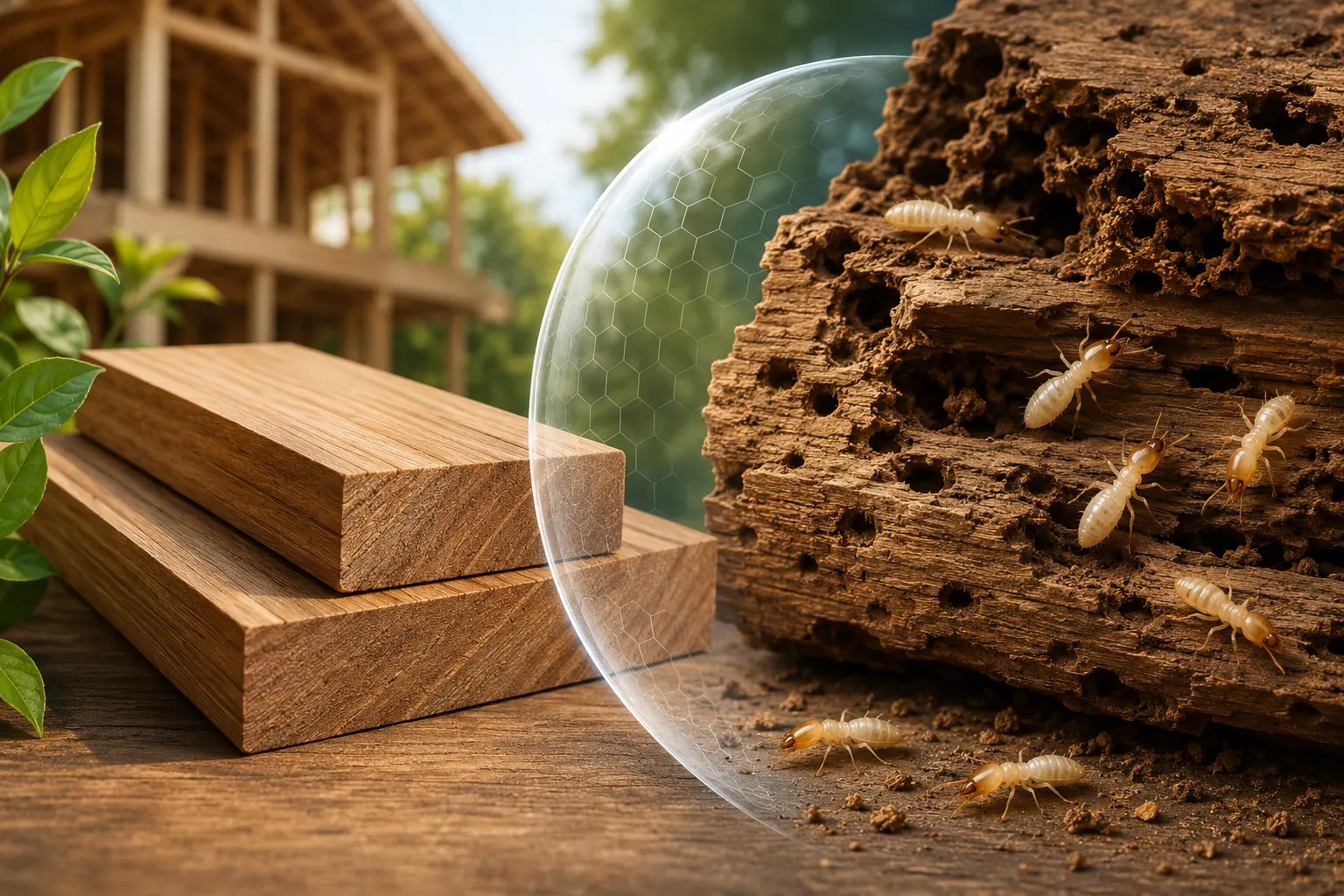
If you are building a deck, fence, pergola, outdoor furniture, or any other exterior structure, choosing the right wood is one of the most important decisions you can make. Outdoor wood faces constant exposure to moisture, sunlight, insects, and changing weather. Among these threats, termites are one of the most damaging because they feed on wood and can weaken a structure over time.
While no wood is completely termite proof, some wood species naturally resist termites much better than others. These woods contain natural oils, dense fibers, or chemical compounds that make them less attractive to termites. Choosing termite resistant wood can increase the life of your outdoor project and reduce maintenance costs.
In this guide, you will learn about 15 termite resistant wood species, their benefits, common uses, and why they are popular for outdoor construction.
Why Choose Termite Resistant Wood?
Termites can cause serious damage before you even notice they are present. Replacing damaged decks, fences, or outdoor furniture can be expensive. Using termite resistant wood offers several benefits:
- Longer lifespan
- Better resistance to insects
- Lower maintenance
- Improved durability
- Better value over time
Even termite resistant wood benefits from proper installation, sealing, and routine maintenance, especially in humid climates.
1. Ipe
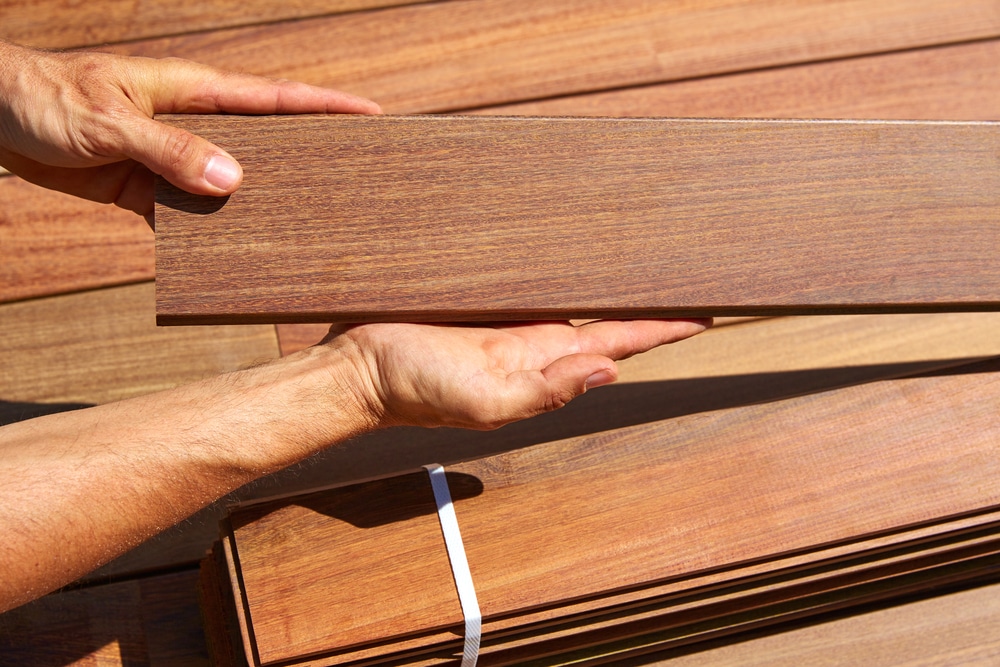
IPE Wood
Ipe, often called Brazilian Walnut, is one of the toughest hardwoods available. It is extremely dense, making it difficult for termites to penetrate. Its natural oils also help protect it from insects, decay, and moisture.
Ipe is widely used for luxury outdoor projects because it lasts for decades when properly maintained.
Best uses:
- Decking
- Boardwalks
- Docks
- Outdoor stairs
- Commercial outdoor spaces
Advantages:
- Excellent termite resistance
- Very long lifespan
- High durability
- Low maintenance
2. Cumaru
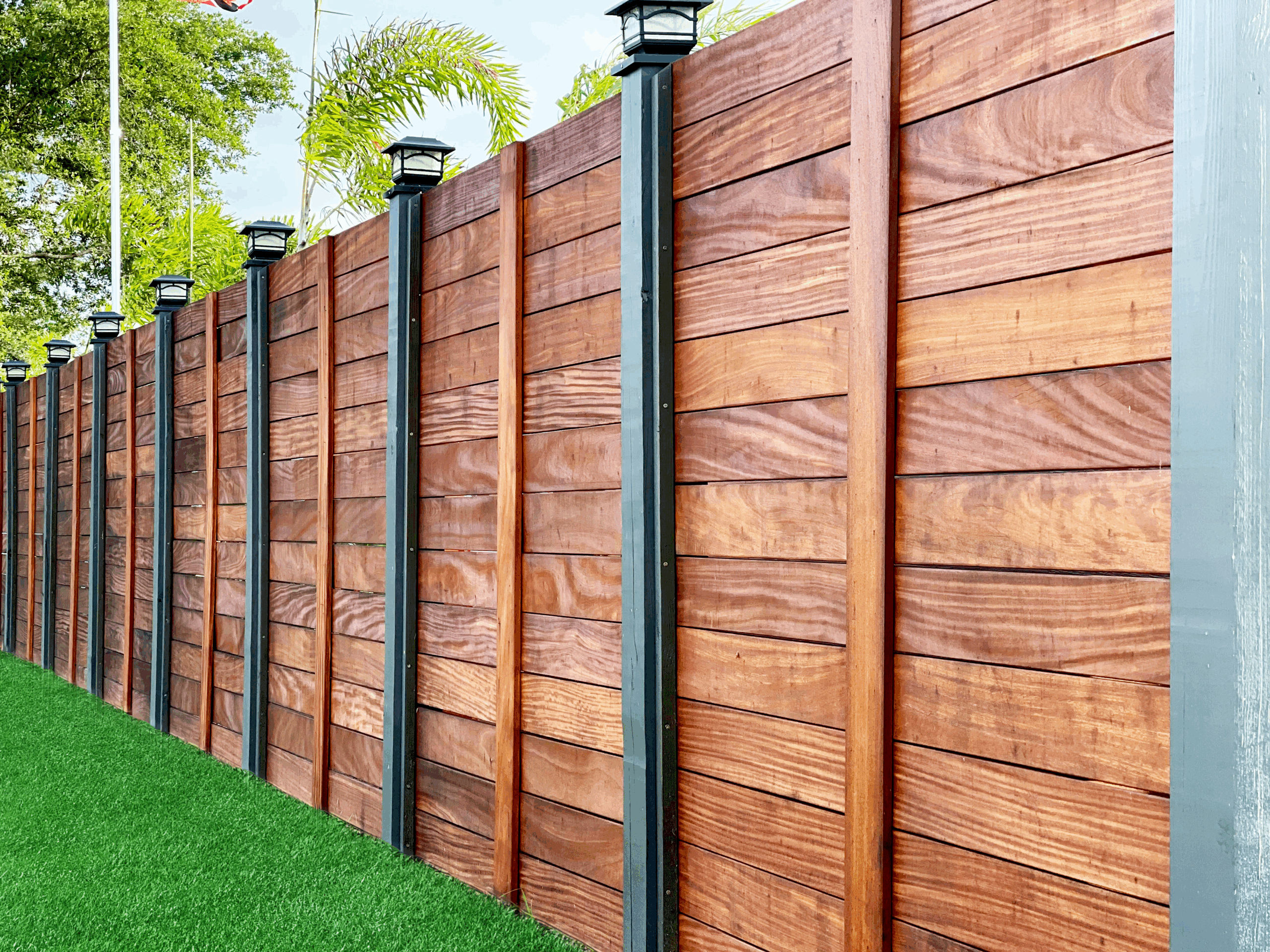
Cumaru Fencing
Cumaru is another tropical hardwood known for its exceptional strength. Sometimes called Brazilian Teak, it has a dense grain and natural resistance to termites and fungal decay.
Cumaru provides a similar appearance to Ipe but often comes at a lower price.
Best uses:
- Decks
- Pergolas
- Fencing
- Outdoor furniture
Advantages:
- Strong termite resistance
- High hardness
- Attractive golden brown color
- Excellent weather resistance
Also Read: [Best Hardwood For Fencing]
3. Teak
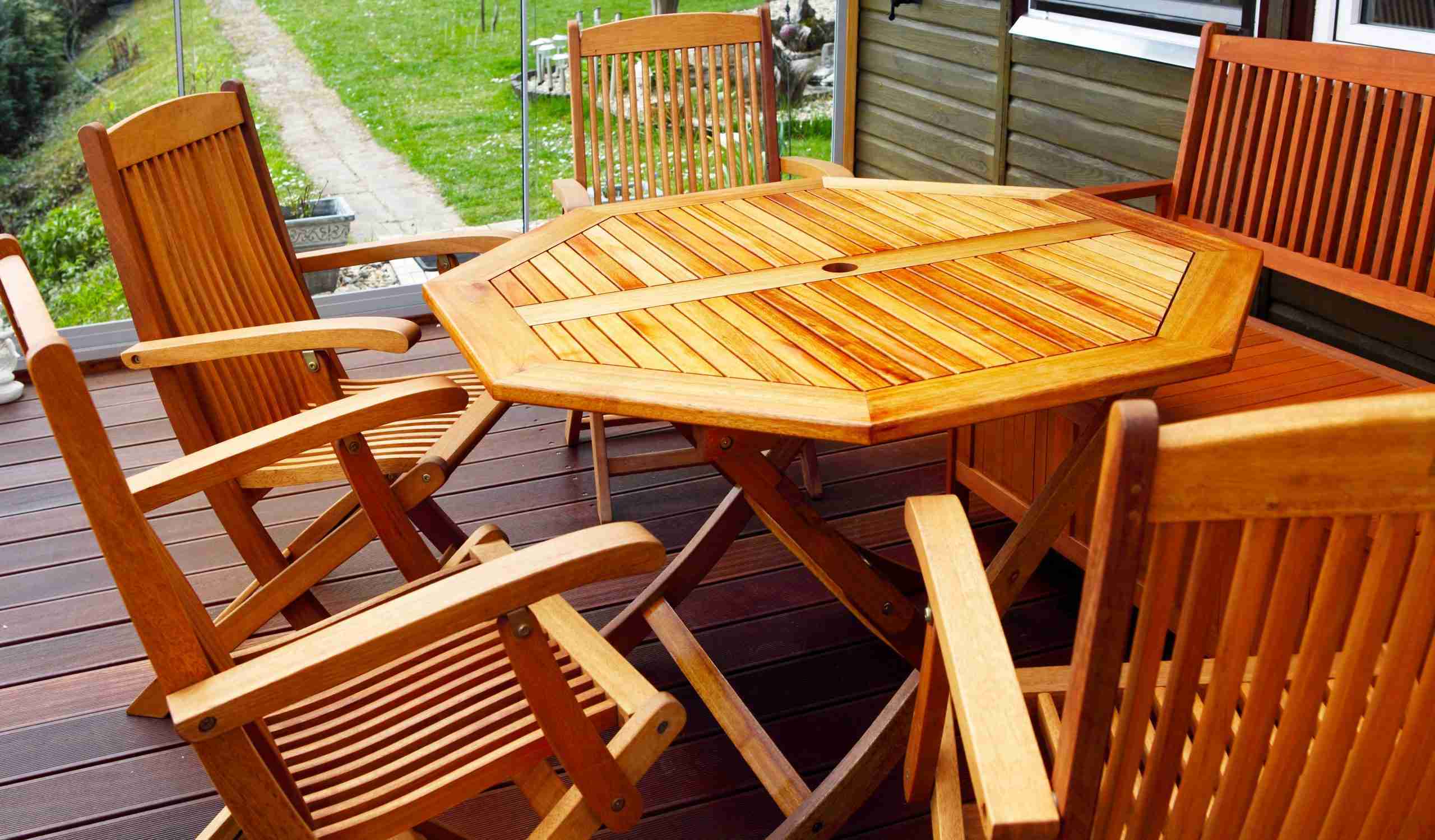
Water Resistant Teak Furniture
Teak has been used for centuries in boats and outdoor furniture because of its natural oils. These oils protect the wood from insects, moisture, and decay.
Teak develops a beautiful silver-gray color if left untreated, making it a favorite for outdoor furniture.
Best uses:
- Patio furniture
- Benches
- Boat decks
- Outdoor tables
Advantages:
- Naturally resistant to termites
- Low maintenance
- Stable in changing weather
- Attractive appearance
4. Cedar
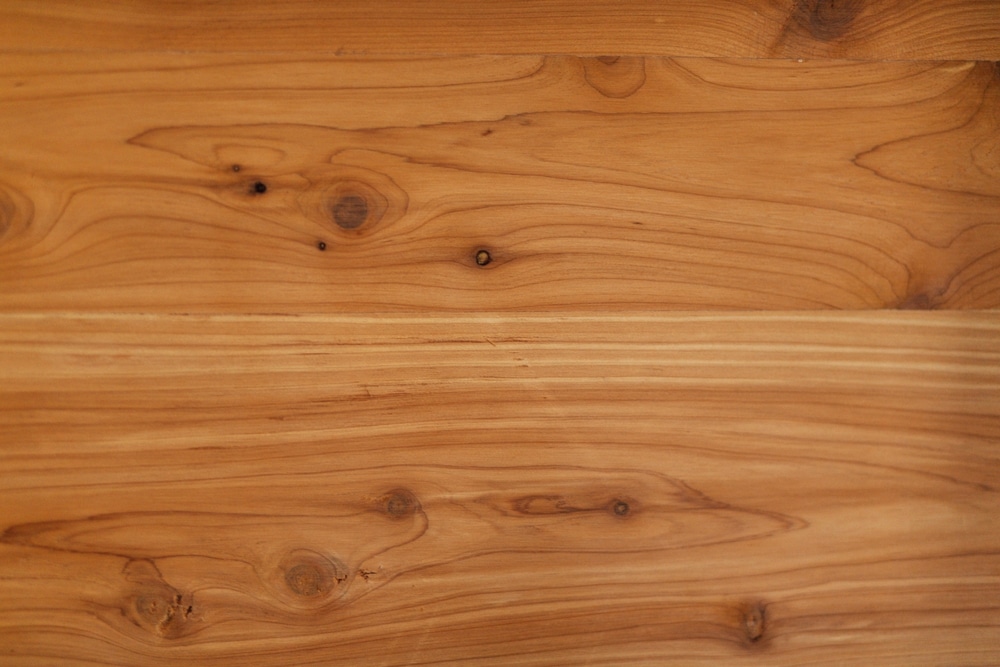
Cedar Wood
Cedar is one of the most popular softwoods for outdoor projects. Unlike many softwoods, cedar contains natural chemicals that help repel termites and other insects.
It is lightweight, easy to work with, and has a pleasant natural scent.
Best uses:
- Fences
- Pergolas
- Garden beds
- Outdoor siding
- Deck
Advantages:
- Natural insect resistance
- Easy to cut and install
- Good weather resistance
- Affordable compared to tropical hardwoods
5. Redwood
Redwood contains natural tannins that help protect it from termites and decay. It has been used for outdoor construction for many years because of its durability and attractive appearance.
Heartwood from mature redwood trees provides the highest level of natural resistance.
Best uses:
- Decking
- Fencing
- Outdoor furniture
- Gazebos
Advantages:
- Attractive color
- Good termite resistance
- Easy maintenance
- Stable in outdoor conditions
6. Cypress
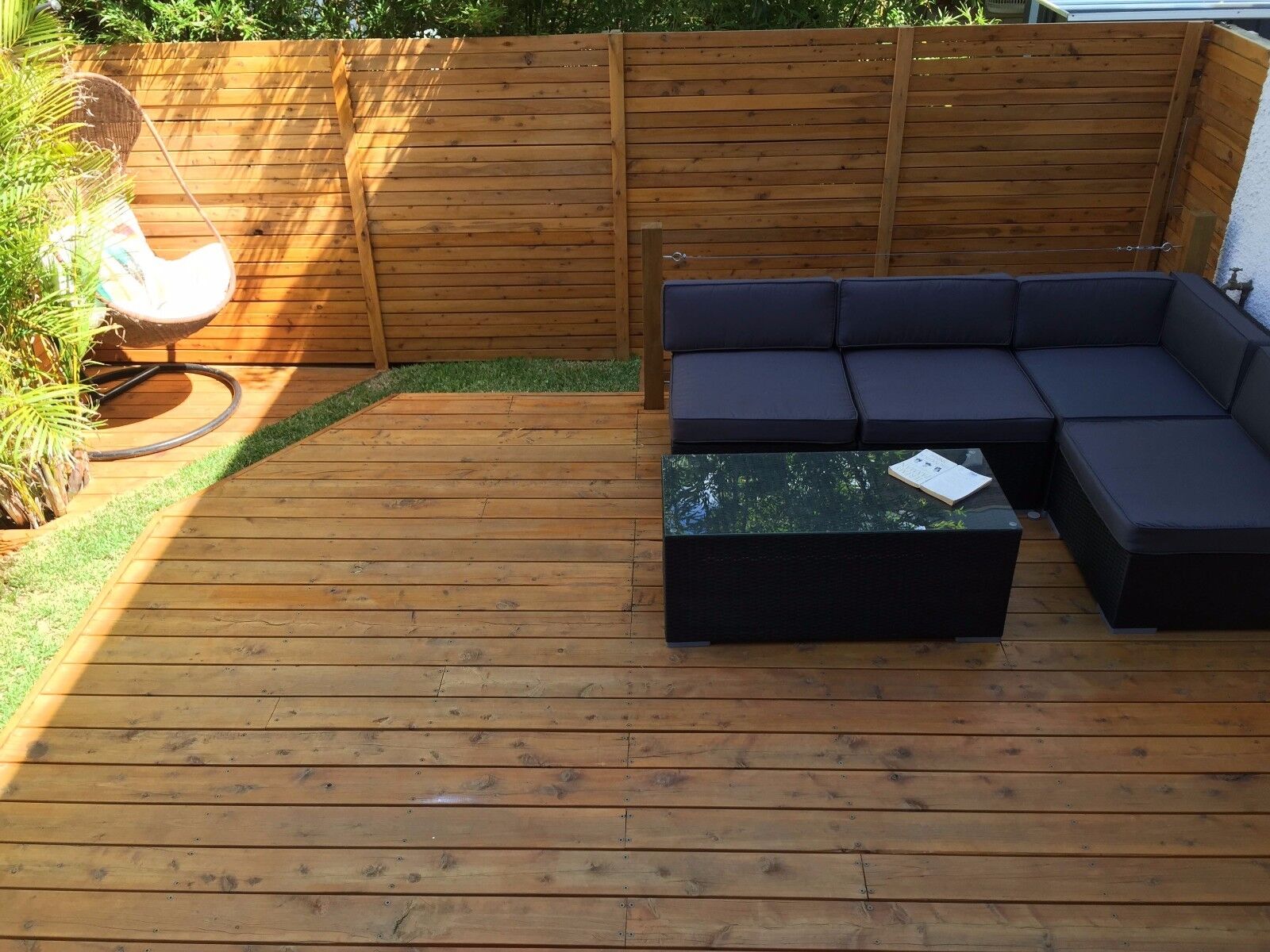
Cypress Wood Used In Outdoor Projects
Cypress naturally contains an oil called cypressene that helps resist termites and fungal growth. It performs well in humid environments and is commonly used in southern regions.
Its light color also makes it popular for modern outdoor designs.
Best uses:
- Fencing
- Exterior trim
- Decking
- Garden structures
Advantages:
- Natural insect resistance
- Moisture resistance
- Easy to work with
- Long service life
Also Read: [Does Cypress Wood Rot?]
7. Black Locust
Black Locust is one of the strongest domestic hardwoods in North America. It has excellent natural resistance to rot and termites without requiring chemical treatment.
Many experts consider it one of the longest-lasting native hardwoods.
Best uses:
- Fence posts
- Deck framing
- Outdoor structures
- Landscaping projects
Advantages:
- Outstanding durability
- Excellent termite resistance
- High strength
- Long lifespan
8. White Oak
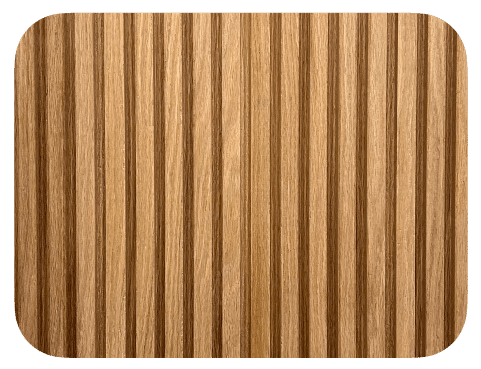
White Oak Wood Wall Panels
White Oak is known for its closed grain structure, which helps prevent moisture from entering the wood. This characteristic also improves its resistance to insects and decay.
It has been used for outdoor construction, barrels, and boat building for generations.
Best uses:
- Outdoor furniture
- Decking
- Pergolas
- Structural projects
- Wall Panels
Advantages:
- Strong and durable
- Moderate to high termite resistance
- Attractive grain
- Good moisture resistance
9. Garapa
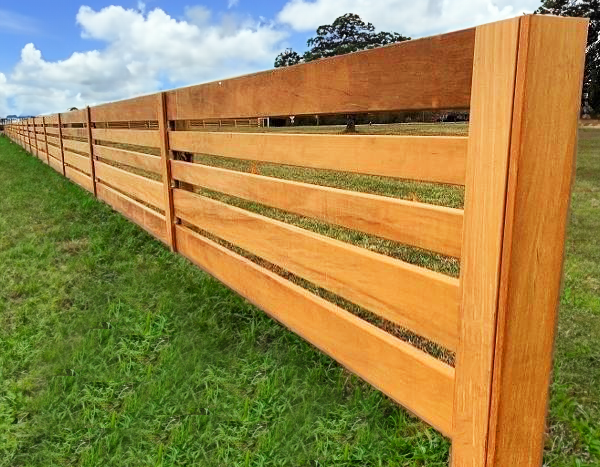
Garapa fencing
Garapa is a South American hardwood with a light golden appearance. It offers excellent durability while remaining easier to work with than some extremely dense hardwoods.
Its natural density helps reduce termite damage.
Best uses:
- Decks
- Pool surrounds
- Exterior flooring
- Outdoor seating
Advantages:
- Good termite resistance
- Smooth finish
- Attractive light color
- Long-lasting performance
10. Tigerwood
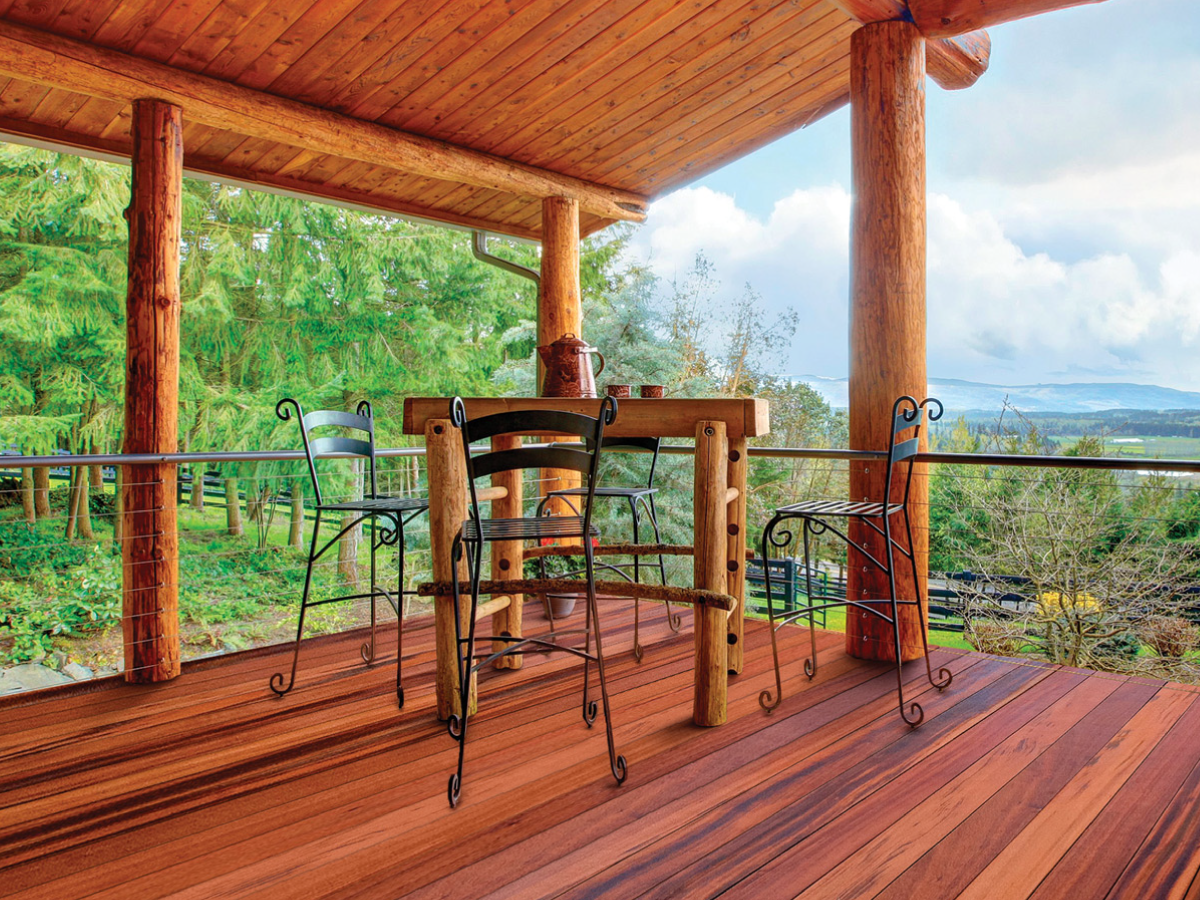
Tigerwood flooring
Tigerwood stands out because of its dramatic striped appearance. Besides its beauty, it is naturally resistant to termites, decay, and harsh weather.
It is a favorite for homeowners looking for unique outdoor designs.
Best uses:
- Decking
- Decorative outdoor features
- Railings
- Outdoor furniture
Advantages:
- Unique appearance
- High durability
- Strong insect resistance
- Excellent hardness
11. Jatoba
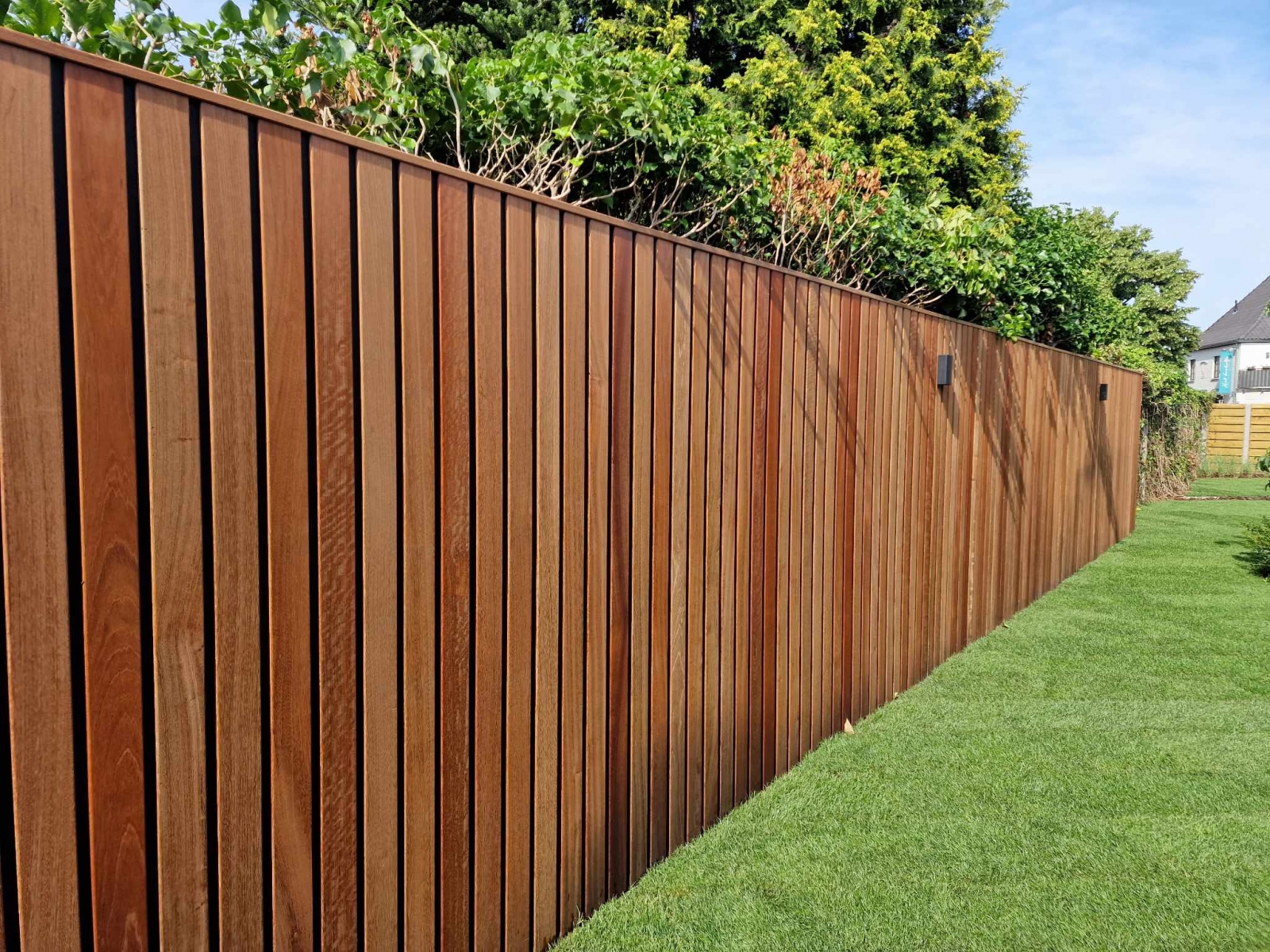
Jatoba fencing
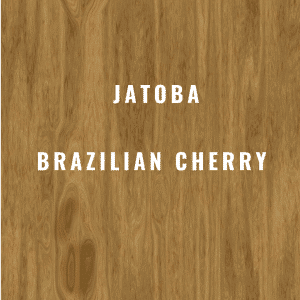
Jatoba, also called Brazilian Cherry, is one of the hardest commercial hardwoods available. Its density makes it difficult for termites to attack.
Although commonly used indoors, it also performs well outdoors when properly finished.
Best uses:
- Decks
- Outdoor flooring
- Stairs
- Heavy-duty structures
Advantages:
- Extremely hard
- Long-lasting
- Good termite resistance
- Rich natural color
12. Mahogany
Genuine Mahogany has natural resistance to termites, moisture, and decay. It is widely appreciated for its smooth grain and classic appearance.
While it requires periodic maintenance outdoors, it remains a popular premium wood choice.
Best uses:
- Outdoor furniture
- Doors
- Pergolas
- Decorative structures
Advantages:
- Elegant appearance
- Good insect resistance
- Easy to machine
- Stable wood
13. Massaranduba
Massaranduba is another dense tropical hardwood that performs exceptionally well outdoors. It is known for its strength and resistance to termites and moisture.
Because of its hardness, professional installation is often recommended.
Best uses:
- Decking
- Boardwalks
- Heavy-duty outdoor projects
- Commercial landscaping
Advantages:
- Excellent durability
- High termite resistance
- Long lifespan
- Strong structural performance
14. Jarrah
Jarrah is an Australian hardwood recognized for its rich reddish color and natural resistance to termites and decay.
It has been used in outdoor construction for many years because it performs well in demanding environments.
Best uses:
- Decks
- Outdoor stairs
- Bridges
- Garden structures
Advantages:
- Strong termite resistance
- Beautiful color
- Excellent durability
- Good weather performance
15. Accoya
Accoya is different from the other woods on this list because it is modified rather than naturally termite resistant. It undergoes a special treatment process called acetylation, which improves its resistance to insects, moisture, and decay.
Accoya is becoming increasingly popular for premium outdoor projects.
Best uses:
- Windows
- Doors
- Decking
- Exterior siding
- Outdoor furniture
Advantages:
- Excellent dimensional stability
- Very good termite resistance
- Long warranty
- Sustainable option
How to Make Outdoor Wood Last Longer
Even the most termite resistant wood needs proper care. Following a few simple maintenance steps can greatly increase its lifespan.
Keep Wood Dry
Standing water encourages decay and insect activity. Make sure decks, fences, and furniture have proper drainage and airflow.
Apply a Protective Finish
A high-quality exterior oil, stain, or sealant helps protect wood from moisture and sunlight.
Inspect Regularly
Check your outdoor structures once or twice a year for signs of termites, cracks, or moisture damage. Early detection prevents expensive repairs.
Keep Wood Away From Soil
Direct contact with soil increases the chance of termite attacks. Whenever possible, use concrete footings or metal supports.
Clean the Surface
Remove dirt, leaves, and debris regularly to prevent moisture buildup and mold growth.
Natural Resistance vs Pressure Treated Wood
Many homeowners wonder whether they should choose naturally termite resistant wood or pressure treated lumber.
Naturally resistant wood contains oils, chemicals, or dense fibers that discourage termites without chemical treatment. These woods are often more attractive and can last for decades.
Pressure treated wood has preservatives forced deep into the wood to improve resistance against insects and decay. It is usually more affordable but may require more maintenance over time.
For premium outdoor projects where appearance and longevity matter, natural hardwoods are often the preferred choice.
Which Wood Is Best for Your Project?
The best wood depends on your budget, climate, and project.
- Best overall: Ipe
- Best value tropical hardwood: Cumaru
- Best premium furniture wood: Teak
- Best affordable option: Cedar
- Best for fences: Cypress
- Best domestic hardwood: Black Locust
- Best modified wood: Accoya
Choosing the right material at the beginning can save you money on repairs and replacement in the future.
FAQs
What wood is most resistant to termites?
Ipe is widely considered one of the most termite resistant wood species because of its exceptional density and natural oils.
Is cedar naturally termite resistant?
Yes. Cedar contains natural compounds that help repel termites and many other wood-damaging insects.
Can termites damage teak wood?
Termites are much less likely to attack teak because its natural oils make it an unattractive food source, although no wood is completely immune.
Is pressure treated wood better than naturally termite resistant wood?
Pressure treated wood offers good protection, but naturally resistant hardwoods often provide better appearance, durability, and longevity.
Which termite resistant wood is best for decking?
Ipe, Cumaru, Garapa, Tigerwood, and Massaranduba are excellent choices for outdoor decking.
Does sealing wood prevent termites?
Sealing helps protect wood from moisture, but it does not completely prevent termite attacks. Regular inspections are still important.
Is redwood suitable for outdoor furniture?
Yes. Redwood is durable, attractive, and naturally resistant to termites and decay, making it a popular choice for outdoor furniture.
What is the most affordable termite resistant wood?
Cedar and Cypress are generally among the most affordable naturally termite resistant wood options.
Does termite resistant wood require maintenance?
Yes. Cleaning, sealing, and routine inspections help maximize the lifespan of termite resistant wood.
Which wood lasts the longest outdoors?
Ipe, Teak, Cumaru, and Black Locust are among the longest-lasting wood species for outdoor projects when properly maintained.
Conclusion
Selecting termite resistant wood is one of the smartest investments you can make for any outdoor project. While no wood is completely immune to termites, species such as Ipe, Cumaru, Teak, Cedar, Redwood, Cypress, Black Locust, White Oak, Garapa, Tigerwood, Jatoba, Mahogany, Massaranduba, Jarrah, and Accoya offer excellent natural or enhanced resistance.
Each wood has its own strengths, appearance, and price range, making it suitable for different applications. Dense tropical hardwoods provide outstanding durability, while domestic options like Cedar, Cypress, and Black Locust offer excellent performance at varying budgets.
With proper installation, routine inspections, and regular maintenance, these wood species can provide beautiful, durable, and long-lasting outdoor spaces for many years. Investing in quality termite resistant wood today helps protect your project from costly insect damage and ensures it remains strong, safe, and attractive well into the future.
We can mill customs sizes
Premium decking