

 Free Shipping
*Applies to Ipe & Cumaru short length orders from 3–5 ft. Minimum purchase of $2,500 required. U.S. mainland only. Other conditions may apply.



What Is Cladding? Types, Benefits, and Applications
Best Sellers
Posted on August 4, 2026 at 11:56 am
Table of Content
Cladding is one of the most important elements used in modern construction. It improves the appearance of buildings, protects structures from weather conditions, and helps increase durability. Whether it is a residential home, commercial office, industrial building, or public infrastructure project, cladding plays a significant role in both design and performance.
Many people see attractive building exteriors but may not realize that the outer layer is often made of cladding materials. These materials are installed on the exterior or interior surfaces of buildings to provide protection and enhance visual appeal.
In recent years, cladding has become increasingly popular because architects and builders are looking for solutions that combine functionality with aesthetics. With many material options available, cladding can be customized to meet different architectural styles, budgets, and environmental requirements.
This article explains what cladding is, the different types of cladding, its benefits, and its various applications in construction.
What Is Cladding?
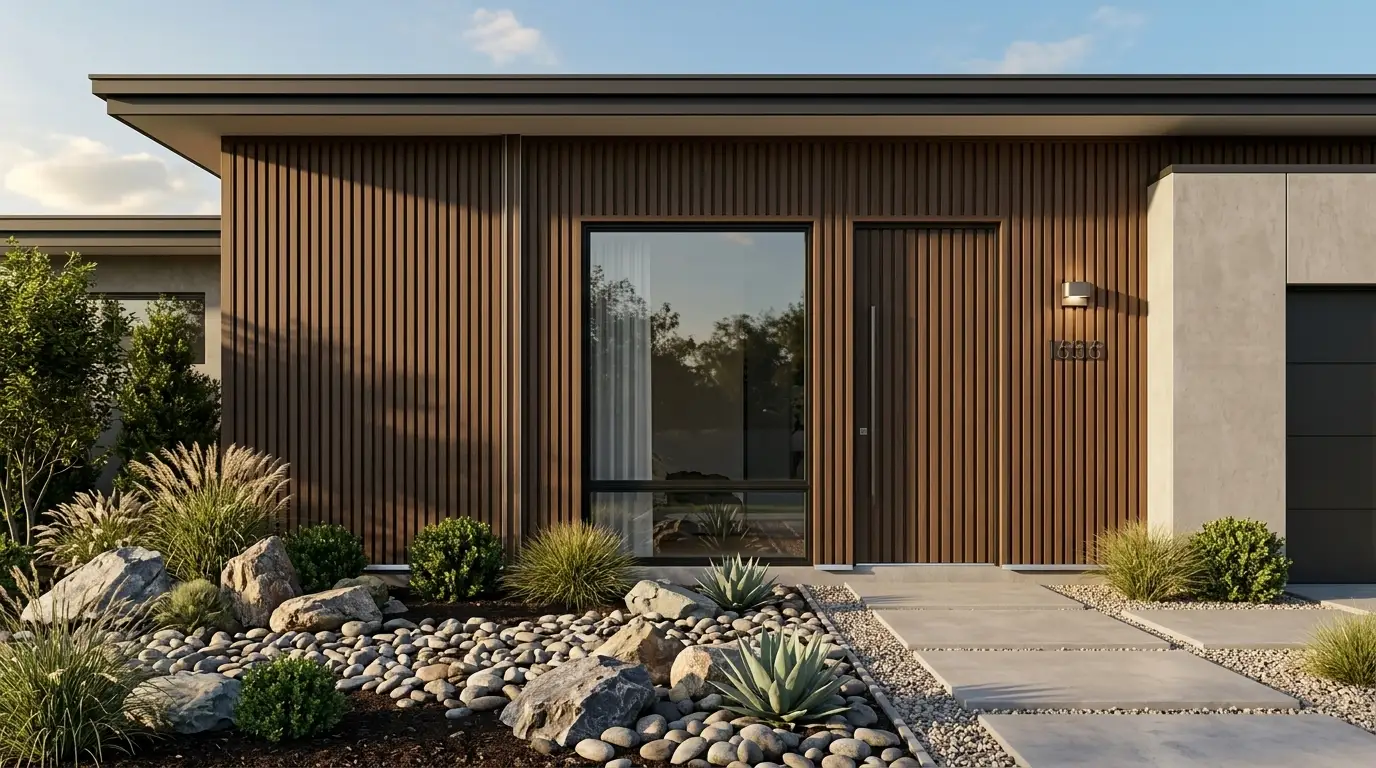
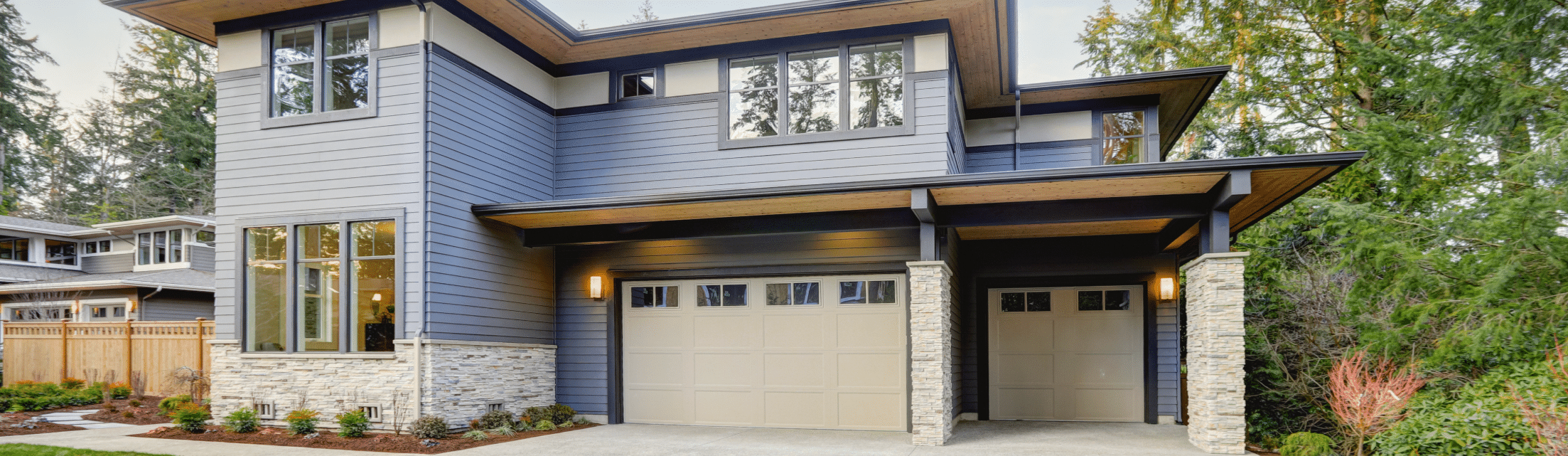
Cladding is a layer of material that is attached to the exterior or interior surface of a building. It acts as a protective covering that shields the structure from environmental elements such as rain, wind, sunlight, and temperature changes.
Cladding is not usually a structural part of the building. Instead, it serves as an additional layer that enhances protection and appearance. It can be installed over walls, roofs, columns, and other building components.
The main purpose of cladding is to create a barrier between the building structure and external conditions. At the same time, it improves the overall look of the property and can also contribute to energy efficiency.
Cladding materials are available in many forms, including metal, wood, stone, brick, vinyl, fiber cement, and composite materials. The choice depends on factors such as cost, design requirements, maintenance needs, and environmental conditions.
How Cladding Works
Cladding works by creating an outer protective layer around a building. This layer absorbs the effects of weather and environmental exposure instead of allowing them to directly impact the structural walls.
In many systems, a gap is left between the building wall and the cladding material. This gap helps with ventilation and moisture management. Any water that enters the cladding system can drain away instead of causing damage to the building structure.
Cladding can also improve thermal performance by reducing heat transfer. Some cladding systems include insulation materials that help maintain indoor temperatures and reduce energy consumption.
By protecting the building from moisture, temperature changes, and pollution, cladding helps extend the life of the structure.
Types of Cladding
There are several types of cladding used in construction. Each type offers unique advantages and is suitable for different applications.
Metal Cladding
Metal cladding is one of the most widely used options in commercial and industrial construction. It is commonly made from aluminum, steel, zinc, or copper.
Metal cladding provides excellent durability and resistance to harsh weather conditions. It is lightweight compared to many traditional materials and can be installed quickly.
Advantages of metal cladding include:
- High durability
- Low maintenance
- Modern appearance
- Fire resistance
- Long service life
Metal cladding is often used in office buildings, factories, warehouses, and modern residential projects.
Wood Cladding
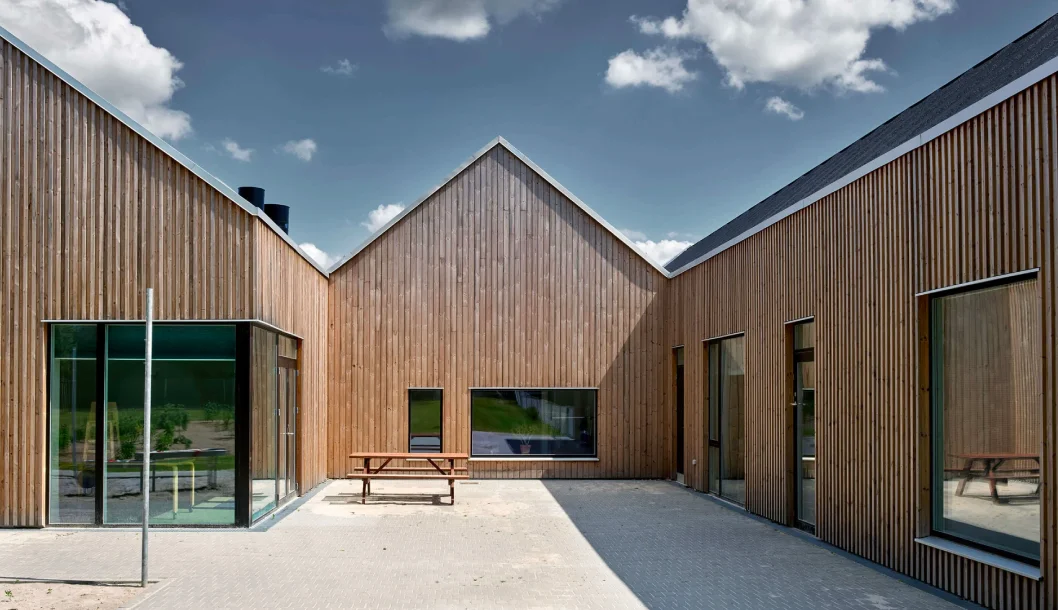
Wood cladding offers a natural and warm appearance that many homeowners and designers prefer. It is commonly made from cedar, pine, oak, or other timber species.
Wood creates a timeless and attractive finish that blends well with natural surroundings. However, it requires regular maintenance to protect against moisture, insects, and weather damage.
Advantages of wood cladding include:
- Natural beauty
- Environmentally friendly option
- Good insulation properties
- Variety of finishes and textures
Wood cladding is commonly used in homes, resorts, cottages, and architectural projects focused on natural aesthetics.
Stone Cladding
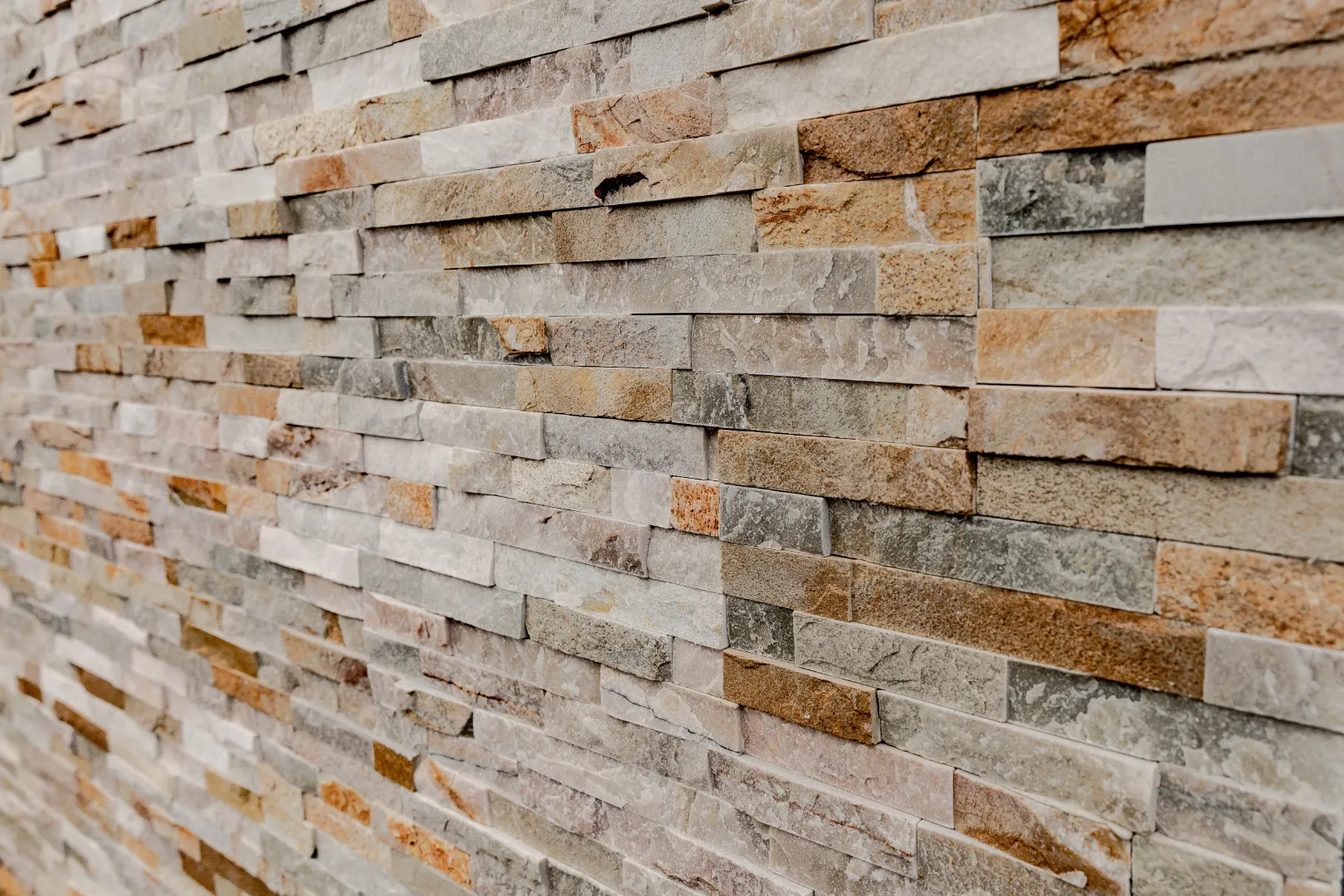
Stone cladding provides a luxurious and durable finish. It can be made from natural stone such as granite, limestone, sandstone, or slate.
Stone cladding gives buildings a premium appearance while offering excellent strength and weather resistance.
Advantages of stone cladding include:
- Elegant appearance
- Long lifespan
- Strong weather resistance
- Low maintenance
- Increased property value
Stone cladding is frequently used in residential homes, hotels, commercial buildings, and public spaces.
Brick Cladding
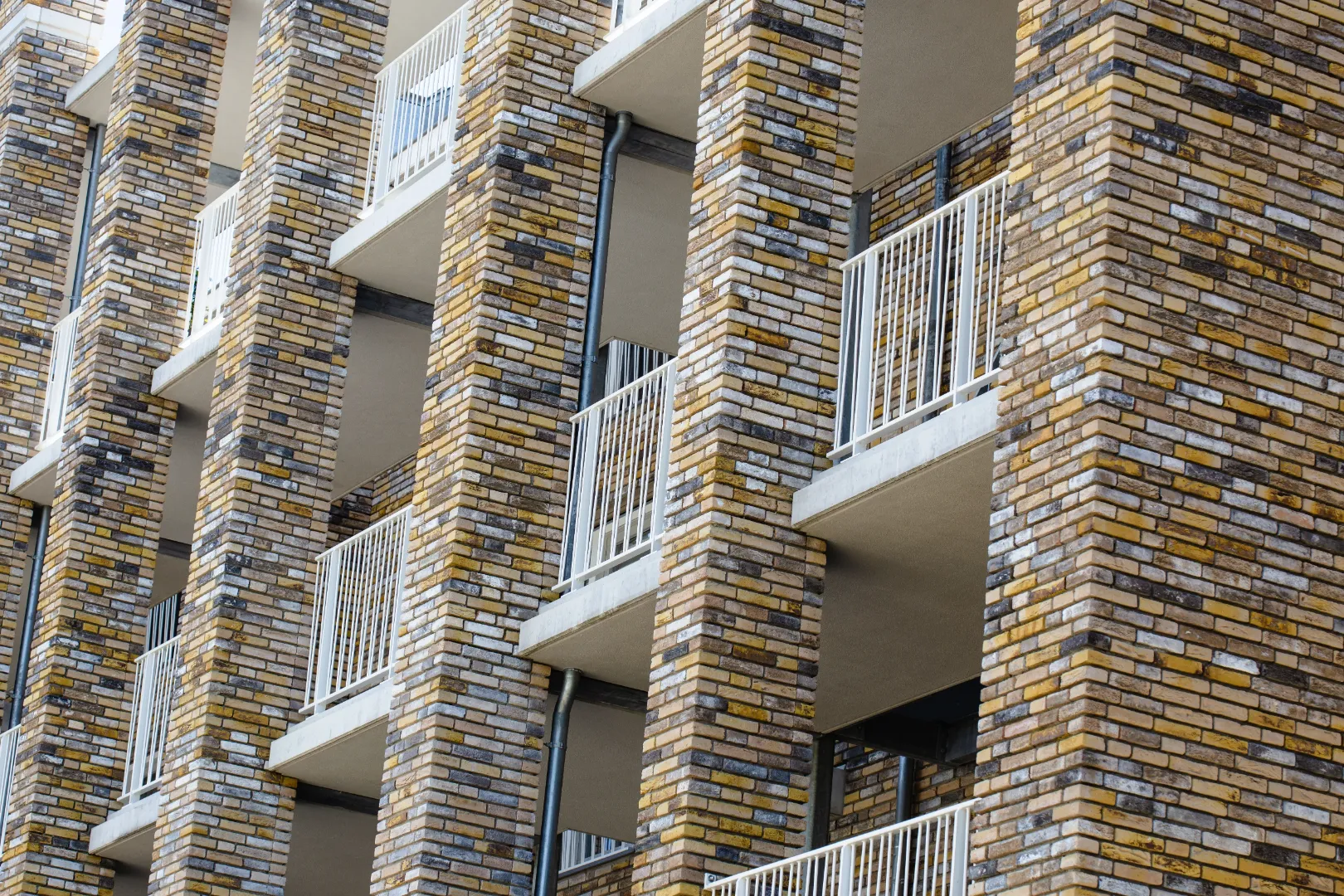
Brick cladding is designed to create the appearance of a traditional brick wall without requiring full brick construction.
It offers the classic charm of brick while reducing weight and installation costs.
Advantages of brick cladding include:
- Traditional appearance
- Durability
- Fire resistance
- Low maintenance
- Good thermal performance
Brick cladding is commonly found in residential and commercial developments.
Vinyl Cladding
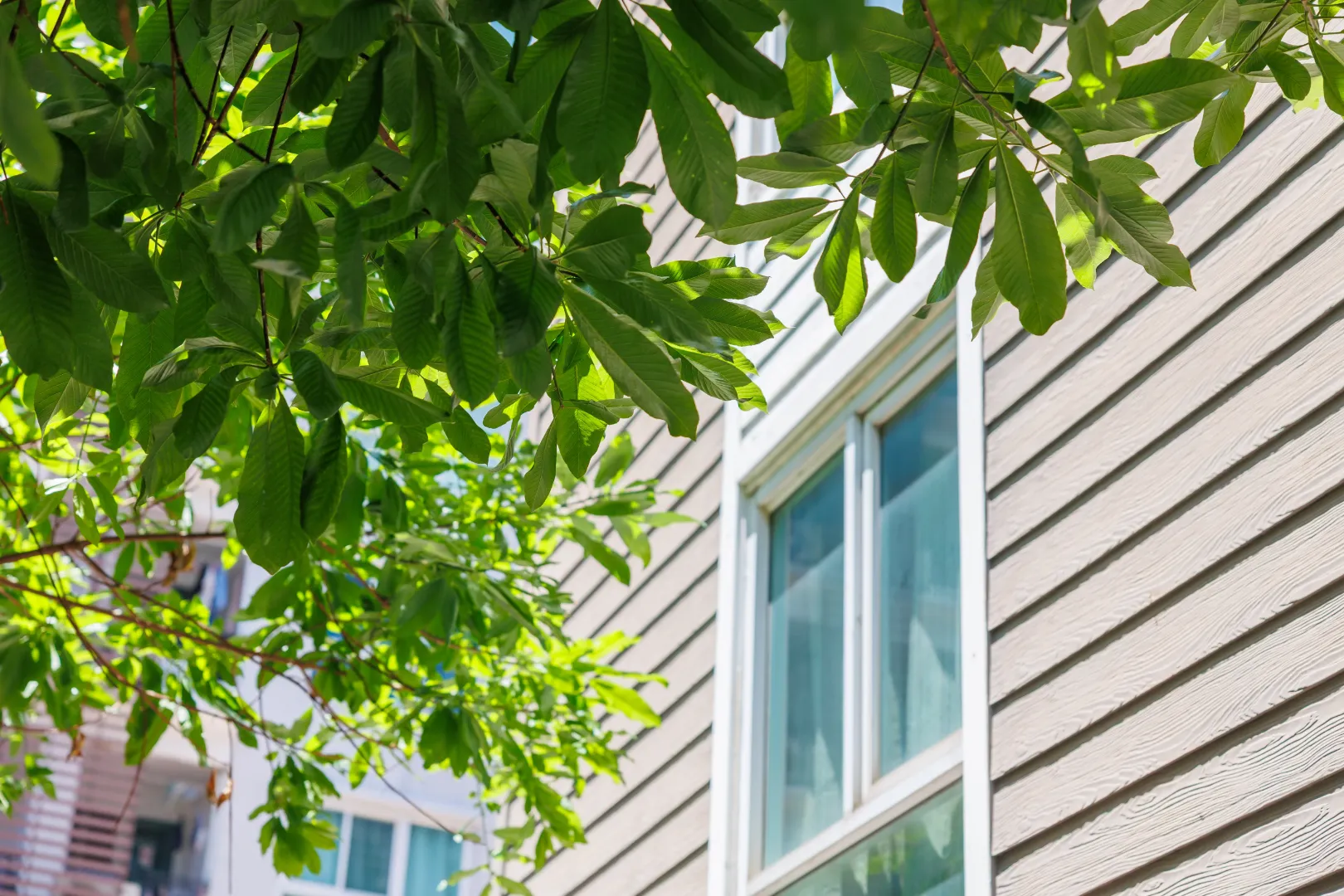
Vinyl cladding is a cost effective solution widely used in residential construction.
Made from durable plastic materials, vinyl cladding is available in various colors and textures. It requires minimal maintenance and is resistant to moisture.
Advantages of vinyl cladding include:
- Affordable cost
- Easy installation
- Low maintenance
- Moisture resistance
- Variety of styles
Vinyl cladding is popular for homes, apartments, and renovation projects.
Fiber Cement Cladding
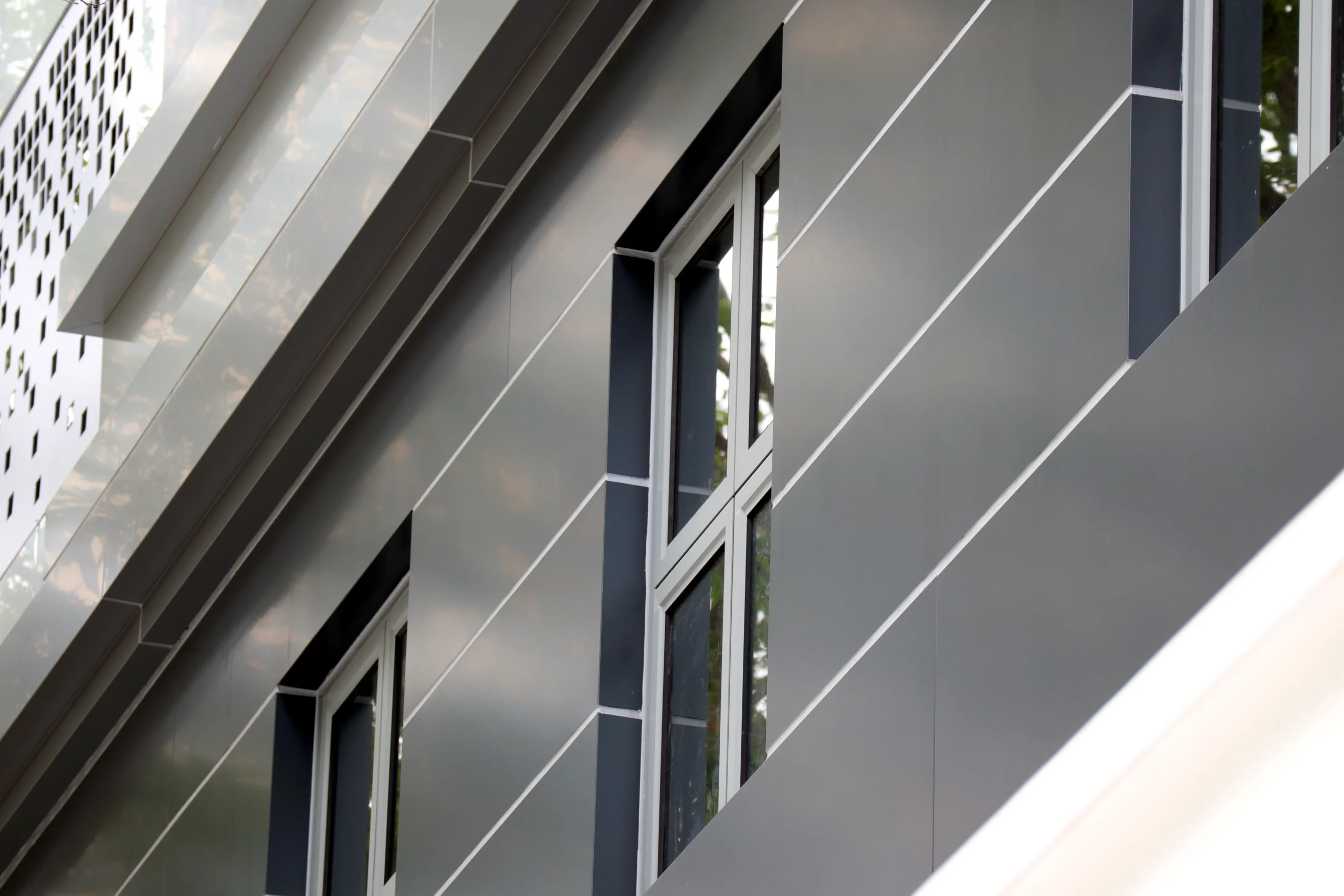
Fiber cement cladding is made from cement, sand, and cellulose fibers. It combines strength with versatility and is becoming increasingly popular in modern construction.
Advantages of fiber cement cladding include:
- High durability
- Fire resistance
- Resistance to pests
- Low maintenance
- Attractive appearance
Fiber cement cladding can imitate wood, stone, or other materials while offering superior durability.
Composite Cladding

Composite cladding is made from a combination of materials such as wood fibers and recycled plastics.
It is designed to provide the appearance of natural materials while reducing maintenance requirements.
Advantages of composite cladding include:
- Long lifespan
- Low maintenance
- Resistance to rot and insects
- Sustainable material options
- Attractive appearance
Composite cladding is commonly used in residential and commercial projects.
Glass Cladding
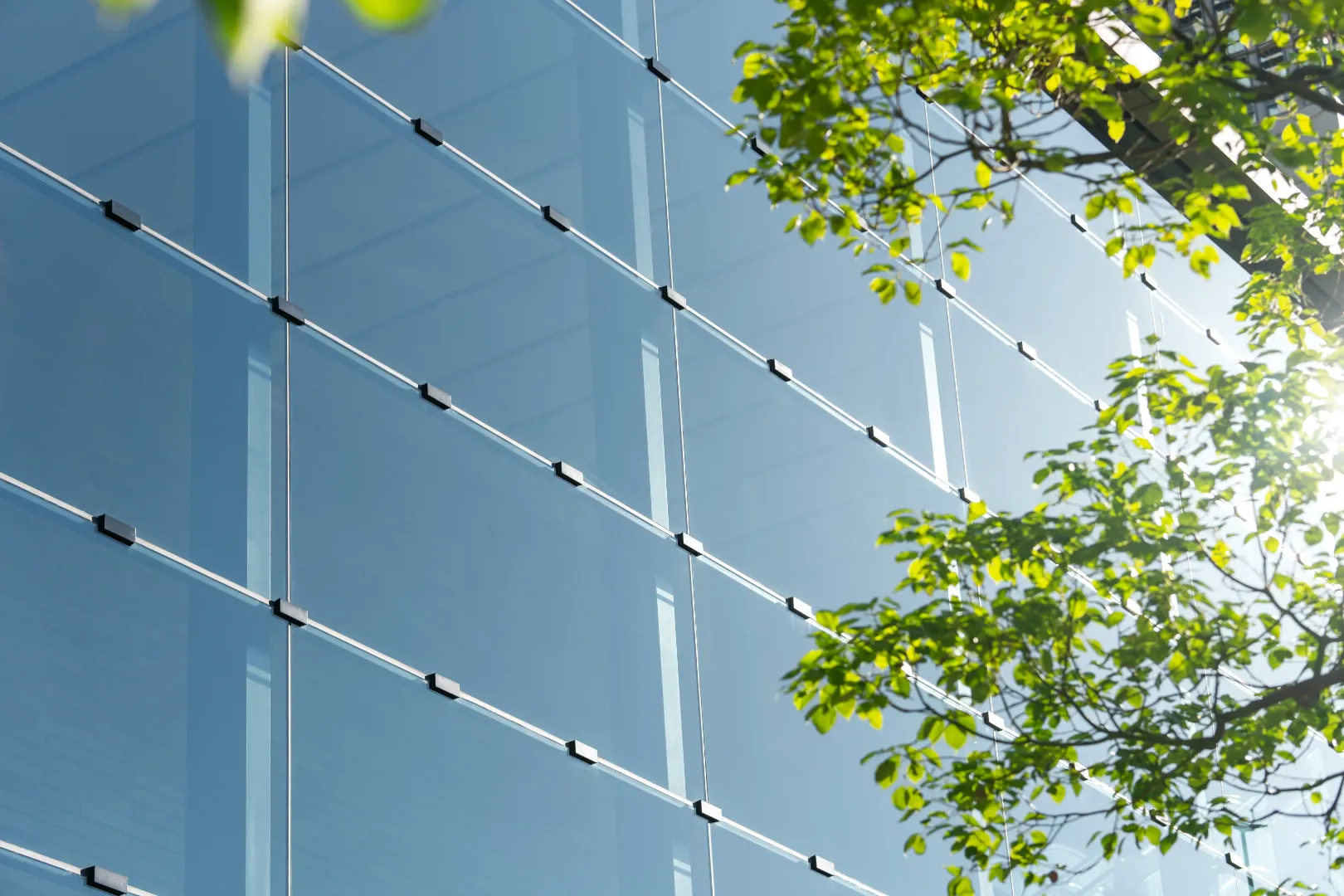
Glass cladding is often used in modern architectural designs. It creates sleek and visually striking building exteriors.
Advantages of glass cladding include:
- Modern appearance
- Natural light penetration
- Energy efficiency options
- Enhanced visual appeal
Glass cladding is widely used in office towers, shopping centers, hotels, and high rise buildings.
Benefits of Cladding
Cladding offers numerous advantages that make it a valuable investment for building owners and developers.
Enhanced Protection
One of the primary benefits of cladding is protection. It shields the building from rain, wind, sunlight, dust, and pollution.
Without proper protection, building surfaces can deteriorate over time. Cladding helps preserve the structural integrity of the property.
Improved Appearance
Cladding significantly improves the visual appeal of buildings. It allows architects and designers to create unique styles and modern facades.
With a wide range of materials, colors, and textures available, cladding can transform the appearance of any structure.
Better Insulation
Many cladding systems improve thermal insulation. They help reduce heat loss during winter and limit heat gain during summer.
As a result, indoor spaces remain more comfortable, and energy costs can be reduced.
Increased Durability
Cladding protects structural components from environmental damage. This extends the lifespan of buildings and reduces repair expenses.
Durable cladding materials can last for decades with proper maintenance.
Moisture Control
Water infiltration can cause serious structural problems. Cladding acts as a protective barrier that helps prevent moisture from reaching internal building components.
Properly designed cladding systems also allow trapped moisture to escape through ventilation.
Reduced Maintenance
Many modern cladding materials require very little maintenance. Unlike painted surfaces that need regular touch ups, cladding often retains its appearance for years.
This helps property owners save time and maintenance costs.
Fire Resistance
Certain cladding materials offer excellent fire resistant properties. Fiber cement, stone, brick, and some metal cladding systems can help improve building safety.
Fire resistant cladding is especially important in commercial and high rise structures.
Noise Reduction
Some cladding systems provide acoustic insulation by reducing external noise.
This feature is particularly useful in urban areas, near highways, airports, and industrial zones.
Environmental Benefits
Many modern cladding products are manufactured using sustainable materials or recycled content.
Energy efficient cladding systems also contribute to lower energy consumption and reduced environmental impact.
Increased Property Value
Buildings with attractive and durable cladding often have higher market value.
Improved appearance, energy efficiency, and reduced maintenance requirements make properties more appealing to buyers and investors.
Applications of Cladding
Cladding is used in a wide variety of construction projects across different industries.
Residential Buildings
Homeowners use cladding to improve the appearance and durability of their properties.
Common residential applications include:
- Exterior walls
- Facades
- Extensions
- Renovations
- Garages
Cladding helps homes achieve modern, traditional, or custom architectural styles.
Commercial Buildings
Commercial properties often use cladding to create professional and attractive appearances.
Applications include:
- Office buildings
- Retail stores
- Shopping centers
- Restaurants
- Hotels
Cladding contributes to brand image while protecting the building structure.
Industrial Buildings
Industrial facilities require durable materials that can withstand harsh environments.
Cladding is commonly used in:
- Factories
- Warehouses
- Manufacturing plants
- Distribution centers
Metal cladding is especially popular in industrial applications because of its strength and low maintenance requirements.
Educational Institutions
Schools, colleges, and universities use cladding to create safe, attractive, and durable environments.
Cladding systems help reduce maintenance costs while improving the appearance of educational facilities.
Healthcare Facilities
Hospitals and healthcare centers often require materials that are durable, hygienic, and easy to maintain.
Cladding helps create clean and professional building exteriors and interiors.
Hospitality Industry
Hotels, resorts, and recreational facilities use cladding to create visually appealing environments for guests.
Stone, wood, glass, and composite cladding materials are commonly chosen for hospitality projects.
Public Infrastructure
Government buildings, airports, railway stations, and public facilities frequently incorporate cladding systems.
The combination of durability and aesthetic appeal makes cladding ideal for high traffic public spaces.
Interior Applications
Although cladding is often associated with exterior surfaces, it is also used indoors.
Interior cladding applications include:
- Feature walls
- Reception areas
- Conference rooms
- Living rooms
- Commercial interiors
Interior cladding adds texture, character, and visual interest to spaces.
Factors to Consider When Choosing Cladding
Selecting the right cladding material requires careful evaluation of several factors.
Budget
Different materials vary significantly in cost. The total budget should include material, installation, and maintenance expenses.
Climate Conditions
Weather conditions play an important role in material selection. Areas with heavy rainfall, extreme temperatures, or coastal environments may require specific cladding solutions.
Maintenance Requirements
Some materials require regular maintenance, while others offer long term performance with minimal upkeep.
Design Preferences
The chosen cladding should match the overall architectural style and design goals of the project.
Durability
Long lasting materials often provide better value over time despite higher initial costs.
Sustainability
Many building owners prefer environmentally friendly materials that support sustainable construction practices.
Maintenance of Cladding
Regular maintenance helps preserve the appearance and functionality of cladding.
Maintenance activities may include:
- Cleaning surfaces
- Inspecting joints and fasteners
- Repairing damaged sections
- Removing dirt and debris
- Applying protective treatments when required
The maintenance frequency depends on the material type and environmental conditions.
Future Trends in Cladding
The construction industry continues to develop new cladding technologies and materials.
Some emerging trends include:
- Energy efficient cladding systems
- Smart building facades
- Sustainable and recycled materials
- Lightweight composite panels
- Advanced fire resistant solutions
- Solar integrated cladding systems
These innovations are helping create buildings that are more efficient, safer, and environmentally responsible.
What is Cladding FAQs
How long does cladding typically last?
Most cladding materials last between 20 and 50 years, depending on the material and maintenance.
Can cladding be installed on existing buildings?
Yes, cladding can be added to existing buildings to improve appearance and protection.
Is cladding waterproof?
Cladding is designed to resist water and help protect buildings from moisture damage.
Which cladding material is best for coastal areas?
Aluminum, fiber cement, and composite cladding are good choices for coastal environments.
Can cladding improve a building’s energy efficiency rating?
Yes, insulated cladding can help reduce energy consumption and improve efficiency.
Does cladding increase the resale value of a property?
Yes, quality cladding can enhance curb appeal and increase property value.
Can cladding be painted or customized?
Yes, many cladding materials can be painted or customized in different colors and finishes.
What are the signs that cladding needs replacement?
Cracks, warping, corrosion, water damage, and loose panels are common signs.
Is planning permission required for cladding installation?
It depends on local regulations and the type of building.
Can cladding help reduce condensation problems?
Yes, properly installed cladding can improve ventilation and reduce condensation.
Conclusion
Cladding is an essential component of modern construction that provides both functional and aesthetic benefits. It acts as a protective layer that shields buildings from weather, moisture, and environmental damage while enhancing appearance and durability.
There are many types of cladding available, including metal, wood, stone, brick, vinyl, fiber cement, composite, and glass. Each material offers unique advantages and can be selected based on project requirements, budget, and design preferences.
The benefits of cladding include improved protection, better insulation, enhanced appearance, increased durability, reduced maintenance, fire resistance, and higher property value. Its applications extend across residential, commercial, industrial, healthcare, educational, and public infrastructure projects.
As construction technologies continue to evolve, cladding will remain a key element in creating attractive, efficient, and long lasting buildings. Choosing the right cladding system can significantly improve both the performance and visual appeal of any structure.
Disclaimer: This content is for general information only. Consult a professional before choosing or installing cladding.
We can mill customs sizes
Premium decking