
 Free Shipping


Wood
Wood Finishing – A Complete Guide
Wood finishing is the process of protecting and improving the appearance of wood surfaces. Whether you are working on furniture, doors, cabinets, or small DIY projects, finishing is what gives wood its final look and durability. A good finish can make wood look richer, smoother, and more attractive while also protecting it from moisture, scratches, and daily wear.
This guide will help you understand wood finishing in simple terms. You will learn about different types of finishes, how to prepare wood, and step by step methods to apply finishes properly.
What is Wood Finishing
Wood finishing is the final step in woodworking. It involves applying a protective coating or treatment to wood. This coating can be clear or colored depending on the desired look.
The main purposes of wood finishing are:
- To protect wood from damage
- To enhance the natural beauty of the grain
- To add color or shine
- To increase durability
Without finishing, wood can absorb moisture, crack, stain easily, and lose its appearance over time.
Why Wood Finishing is Important
Wood is a natural material. It reacts to its environment. Changes in humidity, temperature, and usage can affect it. Finishing helps control these effects.
Here are some key benefits:
Protection from Moisture
Unfinished wood absorbs water easily. This can cause swelling or warping. A good finish seals the surface.
Resistance to Dirt and Stains
Finished wood is easier to clean. Dust and spills do not penetrate deeply.
Improved Appearance
Finishing highlights the grain patterns and natural colors of wood. It can also add shine or a matte look.
Longer Life
A properly finished piece lasts much longer and stays in good condition.
Types of Wood Finishes
There are many types of wood finishes. Each has its own use, look, and application method.
1. Oil Finishes
Oil finishes penetrate deep into the wood. They enhance the natural grain and give a warm look.
Common types:
- Linseed oil
- Tung oil
Advantages:
- Easy to apply
- Natural appearance
- Enhances grain
Disadvantages:
- Less protective than other finishes
- Requires reapplication
2. Varnish
Varnish forms a hard protective layer on the surface. It is more durable than oil finishes.
Types:
- Polyurethane varnish
- Spar varnish
Advantages:
- Strong protection
- Water resistant
- Long lasting
Disadvantages:
- Takes longer to dry
- Can look too glossy if overapplied
3. Lacquer
Lacquer dries very quickly and gives a smooth finish. It is commonly used in furniture manufacturing.
Advantages:
- Fast drying
- Smooth and shiny finish
- Easy to repair
Disadvantages:
- Requires proper ventilation
- Not very resistant to heat
4. Shellac
Shellac is a natural finish made from resin. It gives a warm tone to wood.
Advantages:
- Easy to apply
- Dries quickly
- Good for indoor use
Disadvantages:
- Not water resistant
- Sensitive to heat
5. Wax Finish
Wax is usually applied over another finish. It adds a soft shine and smooth feel.
Advantages:
- Easy to apply
- Enhances touch and feel
Disadvantages:
- Not very durable
- Needs frequent maintenance
6. Water Based Finishes
These are modern finishes that use water as a base instead of solvents.
Advantages:
- Low odor
- Quick drying
- Clear finish that does not yellow
Disadvantages:
- Slightly less durable than oil based finishes
- Can raise wood grain
Average Cost Comparison of Wood Finishing
The cost of wood finishes in the United States depends on brand, quality, and whether the product is oil-based or water-based. Most finishes are sold per quart (0.95L) or gallon (3.78L).
Below is a realistic price range based on common retail products.
| Finish Type | Cost per Quart (USD) | Cost per Gallon (USD) | Durability | Maintenance Level | Best For |
| Oil Finish | $15 – $40 | $40 – $90 | Low to Medium | Medium | Natural look, small projects |
| Polyurethane | $15 – $30 | $40 – $70 | High | Low | Furniture, floors, heavy use |
| Lacquer | $20 – $50 | $50 – $120 | Medium to High | Medium | Professional furniture finish |
| Shellac | $20 – $45 | $50 – $100 | Medium | Medium | Indoor furniture, antiques |
| Wax Finish | $10 – $25 (container) | Not common | Low | High | Decorative and polishing |
| Water-Based Finish | $20 – $40 | $50 – $100 | Medium to High | Low | Modern indoor furniture |
Important Note
- Prices vary depending on brand, quality, and location
- Premium and eco-friendly products cost more
- Bulk purchase reduces cost per unit
- Prices are estimates and may change over time due to market conditions
Tools and Materials Needed
Before starting wood finishing, gather the right tools:
- Sandpaper of different grits
- Clean cloths
- Brushes or foam applicators
- Gloves
- Wood stain or finish
- Sanding block or machine
- Tack cloth for dust removal
Using the right tools helps achieve a smooth and professional result.
Preparing Wood for Finishing
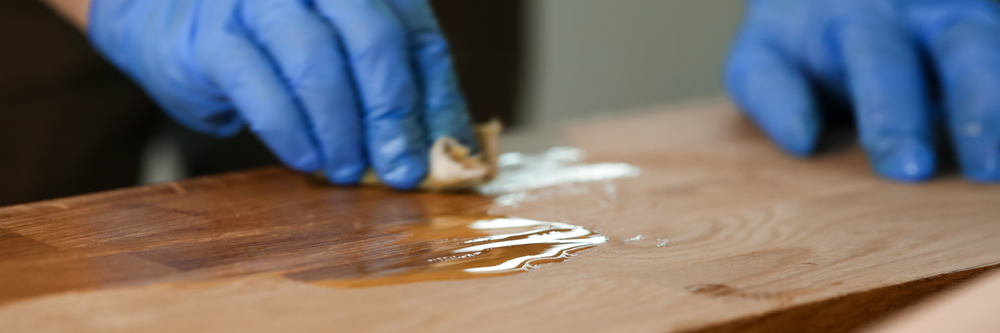
Preparation is the most important step. Even the best finish will not look good on poorly prepared wood.
Step 1: Sanding
Start with coarse sandpaper and move to finer grits.
- Begin with 80 or 100 grit
- Move to 150 grit
- Finish with 220 grit
Always sand in the direction of the grain. This prevents scratches.
Step 2: Cleaning
After sanding, remove all dust.
- Use a vacuum or brush
- Wipe with a tack cloth
Dust left on the surface can ruin the finish.
Step 3: Filling Gaps
If the wood has holes or cracks, use wood filler.
- Apply filler
- Let it dry
- Sand again
Understanding Wood Stain
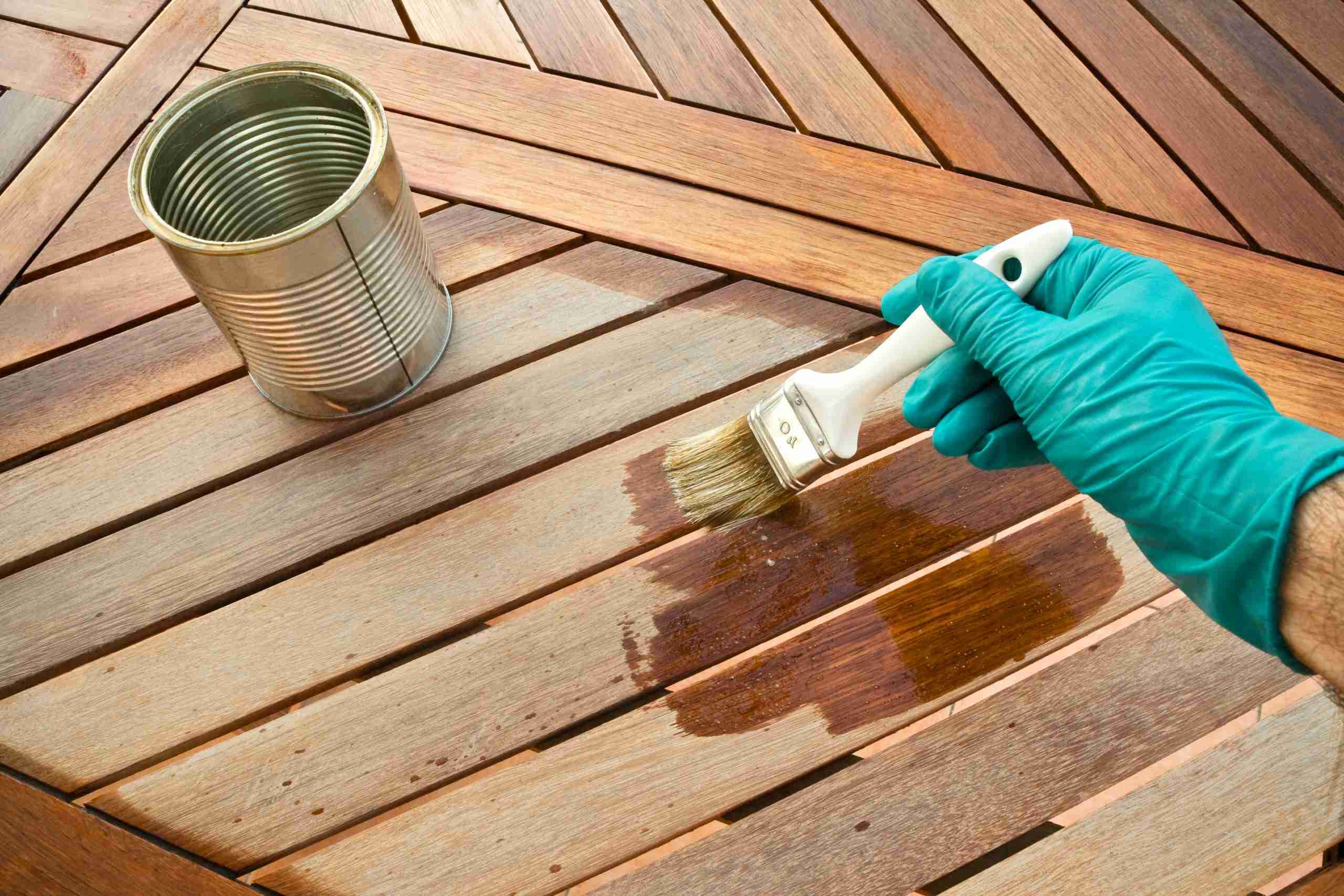
Wood stain adds color to wood while allowing the grain to remain visible.
Types of Stains
- Oil based stain
- Water based stain
- Gel stain
How to Apply Stain
- Apply with a brush or cloth
- Let it sit for a few minutes
- Wipe off excess
- Let it dry completely
The longer you leave the stain, the darker the color becomes.
Step by Step Wood Finishing Process
Here is a simple process you can follow:
Step 1: Sand the Wood
Make sure the surface is smooth and even.
Step 2: Clean the Surface
Remove all dust and particles.
Step 3: Apply Stain (Optional)
If you want color, apply stain and let it dry.
Step 4: Apply First Coat of Finish
Use a brush or cloth. Apply evenly.
Step 5: Let it Dry
Follow the drying time mentioned on the product.
Step 6: Light Sanding
Use fine sandpaper (220 or higher) to smooth the surface.
Step 7: Apply Additional Coats
Repeat the process 2 to 3 times for better protection.
Step 8: Final Touch
After the last coat dries, you can polish or wax if needed.
Tips for a Smooth Finish
- Always work in a clean, dust free area
- Do not rush the drying process
- Apply thin coats instead of thick ones
- Sand lightly between coats
- Use quality brushes or applicators
Patience is key to achieving a professional result.
Common Wood Finishing Mistakes To Avoid
Applying Too Much Finish
Thick layers can lead to uneven drying and sticky surfaces.
Skipping Sanding
This leads to rough and uneven results.
Not Cleaning Dust
Dust particles get trapped in the finish.
Ignoring Drying Time
This can ruin the final look.
Using the Wrong Finish
Always choose the finish based on the use of the wood item.
How To Choose the Right Wood Finish
The right finish depends on the project and the level of durability required.
For Furniture
Polyurethane is a durable and widely used finish for furniture, cabinets, doors, and floors, making it a reliable choice for most DIY projects. Lacquer can also be used, but it is more situational and typically better suited for spray applications or shop environments.
For Outdoor Projects
Use an exterior-rated spar varnish or spar urethane, which are designed to handle wood movement, moisture, and UV exposure. For a simpler, long-lasting option, consider using EasyCoat for added protection and easier application.
For Decorative Items
Oil or wax finishes work well for enhancing the natural appearance of wood on pieces that do not require heavy protection.
For Kitchen Surfaces
Use finishes that are water resistant and food safe once fully cured, especially for surfaces exposed to moisture or food contact.
Maintenance of Finished Wood
Finished wood still needs care.
Cleaning
Use a soft cloth and mild cleaner.
Avoid Water Damage
Wipe spills quickly.
Reapplication
Some finishes like oil and wax need regular reapplication.
Protection
Use mats and coasters to prevent scratches and stains.
Safety Tips For Working With Wood Finishing Products
Wood finishing involves chemicals and tools. Follow safety measures:
- Work in a well ventilated area
- Wear gloves and masks
- Keep materials away from fire
- Store chemicals safely
Safety should always come first.
Eco Friendly Wood Finishing Options
If you prefer natural methods, consider eco friendly finishes:
- Natural oils like linseed or tung oil
- Water based finishes
- Low VOC products
These are safer for both health and environment.
Frequently Asked Questions (FAQs)
1. How long should I wait before using a finished wood item?
Even after the surface feels dry, the finish may still be curing. Most finishes need 24 to 72 hours before light use and up to 7 days for full curing. Always check the product instructions.
2. Can I apply a new finish over an old one?
Yes, but the surface must be properly prepared. Light sanding helps the new finish stick better. If the old finish is damaged, it is better to remove it completely before reapplying.
3. What is the difference between drying and curing?
Drying means the surface is no longer wet. Curing means the finish has fully hardened and reached its maximum strength. Curing takes longer than drying.
4. How do I fix bubbles in a wood finish?
Bubbles usually happen due to over-brushing or shaking the finish. Lightly sand the surface after it dries and apply a thin new coat carefully.
5. Can wood finishing change the color of wood without stain?
Yes. Some finishes, especially oil based ones, naturally darken or warm the color of wood even without using stain.
6. What is the best finish for beginners?
Oil finishes and water based finishes are easier for beginners because they are simple to apply and fix if mistakes happen.
7. How do I avoid brush marks in my finish?
Use a good quality brush, apply thin coats, and brush in the direction of the grain. Avoid going over the same area repeatedly.
8. Is sanding required between every coat?
Light sanding between coats is recommended. It helps remove imperfections and improves adhesion for the next coat.
9. Can I finish wood in humid weather?
High humidity slows drying and can affect the final result. It is best to work in a dry environment with good airflow.
10. What should I do if the finish feels sticky after drying?
This can happen if the coat is too thick or not fully cured. Give it more time to dry. If it remains sticky, lightly sand and reapply a thin coat.
Conclusion
Wood finishing is both an art and a skill. It may seem complicated at first, but with practice, it becomes easier. The key is preparation, patience, and choosing the right materials.
A well finished piece of wood not only looks beautiful but also lasts for many years. Whether you are a beginner or experienced, learning proper finishing techniques can greatly improve your woodworking projects.
Start with simple projects, experiment with different finishes, and gradually build your skills. Over time, you will develop your own style and preferences.
Wood finishing is the step that truly brings your work to life.


Talk to An Expert in Outdoor Living Solutions!
Call Now!Our company is committed to providing the highest quality tropical hardwoods, including Ipe, Cumaru, Garapa, and Iroko, along with leading composite decking brands. As direct producers and importers, we deliver materials straight from the source, ensuring competitive pricing and exceptional quality. Our dedicated team supports residential, commercial, and outdoor living projects with fast delivery and expert guidance. We’ve partnered with contractors, architects, and designers to help bring their visions to life. We’re ready to help you find the perfect solution for your next project!