

 Free Shipping
*Applies to Ipe & Cumaru short length orders from 3–5 ft. Minimum purchase of $2,500 required. U.S. mainland only. Other conditions may apply.



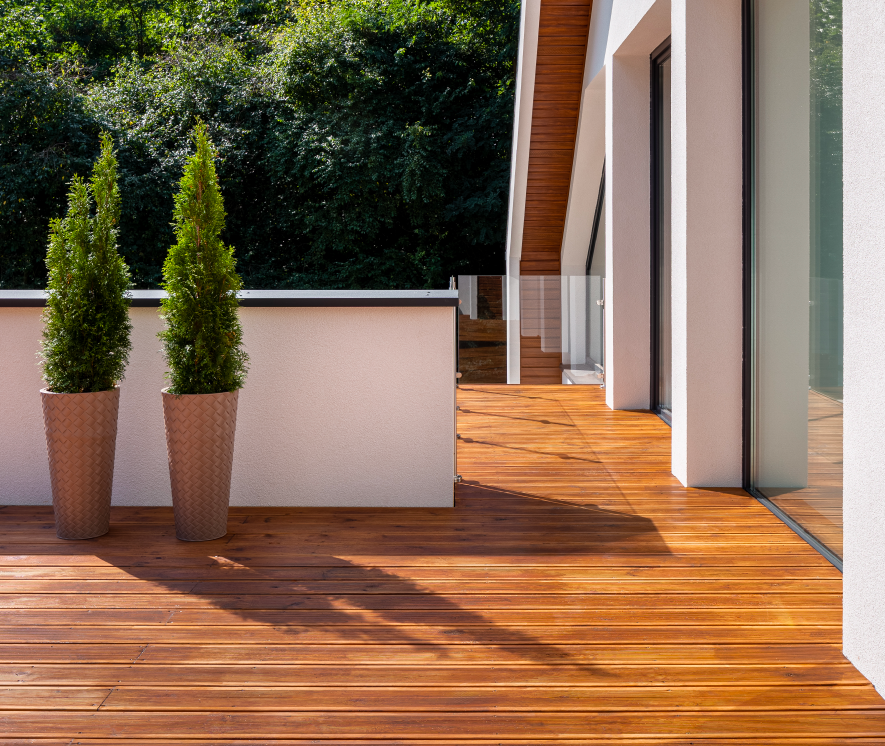
What Is Brazilian Teak (Cumaru) Flooring? A Complete Guide
Best Sellers
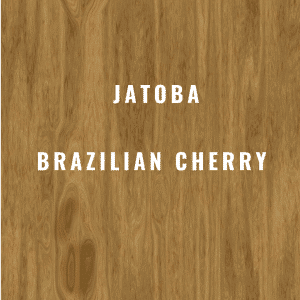
Posted on October 12, 2026 at 3:40 am
Table of Content
Brazilian teak flooring is a type of hardwood flooring made from Cumaru, a dense tropical hardwood native to South America. It is known for its rich brown color, natural variation, hardness, and durability.
Despite its name, Brazilian teak is not the same species as traditional teak. Brazilian teak is the common name often used for Cumaru, while true teak comes from the Tectona genus. Cumaru has become popular for flooring because it combines a warm, attractive appearance with excellent resistance to everyday wear.
If you are considering hardwood flooring for a home or commercial space, Brazilian teak can be an option worth exploring. This guide explains what Brazilian teak flooring is, its appearance, benefits, maintenance requirements, and what to consider before choosing it.
What Is Brazilian Teak?
Brazilian teak is a common trade name for Cumaru, a tropical hardwood that grows in South America.
Cumaru is naturally dense and hard, which makes it suitable for applications where flooring needs to handle regular foot traffic. The wood can range from golden brown to reddish brown, with darker streaks and natural variations that give each board a unique appearance.
The name “Brazilian teak” is used because Cumaru has some characteristics associated with traditional teak, particularly its durability and rich color. However, the two woods are different species and should not be considered identical.
Brazilian teak is also sometimes called Brazilian chestnut or Cumaru.
What Does Brazilian Teak Flooring Look Like?
One of the main reasons people choose Brazilian teak flooring is its appearance.
The wood typically has warm brown tones that can range from light golden brown to deeper reddish or chocolate brown. Some boards may have darker streaks or subtle color variations.
The grain is usually noticeable and can have a straight, interlocked, or slightly irregular appearance. This natural variation gives the flooring a distinctive look.
Like many natural hardwoods, Brazilian teak can change in appearance over time. Exposure to light can gradually alter the color, so newly installed flooring may look different after several years.
Is Brazilian Teak Good for Flooring?
Yes, Brazilian teak can be a good flooring material because of its natural hardness and durability.
Flooring is exposed to constant foot traffic, furniture, dirt, and occasional impacts. A dense hardwood such as Cumaru can handle these conditions well when properly installed and maintained.
Its hardness also makes it resistant to many everyday dents and scratches. However, no wood floor is completely scratch-proof. Heavy furniture, pet claws, dirt, and dragging objects across the floor can still cause damage.
The quality of the installation and ongoing maintenance also affects how long the flooring lasts.
Benefits of Brazilian Teak Flooring
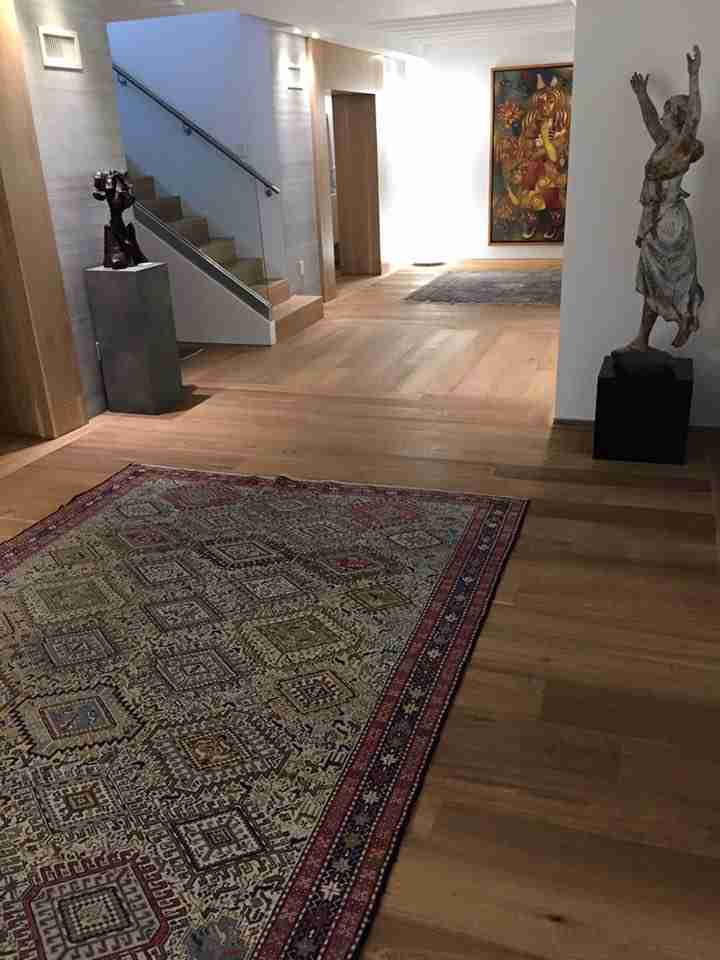
Brazilian teak offers several benefits that make it attractive for residential and commercial flooring.
Durable Hardwood
Cumaru is a very hard and dense wood. This makes Brazilian teak flooring suitable for areas that experience regular foot traffic.
When properly cared for, hardwood floors can remain attractive for many years.
Distinctive Appearance
Brazilian teak has naturally warm colors and visible grain patterns. Because every board comes from a natural piece of wood, there can be variation from one board to another.
This creates a floor with a natural and individual appearance.
Resistant to Everyday Wear
Its hardness helps Brazilian teak handle everyday use. It can be a practical choice for hallways, living rooms, dining areas, offices, and other spaces where floors receive regular traffic.
Proper cleaning and maintenance are still important to preserve the surface.
Long-Lasting
One of the major advantages of hardwood flooring is its potential for long-term use. Brazilian teak is a particularly durable hardwood, making it a suitable choice for homeowners who want flooring that can last for many years.
Depending on the type of finish and construction, some Brazilian teak flooring can also be refinished when the surface eventually shows signs of wear.
Natural Wood Character
Unlike synthetic flooring products designed to imitate wood, Brazilian teak is real hardwood. Its natural grain, color variations, and texture provide characteristics that are difficult to duplicate exactly.
Is Brazilian Teak Hard?

Brazilian teak is considered a very hard hardwood.
Its hardness is one of the characteristics that makes it suitable for flooring. A harder wood can generally resist dents and everyday wear better than softer wood species.
However, hardness does not mean the floor cannot be damaged. Sand, dirt, furniture movement, and sharp objects can still scratch the finish or surface.
Using rugs in high-traffic areas and furniture pads under heavy furniture can help protect the floor.
Is Brazilian Teak Waterproof?
Brazilian teak is naturally resistant to moisture compared with many other types of wood, but it should not be considered completely waterproof.
All natural wood can be affected by prolonged exposure to water. Excess moisture can cause wood to swell, move, stain, or develop other problems.
For indoor flooring, spills should be cleaned promptly. Brazilian teak can also be used in some exterior applications, but the installation method and finish need to be appropriate for outdoor conditions.
Where Can Brazilian Teak Flooring Be Used?
Brazilian teak flooring can work well in many indoor spaces.
Common applications include:
- Living rooms
- Dining rooms
- Bedrooms
- Hallways
- Offices
- Entryways
- Commercial spaces
- High-traffic areas
Because Cumaru is naturally dense and durable, it can be considered for areas that receive significant foot traffic.
However, the specific flooring product, finish, installation method, and environmental conditions should always be considered before installation.
Brazilian Teak vs Traditional Teak
Brazilian teak and traditional teak are often confused because of their common names.
Brazilian teak refers to Cumaru, while traditional teak comes from the Tectona genus. They are different types of wood.
Both are known for durability, but they have different characteristics, appearances, and uses.
Cumaru is generally much harder and denser than traditional teak. It also tends to have a deeper brown appearance, while traditional teak often has golden to medium brown tones.
When shopping for Brazilian teak flooring, look for the wood’s actual species name, Cumaru, rather than relying only on the common name.
Brazilian Teak vs Oak Flooring
Brazilian teak and oak are both popular hardwood flooring choices, but they have different characteristics.
Oak is a domestic hardwood commonly recognized for its grain pattern and lighter appearance. Brazilian teak is generally harder and has darker, richer brown tones.
Oak may be easier to work with during installation because it is not as dense as Cumaru. Brazilian teak’s density can make cutting, drilling, and installation more demanding.
The best option depends on your desired appearance, budget, durability requirements, and installation needs.
How Is Brazilian Teak Flooring Installed?
Brazilian teak flooring can be installed using methods appropriate for the specific flooring product.
Solid hardwood flooring is commonly nailed or stapled to a suitable wood subfloor. Some flooring products may have different installation requirements.
Because Cumaru is very dense, installation requires appropriate tools and fasteners. The wood also needs to be properly acclimated according to the flooring manufacturer’s instructions and the conditions of the installation site.
Professional installation can be helpful, particularly for dense tropical hardwoods.
Does Brazilian Teak Flooring Need Acclimation?
Natural hardwood flooring can respond to changes in temperature and humidity.
Before installation, Brazilian teak flooring may need to acclimate to the environment where it will be installed. The exact requirements depend on the flooring product, manufacturer, subfloor, and local conditions.
Proper acclimation helps the wood adjust to the environment before installation and can reduce the risk of excessive movement after the floor is installed.
Always follow the manufacturer’s specific acclimation and installation instructions.
How Do You Maintain Brazilian Teak Flooring?
Brazilian teak flooring is relatively easy to maintain when cared for properly.
- Regularly remove dirt and dust using a soft broom, vacuum designed for hardwood floors, or another suitable cleaning method.
- Clean spills promptly so moisture does not remain on the surface.
- Avoid soaking the floor with water. Excess moisture can eventually cause problems with natural wood.
- It is also important to use cleaning products that are recommended for the specific finish on your floor.
Protect the Floor From Scratches
Use felt pads beneath furniture legs to reduce scratching.
Place rugs or mats in high-traffic areas and near entrances to help prevent dirt and grit from being carried across the floor.
Avoid dragging heavy furniture directly across the flooring.
Control Indoor Humidity
Wood naturally responds to changes in humidity. Maintaining a relatively stable indoor environment can help reduce excessive expansion and contraction.
Large changes in humidity can cause hardwood flooring to move, so proper indoor climate control is important.
Can Brazilian Teak Flooring Be Refinished?
Depending on the product and its thickness, solid Brazilian teak flooring can often be sanded and refinished when the surface becomes worn.
Because Cumaru is very hard, refinishing may require appropriate professional equipment and experience.
Engineered Brazilian teak flooring may have a thinner hardwood wear layer, so its ability to be refinished depends on the thickness of that layer and the manufacturer’s specifications.
If you are considering refinishing, have the floor evaluated before sanding it.
Is Brazilian Teak Flooring Expensive?
Brazilian teak is generally considered a premium hardwood flooring option.
The final cost depends on several factors, including the grade, board size, thickness, finish, product type, installation method, and availability.
Installation can also cost more than some domestic hardwoods because Cumaru is dense and requires appropriate tools and techniques.
Although the initial investment can be higher, some homeowners choose Brazilian teak because of its durability and long service life.
Is Brazilian Teak Flooring Sustainable?
The sustainability of Brazilian teak flooring depends heavily on where the wood comes from and how it was harvested.
When purchasing tropical hardwood flooring, ask the supplier about the wood’s source and available certification or documentation.
Responsible sourcing can help ensure that the wood comes from legal and responsibly managed sources.
Buyers should also consider suppliers that provide clear information about the origin of their hardwood products.
Is Brazilian Teak a Good Choice for Your Home?
Brazilian teak can be a good choice if you want a durable hardwood floor with a rich natural appearance.
It may be especially appealing to homeowners who prefer darker wood tones and want flooring that can withstand significant daily use.
However, it is important to consider more than appearance. Installation requirements, budget, maintenance, indoor humidity, and responsible sourcing should all be part of the decision.
If you prefer a lighter floor or want a softer wood that is easier to work with, another hardwood species may be more suitable.
FAQs About Brazilian Teak Flooring
Is Brazilian teak flooring suitable for homes with pets?
Yes, Brazilian teak can be a good option for homes with pets because it is a very hard and durable hardwood. However, pet claws and dirt can still scratch the finish, so regular cleaning and protective mats can help.
Does Brazilian teak flooring change color over time?
Yes. Like many natural hardwoods, Brazilian teak can gradually change color when exposed to sunlight. The wood may become lighter or develop a different tone as it ages.
Does Brazilian teak flooring have a strong smell?
Brazilian teak generally does not have a strong lingering odor once the flooring is installed and properly finished. Any smell during installation may come from the wood, adhesives, or finish being used.
Can Brazilian teak flooring be installed over concrete?
It can be installed over concrete when using an appropriate flooring system and installation method. Engineered Brazilian teak may be particularly suitable for some concrete applications, but manufacturer requirements should always be followed.
Does Brazilian teak flooring scratch easily?
Brazilian teak is highly resistant to dents because of its hardness, but it is not scratch-proof. Sand, dirt, furniture, and sharp objects can still damage the finish or surface.
Can Brazilian teak flooring be used with radiant heating?
Some Brazilian teak flooring products may be compatible with radiant heating, but this depends on the product and installation method. Always check the manufacturer’s specifications before installation.
Is Brazilian teak flooring slippery?
The natural wood itself is not necessarily slippery, but the finish, surface condition, and presence of water can affect how slippery the floor feels. Keeping the floor clean and dry can help.
Does Brazilian teak flooring expand and contract?
Yes. Like other natural hardwoods, Brazilian teak responds to changes in temperature and humidity. Proper acclimation and installation help manage normal seasonal movement.
How long can Brazilian teak flooring last?
With proper installation, care, and maintenance, Brazilian teak flooring can last for decades. Its long-term lifespan depends on factors such as foot traffic, finish, maintenance, and environmental conditions.
Can Brazilian teak flooring be used in commercial buildings?
Yes, its hardness and durability can make it suitable for many commercial spaces with regular foot traffic. The appropriate product and finish should be selected based on the specific commercial environment.
Conclusion
Brazilian teak flooring is made from Cumaru, a dense tropical hardwood known for its hardness, durability, rich brown color, and natural grain patterns. It can provide a strong and attractive flooring surface for residential and commercial spaces.
While Brazilian teak can handle heavy everyday use, proper installation and maintenance are still important. The floor should be protected from excessive moisture, scratches, dirt, and major changes in indoor humidity.
If you are considering Brazilian teak for your next flooring project, compare the wood’s appearance, durability, installation requirements, cost, and sourcing before making your decision. Choosing a quality product from a reputable hardwood supplier can help you get the most from this durable tropical hardwood.
We can mill customs sizes
Premium decking