

 Free Shipping
*Applies to Ipe & Cumaru short length orders from 3–5 ft. Minimum purchase of $2,500 required. U.S. mainland only. Other conditions may apply.



Comparing Cypress VS Cedar: Which is Right for Your Decking Needs?
Best Sellers
Posted on September 14, 2023 at 8:46 am
Table of Content
For those passionate about woodworking, choosing the right lumber can be akin to an artist selecting their palette. There are so many beautiful types of wood to choose from, each with its unique characteristics and uses. Two of the most sought-after types of timber are Cypress and Cedar.
These woods are often considered for many projects due to their versatility, aesthetics, and resilience. But how do you determine which is right for your project? Welcome to the ultimate comparison guide: “Cypress VS Cedar“.
Cypress VS Cedar – The Basics
Cypress: An Overview
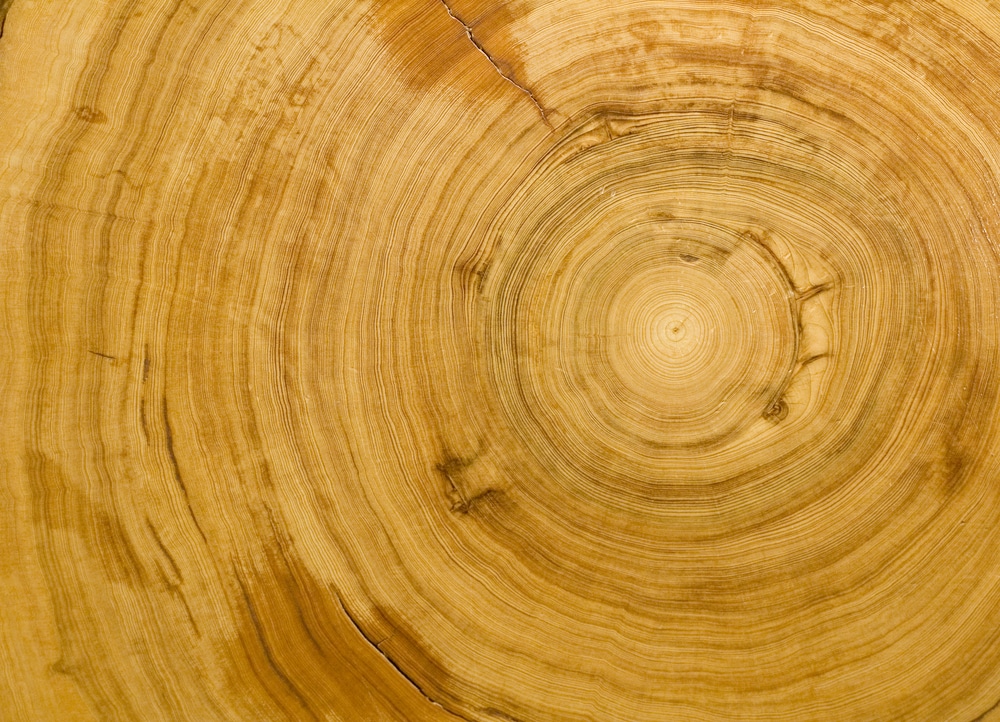
Cypress wood refers to the lumber obtained from the cypress tree, primarily native to the South of the U.S., particularly from species belonging to the Cupressaceae family.
This wood is known for its durability, natural resistance to decay, and appealing aesthetic qualities. It is a type of softwood commonly used in various construction and woodworking applications.
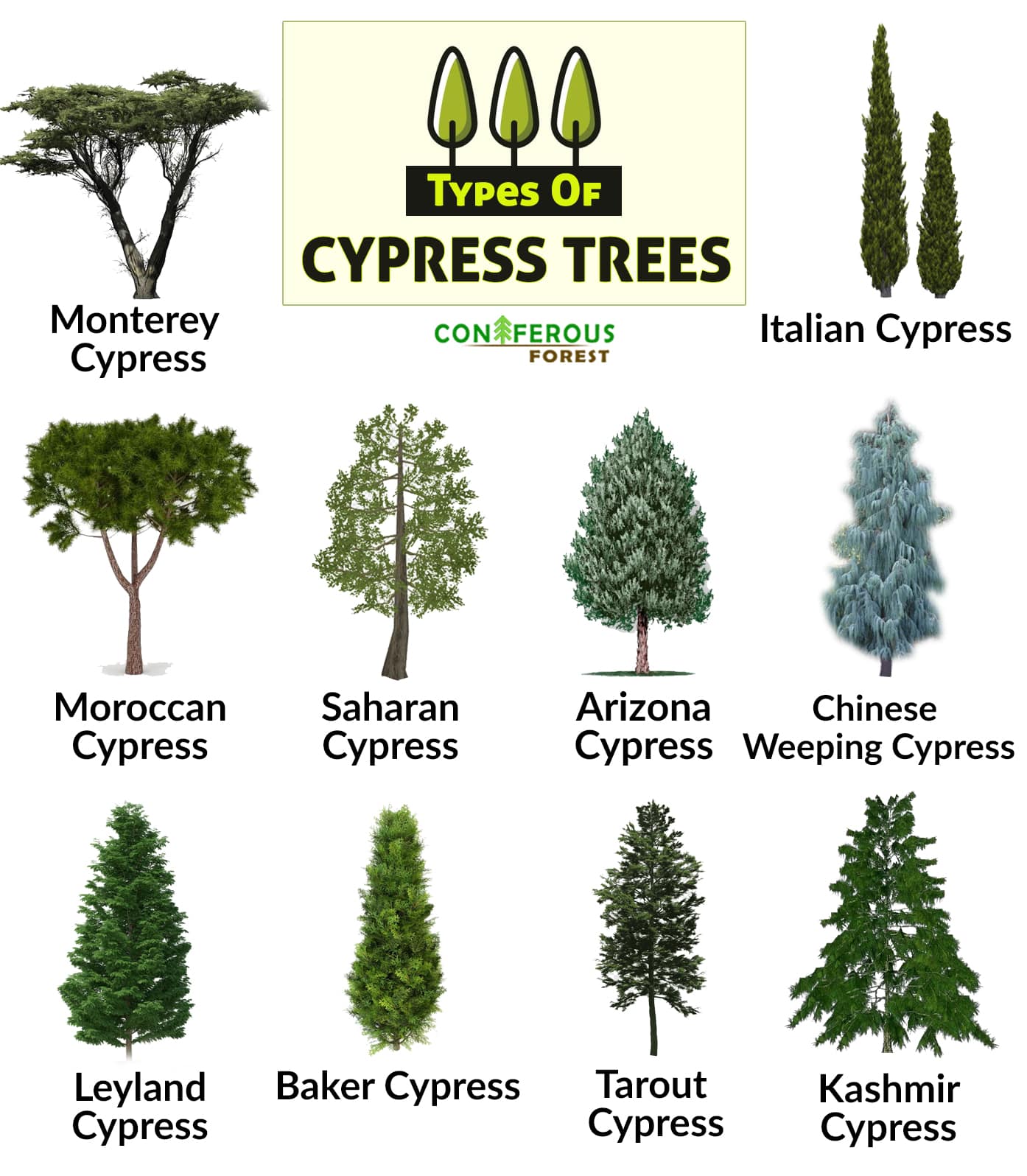
Cypress comes in various types, including Bald Cypress, Gowen Cypress, Monterey Cypress, Leyland Cypress, Mediterranean Cypress, Mexican Cypress, Australia Cypress, and more.
Is Cypress a Hardwood or Softwood?
Cypress is considered softwood but has several qualities of a hardwood. It is strong like hardwoods such as maple and ash but is light like pine wood. Therefore, it is easy to work with Cypress, like most softwoods are.
Cedar: An Introduction
Cedar primarily refers to Western Red Cedar, abundant in the Pacific Northwest of the U.S. and Canada. With its warm, reddish hues and unmistakable aromatic scent, Cedar is often the first choice for many outdoor projects.
Cedarwood is lightweight, resilient, and long-lasting, even when exposed to dampness or soil. While it’s a key construction material in its native areas, it’s less commonly used in other regions.

Appearance: First Impressions Matter
Both Cypress and Cedar are celebrated for their natural beauty. But they offer distinct visual differences:
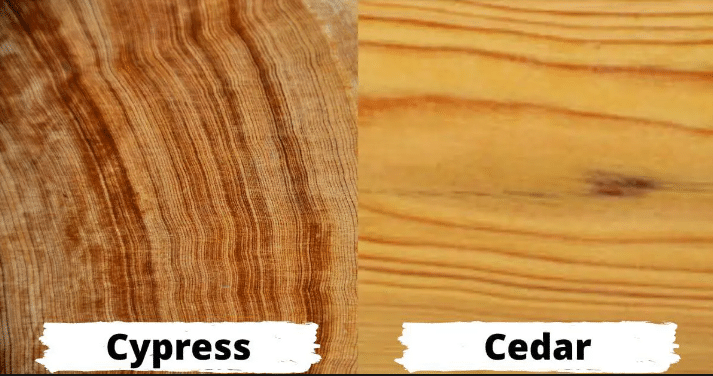
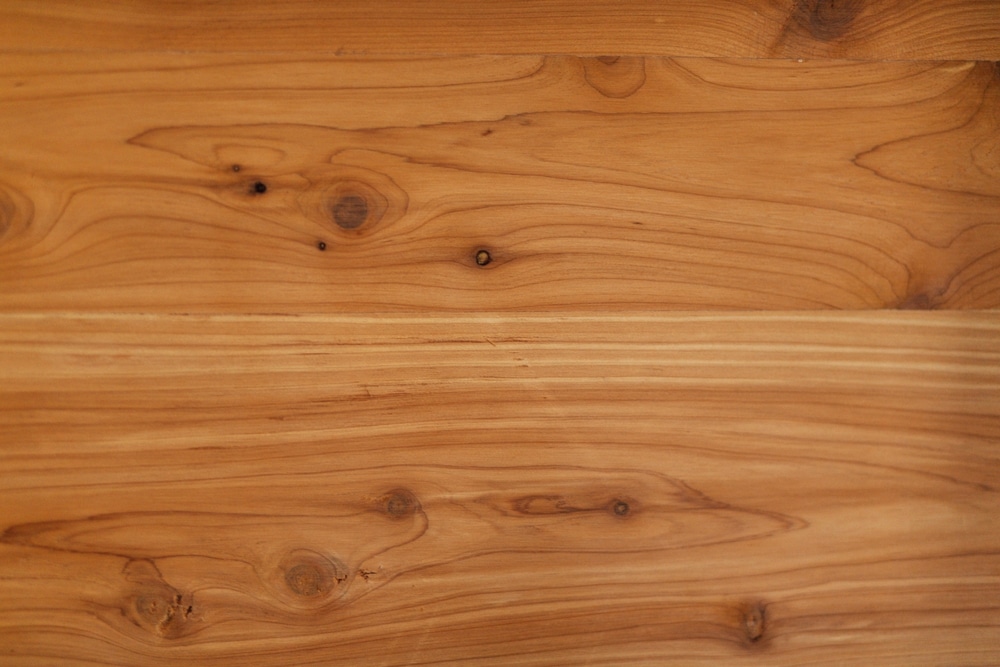
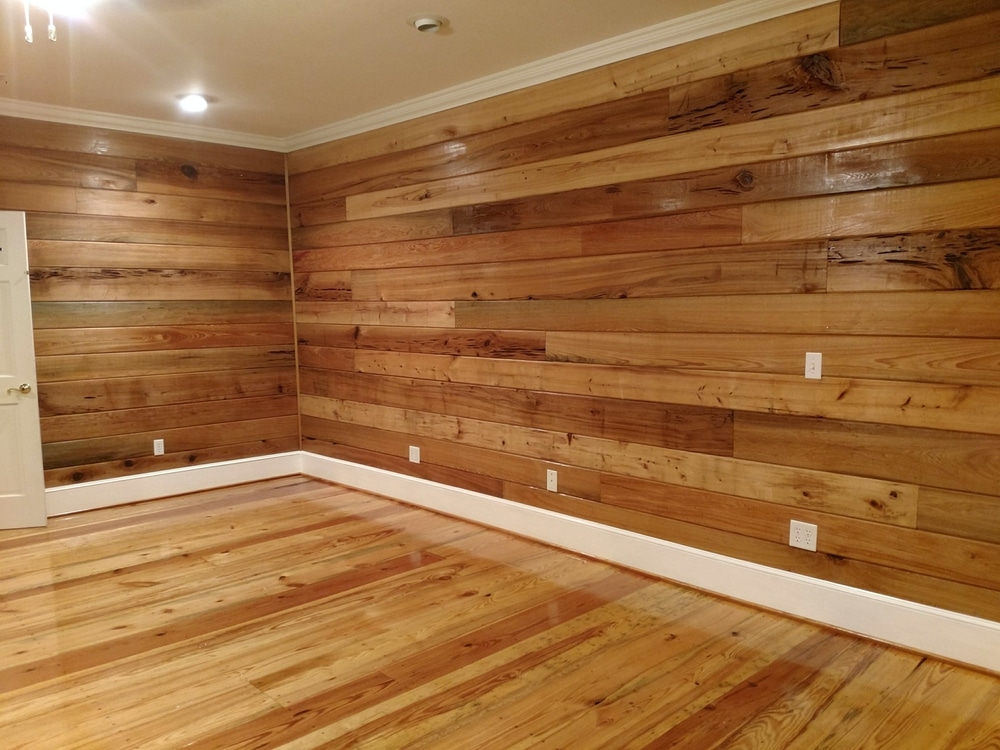
Cypress: Typically, Cypress comes in a range of pale yellow to light brown hues. It frequently displays tight, straight grains, which gives it a refined appearance. Cypress can also exhibit occasional knots, adding character to its surface.
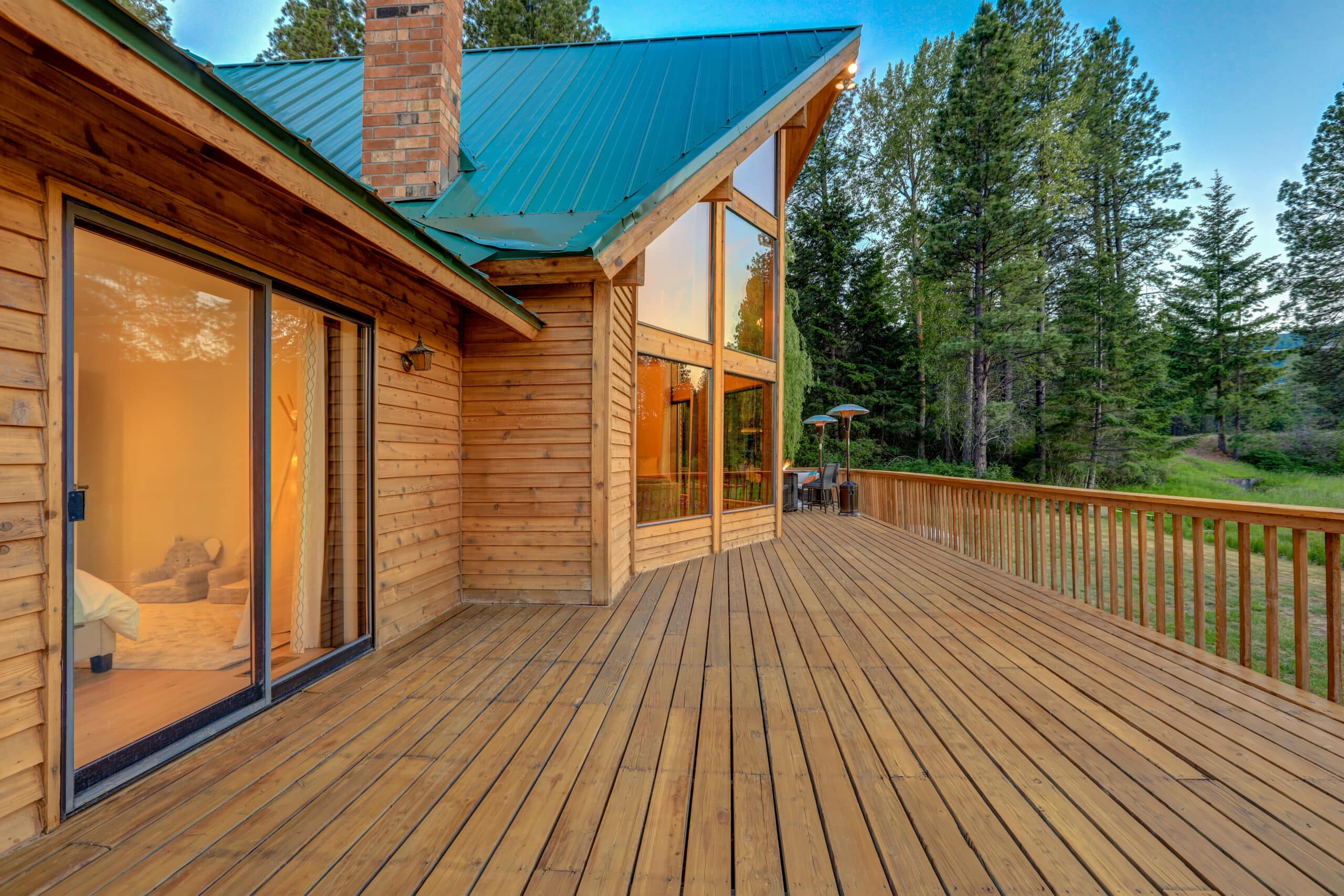
Cedar: Known for its rich, reddish-brown tones, Cedar exudes warmth. It often presents a mix of straight and wavy grain patterns, which can add depth and variety to projects. Over time, Cedar’s color can become silver with exposure, creating a distinguished, weathered look.
Durability and Longevity: Standing the Test of Time
The life of your project is crucial, and both Cypress and Cedar offer impressive durability.
Cypress: This wood is naturally resistant to decay and insects, thanks to its unique chemical makeup. When properly maintained, Cypress can serve you for decades, making it an ideal choice for outdoor projects.
Cedar: Cedar’s natural oils act as preservatives, making it resistant to moisture, decay, and insect damage. This resilience is why Cedar is a top choice for many exterior applications, from decking to siding.
Strength and Density: Built to Last
Every project requires materials with varying levels of strength and density. Let’s explore how Cypress VS Cedar measures up:
Cypress: Generally, Cypress boasts a moderate density, which translates to good strength. It’s sturdy enough for most construction purposes yet lightweight, which can benefit specific applications.
Cedar: Cedar is relatively soft but offers adequate strength for many construction applications. Its low density makes it lightweight, a beneficial trait when ease of transport and handling is crucial.
Ease of Working: A Craftsperson’s Delight
If you invest time and resources into a project, you want cooperating materials.
Cypress: One of Cypress’s outstanding features is its workability. It cuts, shapes, and sands with ease. Whether you’re using hand tools or machines, Cypress tends to cooperate, producing smooth finishes.
Cedar: Cedar is equally cooperative. It produces fewer splinters than other woods, creating a smoother working experience.
Cypress VS Cedar – Grading and Quality
In the lumber industry, grading helps distinguish the wood quality based on its appearance and strength. Both Cypress and Cedar have their grading systems.
Cypress Grading:
Cypress is available in three grades: Select, virtually clear of knots; #2, a knotty and the least expensive grade; and Pecky Cypress.
- Select: It is almost free of knots and is a perfect option for applications requiring the highest quality material. This grade is ideal for high-quality furniture and interior applications.
- No. 2: Suitable for most outdoor applications, this grade might have knots but is still reliable for decking and sidings. “#2” grade is a more affordable and equally beautiful alternative.
- Pecky Cypress: “Pecky” is a popular type of Cypress where a fungal attack on an older tree gives the appearance of wormholes.
Cedar Grading:
Understanding cedar grading can be tricky since it can be evaluated based on structural integrity or visual appeal.
Structural grades focus on strength, usually for timbers over 2 inches wide. In contrast, the Appearance grade is for Cedar pieces less than 2 inches thick, where structural strength is not a priority. Appearance grades prioritize aesthetics and are sorted accordingly. Graded alphabetically from A (best) to D, sub-categories include ‘Clear’ and ‘Knotty’ or STK (Select Tight Knots).
- Knotty: Features stable, tight knots on both board sides and is also known as rustic or STK (select tight-knotted).
- Select: Mostly free from imperfections and can be described as almost or completely clear Cedar.
- Clear Cedar: almost entirely free from knots.
Cypress VS Cedar – Uses and Applications
When considering Cypress VS Cedar, their applications are diverse. Given their characteristics, both kinds of wood have slightly different ideal uses:
Cypress: From decking to siding, furniture to millwork, Cypress’s durability and aesthetics make it a top choice for wood projects like:
- Siding: Cypress wood is used for siding because it’s naturally rot-resistant. Siding cypress has a warm reddish-amber color, often sought after due to its natural appearance.
- Roofing: Cypress makes great shingles because it is resistant to insects, harsh weather, water, and shrinkage.
- Paneling: Paneling made out of Cypress is used in houses because of the pleasing, compact grain pattern and the rich golden color of the wood. Cypress also takes stains, oils, and sealers well, making it a versatile option for wall coverings.
- Outdoor Decking and Furniture: Cypress is an excellent choice for outdoor decking due to its durability and weather resistance. The wood’s beautiful hues and ease of work make it perfect for creating unique furniture pieces.
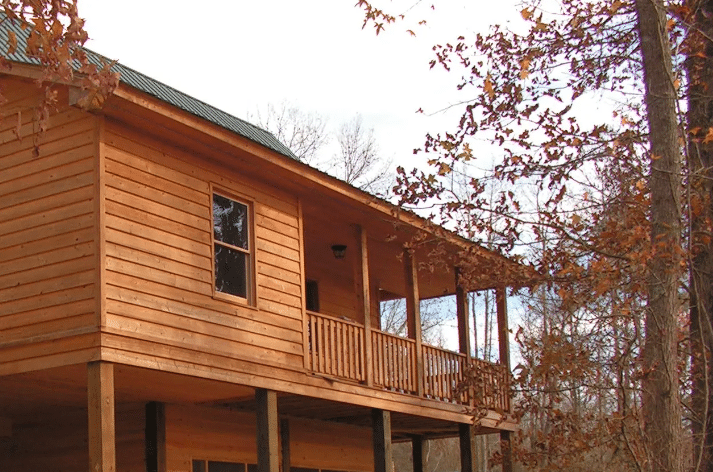
Cedar: Besides its durability and stability, Cedar lumber is often chosen for its innate aesthetic qualities. Its natural resistance to moisture decay makes it perfect for:
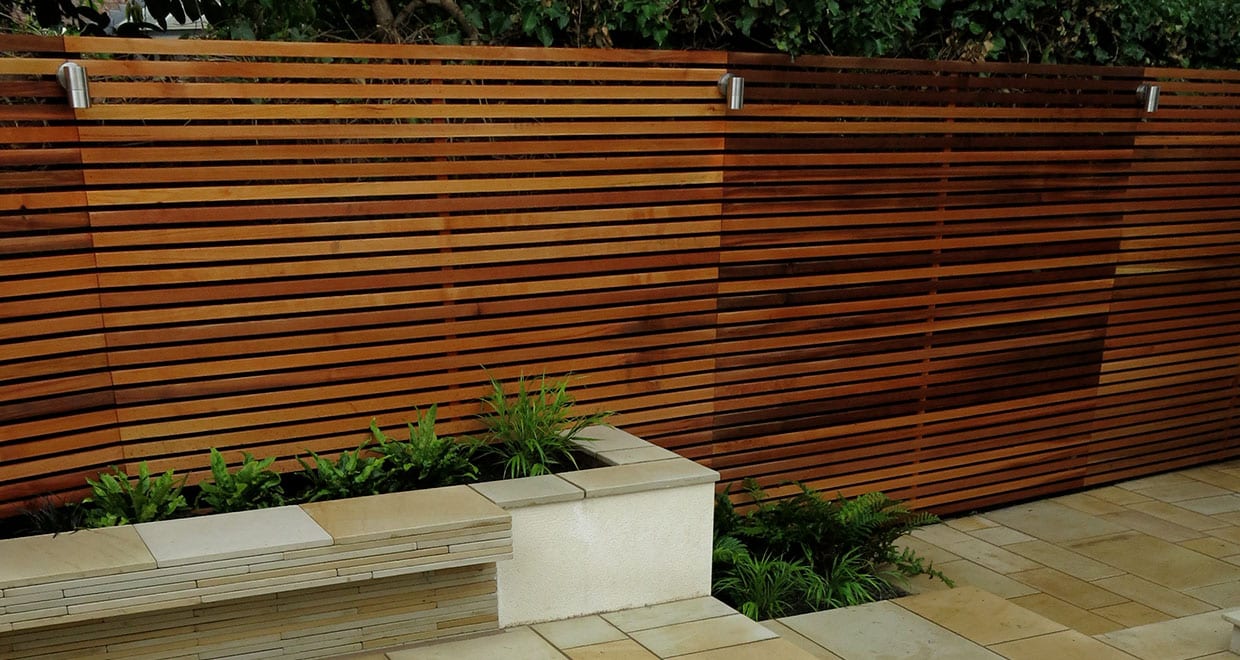
- Garden Structures: The aromatic scent and natural resistance make Cedar a favorite for garden boxes, pergolas, and arbors.
- Shingles and Roofing: Its durability ensures roofs last longer and stay more robust against elements.
- Boat Building: The wood’s resistance to moisture makes it ideal for boat building.
In Conclusion: Cypress VS Cedar – Which Should You Choose?
When comparing Cypress VS Cedar, it’s clear that both kinds of wood offer unique characteristics that can elevate your projects. Your choice will largely depend on the specific requirements of your endeavor, be it appearance, durability, or workability.
At Brazilian Lumber, we specialize in manufacturing and importing the highest quality decking solutions with our tropical hardwoods and other outdoor construction materials. Our team is always on hand to guide you in making the best decision for your woodworking needs. After all, the beauty of a project lies as much in the choice of materials as in the craftsmanship.
We can mill customs sizes
Premium decking