

 Free Shipping
*Applies to Ipe & Cumaru short length orders from 3–5 ft. Minimum purchase of $2,500 required. U.S. mainland only. Other conditions may apply.



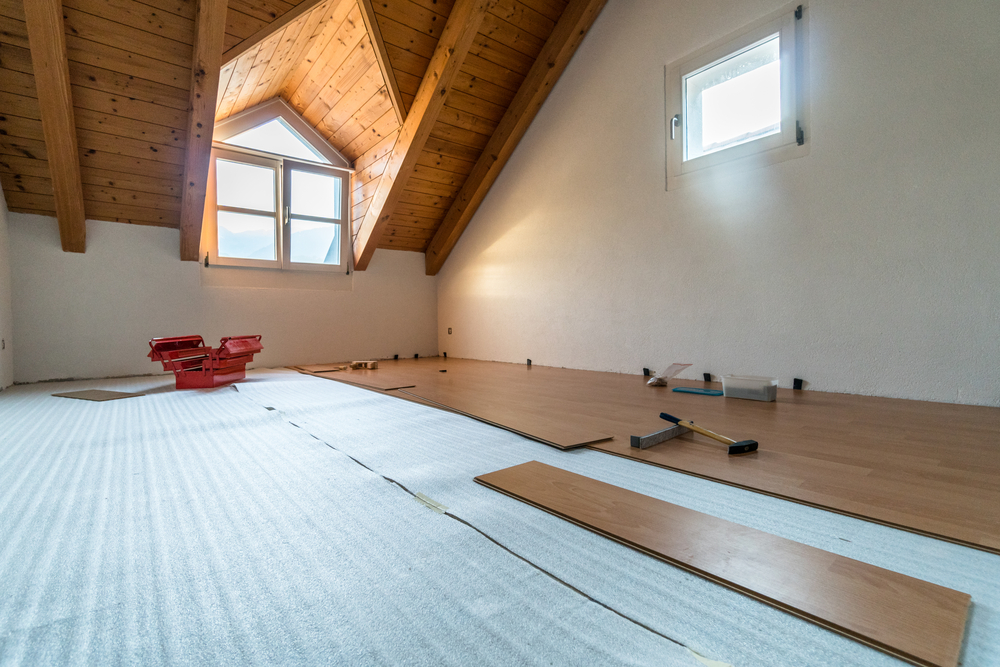
When To Replace Hardwood Floors
Best Sellers
Posted on October 17, 2024 at 8:26 am
Table of Content
Hardwood floors are an iconic and valuable feature in many homes, known for their durability and timeless beauty. However, even the highest quality floors require some maintenance. Over time, you may wonder whether it’s best to refinish, repair, or replace them. This blog will guide you through recognizing the signs that indicate when it´s time to replace hardwood floors and other essential methods for maintenance. Take a look!
Signs You Need to Refinish Your Hardwood Floors
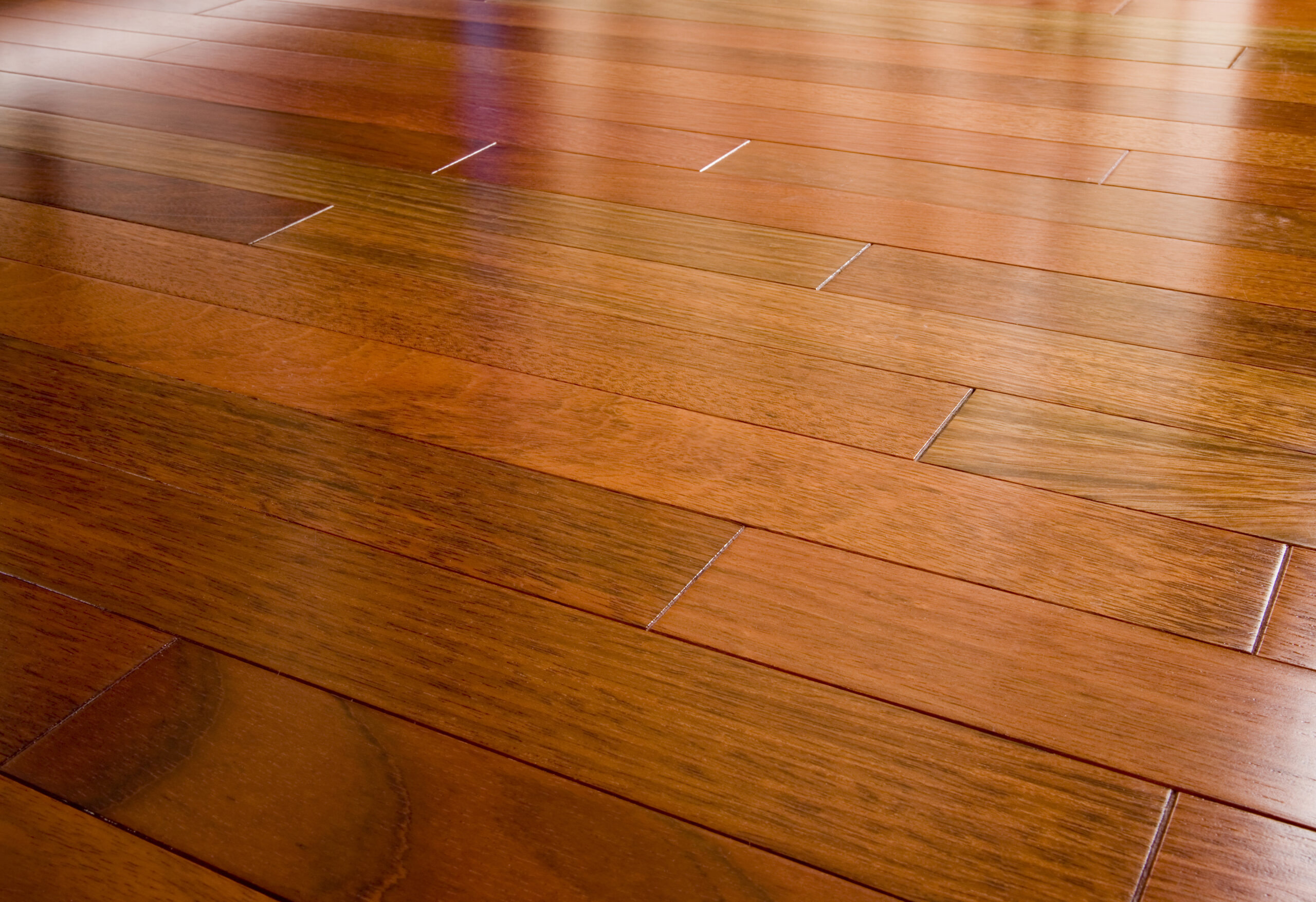
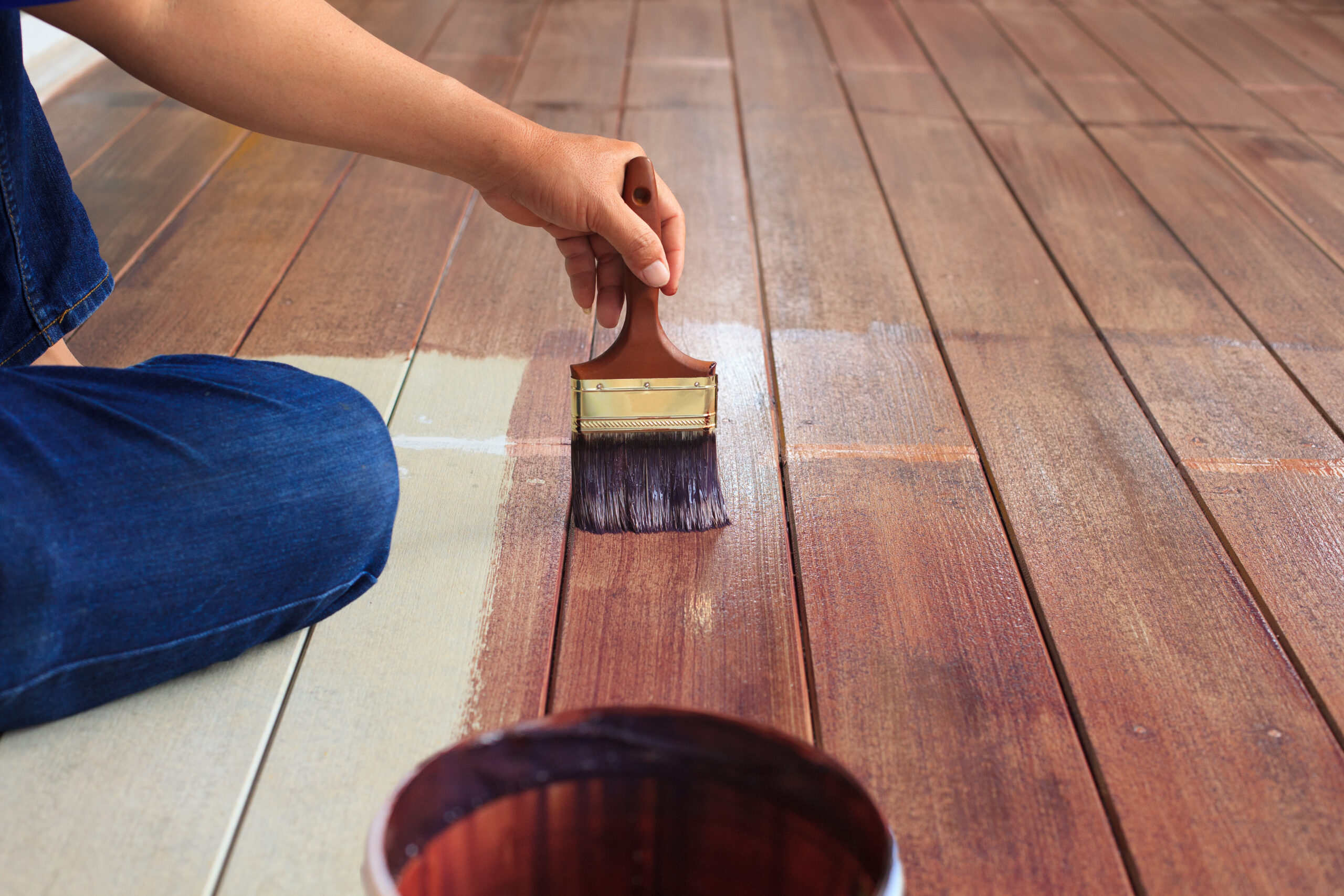
Refinishing hardwood floors is often the first option if your floors have visible scratches, dents, or a dulled surface but are otherwise in good structural condition. This process involves sanding down the surface to remove imperfections and then applying a new topcoat. It’s a suitable solution for floors that have not been deeply gouged or warped but show signs of surface wear.
- Appearance: If the finish has dulled but the wood underneath is not damaged, refinishing can bring back the luster.
- Cost-effectiveness: Refinishing is typically less expensive than replacing entire floors, making it an attractive option for budget-conscious homeowners.
When Repairing is Sufficient
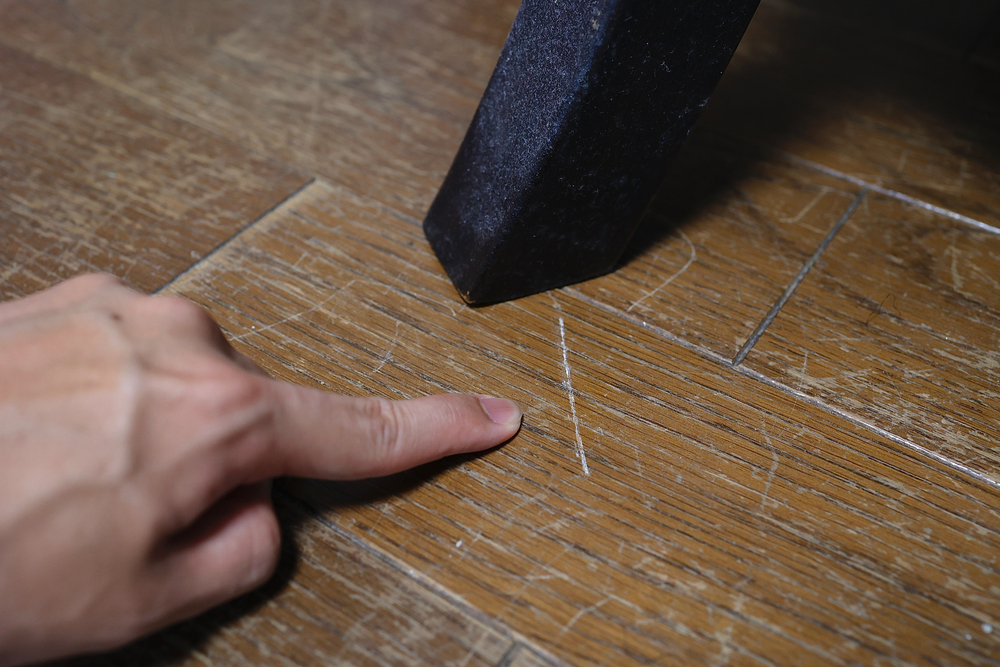
In cases where damage is localized, such as small burns, minor water damage, or a few loose planks, repairs may be sufficient. Repairing hardwood floors often involves replacing or fixing specific damaged planks, filling in scratches or gaps, and possibly blending the repair site with the rest of the floor area.
- Localized Damage: If the damage is not widespread, localized repairs can be an efficient solution.
- Preservation: Maintaining the original flooring can add to the home’s value, especially with high-quality materials like those from Brazilian Lumber.
Replace Hardwood Floors: Knowing When It’s Time
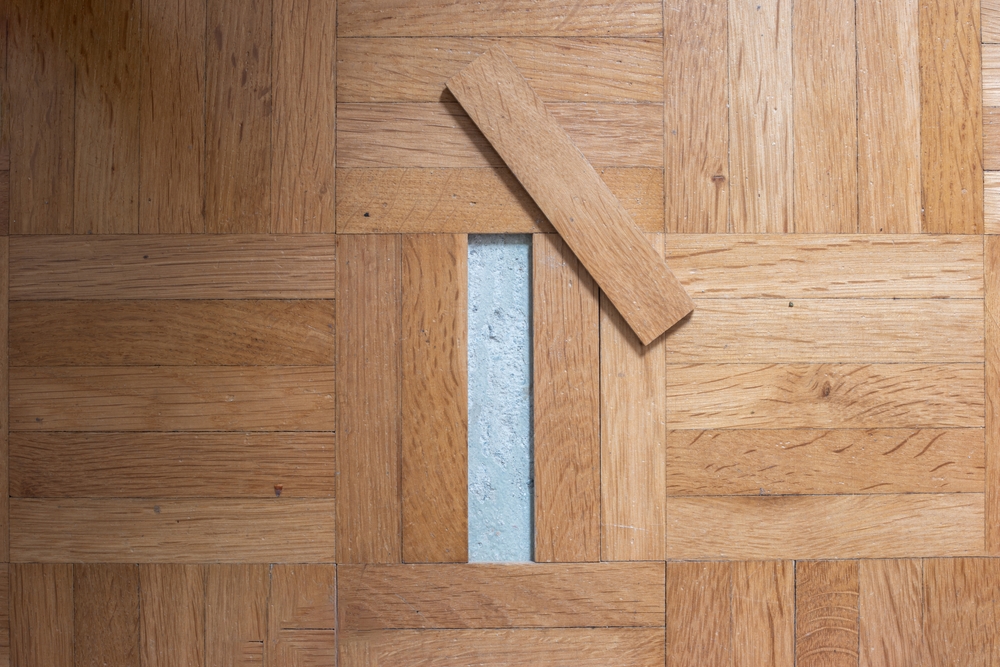
Sometimes, the damage to your hardwood floors goes beyond what refinishing or repairing can fix. Here are the signs that it might be time to replace your hardwood floors:
Severe Damage
When hardwood floors have significant structural damage, such as deep cracks, large splits, or extensive water damage, replacement is usually the best option. Such damage can compromise not only the appearance but also the safety and integrity of the flooring.
Aging Floors
Hardwood floors can last many decades, but they don’t last forever. If your floors are several decades old and have been refinished multiple times, they might need replacement. Each refinishing reduces the thickness of the wood, and eventually, it becomes too thin to withstand further treatment.
Major Renovations
If you are undertaking significant modifications to your home layout or design, replacing your hardwood floors might be necessary to ensure consistency and integration with new construction elements.
Maintenance Tips to Taking Care of Your Hardwood Floors
Aside from knowing when to refinish, repair, or replace hardwood floors, regular maintenance is crucial to extend their lifespan and beauty.
Use the Right Sealer
Applying a quality sealer can protect your floors from moisture and wear. Sealers form a protective layer, helping to prevent scratches and dents. The choice of sealer depends on the type of wood and the expected foot traffic.
Regular Cleaning
Using a suitable cleaner designed for hardwood floors is essential. Avoid harsh chemicals that can strip the finish or damage the wood. A proper cleaner will remove dirt and grime without leaving harmful residues.
Brighteners and Oils
Wood brighteners are used to restore the natural look of your floors, especially if they have started to look old or stained. They are particularly effective after deep cleaning or sanding. For an enhanced finish, especially with tropical hardwoods, specific oils can help replenish natural oils lost over time, providing a beautiful sheen and extra protection.
In conclusion, whether to refinish, repair, or replace hardwood floors depends largely on the extent of damage and the specific conditions of your home. For homes adorned with Brazilian Lumber’s exquisite tropical hardwoods, ensuring proper care means enjoying beautiful, durable floors for many years. Regular maintenance using oils, sealers, cleaners, and brighteners will keep your floors in peak condition, making your home a welcoming space.

We can mill customs sizes
Premium decking